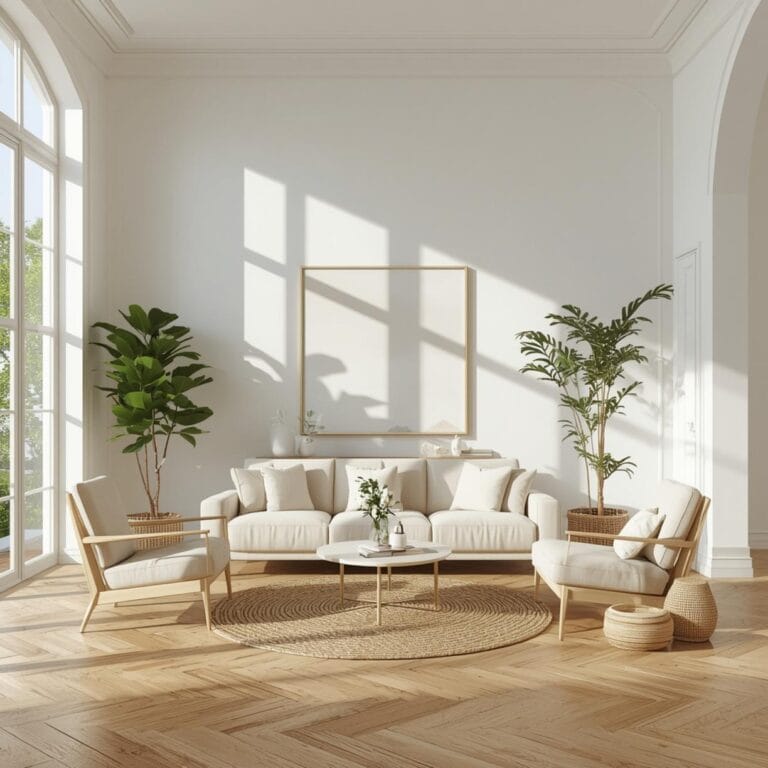
How to Choose the Perfect Wood Dining Room Table Sets
There’s something magical about gathering around a beautiful dining table. Whether it’s a Tuesday pasta dinner or a holiday feast, your dining room sets the stage for connection and memory-making. But with so many options out there, choosing the right Wood Dining Room Table Sets can feel overwhelming.
You want something that looks stunning but also stands up to real life. Spilled wine, homework sessions, game nights, and those rare formal dinners all happen at the same table. The good news? Wood dining sets offer the perfect combination of durability, warmth, and timeless style that adapts to your changing needs.
Finding the right set means understanding what works for your space, lifestyle, and design vision. From farmhouse charm to sleek modern lines, wood brings natural beauty that manufactured materials simply can’t match.
Table of Contents
What You’ll Need to Get the Look
Creating your dream dining space starts with understanding the key elements that make wood dining sets so versatile and beautiful.
The table itself comes in various wood species, each with distinct character. Oak offers strength and prominent grain patterns. Walnut provides rich, dark tones that age beautifully. Maple brings light, smooth surfaces perfect for contemporary homes. Cherry develops a gorgeous patina over time, deepening from blonde to reddish-brown.
Consider the finish type for your table. Natural oil finishes highlight wood grain and allow easy spot repairs. Polyurethane creates a protective barrier against moisture and scratches. Wax finishes offer a soft, traditional look but require more frequent maintenance.
Chair selection matters as much as the table. Matching wood chairs create cohesive elegance, while upholstered seats add comfort for longer dinners. Mixed seating with a bench on one side maximizes flexibility and visual interest.
Base styles dramatically change your room’s feel. Pedestal bases offer maximum leg room and work beautifully in smaller spaces. Trestle bases bring farmhouse character and sturdy support. Four-leg tables provide classic stability and traditional appeal.
Hardware details complete the look. Metal corner brackets add industrial edge. Carved aprons introduce traditional craftsmanship. Butterfly joints showcase natural wood movement while adding structural integrity.
Finding Your Style and Season
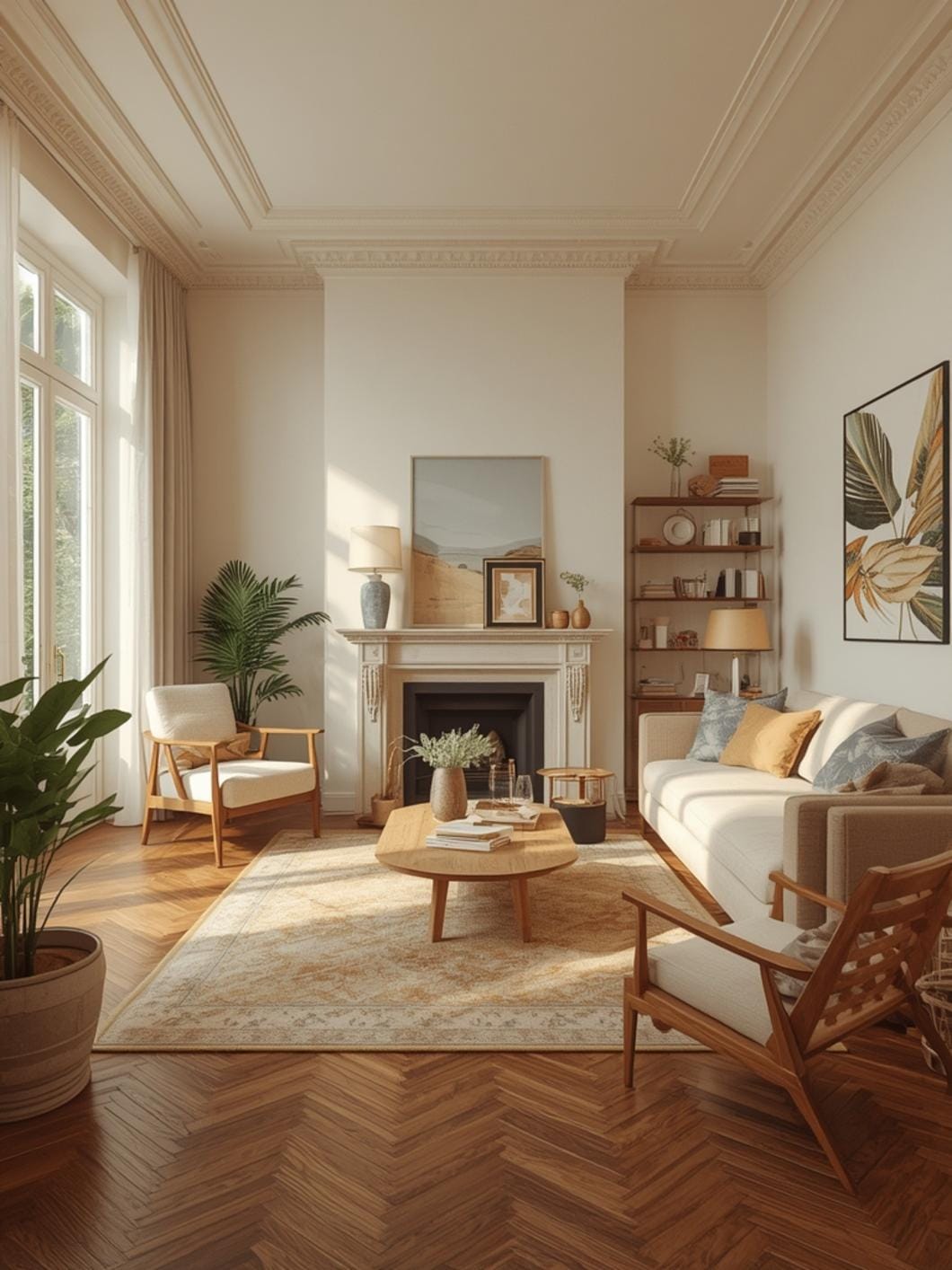
Your dining room serves different purposes throughout the year, and wood’s versatility shines across all seasons. Understanding when and how to style your space helps you maximize both beauty and function.
Spring and summer call for lighter expressions of your wood furniture. Natural wood tones pair beautifully with fresh flowers, light linens, and bright table settings. This is when lighter woods like maple or ash truly glow, reflecting natural daylight and creating airy, welcoming spaces.
Fall and winter let darker woods take center stage. Walnut and mahogany sets create cozy, intimate atmospheres perfect for candlelit dinners and holiday gatherings. Rich wood tones complement seasonal decor like copper accents, deep jewel-tone textiles, and warm lighting.
Formal occasions benefit from wood’s inherent elegance. A well-maintained wood table needs minimal decoration to impress. Simple place settings on beautiful wood create sophistication that plastic or glass tables can’t achieve.
Everyday functionality matters most for busy families. Wood dining sets handle daily wear better than you might think, especially with proper care. The key is choosing finishes and styles that match your real lifestyle, not an idealized version of it.
Room lighting changes how wood appears throughout the day. Morning light highlights grain patterns and natural variations. Evening ambient lighting deepens wood tones and creates warmth. Consider how your space looks at different times when selecting wood colors.
7 Ideas to Try in Your Home
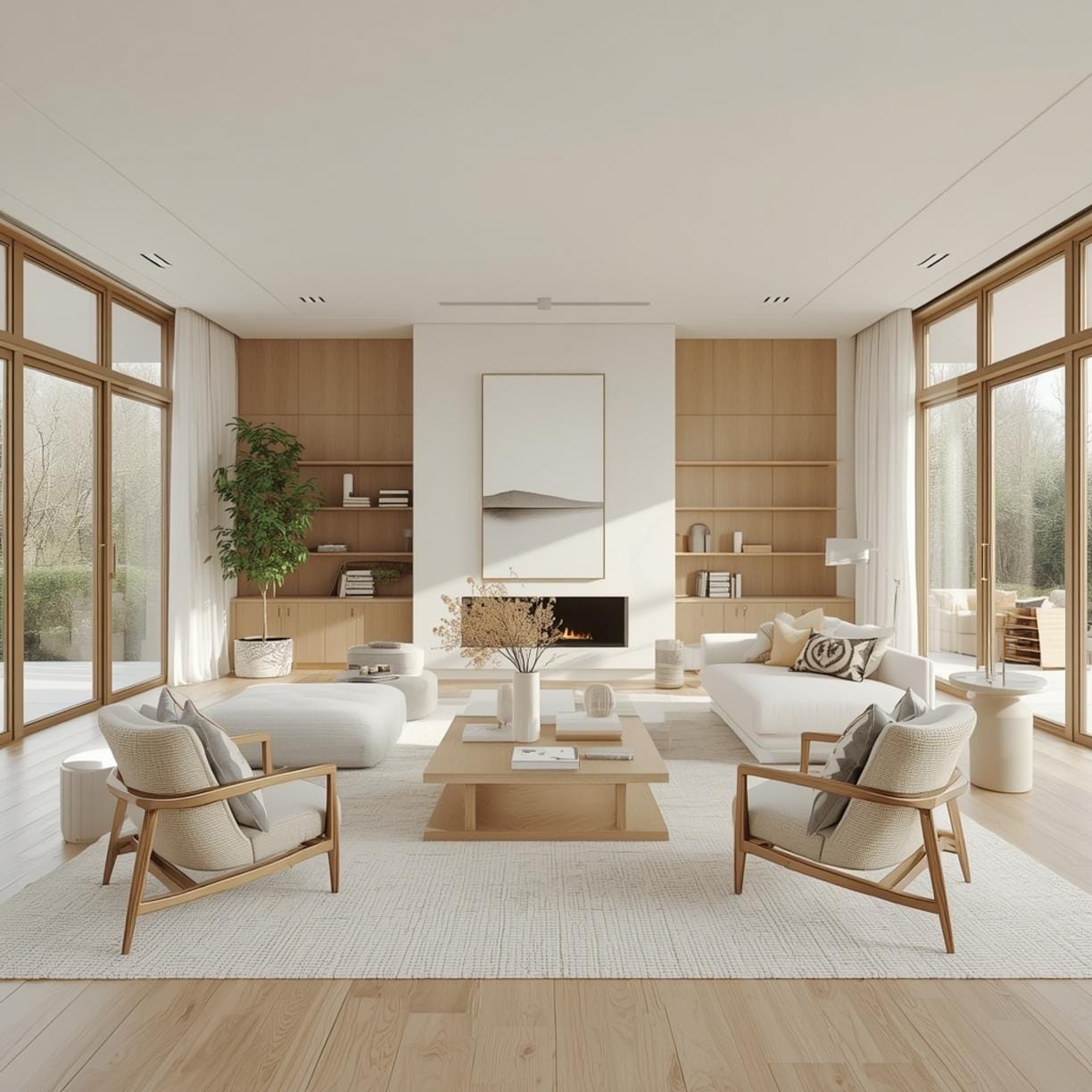
Transforming your dining space with wood furniture opens countless styling possibilities. These ideas work for various home styles and personal preferences.
Modern Farmhouse Charm: Pair a rustic reclaimed wood table with simple, streamlined chairs. The contrast between chunky, textured wood and clean-lined seating creates balanced visual interest. Add metal pendant lights and simple white dishes to complete this popular look.
Scandinavian Simplicity: Choose light ash or birch tables with minimal design details. Combine with matching chairs featuring organic curves and natural finishes. This approach celebrates wood’s natural beauty without fussy ornamentation, perfect for smaller spaces.
Traditional Elegance: Select rich cherry or mahogany sets with turned legs and upholstered chairs. These pieces anchor formal dining rooms and pair beautifully with crown molding, chandeliers, and classic table settings. This timeless approach never goes out of style.
Industrial Edge: Mix wood table tops with metal bases and legs. This combination suits loft-style homes and open-concept spaces. The warmth of wood softens industrial elements while maintaining contemporary appeal. How to maintain and refinish wooden dining tables becomes easier with these simpler designs featuring fewer ornate details to work around.
Coastal Casual: Weathered or whitewashed wood tables bring beachy vibes inland. Pair with mismatched seating in soft blues and whites. This relaxed approach works beautifully for families who prioritize comfort and casual entertaining.
Mid-Century Modern: Walnut tables with tapered legs and geometric lines capture this era’s distinctive style. Add molded chairs in complementary wood tones or contrasting upholstery. This look appeals to those who love retro style with contemporary function.
Eclectic Mix: Combine a wood table with completely different chair styles. This approach lets you express personality and adapt as tastes change. The wood table serves as a neutral foundation that ties diverse elements together.
Benefits of Choosing Wood Dining Sets
Wood dining furniture offers advantages that go far beyond simple aesthetics. Understanding these benefits helps you appreciate why wood remains the gold standard for dining rooms.
Durability stands as wood’s greatest practical advantage. Solid wood tables last generations when properly maintained. Unlike particleboard or veneer furniture that chips and delaminates, real wood can be repaired, refinished, and renewed multiple times throughout its life.
Investment value makes wood furniture financially smart. Quality wood pieces retain resale value and often appreciate as vintage items. You’re not just buying furniture but acquiring an asset that could become a family heirloom.
Environmental benefits appeal to eco-conscious homeowners. Sustainably harvested wood is renewable and biodegradable. Well-made wood furniture keeps items out of landfills far longer than cheap alternatives that break within years.
Health advantages matter more than many realize. Wood doesn’t off-gas harmful chemicals like some synthetic materials. Natural wood creates healthier indoor air quality, especially important in spaces where families gather for meals.
Emotional warmth transforms houses into homes. Wood’s natural grain patterns, color variations, and tactile qualities create psychological comfort that manufactured materials can’t replicate. This warmth encourages people to linger at the table, strengthening family connections.
Versatility across design changes makes wood incredibly practical. Paint your walls, update your lighting, or completely change your decor style—your wood table adapts beautifully. This flexibility protects your investment as your taste evolves.
Tips, Alternatives, and Styling Advice
Creating your perfect dining space doesn’t require breaking the bank. These options work across different budgets and space constraints.
Budget-Friendly Approach: Start with a solid wood table in a simple design, then mix in affordable seating. Pine or rubberwood tables offer durability at lower price points. Add character through textiles, place settings, and wall decor rather than expensive furniture pieces.
Mid-Range Sweet Spot: Invest in quality construction with oak or maple sets featuring good joinery and durable finishes. This range typically includes matching chairs and offers the best balance of quality, style, and value for most homeowners.
Premium Investment: Heirloom-quality pieces in walnut, cherry, or exotic woods with master craftsmanship justify higher costs. Hand-rubbed finishes, custom sizing, and superior construction mean these pieces truly last forever. Consider this option if you plan to stay in your home long-term.
Small Space Solutions: Drop-leaf or extension tables maximize flexibility without overwhelming compact rooms. Round pedestal tables seat more people in less space than rectangular four-leg designs. Wall-mounted benches save floor space while providing seating.
Rental-Friendly Options: Choose smaller sets that move easily between homes. Avoid built-in features or custom sizes that limit future placement options. Stick with classic styles that adapt to different decorating schemes.
Common Mistakes to Avoid
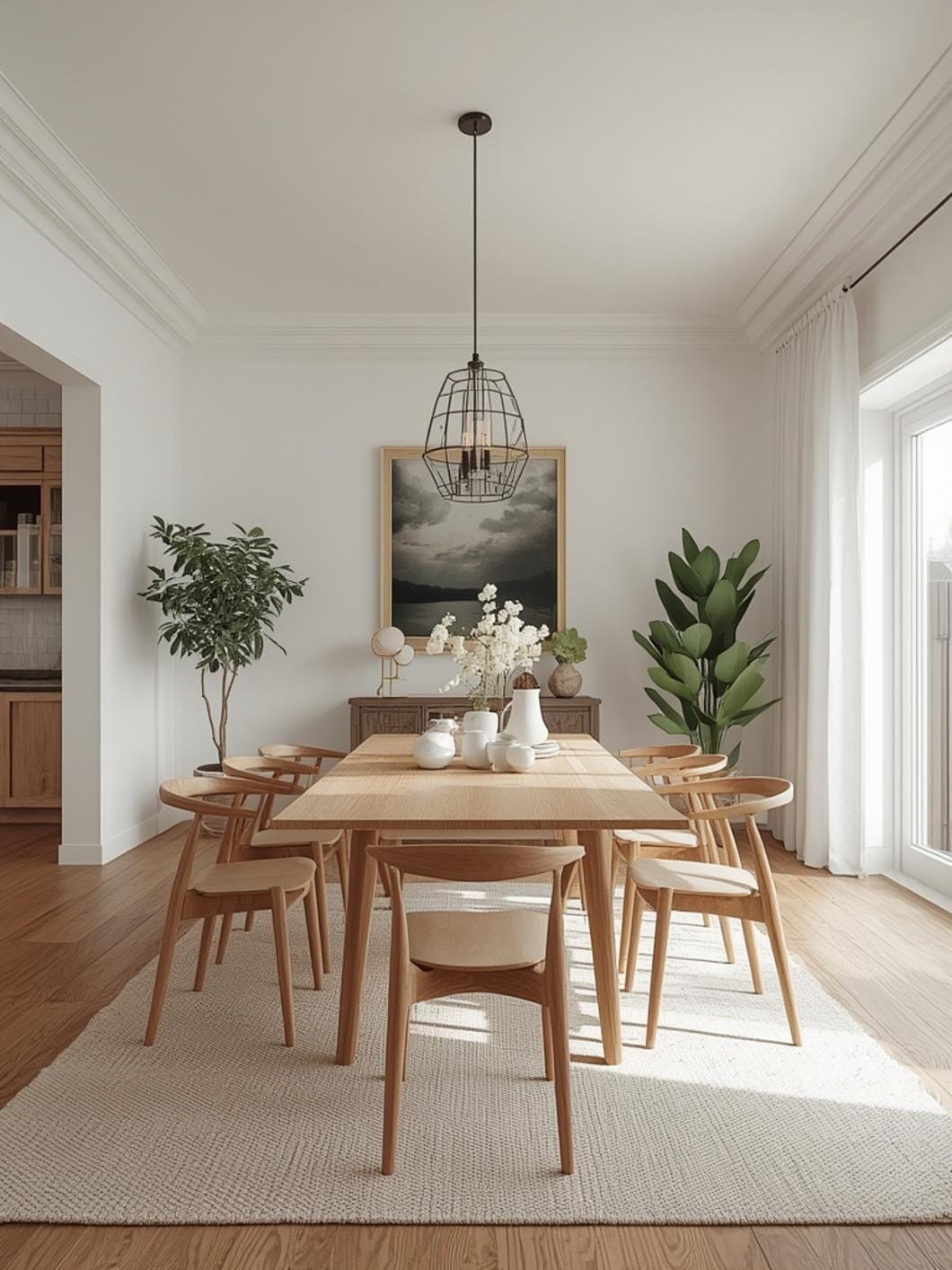
Even experienced homeowners make these common errors when selecting and caring for wood dining sets. Avoiding these pitfalls saves money and frustration.
Choosing size by eye alone: Tables that look perfect in showrooms often overwhelm actual dining rooms. Always measure your space carefully, allowing at least 36 inches of clearance around all sides for comfortable chair movement and traffic flow.
Ignoring daily lifestyle needs: Falling in love with delicate finishes when you have young children sets you up for disappointment. Choose durable finishes and practical styles that match your real life, not your aspirational Pinterest board.
Forgetting about table height: Standard dining tables sit 28-30 inches high, but not all chairs work at this height. Test the combination before purchasing, ensuring comfortable arm and leg positioning for your household members.
Skipping finish protection: Even durable wood benefits from placemats, coasters, and trivets during use. Implement these simple habits from day one rather than waiting until damage appears and repairs become necessary.
Neglecting humidity control: Wood expands and contracts with moisture changes in your home. Extreme fluctuations cause splitting, warping, and joint failure. Maintain consistent humidity levels between 35-55% for optimal wood furniture longevity.
Maintenance and Care for Lasting Beauty
Keeping wood dining sets beautiful requires consistent simple care rather than occasional intensive treatments. These practices become second nature quickly.
Daily maintenance takes just seconds. Wipe spills immediately with a soft, slightly damp cloth. Avoid letting liquids sit on wood surfaces, as moisture penetrates finishes over time and causes staining or warping.
Weekly cleaning keeps surfaces pristine. Use a microfiber cloth slightly dampened with water for routine dusting and light cleaning. For deeper cleaning, mix a few drops of mild dish soap in water, wring the cloth nearly dry, then wipe surfaces and dry immediately.
Monthly conditioning maintains finish integrity. Apply appropriate wood conditioner based on your finish type—oil-based for natural finishes, specialized products for polyurethane. This prevents drying and cracking while restoring subtle luster.
Seasonal deep cleaning addresses built-up grime in crevices and carved details. Use a soft-bristled brush to clean detailed areas, followed by thorough conditioning. This is also the perfect time to inspect for damage requiring professional attention.
Protection strategies prevent problems before they start. Use tablecloths for messy family dinners. Rotate decorative items regularly so sun exposure remains even. Place felt pads under centerpieces to prevent scratching from subtle movements.
Refinishing breathes new life into worn surfaces every 10-15 years. Sand surfaces lightly, clean thoroughly, then apply fresh finish coats. This process lets you change color or sheen while restoring protection and beauty.
Making Your Dining Space Your Own
Wood dining room table sets represent more than furniture—they’re the heart of your home where life happens. Whether you’re starting fresh or updating your current space, wood offers unmatched versatility, durability, and timeless appeal.
The perfect set balances your aesthetic preferences with practical considerations like household size, typical use patterns, and maintenance commitment. Take time to evaluate options carefully, test pieces in person when possible, and choose quality construction that serves your family for decades.
Ready to explore more inspiration for your dining space? Browse our collection of dining room ideas and design guides at DecorKingdom for more ways to create rooms you’ll love gathering in every single day.
Frequently Asked Questions
What type of wood is most durable for dining tables?
Oak and maple rank as the most durable hardwoods for dining tables due to their density and scratch resistance. Oak offers prominent grain character and exceptional strength, while maple provides a smoother, lighter appearance with similar durability. Both woods handle daily family use beautifully and respond well to refinishing when needed.
How much should I expect to spend on a quality wood dining set?
Quality solid wood dining sets with table and four chairs typically range from $800-$2,500 depending on wood type, construction quality, and size. Budget sets in pine or rubberwood start around $500, while premium hardwoods like walnut or cherry with superior craftsmanship can exceed $4,000. Mid-range options around $1,200-$1,800 offer the best value for most homeowners.
Can I mix different wood tones in my dining room?
Absolutely! Mixing wood tones creates visual interest and prevents overly matchy spaces. The key is ensuring enough contrast between pieces—pairing light ash with medium oak works better than combining two similar mid-tone woods. Repeat wood tones in at least two places in the room to create intentional cohesion rather than accidental mismatch.
How do I remove water rings from my wood dining table?
For light water rings on finished surfaces, try rubbing gently with a paste of baking soda and water, then wipe clean and apply wood polish. More stubborn rings may respond to a mixture of equal parts white vinegar and olive oil applied with a soft cloth. For severe damage or rings on unfinished wood, professional refinishing may be necessary.
What size dining table fits a room that’s 10×12 feet?
A 10×12 room comfortably accommodates a table up to 42×66 inches, seating six people with proper clearance for chairs and movement. Round tables up to 48 inches diameter also work well in this space. Always leave at least 36 inches between the table edge and walls or furniture to ensure comfortable chair access and traffic flow around the dining area.
—
Meta Title: Wood Dining Room Table Sets: Complete Guide 2026
Meta Description: Find the perfect wood dining room table sets for your home. Expert tips on styles, maintenance, and choosing durable pieces that last generations.