Vintage vs Retro Kitchen Lighting: Which Suits Your Home
You’ve been scrolling through kitchen inspiration photos again, haven’t you? One minute you’re drawn to an elegant fixture with patina and character, and the next you’re loving a bold, colorful piece that screams 1970s charm. The confusion between Vintage vs Retro Kitchen Lighting is completely normal, and honestly, most people use these terms interchangeably without realizing they’re actually quite different.
Table of Contents
Understanding the distinction matters more than you might think. Choosing the wrong style for your kitchen’s overall design can make your beautiful new light fixture feel out of place, no matter how gorgeous it looks in the product photo.
Let’s clear up the confusion so you can confidently select lighting that makes your kitchen feel authentically you, not like you copied someone else’s homework.
What You’re Actually Comparing
When shopping for kitchen lighting, you’re comparing authentic period pieces and their reproductions against designs that deliberately reference past eras with a modern twist.
Vintage lighting refers to genuine fixtures from past decades, typically 20 to 100 years old. These are actual lights that hung in someone’s home during the 1920s through the 1980s. You’ll find them at architectural salvage shops, estate sales, and specialized vintage dealers. Each piece carries authentic wear, original materials, and true period construction methods.
Retro lighting means newly manufactured fixtures designed to evoke the look and feel of past decades. These are modern reproductions made with current materials and wiring that happen to look old. Manufacturers create these pieces specifically for homeowners who want the aesthetic without the hunting or potential complications of actual antiques.
The materials tell the story immediately. Vintage pieces feature genuine brass that’s naturally tarnished, milk glass that’s slightly cloudy with age, porcelain sockets with period-correct markings, and cloth-covered cords that show their years. You might spot manufacturer stamps from companies that no longer exist.
Retro pieces use new brass finished to look aged, reproduction glass designed to mimic vintage opacity, modern ceramic components styled to look historical, and contemporary wiring wrapped in vintage-style cloth. Everything is deliberately manufactured to suggest age without actually having it.
How to Decide Before You Buy
Your decision timeline depends entirely on which route you choose and what your kitchen renovation schedule looks like.
Shopping for vintage lighting requires patience and flexibility. You might spend weeks or months hunting for the perfect piece that matches your vision. Estate sales happen on weekends, salvage shops require in-person visits to assess condition, and online vintage sellers often have limited inventory. Plan at least 4-8 weeks of active searching if you want specific styles or multiple matching fixtures.
Budget considerations differ significantly too. Vintage pieces range wildly from $50 for simple fixtures at estate sales to $500+ for rare or highly sought-after designs. You’ll likely need to factor in rewiring costs since most vintage fixtures require electrical updates for safety. Cleaning and restoration add another layer of expense.
Retro lighting simplifies the entire process. You can order exactly what you want today and have it delivered within a week. Prices are predictable, starting around $80 for basic pendants and ranging to $400 for statement pieces. Everything arrives ready to install with modern, safe wiring that meets current electrical codes.
Consider your kitchen’s existing style carefully. Vintage works beautifully in genuinely old homes where authentic character matters, in farmhouse kitchens where history adds warmth, and in eclectic spaces where mixing eras creates personality. Retro shines in modern kitchens that need a nostalgic accent, in renovations where everything else is new, and when you need matching sets of multiple fixtures.
Think about your commitment level honestly. Are you someone who thrives on the treasure hunt, or do you prefer clicking “add to cart” and moving on with your life? Neither answer is wrong, but it absolutely affects which direction you should go.
Side-by-Side Comparison

Installation and Safety Requirements
Vintage fixtures almost always need professional rewiring before installation. The old wiring is rarely up to current safety codes, and many vintage pieces weren’t grounded properly by original standards. You’re looking at an additional $75-150 per fixture for this work, and you absolutely shouldn’t skip it.
Retro fixtures plug into your existing electrical setup immediately. They come with modern wiring, proper grounding, and often UL certification right out of the box. A confident homeowner can usually install these with basic tools and the manufacturer’s instructions.
Authenticity and Character
Nothing beats genuine vintage for authentic character. The vintage kitchen pendant lights you find at salvage shops carry real history. Minor imperfections, slight variations in the finish, and original manufacturer details create visual interest you simply cannot replicate. Each piece is truly one-of-a-kind.
Retro pieces offer consistent quality and finish. Every fixture in a set matches perfectly because they rolled off the same production line. They look authentically vintage from five feet away, though collectors can spot the difference up close. For most homeowners, this distinction doesn’t matter at all.
Availability and Selection
Vintage shopping means working with whatever you can find. You might discover the perfect schoolhouse pendant but only find one when you need three. Matching sets are rare treasures, and specific styles from particular decades require serious hunting time.
Retro options give you unlimited choices. Want five identical fixtures? Order them. Need a specific size or finish? Filter by specifications and find exactly that. Customer service exists if something arrives damaged, and returns are straightforward.
Longevity and Durability
Vintage fixtures have already proven they can last decades. The materials and construction quality from earlier manufacturing eras often exceeds modern standards. However, replacement parts can be impossible to find if something breaks.
Retro fixtures are brand new, so their longevity is still being proven. Most quality manufacturers offer warranties, and replacement parts are available while the product line remains in production. Modern LED compatibility also means less bulb changing and lower energy costs over time.
Cost Breakdown Over Time
Vintage involves higher upfront effort and variable costs. The fixture itself might be $150, rewiring adds $100, and cleaning supplies cost $20. You’ve invested $270 plus countless hours of searching, but you own something genuinely special.
Retro simplifies everything. A comparable pendant costs $180, arrives ready to use, and installs in an afternoon. You’ve spent less money and far less time, though you’ve sacrificed some authenticity and uniqueness.
Benefits of Each Approach
Choosing vintage lighting brings irreplaceable character into your kitchen that new pieces simply cannot match. Opening salvage shop doors and discovering a perfect 1940s pendant creates stories you’ll share at dinner parties for years.
The environmental benefit matters too. Reusing beautiful old fixtures instead of sending them to landfills aligns with sustainable living values. You’re preserving history while reducing demand for new manufacturing.
Vintage works especially well if you’re restoring a period home and want everything to feel cohesive. When your house actually dates from the 1920s, authentic 1920s lighting just makes sense in a way reproduction never will.
Going the retro route eliminates stress from your renovation timeline. You know exactly what you’re getting, when it will arrive, and how it will look. This predictability matters enormously when you’re coordinating contractors, appliance deliveries, and your family’s daily life.
Retro fixtures work with modern dimmer switches, smart home systems, and LED bulbs without any modifications. The convenience of contemporary technology wrapped in vintage aesthetics gives you the best of both worlds.
You’ll also sleep better knowing everything meets current safety standards. No questions about old wiring, no concerns about insurance implications, just properly certified lighting doing its job.
Style Tips and Budget Options
Budget-friendly vintage hunting happens at estate sales in less trendy neighborhoods. Arrive early, bring cash, and be ready to negotiate. Simple porcelain fixtures often sell for $20-40 and clean up beautifully. For retro options, check big-box hardware stores for their vintage-inspired collections, where basic pendants start around $60.
Mid-range approaches offer the sweet spot for most homeowners. Architectural salvage shops curate better vintage pieces in the $150-250 range, often already cleaned and assessed for condition. Retro shoppers find excellent online retailers specializing in period-accurate reproductions with quality materials and finishes for $180-300 per fixture.
Premium vintage means working with specialized dealers who source rare pieces and handle all restoration work. Expect $500+ for museum-quality fixtures with guaranteed authenticity. High-end retro comes from artisan manufacturers who hand-finish each piece and offer customization options, running $400-800 but delivering heirloom-quality results
For small kitchens, choose one statement vintage or retro fixture rather than multiple pieces. A single gorgeous pendant over your island creates impact without overwhelming the space. Look for fixtures in the 10-12 inch diameter range that provide presence without consuming visual real estate.
Common Mistakes to Avoid
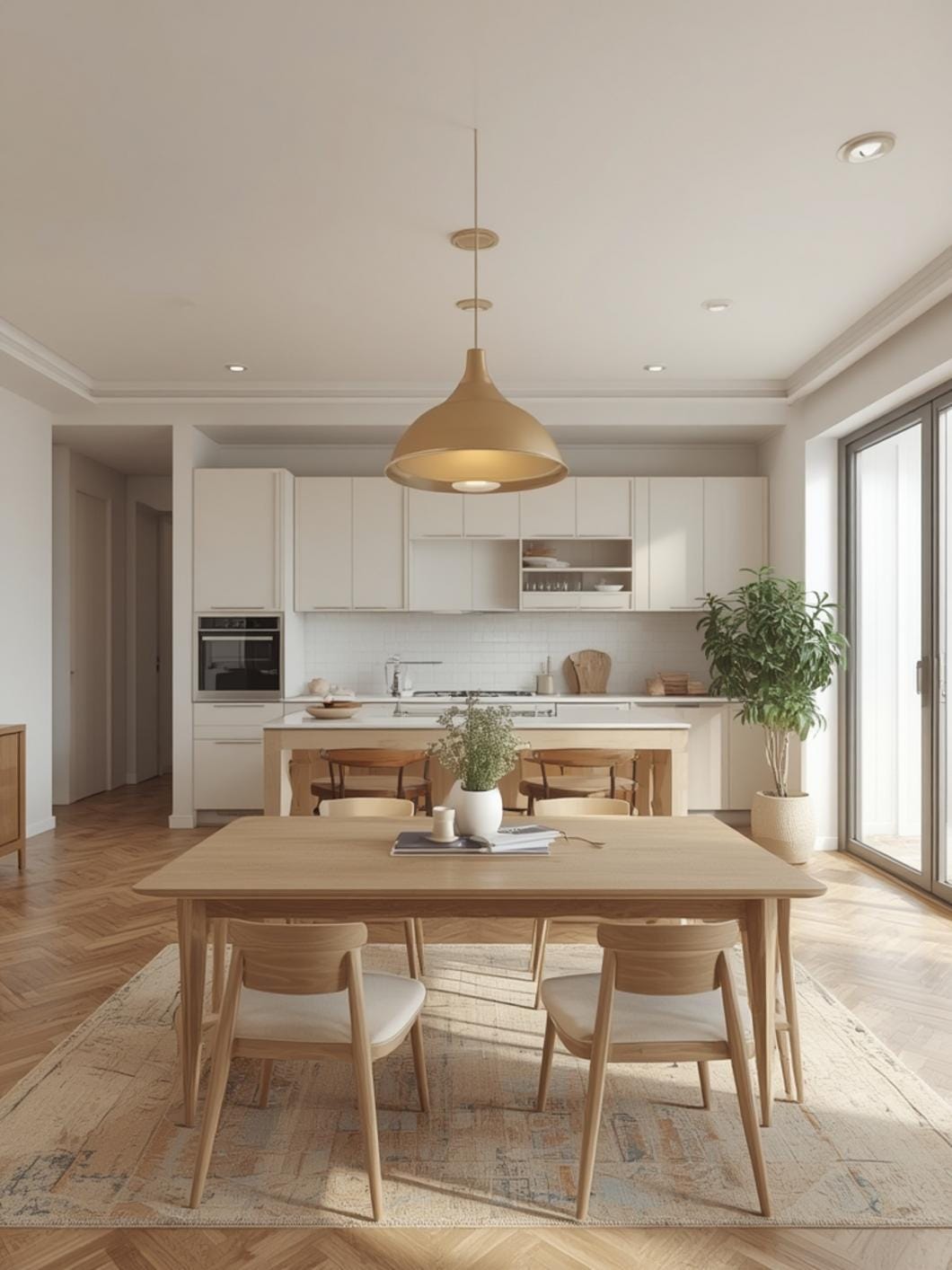
Many homeowners buy vintage lighting without checking if it can be safely rewired. Always photograph the socket and wiring before purchasing, then show these images to an electrician who can confirm whether restoration is possible and worth the cost.
Another frequent mistake is mixing too many different eras in one kitchen. Pairing a 1920s schoolhouse pendant with 1970s globe lights creates confusion rather than charm. Stick to fixtures from the same general period, even when mixing vintage and retro pieces.
People often forget to measure ceiling height before buying vintage fixtures with long chains or stems. That gorgeous chandelier might hang perfectly in a 1920s home with 10-foot ceilings but will dominate your 8-foot kitchen uncomfortably. Always measure twice and account for the fixture’s total hanging length.
Assuming all vintage lighting works with modern LED bulbs is a costly error. Some vintage fixtures can’t handle LED heat distribution or require specific bulb bases that aren’t LED-compatible. Verify bulb compatibility before purchase or budget for professional modification.
The biggest mistake is choosing style over function. That incredibly cool 1960s fixture might not provide enough light for food prep, no matter how perfect it looks. Make sure your lighting choices actually illuminate your work surfaces adequately, not just photograph well.
Keeping Your Lighting Beautiful
Vintage fixtures need gentle care to preserve their patina and character. Dust them weekly with a soft, dry cloth to prevent buildup in crevices. For deeper cleaning, use barely damp cloths and avoid any harsh chemicals that might damage original finishes or remove desirable aged character.
Check vintage wiring connections annually, even after professional rewiring. Look for any signs of heat discoloration around sockets or loose connections. If you spot anything concerning, call your electrician immediately rather than waiting.
Retro fixtures require less special handling but still benefit from regular attention. Clean glass shades monthly with standard glass cleaner to maintain their shine. Metal finishes appreciate occasional wiping with appropriate metal polish to prevent any tarnishing, though many retro finishes are specifically designed to need minimal maintenance.
Replace bulbs promptly in both vintage and retro fixtures. Leaving burned-out bulbs in place can sometimes cause socket damage over time. This is especially important in vintage fixtures where replacement sockets might be difficult to source.
For both styles, ensure your fixtures stay properly secured to their mounting. Vibration from daily kitchen activity can gradually loosen connections. Quickly tighten any loose screws or mounting hardware the moment you notice wobbling.
Finding Your Perfect Kitchen Style
The choice between vintage and retro kitchen lighting ultimately comes down to your personal priorities and circumstances. Neither option is inherently better than the other.
Choose vintage when you value authenticity, enjoy the hunt, and want lighting with genuine history. Choose retro when you prioritize convenience, need matching sets, or prefer predictable timelines and costs.
Many homeowners successfully mix both approaches, using vintage for a standout piece over the island while retro fixtures handle task lighting. The key is maintaining consistent style references across all your choices.
Ready to explore more ways to bring character into your kitchen? DecorKingdom offers endless inspiration for creating spaces that feel both timeless and perfectly you.
FAQs
Can I install vintage kitchen lighting myself or do I need an electrician?
You absolutely need a licensed electrician to rewire vintage fixtures before installation. The old wiring rarely meets modern safety codes and attempting DIY electrical work on vintage pieces creates serious fire and shock hazards. After professional rewiring, the actual hanging and mounting can sometimes be done yourself if you’re comfortable with basic home improvement tasks.
How can I tell if a light fixture is truly vintage or just made to look old?
Check for manufacturer stamps or labels with company names, patent dates, or model numbers from defunct companies. Genuine vintage shows natural wear patterns rather than artificially distressed finishes. The wiring will be cloth-covered in period-appropriate colors, and materials like brass will have authentic patina rather than applied aging. When in doubt, ask the seller for provenance or manufacturing details.
Do vintage kitchen lights work with LED bulbs?
Many vintage fixtures can accommodate LED bulbs after proper rewiring, but not all. The key factors are socket type, heat dissipation design, and fixture construction. Your electrician can assess whether a specific vintage piece will safely work with LEDs during the rewiring process. Some vintage designs actually work better with traditional Edison-style LED bulbs that mimic the old filament look.
Where’s the best place to find vintage kitchen lighting on a budget?
Estate sales in older neighborhoods consistently offer the best deals, especially if you arrive during the final hours when sellers want to clear out remaining items. Local architectural salvage shops sometimes have “as-is” sections with fixtures needing minor repairs at significant discounts. Online marketplaces work too, but factor in shipping costs which can erase any savings on lighting fixtures.
Will mixing vintage and retro lighting in the same kitchen look weird?
Not if you maintain consistent style references across all fixtures. Choose pieces from the same general era and with similar design language, just with different sourcing. A genuine 1950s pendant works beautifully alongside retro 1950s-inspired sconces when the design elements complement each other. Avoid mixing wildly different decades or styles, which creates visual confusion rather than curated character.
—
Meta Title: Vintage vs Retro Kitchen Lighting Guide 2026
Meta Description: Confused about Vintage vs Retro Kitchen Lighting? Learn the key differences, costs, and which style actually works for your kitchen renovation.