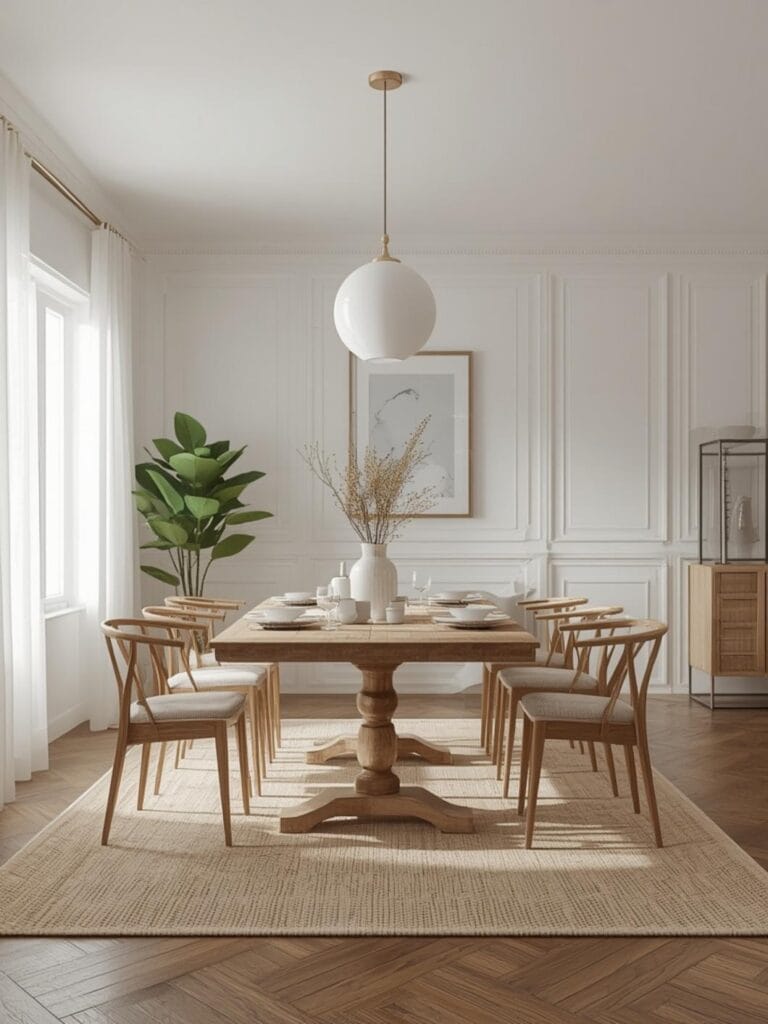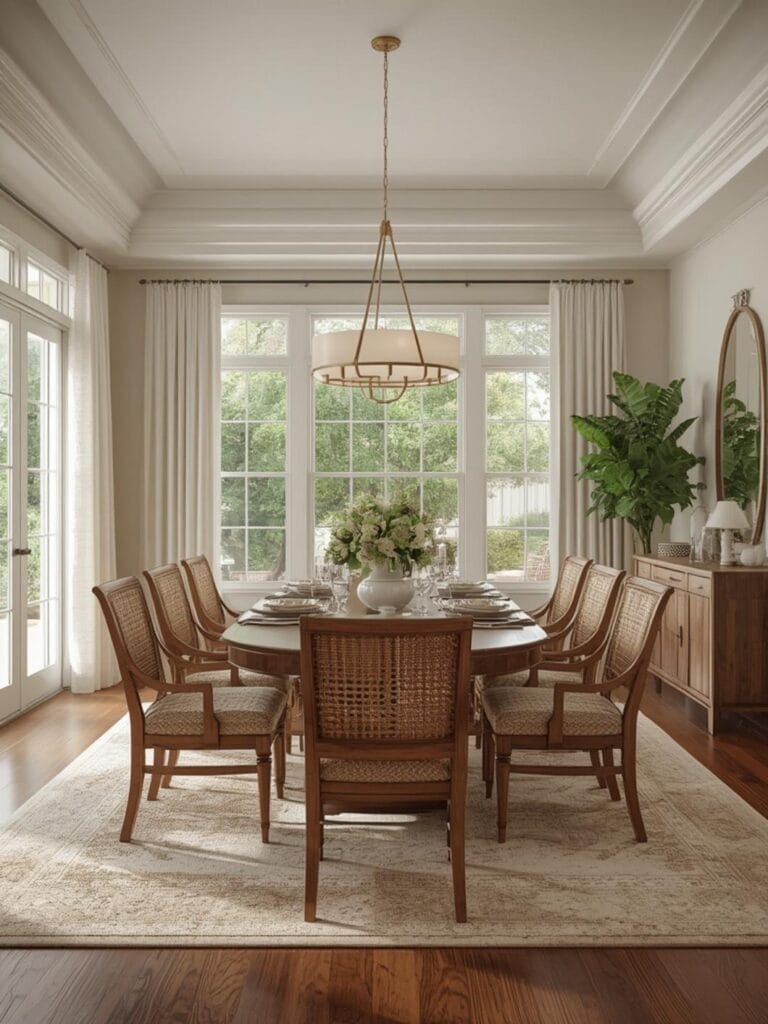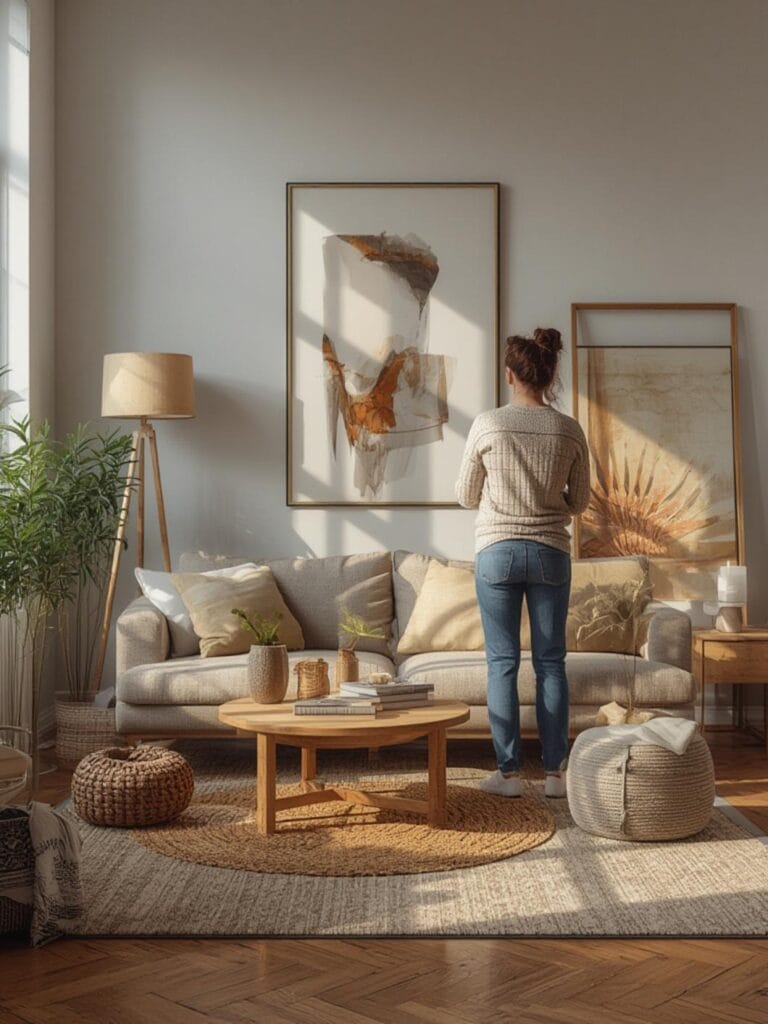
best with 7 top kitchen lighting trends 2026
The kitchen has evolved from a purely functional space into the heart of the home—a place where families gather, culinary creativity flourishes, and memories are made. As we approach 2026, lighting design has become more than just a practical necessity; it’s a powerful tool that transforms ambiance, enhances functionality, and showcases your personal style. The Top Kitchen Lighting Trends 2026 reflect a perfect marriage of cutting-edge technology, sustainable practices, and sophisticated aesthetics that cater to modern lifestyles.
Table of Contents
Whether you’re planning a complete kitchen renovation or simply looking to refresh your space, understanding the latest innovations in Kitchen pendant lights 2026 and complementary lighting solutions will help you create a kitchen that’s both beautiful and highly functional. This comprehensive guide will walk you through everything you need to know about implementing these trending lighting designs, from selecting the perfect fixtures to installation tips that ensure your kitchen becomes the showpiece of your home.
Materials & Decor Elements
To successfully implement the Top Kitchen Lighting Trends 2026, you’ll need to gather the right materials and fixtures. Here’s a comprehensive list:
Lighting Fixtures:
– LED pendant lights with adjustable color temperature (2700K-5000K range)
– Linear suspension lights for kitchen islands
– Recessed lighting with smart dimmers
– Under-cabinet LED strip lights
– Accent lighting for display cabinets
– Statement chandeliers or sculptural fixtures
– Track lighting systems with adjustable heads
Materials and Finishes:
– Matte black or brushed brass fixture finishes
– Natural materials like rattan, bamboo, or woven textiles
– Frosted or textured glass shades
– Sustainable materials (recycled metals, reclaimed wood accents)
– Smart bulbs with WiFi connectivity
Tools and Accessories:
– Wire strippers and electrical tape
– Voltage tester
– Ladder or step stool
– Screwdriver set
– Wire nuts and junction boxes
– Dimmer switches (smart-enabled preferred)
– Smartphone or tablet for smart lighting setup
Supporting Decor Elements:
– Reflective backsplash materials to maximize light distribution
– Light-colored cabinetry or paint
– Metallic hardware that complements fixture finishes
Timing / Project Planning
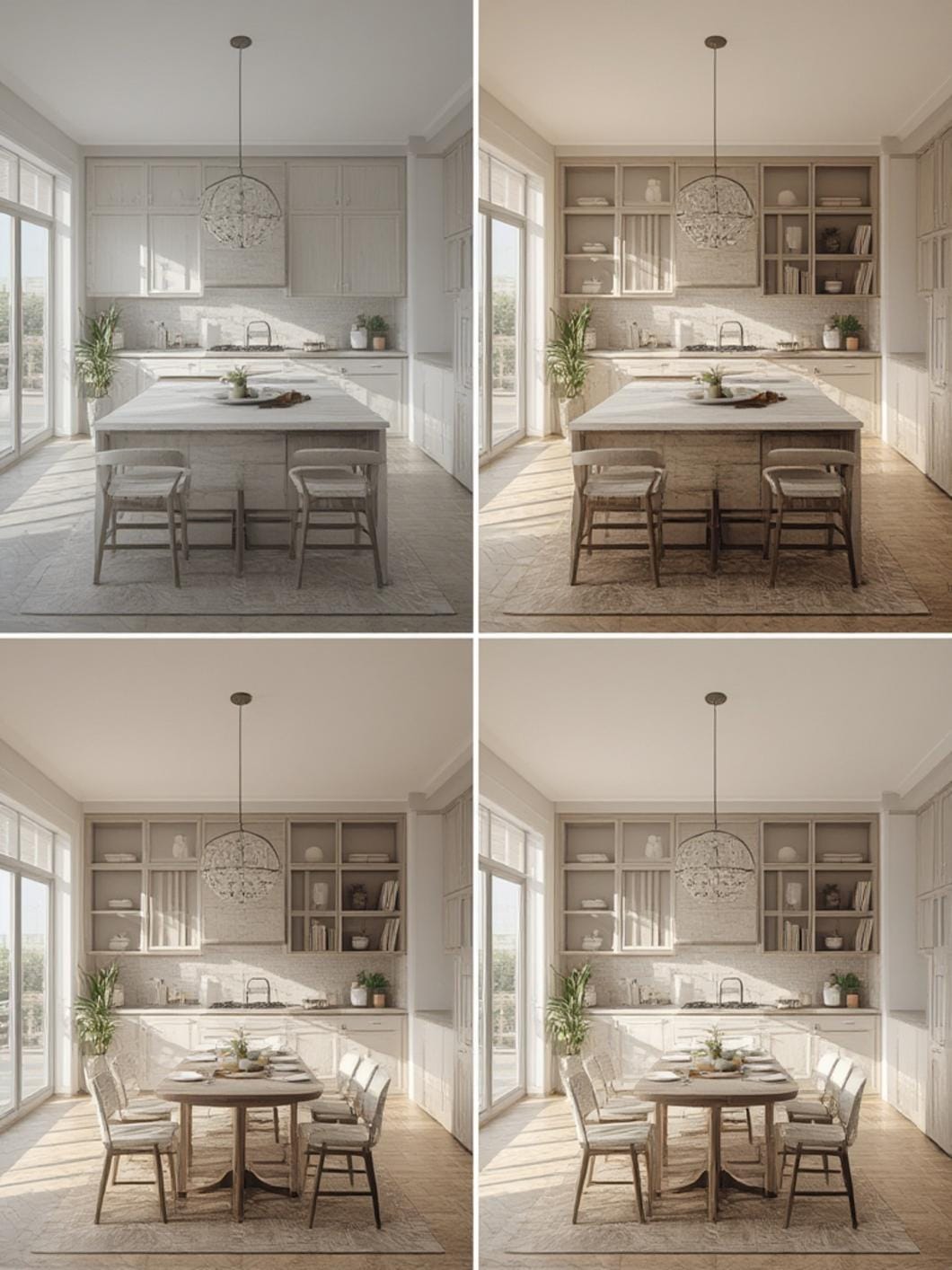
Proper planning ensures your kitchen lighting transformation goes smoothly and delivers the results you envision.
Preparation Phase (1-2 weeks):
– Research and select lighting fixtures that match your style and budget
– Measure your kitchen dimensions and ceiling height
– Evaluate existing electrical infrastructure and determine if upgrades are needed
– Create a lighting layout plan marking task, ambient, and accent lighting zones
– Order fixtures and materials, allowing extra time for custom or specialty items
– Schedule an electrician consultation if required for hardwired installations
Installation Timeline:
– Simple fixture replacements: 2-4 hours
– Complete kitchen lighting renovation with multiple fixture types: 1-2 days
– Smart lighting system integration and programming: Additional 2-4 hours
– Professional installation for complex electrical work: 1-3 days
Best Time to Execute:
Consider undertaking this project during spring or fall when natural daylight hours allow you to work comfortably. If coordinating with other kitchen renovations, install lighting fixtures toward the end of the project after painting and cabinetry are complete but before final styling.
Step-by-Step Instructions
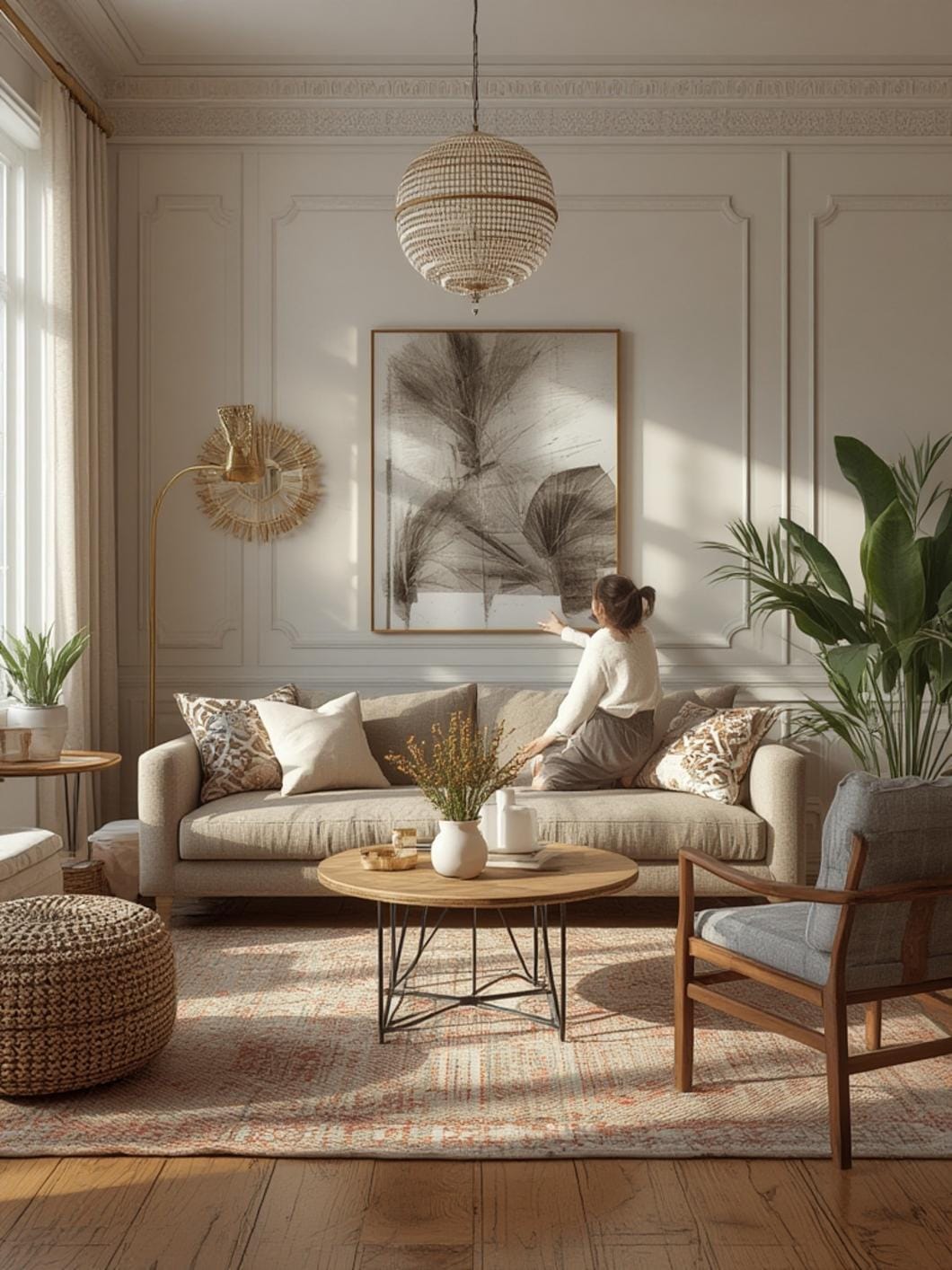
Follow these detailed steps to successfully implement the Top Kitchen Lighting Trends 2026 and integrate stunning Kitchen pendant lights 2026 into your space:
Step 1: Assess Your Kitchen Lighting Needs
Begin by evaluating how you use your kitchen. Identify work zones (prep areas, cooking stations), gathering spaces (island seating, breakfast nooks), and display areas (open shelving, glass cabinets). Measure the distance from your ceiling to countertops—pendant lights should typically hang 30-36 inches above islands or tables.
Step 2: Create a Layered Lighting Plan
The most successful kitchen lighting designs incorporate three layers: ambient (general overhead lighting), task (focused work area illumination), and accent (decorative or highlighting fixtures). Sketch a ceiling plan showing fixture placements, ensuring even light distribution without dark corners.
Step 3: Install Ambient Lighting Foundation
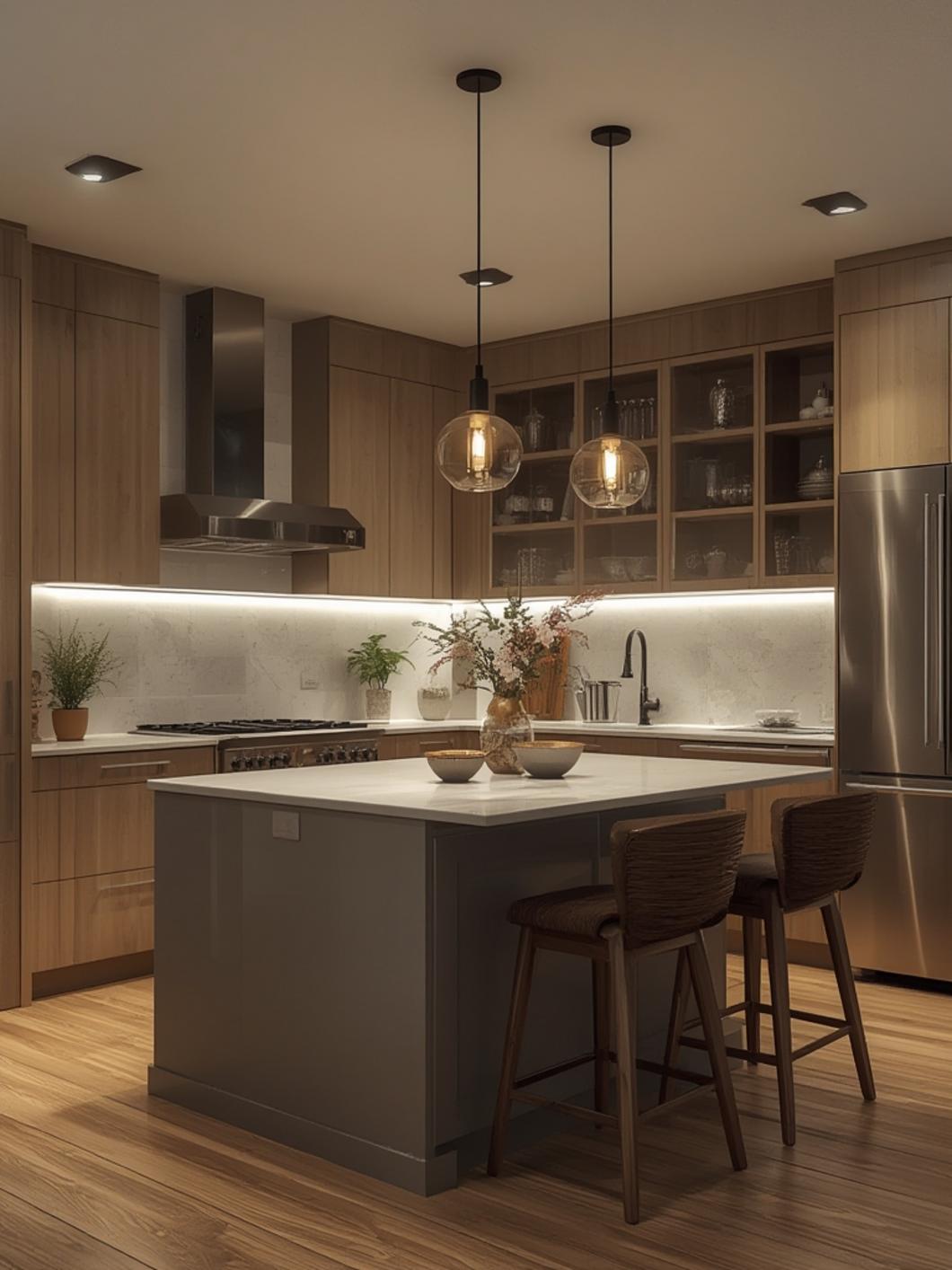
Start with your primary light source. Install recessed LED lights in a grid pattern, spacing them 4-6 feet apart for even coverage. Modern trends favor slimline, low-profile fixtures that blend seamlessly with ceiling architecture. Use warm white bulbs (2700K-3000K) for a welcoming atmosphere or tunable white LEDs that adjust throughout the day.
Step 4: Add Statement Pendant Lights
This is where the 2026 trends truly shine. Install two to three pendant lights over your kitchen island, spacing them evenly. Popular styles include organic shapes inspired by nature, geometric designs with mixed materials, and oversized single pendants that make bold statements. Ensure the bottom of pendants sits at the proper height—approximately eye level when standing.
Step 5: Integrate Task Lighting
Install under-cabinet LED strips to illuminate countertops and eliminate shadows in work zones. The 2026 trend embraces seamless, invisible fixtures that tuck beneath cabinets without visible hardware. Use adhesive-backed strips with touch or motion sensors for modern convenience.
Step 6: Incorporate Accent Lighting
Add drama with in-cabinet lighting for glass-fronted cupboards or open shelving. Install miniature puck lights or slim LED strips to showcase dishware, glassware, or decorative items. Toe-kick lighting along cabinet bases creates a floating effect that’s particularly popular in contemporary designs.
Step 7: Install Smart Controls
Replace standard switches with smart dimmers that allow you to control brightness and color temperature via smartphone apps or voice commands. Create lighting scenes for different activities—bright task lighting for cooking, softer ambient settings for dining, and accent-focused modes for entertaining.
Step 8: Test and Adjust
Once installed, test all fixtures at different times of day. Adjust dimmer settings, reposition adjustable fixtures, and fine-tune color temperatures to achieve your desired ambiance. Make sure no harsh shadows fall across work surfaces.
Benefits / Advantages
Embracing the latest kitchen lighting trends offers numerous advantages that extend beyond mere aesthetics:
Enhanced Functionality: Properly layered lighting eliminates shadows and dark corners, making food preparation safer and more efficient. Task-specific lighting reduces eye strain during detailed work like chopping or reading recipes.
Energy Efficiency: Modern LED fixtures consume up to 75% less energy than traditional bulbs while lasting 25 times longer. Smart systems optimize usage by automatically adjusting based on natural light availability and occupancy.
Increased Home Value: Updated kitchen lighting is a high-impact, relatively affordable upgrade that significantly boosts your home’s appeal to potential buyers. Contemporary fixtures signal that a home has been well-maintained and thoughtfully designed.
Mood Enhancement: Adjustable lighting allows you to transform your kitchen’s atmosphere instantly. Bright, cool-toned light energizes morning routines, while warm, dimmed lighting creates intimate settings for evening gatherings.
Aesthetic Impact: Statement fixtures like sculptural pendants become functional art pieces that define your kitchen’s character. The 2026 trends emphasize personalization, allowing you to express your unique style through lighting choices.
Health and Wellness: Tunable white lighting that mimics natural daylight patterns supports circadian rhythms, improving sleep quality and overall wellbeing. This biophilic design approach connects indoor spaces with natural cycles.
Tips, Alternatives, Styling Advice
Budget-Friendly Alternatives:
If complete fixture replacement isn’t feasible, consider these cost-effective updates:
– Replace just the most visible fixtures (pendants over the island) with trendy designs
– Upgrade to smart bulbs in existing fixtures for color temperature control
– Add affordable under-cabinet LED strips for immediate impact
– Paint existing fixture frames in trending finishes like matte black or brass
Small Kitchen Solutions:
Maximize light in compact spaces without overwhelming the area:
– Choose translucent or glass pendant shades that don’t visually obstruct sightlines
– Install slim-profile recessed fixtures rather than bulky ceiling-mounted options
– Use mirrors or reflective backsplashes to amplify available light
– Select multi-functional fixtures like pendant lights with adjustable height mechanisms
Style Variations:
Adapt trends to match your kitchen aesthetic:
– Modern Minimalist: Opt for geometric pendants in monochromatic finishes with clean lines
– Rustic Farmhouse: Choose fixtures with natural materials, Edison bulbs, and distressed metal finishes
– Industrial Chic: Install exposed bulb fixtures, metal cage pendants, and track lighting
– Transitional Elegance: Blend traditional shapes with contemporary finishes like mixed metals
– Coastal Contemporary: Select fixtures with woven textures, soft blues, or driftwood accents
Color Temperature Guidance:
– Warm White (2700K-3000K): Creates cozy, inviting atmosphere; ideal for dining areas
– Neutral White (3500K-4000K): Balances warmth and clarity; versatile for most kitchens
– Cool White (5000K+): Provides crisp, energizing light; best for task-focused zones
Mixing Fixture Styles:
Don’t feel constrained to matching sets. The 2026 trend embraces thoughtful eclecticism—combine different fixture types while maintaining cohesion through repeated finishes, shapes, or materials.
Common Mistakes to Avoid
Steer clear of these frequent pitfalls when updating your kitchen lighting:
Mistake 1: Insufficient Lighting Layers
Problem: Relying solely on one overhead fixture creates harsh shadows and uneven illumination.
Solution: Always incorporate ambient, task, and accent lighting for balanced coverage.
Mistake 2: Incorrect Pendant Height
Problem: Hanging pendants too high reduces their effectiveness; too low obstructs views and movement.
Solution: Maintain 30-36 inches between pendant bottom and countertop surface.
Mistake 3: Overlooking Color Temperature
Problem: Mixing incompatible color temperatures creates a disjointed, uncomfortable appearance.
Solution: Stick to consistent color temperature ranges throughout connected spaces, or use tunable fixtures.
Mistake 4: Ignoring Dimming Capabilities
Problem: Fixed-brightness lighting lacks versatility for different activities and times of day.
Solution: Install dimmer switches on all controllable fixtures for maximum flexibility.
Mistake 5: Poor Fixture Scaling
Problem: Choosing fixtures that are too small makes them appear insignificant; oversized options overwhelm the space.
Solution: Follow the formula: island length (in inches) minus 12, divided by number of pendants equals ideal fixture width.
Mistake 6: Neglecting Bulb Quality
Problem: Cheap LED bulbs produce flickering, poor color rendering, or premature failure.
Solution: Invest in high-CRI (Color Rendering Index 90+) bulbs from reputable manufacturers.
Mistake 7: DIY Electrical Work Without Expertise
Problem: Improper wiring poses serious safety hazards including fire risk and electrical shock.
Solution: Hire licensed electricians for anything beyond simple fixture swaps on existing circuits.
Maintenance / Upkeep Tips
Preserve the beauty and functionality of your trendy kitchen lighting with these maintenance practices:
Regular Cleaning Schedule:
– Weekly: Wipe accessible fixture surfaces with microfiber cloths to prevent dust buildup
– Monthly: Clean pendant shades and globes with appropriate cleaners (glass cleaner for glass, damp cloth for fabric or metal)
– Quarterly: Dust recessed fixtures and clean protective lenses
– Annually: Deep clean all fixtures, checking mounting hardware for security
Bulb Maintenance:
Replace LED bulbs when they begin dimming noticeably (typically after 15,000-50,000 hours depending on quality). Keep spare bulbs that match your color temperature preferences. Document bulb specifications for easy reordering.
Smart System Updates:
Regularly update smart lighting firmware and apps to maintain security and access new features. Review and adjust automated scenes seasonally as daylight patterns change.
Hardware Checks:
Inspect pendant suspension systems, ceiling canopies, and mounting brackets annually. Tighten any loosened screws or connections. Check that fixture weights haven’t stressed mounting points.
Finish Protection:
Different finishes require specific care:
– Matte Black: Avoid abrasive cleaners; use soft cloths with mild soap
– Brass/Gold: Prevent tarnishing with specialty metal polishes designed for your specific finish
– Chrome/Stainless: Use stainless steel cleaners to prevent water spots and fingerprints
Professional Servicing:
Schedule electrical inspections every 3-5 years to ensure all connections remain safe and code-compliant, particularly important for older homes with updated lighting systems.
Conclusion
The Top Kitchen Lighting Trends 2026 represent an exciting evolution in how we illuminate and experience our most important gathering spaces. By thoughtfully combining statement-making Kitchen pendant lights 2026 with functional task lighting and ambient illumination, you create a kitchen that’s not only beautiful but perfectly suited to modern living. The trends we’ve explored—from sustainable materials and smart technology integration to bold sculptural designs and biophilic lighting solutions—offer something for every style preference and budget. Remember that successful kitchen lighting isn’t about following trends blindly, but rather selecting elements that enhance your specific space and lifestyle. Whether you’re drawn to minimalist geometric pendants, organic nature-inspired fixtures, or high-tech tunable systems, the key lies in creating multiple lighting layers that work harmoniously together.
Now is the perfect time to transform your kitchen with these forward-thinking lighting solutions. Start by evaluating your current setup, identifying which trends resonate with your vision, and creating a realistic implementation plan. Don’t hesitate to consult with lighting designers or electricians for complex installations—professional guidance ensures safety and optimal results. Your kitchen deserves lighting that makes every moment spent there more enjoyable, from energizing breakfast preparations to intimate evening conversations. Take the first step today toward a brilliantly lit kitchen that reflects both current design excellence and your personal style. Share your lighting transformation journey with us in the comments, and don’t forget to subscribe for more innovative home design ideas that keep your spaces fresh and inspiring!
FAQs
Q1: What is the most popular kitchen lighting trend for 2026?
Sculptural pendant lights featuring organic shapes, mixed materials (like wood with metal), and oversized proportions are dominating 2026 kitchen designs. These statement fixtures serve as functional art pieces while providing excellent task lighting over islands and dining areas.
Q2: How many pendant lights should I install over my kitchen island?
The general rule is to use one pendant for every 24-30 inches of island length. For a 6-foot island, two to three pendants work well. Ensure 30-36 inches spacing between pendants and maintain consistent height above the countertop for visual balance.
Q3: Are smart lighting systems worth the investment for kitchens?
Absolutely. Smart systems offer significant benefits including energy savings (automatically adjusting brightness based on natural light), convenience (voice control while cooking with messy hands), and versatility (creating custom scenes for different activities). Most users report that the enhanced functionality justifies the modest additional cost.
Q4: What color temperature is best for kitchen lighting?
For 2026 trends, tunable white lighting (2700K-5000K adjustable) offers maximum flexibility. If choosing fixed temperature, 3000K provides a balanced warm white suitable for most kitchens. Use warmer tones (2700K) in dining areas and cooler tones (4000K) for detailed task work.
Q5: How can I update my kitchen lighting on a tight budget?
Focus on high-impact changes: replace only the most visible fixtures (island pendants), upgrade to smart bulbs in existing fixtures, add affordable under-cabinet LED strips, or refresh fixture finishes with spray paint in trending colors like matte black or brushed brass. These targeted updates deliver significant visual improvement without complete replacement costs.