Sconce vs Pendant Lighting: Which Fits Your Space
Table of Contents
You walk into your bathroom every morning and notice the lighting just feels off. Maybe it’s too harsh when you’re trying to wake up gently, or perhaps those shadows make it impossible to see clearly when you’re getting ready.
The difference between Sconce vs Pendant Lighting might be exactly what you need to understand. These two fixture styles serve completely different purposes in your home, and picking the wrong one can leave you frustrated with the results.
Let’s explore how each lighting type works in real spaces so you can make the best choice for your rooms.
What You’re Actually Comparing
When you’re deciding between sconces and pendants, you’re really choosing between two distinct lighting philosophies. Sconces mount directly to your wall and spread light horizontally across the room. Pendants hang from your ceiling on a cord or chain and direct light downward.
For sconces, you’ll typically need:
– Wall-mounted fixture with a backplate
– Shade or globe options (glass, fabric, or metal)
– Dimmer-compatible bulbs for adjustable brightness
– Installation hardware designed for wall mounting
For pendant lighting, you’ll be looking at:
– Hanging fixture with adjustable cord or chain length
– Canopy that covers the ceiling junction box
– Light bulbs appropriate to the style (exposed Edison, hidden standard, or decorative)
– Potentially a ceiling medallion for added style
The physical components tell you a lot about how each fixture functions. Sconces integrate into your wall space and become part of your room’s architecture. Pendants command attention and often serve as statement pieces that hang in your line of sight.
How to Decide Before You Buy
Before you commit to either fixture type, think about the specific room where you’re adding lighting. Your decision should start with understanding what that space really needs.
Sconces work beautifully in spaces where you need ambient lighting that doesn’t interfere with headspace. They’re perfect flanking bathroom mirrors, lining hallways, or adding warmth to bedrooms. You can install them at any height, making them incredibly versatile for creating the exact mood you want.
Pendants demand vertical clearance and work best over specific areas. You’ll want them over kitchen islands, dining tables, or reading nooks where focused downward light serves a purpose. They need at least 7 feet of clearance from floor to fixture bottom in walkways, and 30 to 36 inches above surfaces where people sit.
Your ceiling height matters enormously here. Rooms with 8-foot ceilings often feel overwhelmed by pendants, while sconces help maintain that precious visual space. Homes with 9-foot or higher ceilings give pendants room to breathe and become true design features.
Consider your daily routine in the space too. Bathrooms need even, shadow-free lighting for tasks like shaving or makeup application. Dining rooms benefit from pendants that create intimate pools of light without illuminating every corner. Living rooms might need both options working together.
Side-by-Side Comparison
Light Distribution and Coverage
Sconces cast light across your walls and create soft ambient glow that fills the room gently. This horizontal light pattern eliminates harsh shadows and makes spaces feel larger. You’ll get approximately 6 to 8 feet of coverage per fixture, depending on the bulb wattage and shade design.
Pendants focus light directly downward in a concentrated beam. This creates dramatic pools of illumination perfect for task lighting but leaves surrounding areas darker. A single pendant typically lights a 3 to 4-foot diameter circle effectively.
Installation Flexibility
Wall sconces require a wall with adequate backing for secure mounting. You can position them almost anywhere along your wall height, from near the floor for dramatic uplighting to standard switch height or even ceiling level. How to install wall sconces in bathrooms typically involves mounting them 65 to 70 inches from the floor on each side of your mirror, though you should always hire a licensed electrician for the actual electrical connections.
Pendants must hang from your ceiling, which limits your placement options to wherever ceiling junction boxes exist or can be added. You can adjust the hanging length on most models, but the horizontal position stays fixed. Moving a pendant requires relocating the ceiling electrical box, which is more complex than repositioning a sconce.
Style Impact and Visual Weight
Sconces blend into your architecture and support other design elements without competing for attention. They frame mirrors, artwork, or architectural features beautifully. Your eye travels past them naturally as part of the wall composition.
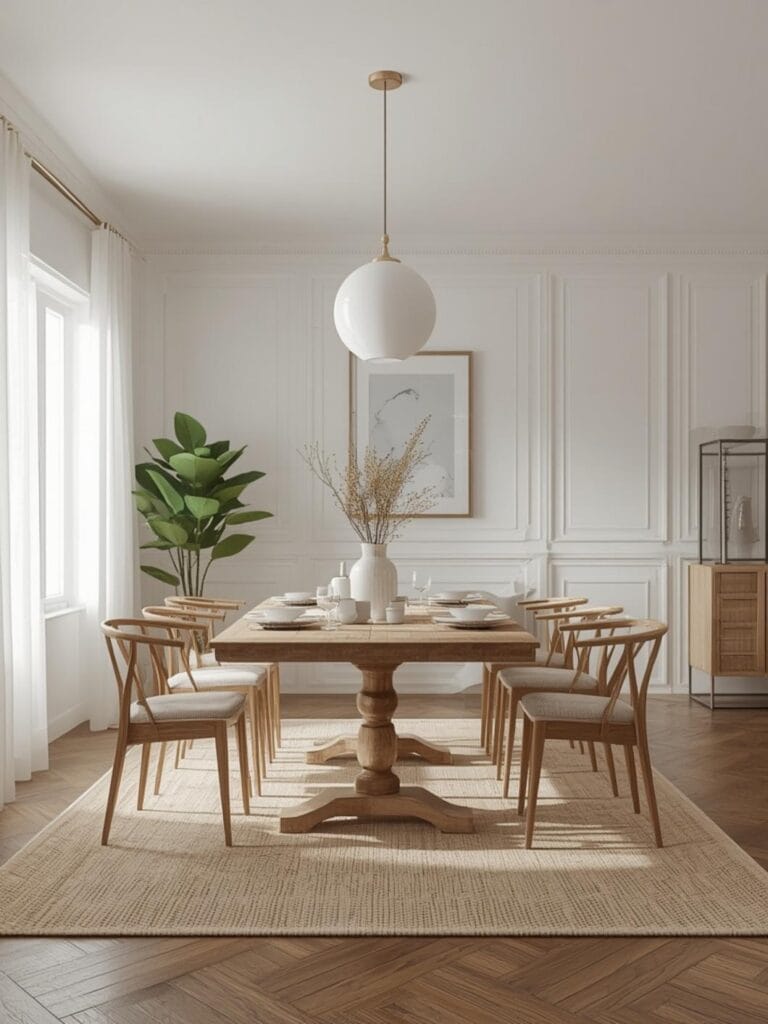
Pendants command attention and often serve as the room’s focal point. They hang at eye level or just above, making them impossible to ignore. Choose pendants when you want a statement piece that defines your room’s character.
Room Type Suitability
Bathrooms almost universally benefit more from sconces than pendants. The even, shadow-free light you get from flanking sconces makes daily grooming tasks infinitely easier. Pendants in bathrooms can create unflattering shadows under your eyes and chin.
Kitchens love pendants over islands and peninsulas where you need focused task lighting for food prep. Sconces work better in kitchen dining areas or as accent lighting near breakfast nooks.
Bedrooms embrace sconces as perfect reading lights that don’t take up nightstand space. Pendants can work as dramatic bedside lighting in larger rooms, but sconces offer more flexibility for couples with different reading habits.
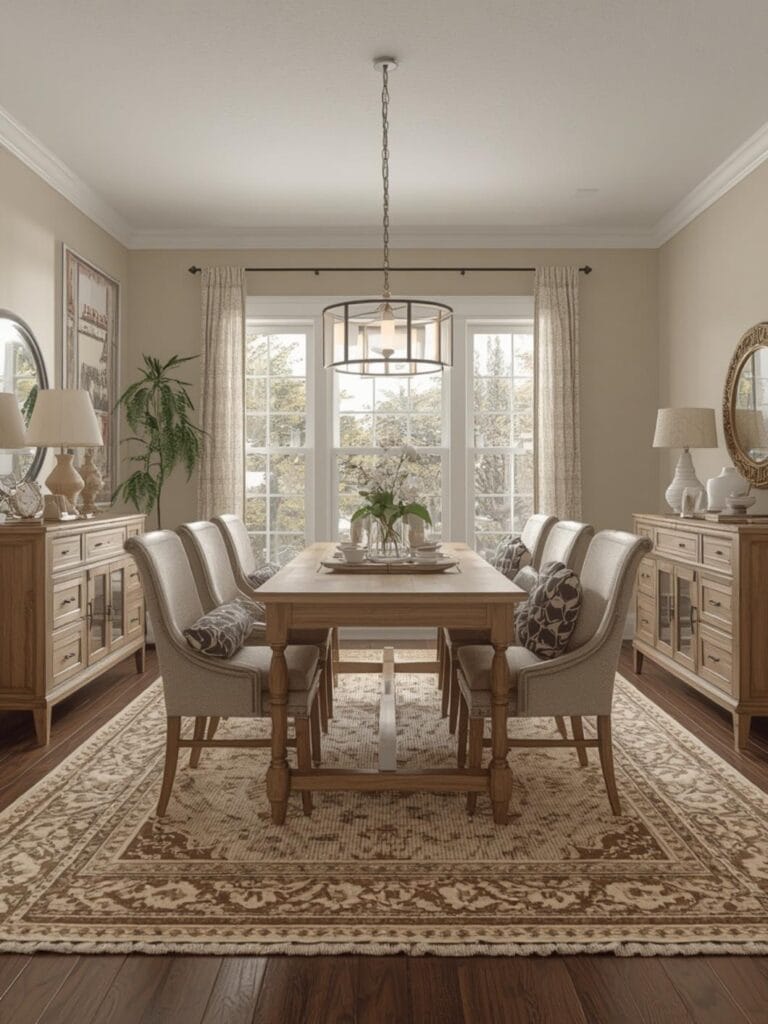
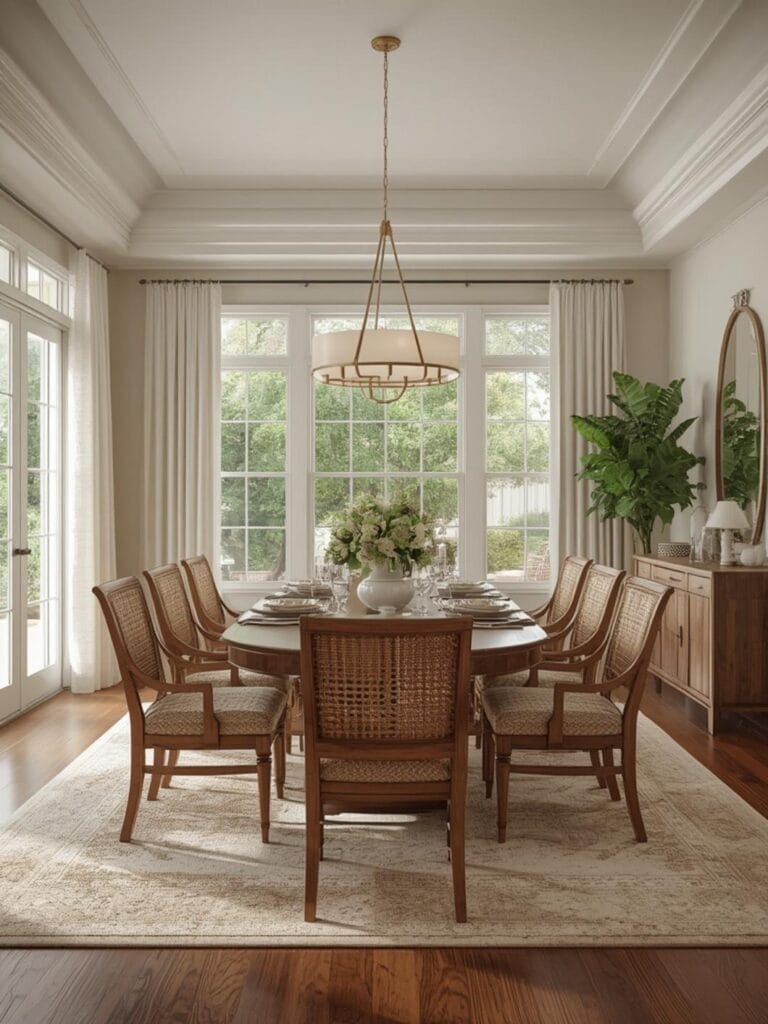
Dining rooms showcase pendants beautifully, with the fixtures becoming conversation pieces that define the table area. Sconces work as supplemental lighting in dining spaces but rarely as the primary source.
Maintenance and Bulb Changes
Sconces mount at accessible heights, making bulb changes and cleaning simple tasks you can handle from floor level or a small step stool. You’ll appreciate this convenience every time you need to dust the fixture or replace a bulb.
Pendants require ladders or step stools for any maintenance, and some hang at heights that make DIY care genuinely challenging. If you have high ceilings, you might need professional help just to change a bulb.
Benefits of Each Lighting Style
The right lighting choice transforms how you experience your home every single day. Sconces create ambiance that makes evening hours feel cozy and inviting without the harsh overhead brightness that can feel stark after sunset.
You’ll notice that rooms with well-placed sconces feel more sophisticated and finished. They add architectural interest to plain walls and make your space feel custom-designed rather than builder-basic. The soft glow improves your mood and makes spending time in those rooms genuinely more pleasant.
Pendants bring drama and personality to spaces that might otherwise feel generic. They define zones within open floor plans, helping your eye understand where the dining area ends and the living space begins. The focused light they provide makes tasks easier and more enjoyable.
Your home’s resale value benefits from thoughtfully chosen lighting too. Potential buyers notice quality fixtures immediately, and the right mix of sconces and pendants throughout your home signals attention to detail that translates to higher offers.
Lighting Options for Every Budget and Space
Budget-Friendly Choice
Simple plug-in sconces give you the look and function without any electrical work. You can find attractive options for $30 to $60 that mount with basic hardware and plug into existing outlets. For pendants, basic drum shade styles start around $50 and offer clean modern looks that work in many spaces.
Mid-Range Selection
Semi-custom sconces with quality finishes and interesting shapes run $100 to $250 per pair. These fixtures look substantially more expensive than budget options and hold up better over time. Pendants in this range offer unique shapes, quality glass or metal construction, and often come with adjustable hanging lengths.
Premium Investment
Designer sconces from $300 to $800 per pair become genuine art pieces that elevate your entire room. Hand-blown glass, artisan metalwork, and innovative designs justify the investment in spaces where lighting serves as the focal point. High-end pendants in similar price ranges feature museum-quality craftsmanship and materials.
Small Space Adaptation
Compact sconces with shallow profiles work beautifully in tight hallways or small powder rooms where full-size fixtures overwhelm the space. Mini pendants scaled down to 6 to 8 inches in diameter light small dining nooks or breakfast bars without visual clutter.
Common Lighting Mistakes to Avoid
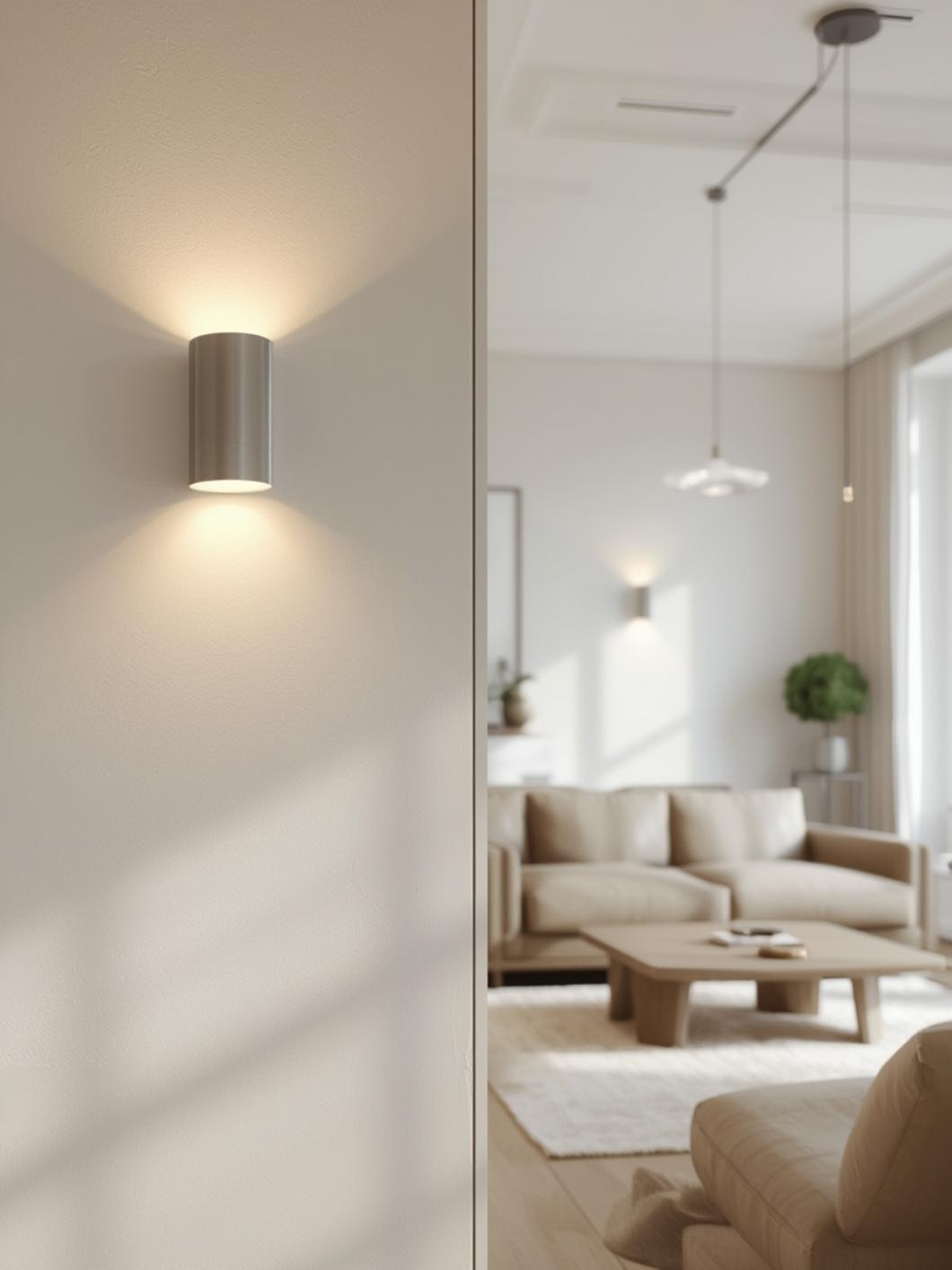
Installing sconces too high on bathroom walls creates unflattering shadows that make daily grooming frustrating. Mount them at 60 to 70 inches from the floor, roughly at eye level, for the most flattering light on your face.
Choosing pendant sizes that don’t match your table or island scale makes the entire space feel off-balance. Your pendant should be roughly one-third the width of the surface it lights, so a 6-foot island works beautifully with 24-inch pendants.
Forgetting about dimmer switches when you install new fixtures is an opportunity lost for creating flexible lighting moods. Nearly all modern sconces and pendants work with dimmers, and the installation cost is minimal when done during initial setup.
Mixing too many different fixture styles throughout your home creates visual chaos rather than cohesive design. Stick to two or three complementary styles that share similar finishes or design language for a pulled-together look.
Skipping professional installation when you’re not comfortable with electrical work risks safety and proper function. Licensed electricians ensure your fixtures are safely installed and meet local building codes, giving you peace of mind along with beautiful lighting.
Keeping Your Fixtures Looking Beautiful
Dust your sconces and pendants monthly with a soft microfiber cloth to prevent buildup that dulls the light output. Most fixtures need nothing more than gentle wiping, though glass shades benefit from occasional cleaning with glass cleaner sprayed on the cloth, not directly on the fixture.
Replace burned-out bulbs promptly to maintain even light distribution and prevent putting excess strain on remaining bulbs in multi-bulb fixtures. Keep spare bulbs on hand so you’re never stuck in a dimly lit room waiting for a store trip.
Check mounting hardware annually to ensure everything stays tight and secure. Sconces can work loose over time from vibration and normal use, while pendant cords may need length adjustment as they stretch slightly with age.
Clean fabric shades with a lint roller or vacuum attachment on the lowest setting. Never use water or cleaning solutions on fabric, as they can cause permanent staining or damage the material’s texture.
Making Your Final Decision
Understanding the fundamental differences between these two lighting types gives you the confidence to choose wisely for each room in your home. Sconces and pendants each excel in specific situations, and knowing when to use which style transforms your lighting from merely functional to genuinely beautiful.
Your home deserves lighting that supports how you actually live in each space. Take time to observe where you need focused task lighting versus ambient glow, and choose accordingly.
Ready to explore more lighting inspiration and practical advice? Browse our complete collection of home lighting guides on DecorKingdom to discover solutions for every room in your home.
Frequently Asked Questions
Can you use sconces and pendants together in the same room?
Absolutely, and this combination often creates the most flexible and beautiful lighting schemes. Use pendants over specific task areas like tables or islands, then add sconces for ambient light around the room’s perimeter. Just make sure both fixture styles share complementary finishes or design elements so they feel intentionally coordinated rather than randomly mixed.
Which lighting type uses less electricity?
Neither fixture type inherently uses more or less electricity—your energy consumption depends entirely on the bulbs you choose, not whether they’re in sconces or pendants. LED bulbs in either fixture type will use roughly 75% less energy than traditional incandescent bulbs, regardless of where the fixture mounts. Focus on choosing ENERGY STAR rated bulbs rather than worrying about the fixture style.
Do sconces make a small room look bigger or smaller?
Sconces actually make small rooms feel larger by keeping the center space open and pushing light to the perimeter. This creates the illusion of expanded boundaries because your eye travels to the lit walls rather than stopping at a central ceiling fixture. Pendant lights in small rooms can make the space feel more cramped by cluttering the vertical sight lines.
How many pendants do I need over my kitchen island?
Plan for one pendant per 2 feet of island length as a general guideline, though this varies with pendant size. A 6-foot island typically looks balanced with three medium-sized pendants or two larger statement pieces. Space them evenly with about 24 to 30 inches between fixtures, and keep them centered over the island rather than pushed to one end.
Can you install sconces without hardwiring them?
Yes, plug-in sconces offer the look and function of hardwired fixtures without any electrical work. These simply mount to your wall with basic screws and plug into a nearby outlet. Many designs include cord covers that match your wall color to keep the look clean, and some even come with remote controls for convenient operation without visible switches.
—
Meta Title: Sconce vs Pendant Lighting: Smart Guide 2026
Meta Description: Confused about Sconce vs Pendant Lighting? Compare both styles to find the perfect fit for your bathroom, kitchen, and every room in between.