How Big Should a Living Room Rug Be: A Sizing Guide
You’ve finally found the perfect rug for your living room. The color matches your sofa, the texture feels amazing, and the price is just right. But when it arrives and you roll it out, something feels off — it looks too small, too floaty, or just awkward in the space.
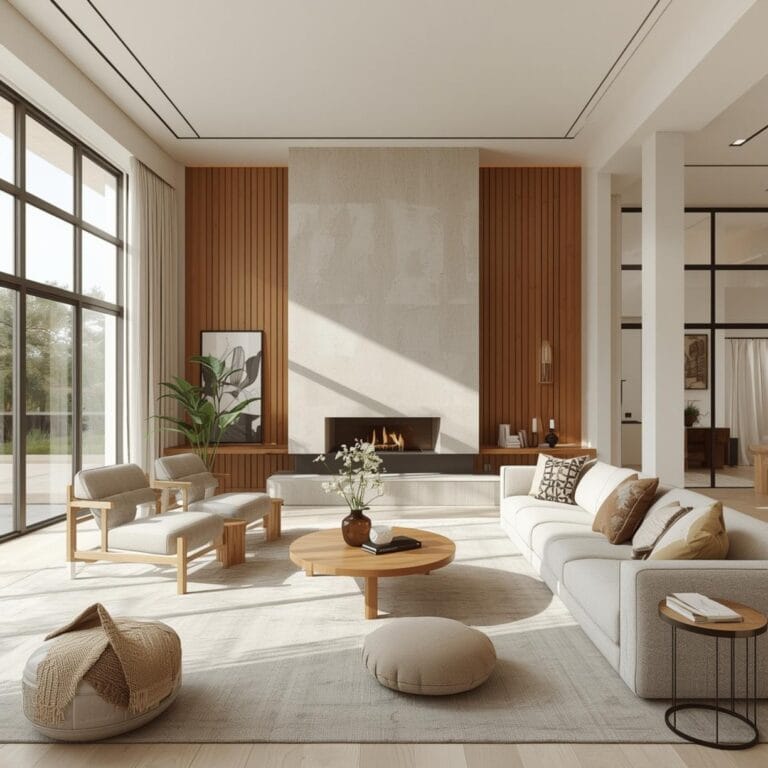
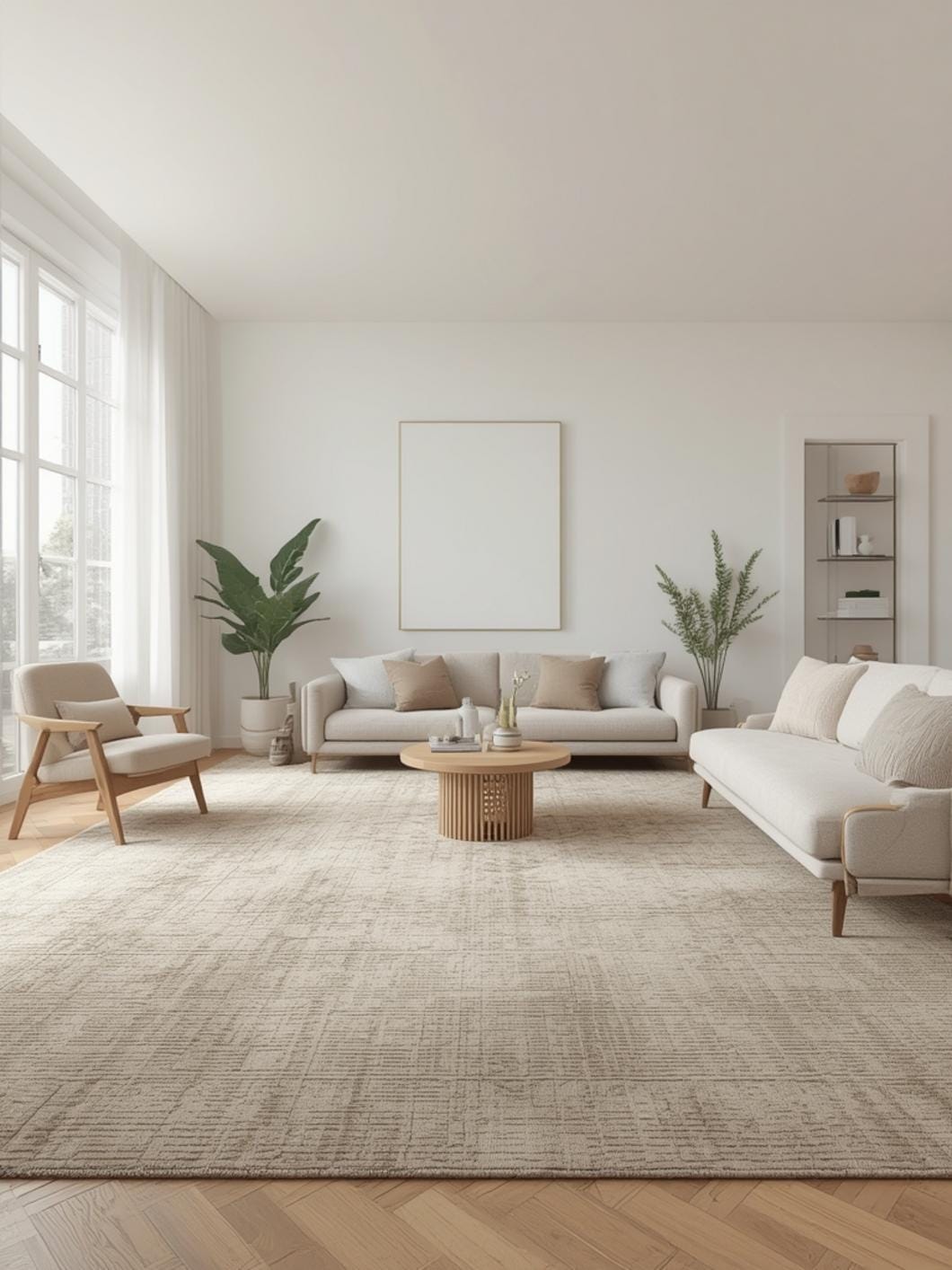
How big should a living room rug be depends on your furniture layout and room size, but the general rule is simple: bigger is almost always better. Your rug should anchor your seating area by fitting under at least the front legs of all your main furniture pieces, creating a cohesive zone that pulls everything together.
Getting the size right transforms your living room from a collection of furniture into a thoughtfully designed space that feels intentional and polished. Let’s walk through exactly how to choose the perfect rug size for your home.
Table of Contents
Key Terms and Elements to Know
Before you start measuring, you’ll want to understand the standard rug sizes and what works best in different room layouts.
Standard living room rug sizes:
– 5′ x 7′ — best for small apartments or accent areas
– 6′ x 9′ — works in compact living rooms with minimal furniture
– 8′ x 10′ — the most popular size for average living rooms
– 9′ x 12′ — ideal for larger living rooms with full seating arrangements
– 10′ x 14′ — perfect for spacious, open-concept areas
Furniture placement styles you should know:
– All-on: Every furniture leg sits completely on the rug
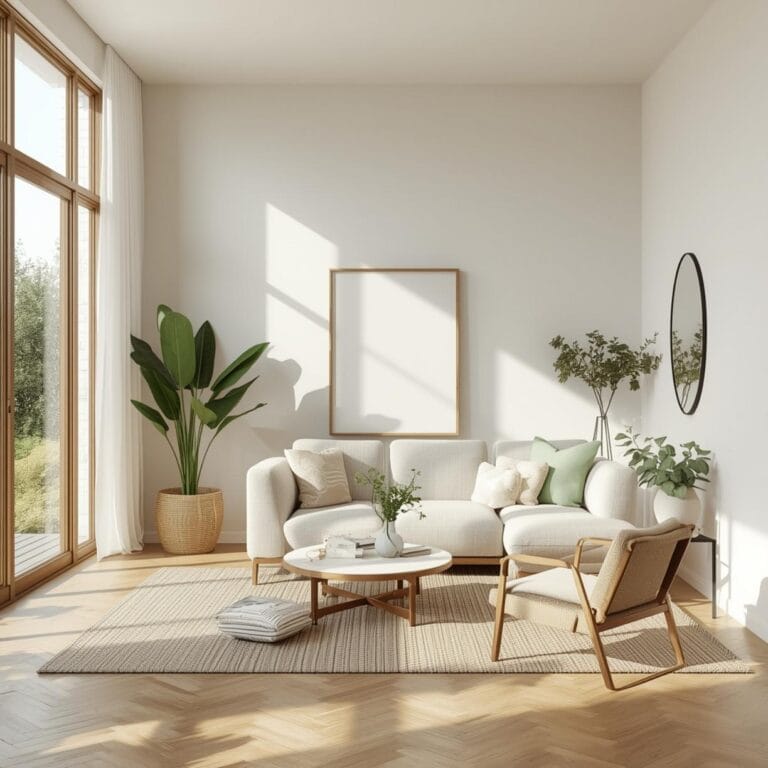
– Front-legs-on: Front legs of sofas and chairs rest on the rug, back legs stay off
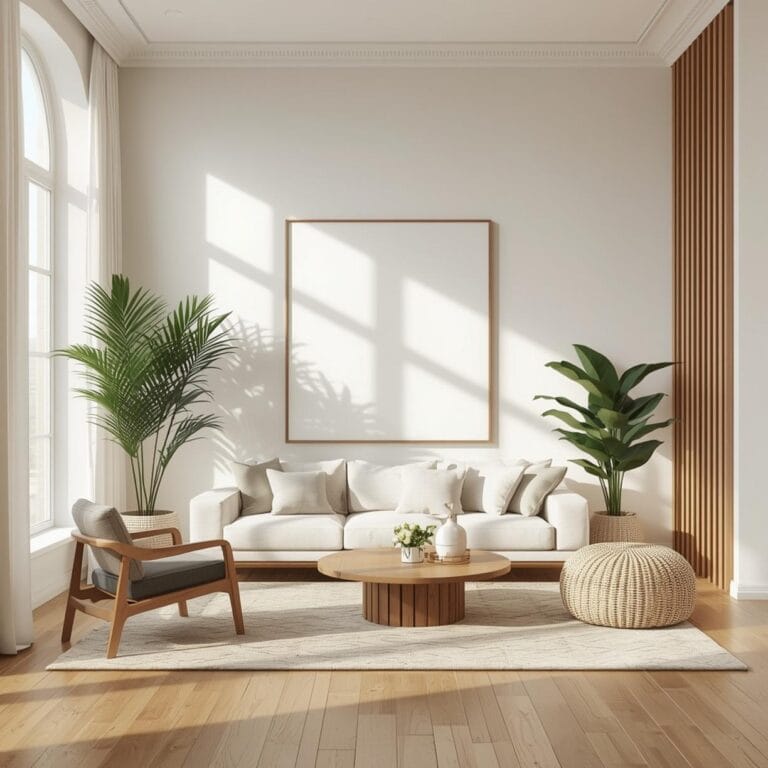
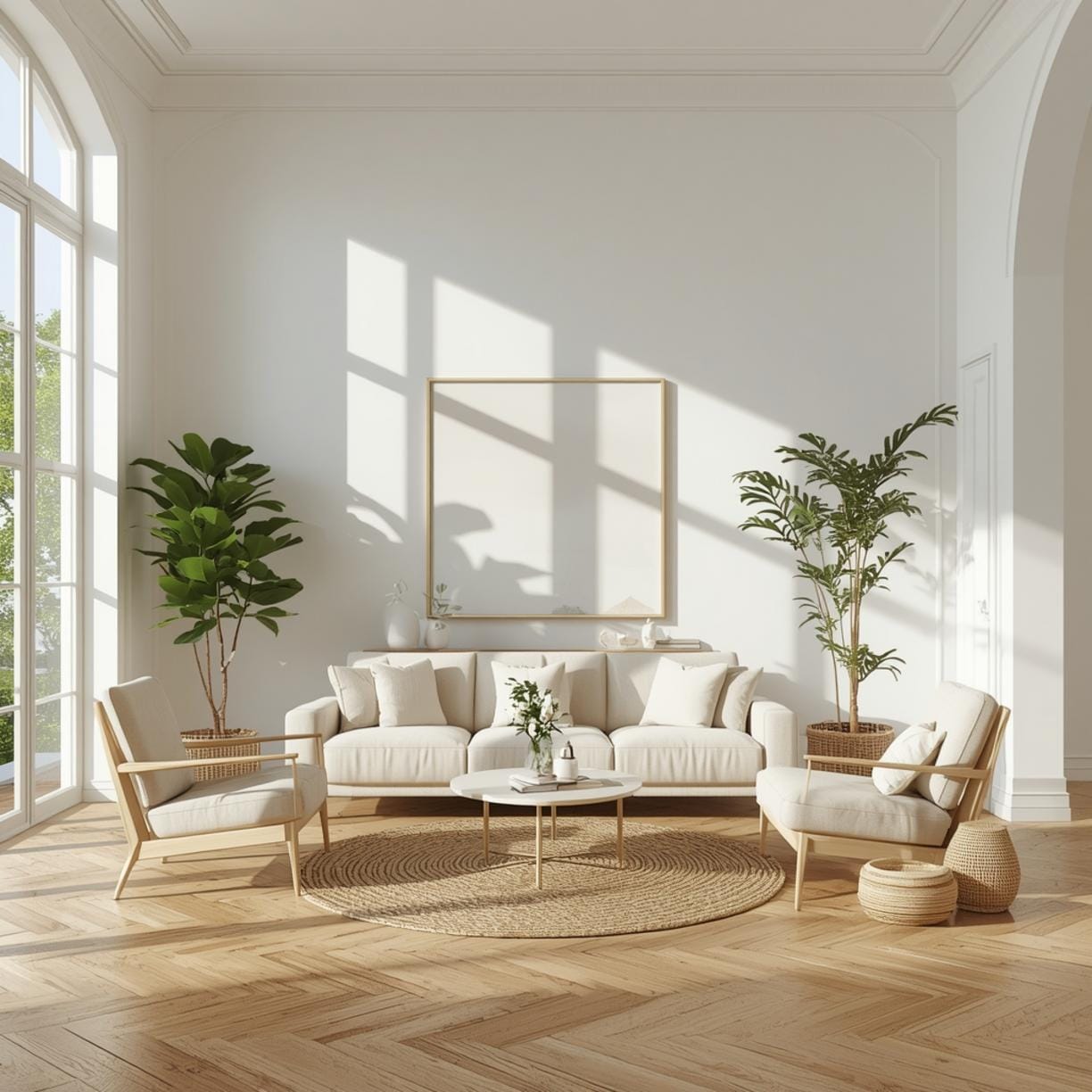
– Floating: The rug sits entirely under the coffee table with all furniture off it
You’ll also hear designers talk about “clearance” — that’s the space between your rug edge and the walls. Aim for 12 to 24 inches of bare floor showing around your rug perimeter for the most balanced look.
Common Misconceptions to Clear Up First
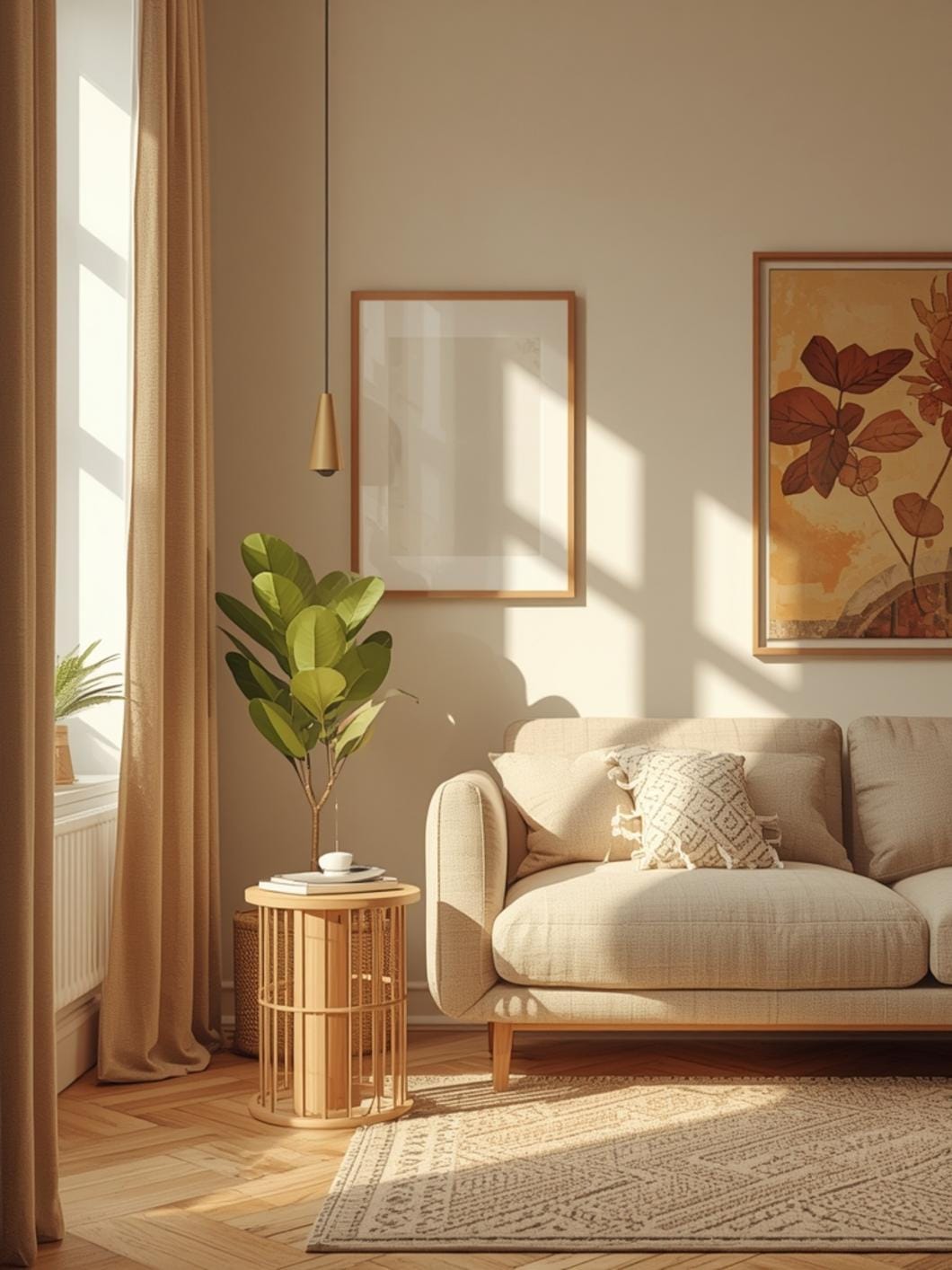
Many homeowners think a smaller rug will make their room feel bigger or save money, but this usually backfires. A too-small rug actually makes your space look choppy and disconnected.
Another myth is that your rug must fit perfectly within your furniture outline. Real-life homes aren’t showrooms — sometimes your rug will extend past your seating area, and that’s absolutely fine as long as it maintains that important wall clearance.
Some people worry that a large rug will overwhelm a small room. The opposite is true — a properly sized rug creates visual continuity that makes even compact spaces feel more expansive and intentional.
Don’t fall for the idea that you need matching sizes for rugs throughout your home either. Each room has different needs, and your living room rug will likely be your largest.
How It Works in Real Homes
Let’s break down how to measure and choose the right size for your actual living room layout.
Measure your seating area first. Stand in your living room and identify all the furniture pieces that create your main conversation area — typically a sofa, two chairs, and a coffee table. Measure the full width and depth of this grouping, including a few inches of breathing room around each piece.
Add 18 to 24 inches to each dimension. This gives you the minimum rug size that will properly anchor your furniture. If your seating area measures 6 feet by 8 feet, you’ll want at least an 8′ x 10′ rug.
What size rug makes a room look bigger is almost always the largest rug that maintains 12 to 18 inches of clearance from your walls. That exposed perimeter of flooring frames your rug like a border, while the generous rug size unifies your furniture and eliminates visual breaks that chop up your space.
Check your layout style. For the popular front-legs-on arrangement, your sofa and chair front legs should have 6 to 8 inches of rug underneath them. The coffee table should sit completely on the rug with at least 10 inches of rug extending beyond it on all sides.
Account for doorways and traffic paths. If your rug will extend into a high-traffic walkway, make sure it lies flat and won’t create a tripping hazard. Sometimes you’ll need to size down slightly or choose a different shape to accommodate the flow of your room.
Consider room proportions, not just square footage. A narrow, rectangular living room needs a different approach than a square space of the same size. Match your rug shape to your room shape for the most natural fit.
Test before you commit. Use painter’s tape to mark out your desired rug size on your floor. Live with it for a few days, walk around it, and see how it feels with your furniture arrangement. This simple trick prevents expensive sizing mistakes.
Benefits of Getting Your Rug Size Right
When you choose the correct rug size, your entire living room feels more cohesive and intentional. Furniture pieces that once seemed randomly placed suddenly look like they belong together as part of a unified design.
A properly sized rug also defines your space without walls or dividers. This is especially valuable in open-concept homes where you need to create distinct zones for living, dining, and cooking without breaking up the flow.
You’ll notice your room feels more comfortable and inviting too. A rug that anchors your seating area creates a psychological sense of coziness and gathering space that draws people in and makes them want to sit down and stay awhile.
Large rugs also reduce noise and echo in rooms with hard flooring. The extra textile surface absorbs sound, making your living room feel quieter and more peaceful — especially important if you have active kids or enjoy entertaining.
Budget-Friendly Options and Styling Advice
Budget-friendly approach: Start with a large neutral rug in an affordable material like polypropylene or jute. These materials photograph well, feel substantial underfoot, and won’t break the bank even in larger sizes. A simple 8′ x 10′ jute rug often costs less than $200 and works in nearly any decor style.
Mid-range sweet spot: Invest in a quality wool or wool-blend rug in the 8′ x 10′ or 9′ x 12′ range. These typically run $400 to $800 and offer excellent durability, natural stain resistance, and timeless style. Look for low-pile or flatweave designs that work well under furniture.
Premium investment: Splurge on a hand-knotted wool rug or high-end designer piece if your living room is your home’s main gathering spot. A 9′ x 12′ premium rug can range from $1,500 to $5,000 but will last decades with proper care. Choose classic patterns that won’t look dated in five years.
Small space adaptation: If you’re working with a compact living room under 150 square feet, a 6′ x 9′ or even a 5′ x 8′ rug can work beautifully. The trick is embracing the floating furniture arrangement — keep all furniture off the rug and center it under just your coffee table. This creates a defined zone without overwhelming your limited floor space.
Layering technique: Can’t afford to replace a too-small rug? Layer it over a larger, inexpensive natural fiber rug. Place your existing rug at an angle on top for an intentional, designer look that solves your sizing problem creatively.
Common Mistakes to Avoid
Choosing a rug that’s too small for your space. This is the number one mistake homeowners make, and it instantly makes even expensive furniture look cheap and disconnected. Always size up when you’re between two sizes.
Forgetting to account for rug pad thickness. Your rug pad adds about a quarter-inch of height, which matters when rugs slide under doors or furniture. Measure your clearances with the pad included to avoid frustrating fit issues.
Placing your rug perpendicular to your room’s shape. A rectangular room needs a rectangular rug oriented the same direction — turning it 90 degrees creates awkward negative space that throws off your entire layout.
Buying before measuring your actual furniture footprint. Don’t guess based on room size alone. Pull out the measuring tape and map where your furniture actually sits, or you’ll end up with a rug that looked perfect online but doesn’t work in your real space.
Ignoring the room’s architecture. Built-in features like fireplaces, bay windows, or French doors affect rug placement. Your rug should complement these elements, not compete with them or block them awkwardly.
Maintenance and Care for Large Living Room Rugs
Vacuum your rug weekly in the direction of the pile using your vacuum’s appropriate floor setting. For rugs larger than 8′ x 10′, consider a lightweight stick vacuum that makes the job less physically demanding.
Rotate your rug 180 degrees every six months to ensure even wear and sun exposure. This simple step doubles the effective life of your rug by preventing permanent traffic patterns and fading in high-light areas.
Address spills immediately by blotting — never rubbing — with a clean white cloth. For most materials, plain water works for fresh spills. Keep a spray bottle of water and clean towels handy near your living room for quick response.
Schedule a professional deep cleaning every 18 to 24 months for high-traffic living rooms. Professional cleaners have the equipment to thoroughly wash large rugs without damaging fibers or bleeding colors.
Use a quality rug pad underneath to prevent slipping, reduce wear, and add cushioning. Replace your pad every five to seven years, as older pads can deteriorate and stick to your flooring.
Getting It Right Makes All the Difference
The right rug size turns your living room furniture from individual pieces into a cohesive, inviting space that feels designed rather than assembled. When you choose a rug large enough to anchor your seating area properly, everything else falls into place.
Remember that bigger is almost always better when it comes to living room rugs. That extra size creates visual continuity, makes your space feel larger, and gives your furniture the foundation it needs to shine.
Ready to explore more ways to perfect your living room design? Browse our other guides at DecorKingdom for inspiration, practical tips, and real solutions that work in everyday homes just like yours.
Frequently Asked Questions
Should all furniture legs be on the living room rug?
Ideally, at least the front legs of your sofa and chairs should rest on the rug, with your coffee table sitting completely on it. If budget allows, having all furniture legs on the rug creates the most polished, cohesive look. The floating arrangement (all furniture off the rug) only works well in very small spaces.
What’s the most popular living room rug size?
The 8′ x 10′ rug is the most commonly purchased size because it works beautifully in average-sized living rooms of 12′ x 15′ or similar. It’s large enough to anchor a standard sofa and two chairs while maintaining proper wall clearance. For larger spaces, 9′ x 12′ is the next most popular choice.
How much floor should show around a living room rug?
Aim for 12 to 24 inches of bare floor showing between your rug edges and your walls. This border of exposed flooring frames your rug and prevents the space from feeling cramped. In smaller rooms, you can go down to 8 inches, but never push your rug right up against the walls.
Can a rug be too big for a living room?
A rug can technically be too big if it doesn’t leave adequate clearance from your walls or blocks doorways and traffic paths. However, most homeowners err on the side of too small rather than too large. As long as you maintain 12 to 18 inches of clearance around the perimeter, you’re unlikely to choose a rug that’s genuinely too big.
Do I need the same size rug if I have an L-shaped sectional?
L-shaped sectionals typically need larger rugs than standard sofa arrangements because they cover more floor space. Measure the full footprint of your sectional including the extended chaise or corner section, then add 18 to 24 inches to each dimension. Most L-shaped sectionals work best with 9′ x 12′ or larger rugs.
—
Meta Title: How Big Should a Living Room Rug Be? Perfect Guide 2026
Meta Description: How big should a living room rug be? Learn the exact measurements for every layout plus what size makes rooms look bigger in this complete guide.