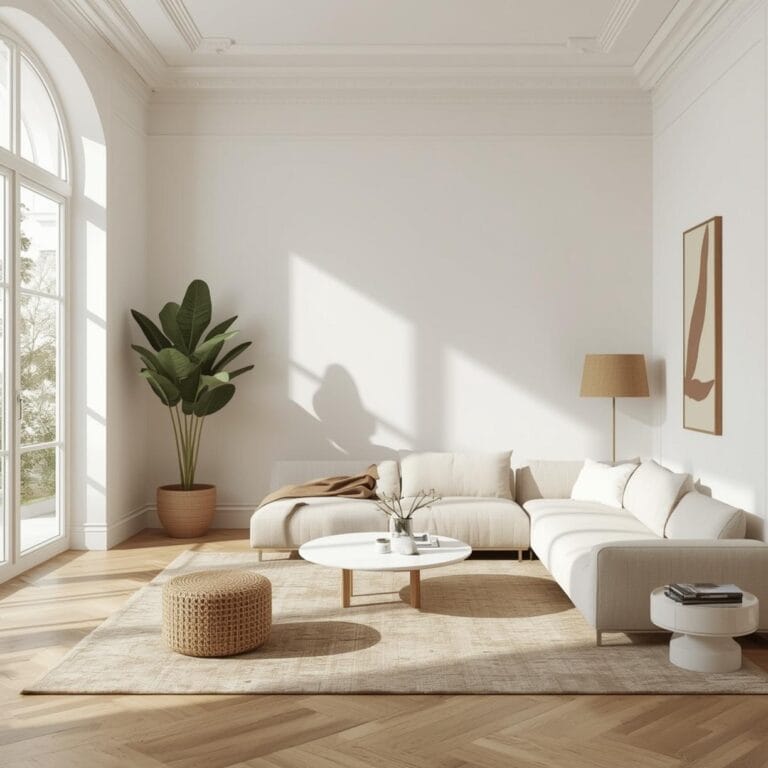
How to Design an Open Concept Kitchen and Living Room
You love the airy, connected feeling of an open floor plan, but sometimes it feels like your kitchen and living room are competing for attention rather than working together. You’re not alone — many homeowners struggle with making these two distinct spaces feel cohesive without losing their individual purpose.
The good news? Open concept kitchen and living room ideas aren’t about choosing between style and function. They’re about creating visual flow while still giving each zone its own personality. Whether you’re starting from scratch or refreshing what you already have, small design choices can make a dramatic difference.
Let’s explore how to make your open space feel intentional, inviting, and perfectly balanced for the way you actually live.
Table of Contents
What You’ll Need to Get the Look
Creating a beautifully balanced open concept space starts with the right mix of furniture and decor elements. You don’t need to buy everything at once — focus on pieces that define zones while maintaining visual harmony.
Furniture and layout essentials:
– Area rugs in complementary colors or patterns to anchor each space
– A console table or sofa table to act as a subtle room divider
– Bar stools that echo your dining or living room chair style
– Open shelving units that let light pass through
– Accent chairs that pull colors from your kitchen backsplash or cabinet tones
Decorative elements that unify the space:
– Matching or coordinating light fixtures with similar finishes
– Throw pillows and kitchen textiles in a shared color palette
– Artwork or wall decor that repeats a key design element from both areas
– Plants in similar style planters placed in both zones
– Decorative storage baskets that look at home in either space
The key is choosing items that feel like they belong to the same home, even if they serve different functions in different areas.
Finding Your Style and Season
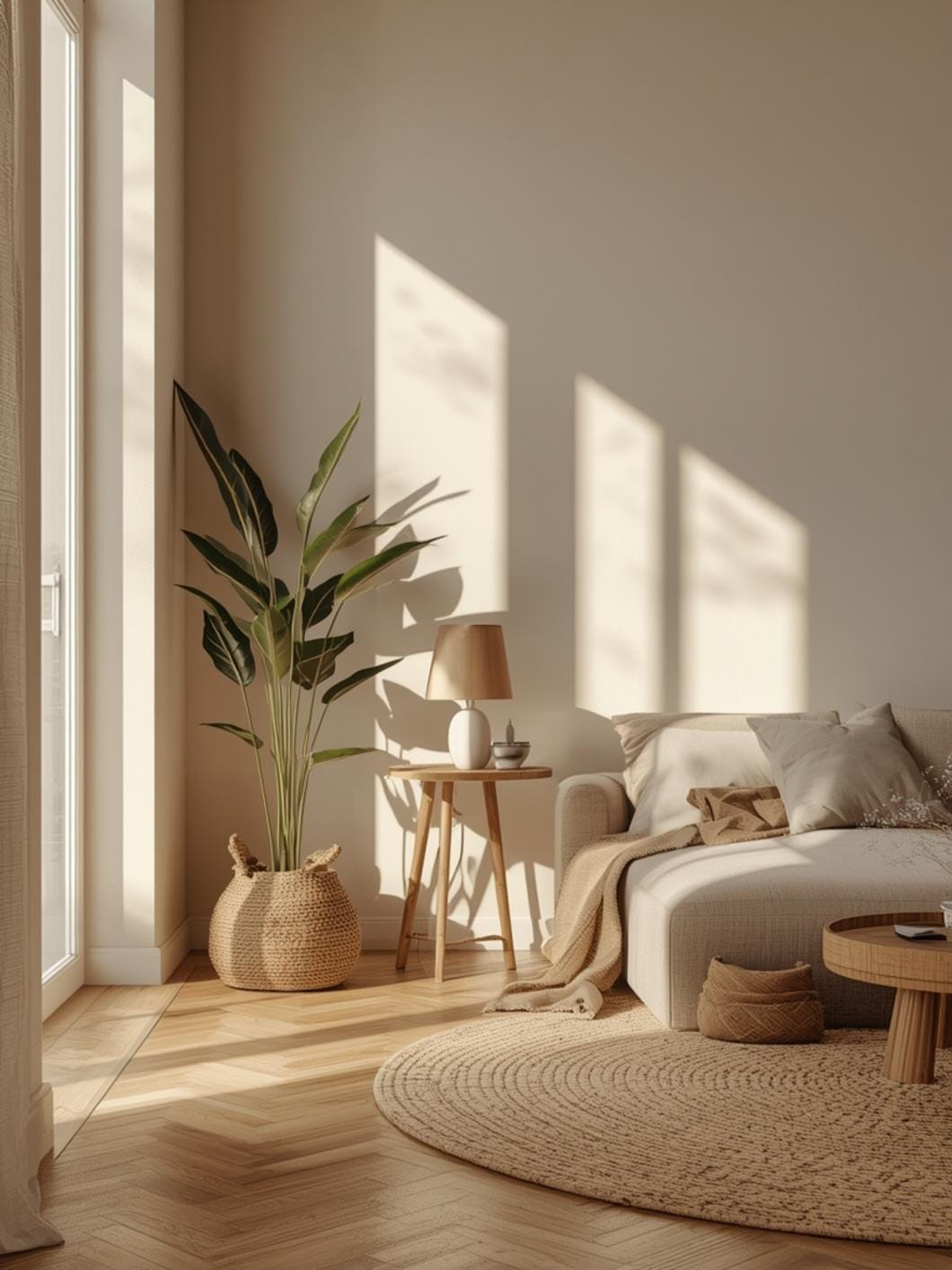
Your approach to styling an open concept space should shift with the seasons and occasions throughout your year. Think about how you use these spaces differently depending on what’s happening in your life.
During the holidays, your kitchen becomes command central for cooking while your living area hosts guests. You’ll want clear pathways and flexible seating that can move between zones. Consider lighter, movable accent pieces rather than heavy furniture that boxes you in.
Summer months call for a breezier feel with lighter textiles and fewer layers. Swap heavy curtains for sheer panels, trade wool throw blankets for linen, and open up sightlines by removing unnecessary decorative objects. Your open space should feel even more expansive when the weather warms up.
Cozy season — from late fall through winter — is when you can layer in warmth without sacrificing your open feel. Add plush rugs, textured throws, and warmer lighting through table lamps and candles. The goal is making both zones feel equally inviting so you’re not drawn to just one area all evening.
Think about your daily routine too. If you work from home and use your kitchen island as a workspace, you’ll want your living room to feel like a true retreat at the end of the day. Small styling shifts help each space feel appropriate for its current use.
7 Ideas to Try in Your Home
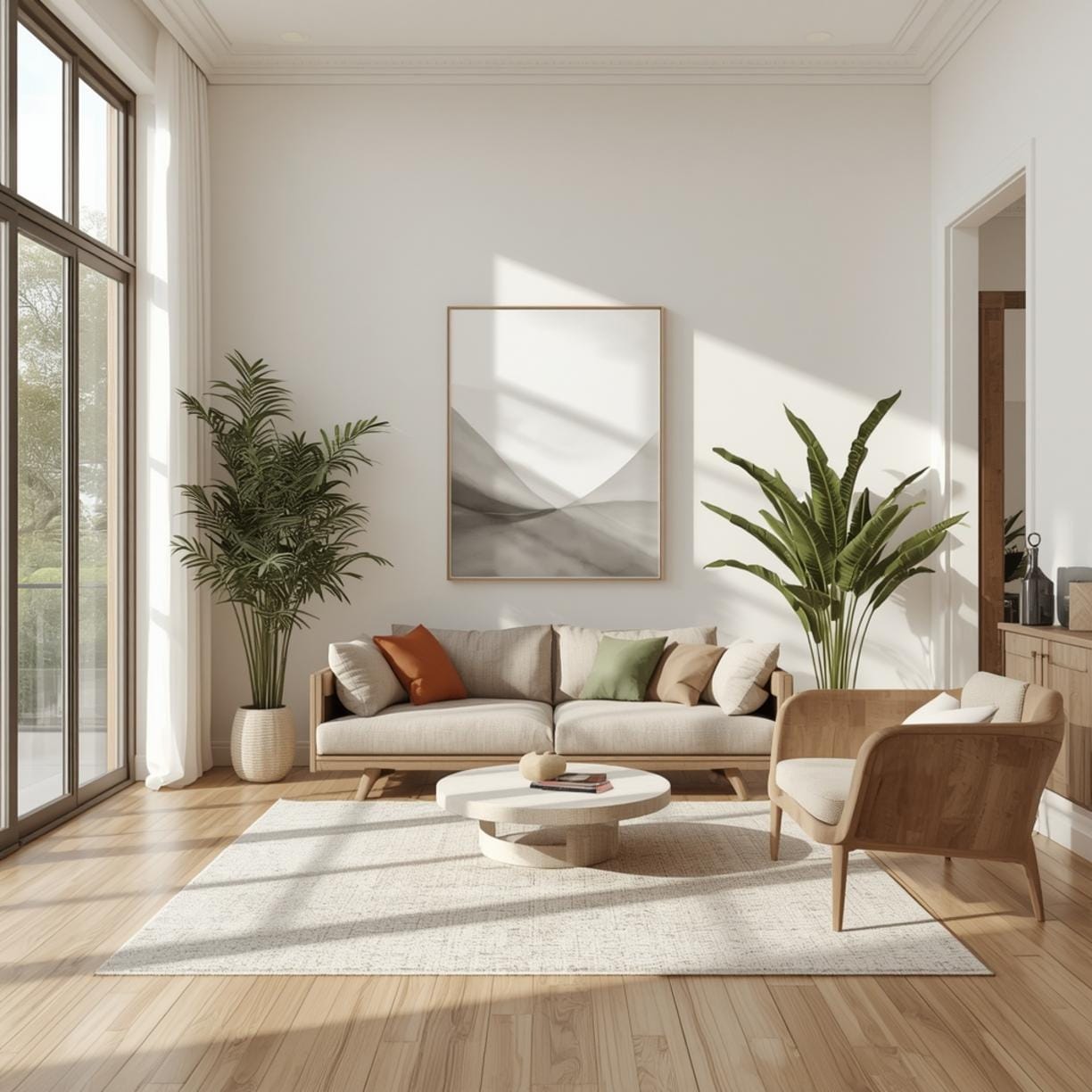
Create a color story that travels between spaces. Pick three main colors and use them in different proportions in each zone. Your kitchen might feature navy cabinets with gold hardware and white counters, while your living room flips the script with a white sofa, navy pillows, and gold-framed mirrors. The repetition creates unity without making everything matchy-matchy.
Use your sofa as a natural divider. Float your sofa a few feet away from the wall, positioning the back toward your kitchen. This how to divide open concept kitchen and living room without walls approach creates a psychological boundary while keeping everything visually open. Add a narrow console table behind the sofa for extra surface space and a place to style with lamps or plants.
Design a transition zone with purpose. The space between your kitchen and living room is prime real estate. Consider placing a bar cart, a bookshelf, or even a tall plant stand here. This gives your eye a resting place as it moves from one area to another and creates a subtle sense of separation.
Layer your lighting at different heights. Pendant lights over your island, a statement chandelier or flush mount in the living area, and table lamps on end tables create depth and dimension. When all your lighting sits at the same height, your space can feel flat. Varying heights draws the eye around the room and makes each zone feel distinct.
Coordinate your flooring transitions thoughtfully. If your kitchen has tile and your living room has hardwood or luxury vinyl, the transition line becomes a natural divider. Enhance this by placing your area rug so it slightly overlaps the transition, visually connecting both flooring types rather than creating a hard stop.
Mirror your style in unexpected ways. If your kitchen features shaker-style cabinets, echo that clean-lined look with simple picture frames or furniture with similar proportions in your living room. The style connection doesn’t need to be literal — it’s about creating a family resemblance between spaces.
Define your kitchen boundary with seating. Bar stools at your island create a casual boundary that feels welcoming rather than exclusionary. Choose stools with backs that face the living room so seated guests can easily chat with people on the sofa. This makes your kitchen seating part of your overall living space rather than isolated.
Build visual height in both zones. Tall kitchen cabinets that reach the ceiling should be balanced with vertical elements in your living room — a tall bookshelf, a gallery wall that extends upward, or a large-scale piece of art. When one space has all the height, your eye gets pulled in that direction and the space feels unbalanced.
Benefits of a Well-Designed Open Concept Space
The biggest advantage you’ll feel every day is the connected lifestyle an open plan encourages. You can prep dinner while helping kids with homework at the dining table or keep up with a movie while cleaning up after a meal. Your home works with your real life instead of against it.
Natural light becomes your best friend in these spaces. Light from kitchen windows flows into your living area and vice versa, making both spaces feel brighter and more spacious. You’re not trapped in a dark kitchen while the sunny living room sits empty.
Open concepts also make your home feel larger than its square footage suggests. Without walls chopping up the space, your eye travels farther, creating the perception of more room. This is especially valuable if you’re working with a smaller home but want that expansive, modern feel.
Entertaining becomes effortless when your kitchen and living room connect. You’re never isolated in the kitchen while guests sit awkwardly in another room. Everyone naturally gathers in the shared space, and conversation flows as easily as the room layout.
Tips, Alternatives, and Styling Advice
Budget-friendly approach: Start with paint and textiles to create cohesion. Paint your kitchen walls and living room walls in the same neutral shade, then introduce your color palette through affordable items like throw pillows, kitchen towels, and area rugs. A fresh coat of matching paint on old cabinets and existing furniture creates unity without replacing anything major.
Mid-range option: Invest in one statement piece that bridges both spaces, like a beautiful area rug that pulls colors from your kitchen backsplash or a stunning light fixture positioned at the boundary between zones. Add coordinating window treatments if you have windows in both areas. Replace outdated hardware on cabinets and update switchplates and outlet covers for a more polished look.
Premium investment: Consider custom built-in storage that spans from kitchen to living room, creating a cohesive architectural element. A floor-to-ceiling shelving unit or cabinet wall that transitions from kitchen storage to living room display makes a stunning impact. Pair this with high-end coordinating light fixtures and furniture pieces in quality materials that will last decades.
Small space adaptation: In a compact open concept, less is more. Choose furniture with exposed legs rather than solid bases to maintain sightlines. Use clear or glass items where possible — a glass coffee table, lucite chairs, or open wire baskets. Stick to a tighter color palette with just two main colors plus white to prevent visual clutter. Every item should serve a purpose, and storage should be beautiful enough to leave visible.
Common Mistakes to Avoid
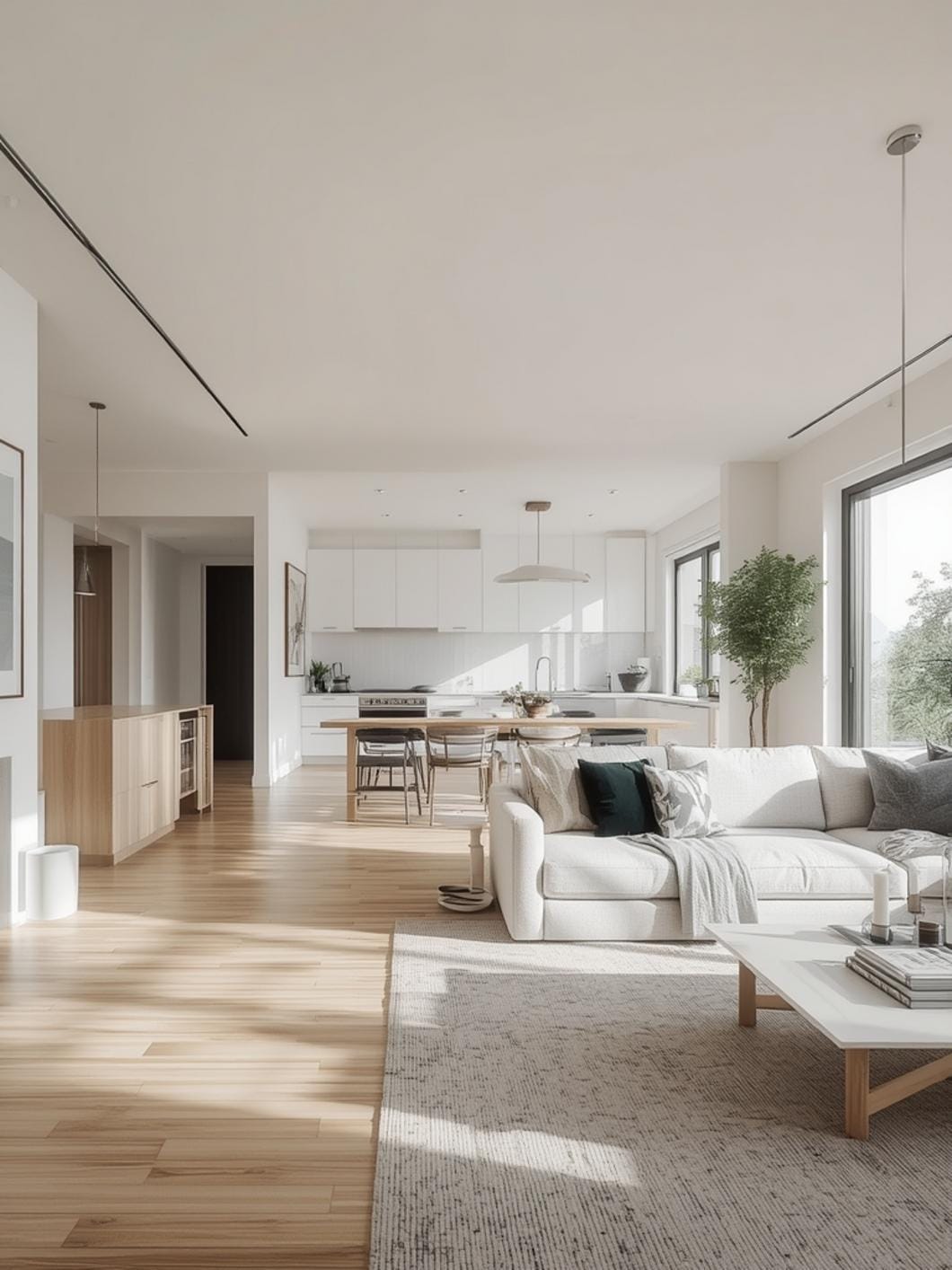
Pushing all furniture against the walls. This creates a bowling alley effect and wastes the middle of your space. Instead, float your furniture to create intimate conversation areas and natural pathways between zones.
Using completely different design styles in each area. Your farmhouse kitchen and ultra-modern living room will fight each other visually. Choose one primary style and let each space be a different expression of it, or blend styles through carefully chosen transitional pieces.
Forgetting about sound control. Open concepts amplify noise, which becomes obvious during your first dinner party. Add soft furnishings like curtains, upholstered furniture, and area rugs to absorb sound, and consider acoustic panels disguised as wall art in particularly echo-prone spaces.
Neglecting the sightlines from your kitchen. If your view from the kitchen sink is a pile of shoes by the front door or the back of a messy sofa, you’ll feel stressed every time you wash dishes. Arrange furniture and storage so that your kitchen viewpoint looks at something pleasant.
Over-accessorizing because you have so much visible space. Just because you can see both rooms at once doesn’t mean every surface needs decor. Choose a few larger statement pieces rather than cluttering every shelf and counter with small objects that create visual chaos.
Maintenance and Upkeep Tips
Keep cleaning supplies accessible in both zones to make quick tidying effortless. A decorative basket under your coffee table can hold microfiber cloths and a small handheld vacuum, while your kitchen storage keeps heavier-duty supplies nearby.
Vacuum or sweep your entire open space at once rather than treating them as separate rooms. Dust and dirt don’t respect invisible boundaries, so one thorough pass through the whole area is more efficient than dividing your cleaning into separate tasks.
Rotate your decor seasonally but do it simultaneously in both spaces. When you swap your living room throw pillows for summer-weight versions, update your kitchen textiles at the same time. This keeps your cohesive look intact and prevents one area from feeling like it belongs to a different season.
Address clutter daily since everything is visible in an open concept. Spend five minutes before bed returning items to their homes — kitchen tools back in drawers, living room magazines into a basket, and toys into bins. This small habit prevents your open space from looking chaotic.
Check your light bulbs monthly and replace them in matching fixtures at the same time, even if only one has burned out. Mismatched light temperatures between your kitchen and living room can subtly disrupt the cohesive feel you’ve worked to create.
Make Your Open Concept Work for Your Life
Your open concept kitchen and living room should feel like one beautiful, functional space that adapts to how you actually live. By creating intentional zones without walls, choosing cohesive design elements, and thinking about both style and flow, you’ll build a home that looks magazine-worthy and works perfectly for your daily routine.
Start with one or two ideas that excite you most, and build from there. Your space doesn’t need to transform overnight — even small changes create impact in an open floor plan.
Ready to explore more ways to make your home beautiful and functional? DecorKingdom has hundreds of ideas waiting to inspire your next project.
FAQs
What colors work best in an open concept kitchen and living room?
Stick with a main neutral for walls throughout both spaces, then layer in two or three accent colors through furniture, textiles, and decor. This creates visual flow while letting each zone have its own personality. Navy, sage green, and warm terracotta are popular accent choices that work beautifully in both kitchens and living areas.
How do I make my open concept feel less like one giant room?
Use area rugs to define specific zones, arrange furniture to create natural boundaries, and vary your lighting fixtures between spaces. A rug under your living room seating and another under your dining table creates visual separation without any physical barriers. Different light fixture styles in each zone also help define areas while maintaining cohesion through matching finishes.
Should my kitchen and living room furniture match exactly?
No, exact matching can actually look too staged and impersonal. Instead, coordinate through shared elements like wood tones, metal finishes, or color families. Your kitchen bar stools and living room accent chairs don’t need to be identical, but they should feel like they belong in the same home through similar style, scale, or color.
How can I hide kitchen messes in an open floor plan?
Install upper cabinets with doors rather than all open shelving, use beautiful canisters and containers to corral countertop items, and add a decorative screen or tall plant between your workspace and living area if needed. Keep a large decorative tray on your island to quickly gather items that need to be put away, transforming visual clutter into an intentional vignette.
What’s the best flooring choice for an open concept space?
Luxury vinyl plank or hardwood that runs throughout both areas creates the most seamless look and makes your space feel larger. If you prefer tile in your kitchen for practical reasons, choose a transition point at a natural boundary like where your island ends, and select tiles that complement your living room flooring tone rather than contrasting sharply.
—
Meta Title: Open Concept Kitchen & Living Room Ideas 2026 (Fresh!)
Meta Description: Transform your open floor plan with cohesive open concept kitchen and living room ideas. Smart zoning tips without building walls.