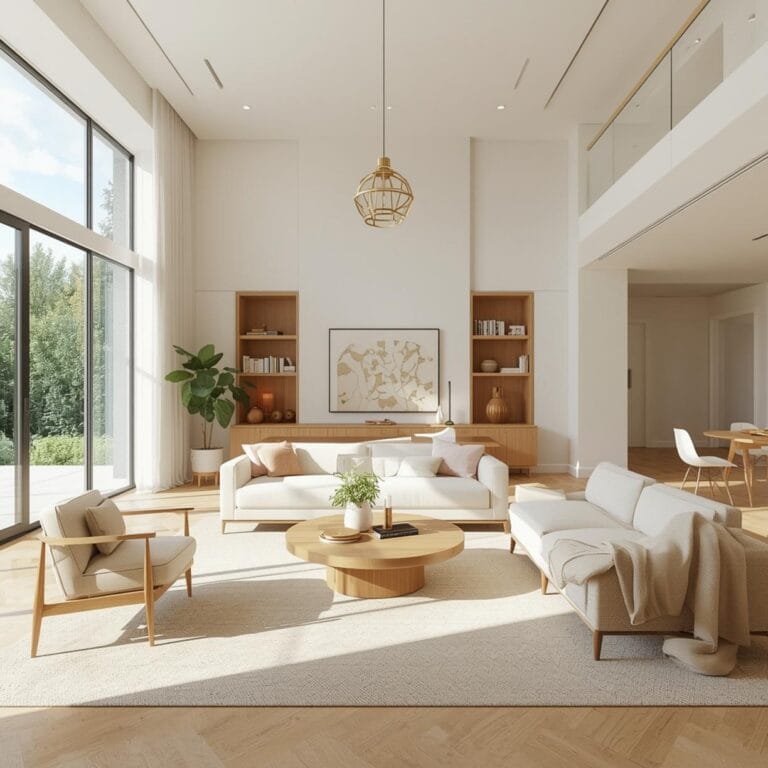
How to Choose Living Room Rug Layout Ideas
You’ve found the perfect rug for your living room, but now it just sits there looking awkward. The furniture feels disconnected, the room looks smaller than it should, and you’re not sure if the rug should go under the sofa or just in front of it.
Getting your Living Room Rug Layout Ideas right makes the difference between a room that feels pulled together and one that looks like furniture randomly dropped into place. The good news is that you don’t need a design degree to make this work.
Your rug can anchor your entire living room, define conversation areas, and make your space feel larger and more inviting. Let’s walk through exactly how to position your rug and arrange your furniture around it so your living room finally feels complete.
Table of Contents
What You’ll Need to Get the Look
Before you start moving furniture around, gather a few simple tools to help you visualize and execute your layout plan.
Measuring essentials:
– Measuring tape (at least 25 feet long)
– Painter’s tape or masking tape to mark rug placement on the floor
– Graph paper and pencil for sketching layouts
For moving furniture safely:
– Furniture sliders for easy repositioning
– A friend or family member to help lift heavier pieces
– Smartphone camera to document what works and what doesn’t
Your existing pieces:
– Your area rug (or measurements if you’re shopping)
– All living room furniture you plan to include
– Coffee table or ottoman
– Side tables and accent pieces
You don’t need any special tools or expensive equipment. Most homeowners already have everything required to create a beautiful rug layout that transforms how their living room functions.
Finding Your Style and Season
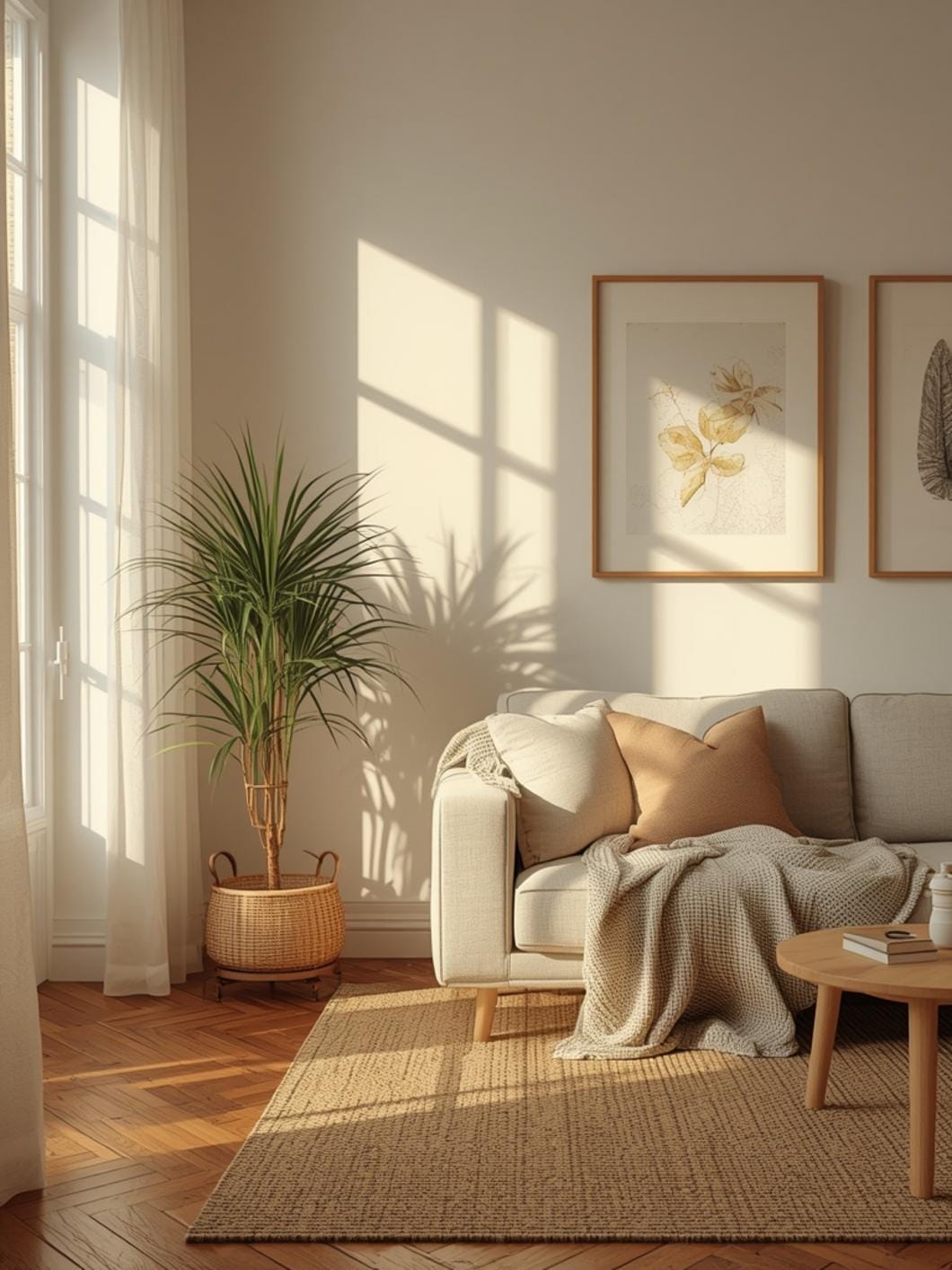
Your rug layout decisions depend partly on how you use your living room and what atmosphere you want to create throughout the year.
Consider your room’s primary function. Do you entertain frequently and need flexible seating arrangements? Or is this mainly a family space where kids play and everyone gathers for movie nights? Your lifestyle should guide which layout style works best.
Seasonal changes matter too. In summer, you might want a lighter feel with the rug centered and furniture slightly pulled back. During colder months, a cozier arrangement with furniture closer together on the rug creates warmth.
Think about your room’s traffic patterns as well. High-traffic living rooms benefit from layouts that keep walkways clear while still anchoring furniture on the rug.
Room size influences timing too. Small living rooms need strategic rug placement to avoid making the space feel cramped. Larger rooms can handle multiple rug layout options, giving you flexibility to refresh your look seasonally.
The best time to rearrange your rug layout is during a deep clean or when you’re ready for a visual refresh. Many homeowners tackle this project during spring cleaning or before holiday entertaining season begins.
7 Ideas to Try in Your Home
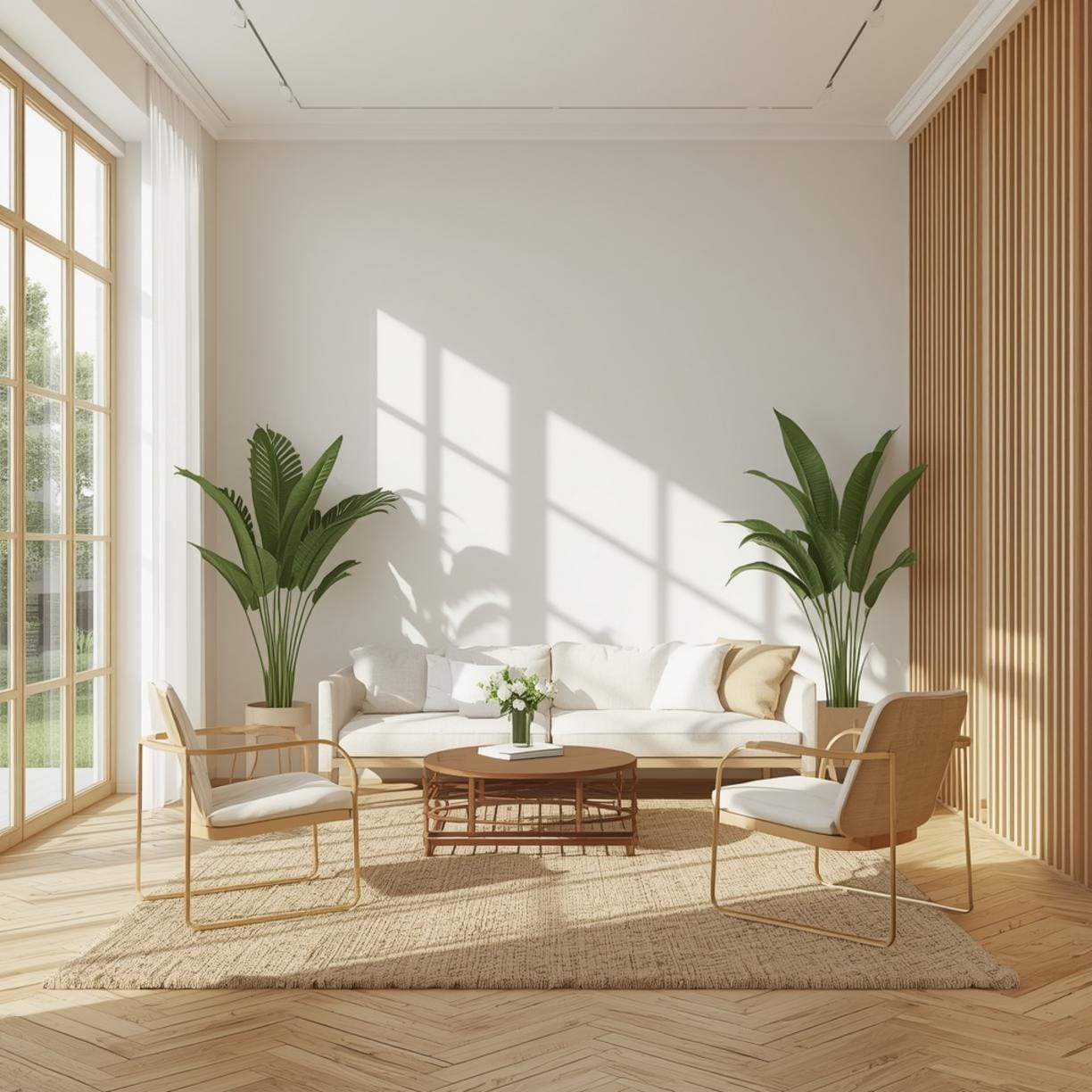
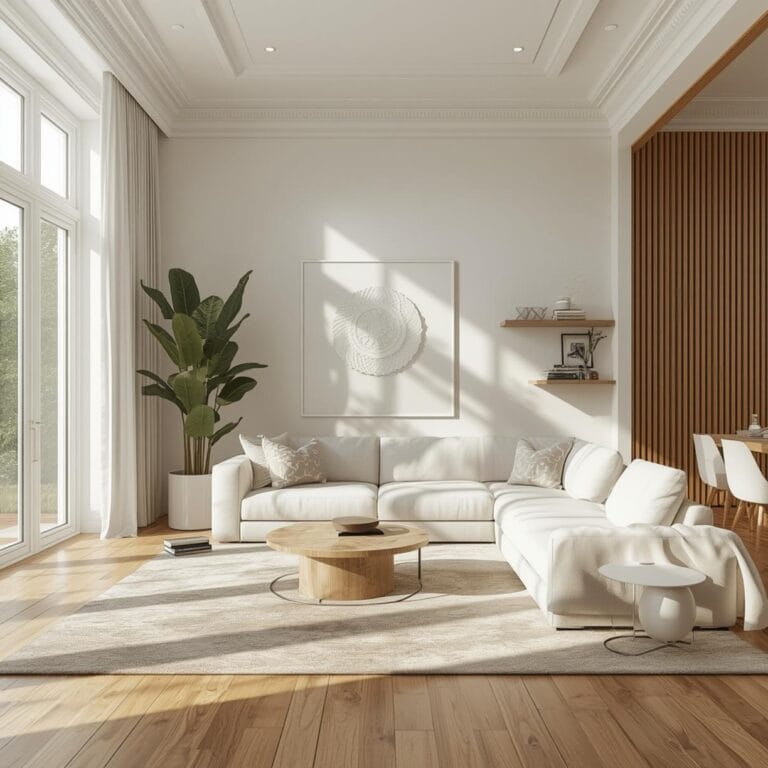
The key to How to arrange furniture around a living room rug starts with understanding which layout style suits your space and lifestyle. Each approach creates a different feeling and serves different needs.
All furniture legs on the rug
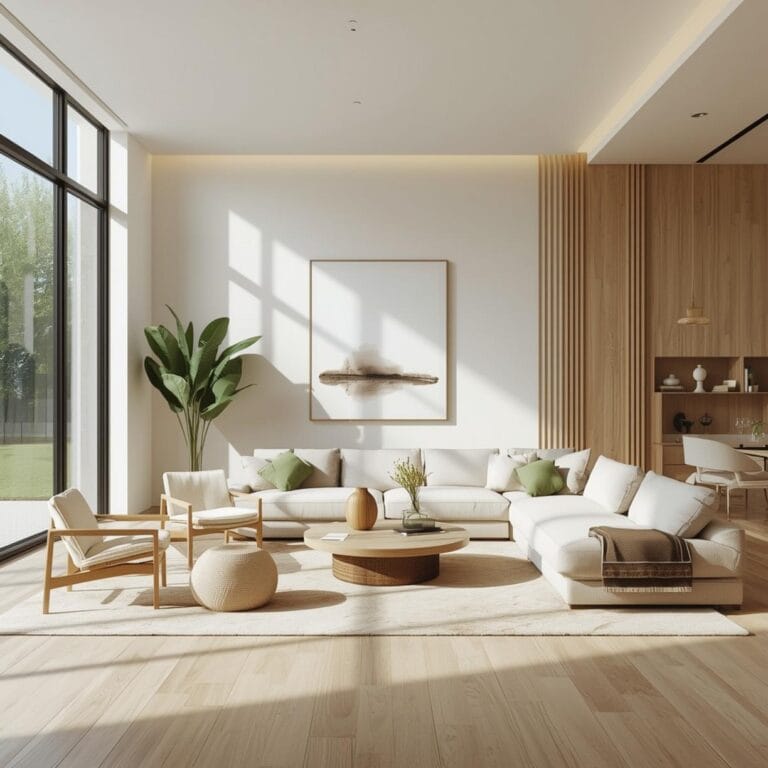
This full-coverage approach works beautifully in larger living rooms. Place your rug so all furniture pieces—sofa, chairs, coffee table—rest completely on it. This creates a cohesive, luxurious look that defines your seating area as one unified space. Your rug should extend at least 6 inches beyond the furniture on all sides.
Front legs only on the rug
The most versatile layout for medium-sized rooms positions the rug so only the front legs of your sofa and chairs rest on it. This arrangement visually connects all your furniture while leaving enough bare floor visible to make the room feel spacious. The back legs sit on your flooring, creating a grounded, intentional look.
Floating furniture with rug underneath
Pull your sofa and chairs several inches away from the walls and center your rug beneath them. This sophisticated layout works wonders in larger rooms, creating an intimate conversation area that feels purposefully designed. Leave at least 18 inches of rug visible on all sides of your furniture grouping.
Rug in front of sofa only
For smaller spaces or budget-conscious layouts, position your rug completely in front of the sofa with no furniture on it at all. This works especially well with a bold, patterned rug that deserves to be seen. Your coffee table sits centered on the rug, while your sofa anchors the space from behind.
Layered rug arrangement
Place a large neutral rug as your base layer with all furniture legs on it, then add a smaller accent rug on top for visual interest. This trendy approach adds depth and texture while helping define specific zones within your living room. The top rug might sit under your coffee table or at an angle for a more casual vibe.
Diagonal rug placement
Turn your rug 45 degrees for an unexpected, dynamic look that works surprisingly well in square rooms. Angle your furniture to follow the rug’s orientation, creating a conversation area that feels less predictable and more designed. This layout trick makes your space feel larger and more interesting.
Two-rug zone layout
Use two separate rugs to define distinct areas in an open-concept or large living room. One rug anchors your main seating area while another creates a reading nook or secondary seating zone. Keep the rugs coordinated in color or style so the room still feels cohesive rather than choppy.
Benefits That Make This Worth Your Time
Getting your rug layout right delivers immediate improvements to how your living room looks and functions every single day.
Your room instantly feels more expensive and designed. A properly positioned rug with thoughtfully arranged furniture creates that pulled-together look you see in magazines. Even budget furniture looks more intentional when arranged correctly around a rug.
Conversation flows more naturally. When your seating is properly anchored on or around a rug, people naturally face each other at comfortable distances. This makes entertaining easier and family time more connected.
Your space appears larger or more intimate depending on your needs. Strategic rug placement can visually expand a small room or make a cavernous space feel cozier. You control the perceived size through how you position your rug relative to furniture and walls.
The acoustic benefits surprise many homeowners too. Rugs absorb sound, making your living room less echoey and more comfortable for conversation or watching TV.
Cleaning becomes easier with defined zones. Your rug creates a natural boundary that helps you maintain different areas of your living room. Knowing where your main traffic areas are makes regular maintenance more straightforward.
Smart Options for Every Budget and Space
Budget-friendly approach
Start with a larger rug from discount retailers and do the front-legs-only layout. This gives you the visual benefit of connected furniture without requiring an oversized expensive rug. A 5×7 or 8×10 rug works for most standard living rooms using this method.
Mid-range option
Invest in a quality 8×10 or 9×12 rug that allows all furniture front legs to rest on it comfortably. This size works for most living rooms and gives you flexibility to rearrange furniture without needing a new rug. Look for durable materials like wool blends that handle daily traffic.
Premium choice
Splurge on a custom-sized rug that allows all furniture legs to sit completely on it with 12-18 inches of rug visible beyond. This creates the most luxurious, cohesive look possible. Consider hand-knotted or high-quality machine-made rugs that will last decades.
Small space adaptation
In tight living rooms, use a smaller 5×7 rug positioned in front of your sofa with just your coffee table on it. This saves money and floor space while still adding warmth and style. Choose lighter colors to help the room feel more spacious.
Large room solution
Extra-large spaces benefit from using two coordinating rugs to create separate zones. One larger rug anchors your main seating area, while a smaller rug defines a reading corner or game area. This prevents your room from feeling empty and purposeless.
Common Mistakes That Ruin Your Layout
Choosing a rug that’s too small for your space. A tiny rug floating in the middle of your room makes everything look disconnected and cheap. Always size up rather than down—your rug should relate to your furniture scale, not just fill empty floor space.
Pushing all furniture against the walls. This creates a bowling alley effect that makes conversation awkward. Pull your furniture toward the center and use your rug to anchor the grouping, even if it means leaving wall space empty.
Forgetting to measure before buying. You’ll waste money and create frustration if you guess at rug size. Measure your room and furniture first, then use painter’s tape on the floor to mark where a rug would sit before purchasing.
Ignoring room shape and traffic flow. A rug layout that blocks your main walkway creates daily annoyance. Always maintain clear paths around your seating area, even if it means using a smaller rug than you originally wanted.
Matching your rug color exactly to your sofa. This creates a flat, boring look instead of adding visual interest. Choose a rug that coordinates with your furniture but adds contrast through pattern, texture, or slightly different tones.
Keeping Your Layout Looking Fresh
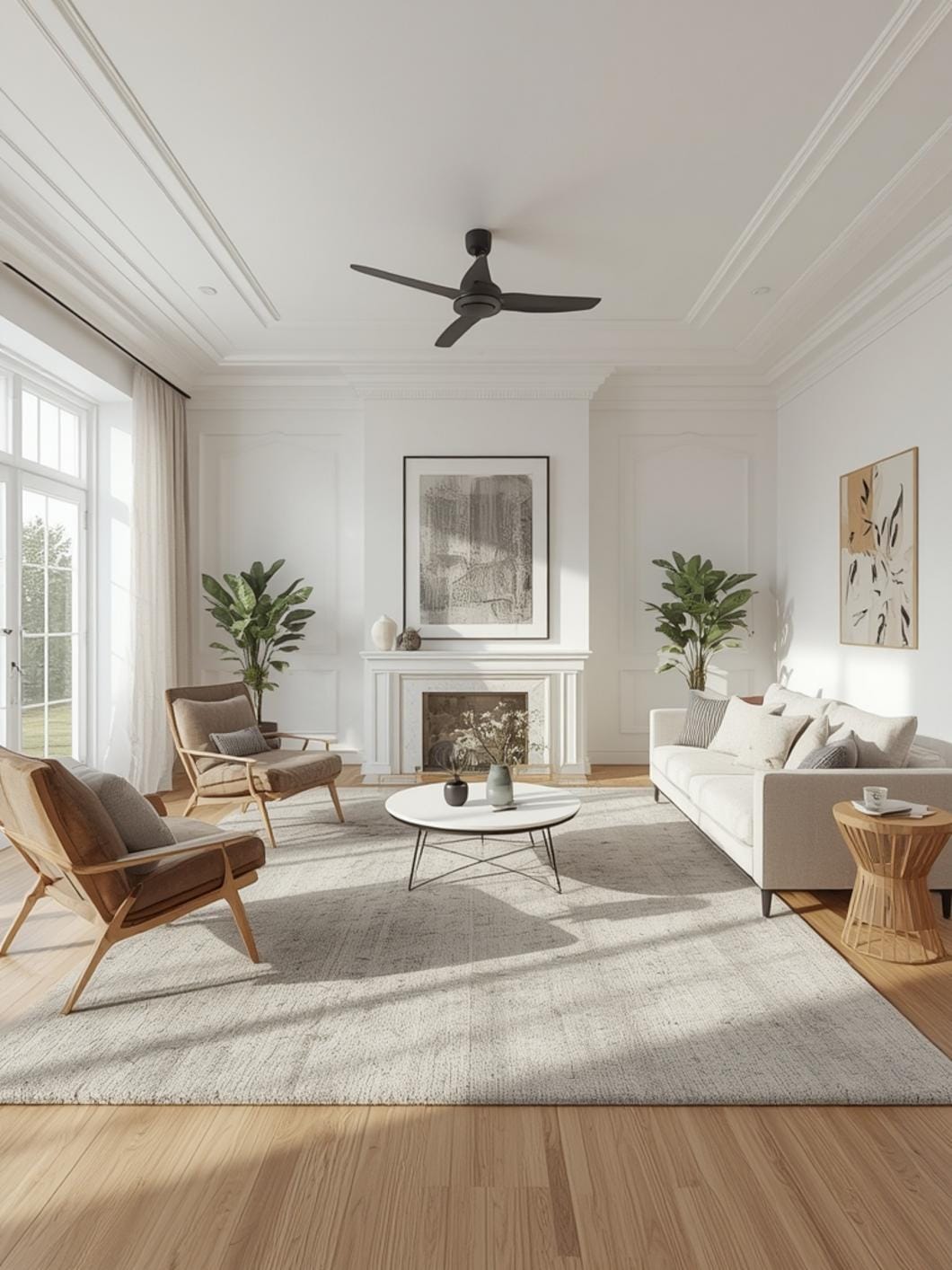
Regular maintenance keeps your rug layout looking intentional rather than sloppy over time.
Vacuum your rug weekly and the exposed floor around it. This prevents dirt from accumulating along the edges where rug meets flooring. Pay special attention to high-traffic areas where furniture legs rest on the rug.
Rotate your rug every six months. This distributes wear evenly and prevents permanent furniture indentations from forming in one spot. When you rotate, it’s also the perfect time to reassess if your layout still serves your needs.
Use furniture pads under all legs resting on your rug. These inexpensive additions prevent crushing the rug pile and make it easier to move furniture when you want to clean or rearrange. They also protect hardwood floors underneath.
Address spills immediately with blotting, not rubbing. Quick action prevents stains from setting into rug fibers. Keep a clean white cloth handy in your living room for fast response to accidents.
Check your rug edges monthly to ensure they’re lying flat and not curling. Rug grippers or double-sided tape help prevent shifting that ruins your carefully planned layout.
Making Your Living Room Finally Feel Right
Your living room rug layout sets the foundation for how your entire space looks and functions. When you position your rug thoughtfully and arrange furniture around it with intention, everything else falls into place naturally.
Start by measuring your space and choosing one of the layout ideas that matches your room size and lifestyle. Don’t be afraid to experiment with painter’s tape before committing to a final arrangement.
Ready to transform more rooms in your home? Explore more inspiring ideas and practical guides here at DecorKingdom, where beautiful, functional living spaces are always within reach.
FAQs
Should my living room rug go under the sofa or just in front of it?
For most living rooms, having at least the front legs of your sofa on the rug creates the most cohesive look. If your rug is large enough and your room allows it, placing all four legs on the rug looks even more polished. Only position the rug completely in front of the sofa if you’re working with a very small space or a statement rug you want fully visible.
How much of my floor should the rug cover in a living room?
Your rug should cover enough floor to anchor all your main furniture pieces while leaving 12-24 inches of bare floor visible around the room’s perimeter. This frames your seating area and makes the space feel intentional. In smaller rooms, you can reduce this border to 8-12 inches if needed.
Can I use a round rug in a square living room?
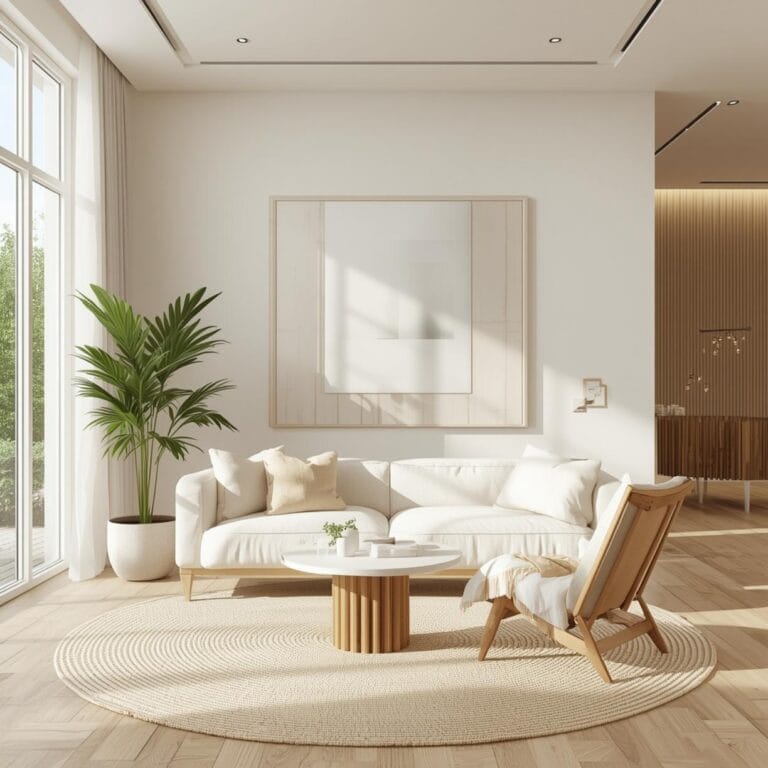
Absolutely! Round rugs work beautifully in square rooms, especially under round coffee tables or in conversation areas with chairs arranged in a circle. Just make sure the rug is large enough that all your furniture relates to it—either with legs on it or positioned close to its edge.
What size rug do I need if my sofa is 84 inches long?
For an 84-inch sofa, you’ll want at least an 8×10 rug if you’re doing the front-legs-only layout. If you want all four legs on the rug with space to spare, choose a 9×12 rug. Always account for your other furniture too—your chairs, coffee table, and side tables should all relate to the rug as well.
How do I keep my rug from sliding around on hardwood floors?
Use a quality rug pad cut to fit slightly smaller than your rug’s dimensions. This prevents slipping while protecting your hardwood from scratches. For lighter rugs that still shift, add double-sided carpet tape or rug grippers at the corners. Furniture weight also helps anchor the rug naturally once your layout is complete.
—
Meta Title: Living Room Rug Layout Ideas That Work Perfectly 2026
Meta Description: Stop guessing where your rug goes. These Living Room Rug Layout Ideas show you exactly how to arrange furniture for a designer look you’ll love daily.