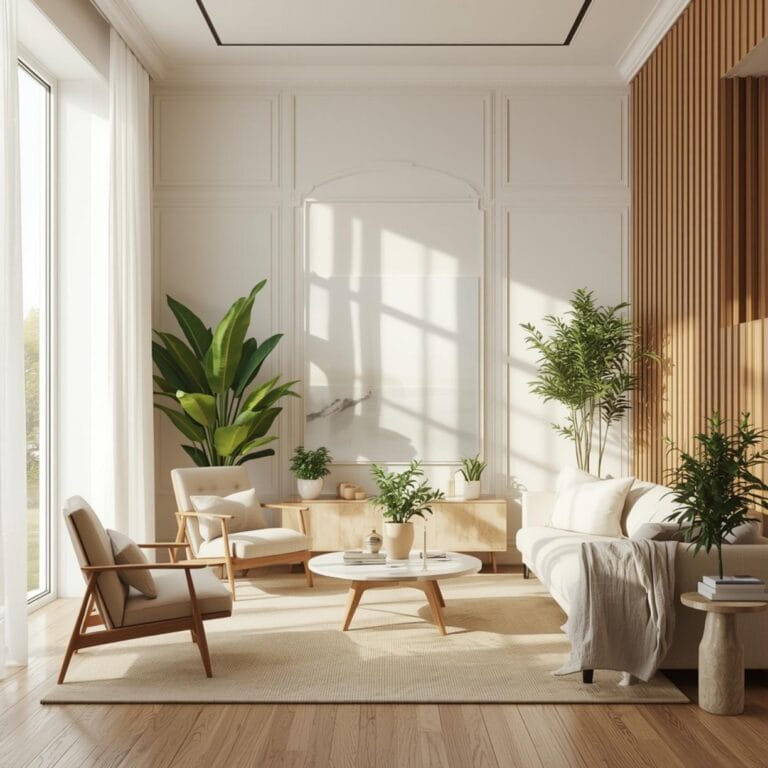
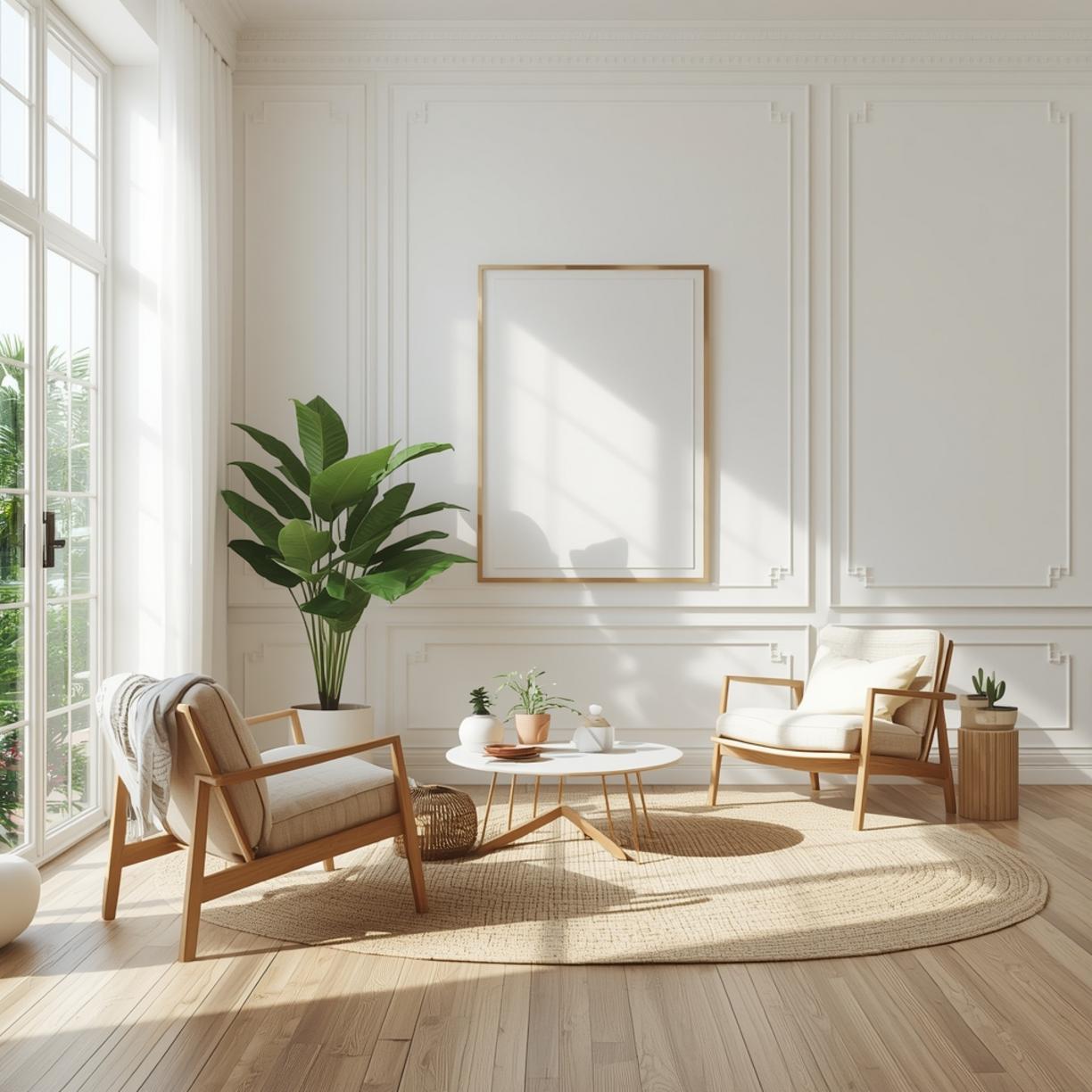
How to Choose Living Room Rug Placement
You’ve found the perfect rug. The color is right, the texture is gorgeous, and you can already imagine it anchoring your living room. But now comes the tricky part: where exactly should it go?
Best Living Room Rug Placement can completely transform how your space feels. Put it in the wrong spot, and your beautiful furniture arrangement looks disconnected and awkward. Get it right, and suddenly your living room feels cohesive, intentional, and magazine-worthy.
The good news? You don’t need to hire a designer to figure this out. With a few simple guidelines and a bit of confidence, you can create a living room layout that looks professionally styled and feels comfortable for your family.
Table of Contents
Key Terms and Elements to Know
Before you roll out that rug, let’s talk about what you’re working with. Understanding these basics will help you make smarter placement decisions.
Furniture pieces to consider:
– Sofa or sectional
– Armchairs or accent chairs
– Coffee table
– Side tables or end tables
– TV stand or media console
Rug types and their impact:
– Area rugs (typically 5×7, 8×10, or 9×12 feet)
– Runner rugs for narrow spaces
– Round rugs for conversation areas
– Layered rugs for added texture
Room zones that matter:
– Conversation area (where seating faces each other)
– Traffic pathways
– Visual focal points (fireplace, window, TV)
The relationship between your rug size and your furniture arrangement matters more than most homeowners realize. A rug that’s too small makes everything look cramped, while the right size creates visual flow.
Common Misconceptions to Clear Up First
Many homeowners think the rug should float in the center of the room with all furniture pushed against the walls. This actually makes your space feel smaller and less inviting.
Another myth? That your rug needs to cover every inch of floor space. Showing some of your beautiful hardwood or tile around the edges actually frames the space better and makes the room feel larger.
Some people worry about placing furniture partially on and off the rug. This is actually one of the best techniques for creating a pulled-together look without buying an enormous rug.
You also don’t need to wait for a complete room makeover to reposition your rug. Small adjustments can make a huge difference in how your existing furniture arrangement feels.
How It Works in Real Homes
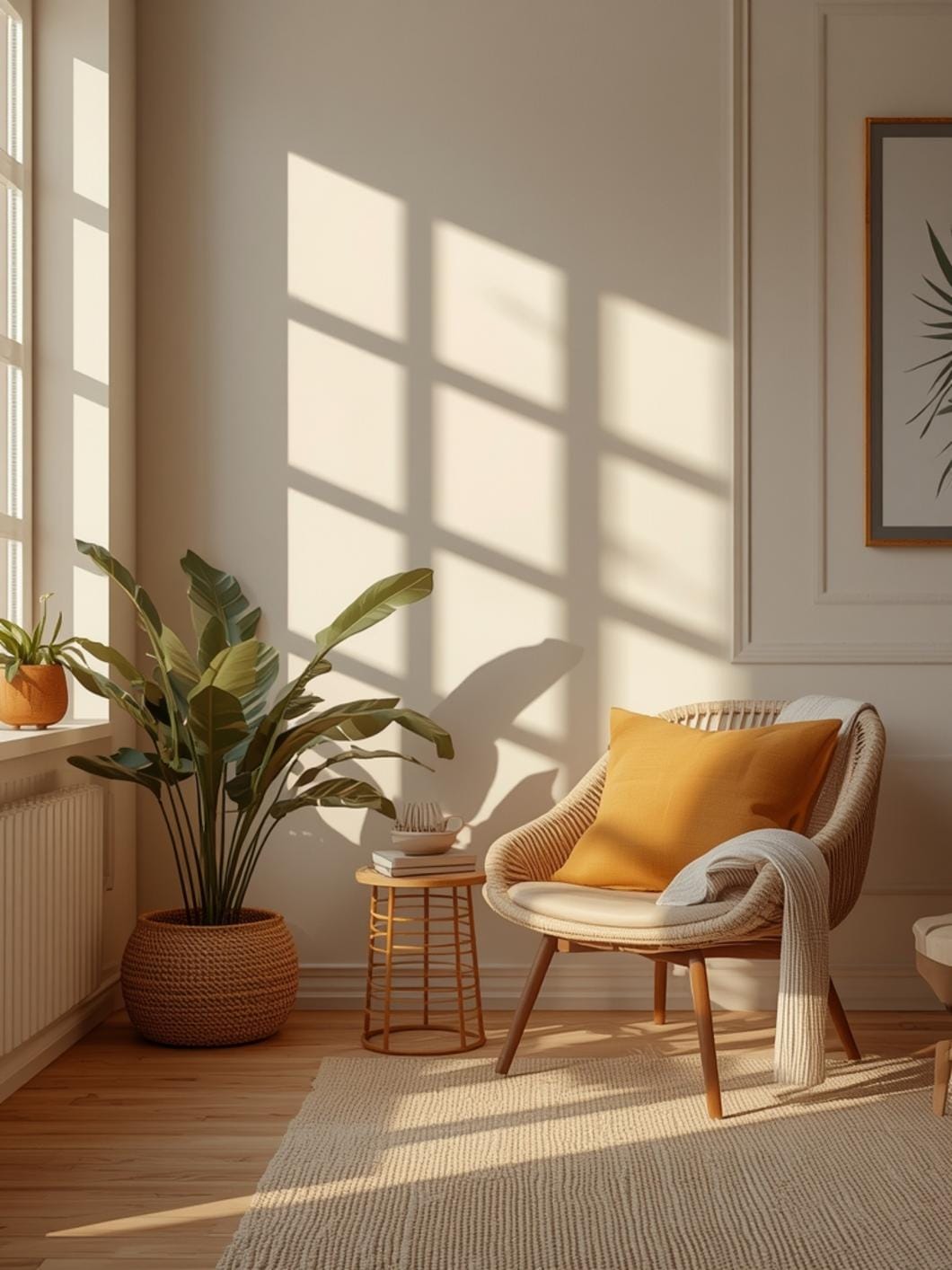
Let’s look at how real homeowners are using smart rug placement to solve common living room challenges.
The Small Living Room Solution
In compact spaces, place your rug so the front legs of all major seating pieces rest on it. Your sofa’s front legs, the front legs of chairs, and your coffee table should all sit on the rug. This creates a defined conversation area without overwhelming the room.
Leave about 10 to 18 inches of floor space visible between the rug edge and the walls. This breathing room actually makes your small space feel larger.
The Open Concept Approach
When your living room flows into your dining area or kitchen, your rug becomes a room divider. How to arrange furniture around a living room rug in open layouts means using the rug to anchor just your seating area, not the entire floor plan.
Position the rug to include your sofa, chairs, and coffee table, but stop before you reach your dining table. This creates distinct zones without building walls.
The Traditional Layout
For more formal living rooms or larger spaces, consider placing all furniture legs fully on the rug. This works beautifully when you have a generously sized rug and want to create an intimate, enclosed feeling.
Your rug should extend at least 6 inches beyond the sides of your sofa on each side. This proportion keeps everything feeling balanced and intentional.
The Sectional Sofa Strategy
Sectionals need special attention because of their L-shape or U-shape configuration. Center your rug under the main seating area, making sure at least the front legs of every section piece touch the rug.
Your coffee table should sit completely on the rug, centered within the sectional’s embrace. This creates a cozy gathering spot that feels purpose-built for conversation.
The Angled Placement Trick
Don’t be afraid to angle your rug on a diagonal in a square room. This unexpected placement adds visual interest and can actually make the space feel more dynamic.
When you angle the rug, position your furniture to follow the same diagonal line. This works especially well in rooms where you want to draw attention away from awkward architectural features.
The Layered Rug Technique
For added texture and style, layer a smaller rug on top of a larger, neutral base rug. The bottom rug should extend under all furniture pieces, while the top rug can be smaller and more decorative.
This approach gives you flexibility to change your room’s look seasonally without moving heavy furniture. It also adds depth and personality to minimalist spaces.
The TV-Centered Arrangement
When your television is the focal point, position your rug so it creates a viewing zone. The rug should ground your seating area while directing attention toward the TV wall.
Make sure your coffee table sits fully on the rug, creating a defined space for family movie nights and game days.
Benefits That Go Beyond Looking Pretty
The right rug placement makes your home more livable in ways you’ll notice every single day. It defines where people naturally gather, making your living room instantly more welcoming to guests.
When furniture sits properly on a rug, it stays in place better. No more constantly pushing chairs back where they belong or dealing with sofas that creep across hardwood floors.
A well-placed rug also absorbs sound, making your living room feel quieter and more peaceful. This matters especially in homes with hardwood or tile floors where sound bounces around.
You’ll find that the right placement makes cleaning easier too. Crumbs and dirt collect on the rug instead of spreading across your entire floor, and vacuuming becomes a more contained task.
Budget-Friendly to Premium Options
Budget-Conscious Choice
Start with what you have and experiment with placement before buying a larger rug. Sometimes simply repositioning your existing rug makes all the difference.
Use furniture placement to make a smaller rug work harder. If your rug doesn’t reach under all furniture pieces, commit to having all pieces either fully on or fully off the rug.
Mid-Range Investment
Choose an 8×10 rug for most standard living rooms. This size typically allows for proper furniture placement without breaking the bank.
Look for rugs with patterns or textures that hide wear in high-traffic areas. This practical choice extends the life of your investment.
Premium Approach
Invest in a custom-sized rug that fits your exact room dimensions. This eliminates the guesswork and creates a truly tailored look.
Consider having a professional measure your space and help you select the perfect size before you buy. This upfront investment prevents costly mistakes.
Small Space Adaptation
In tiny living rooms under 150 square feet, a 5×7 rug often works better than trying to fit a larger size. Place just the front legs of your seating on the rug and let your coffee table anchor the center.
Round rugs work beautifully in small square rooms, softening corners and making the space feel less boxy.
Common Mistakes to Avoid
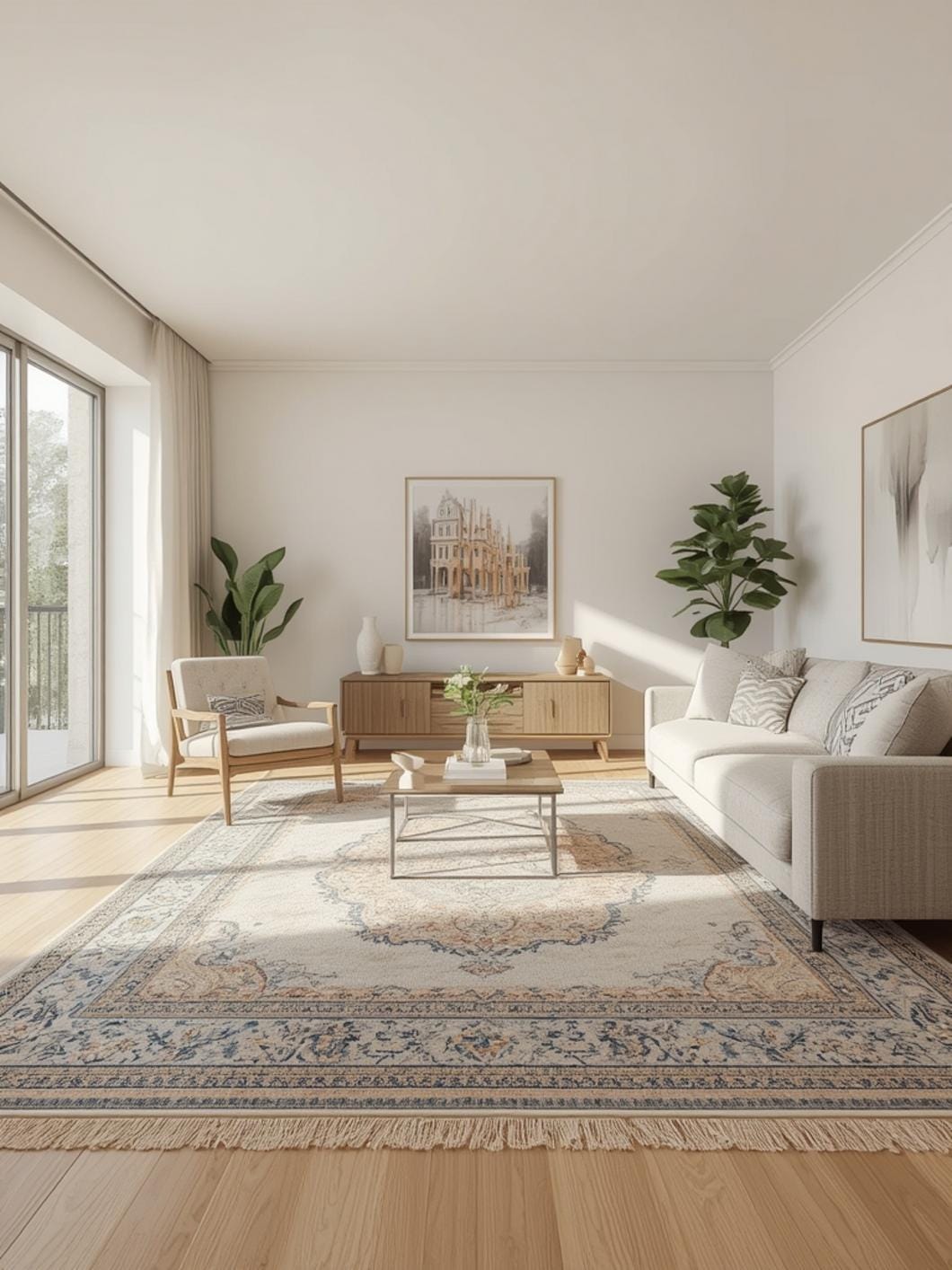
Choosing a rug that’s too small for the space. A tiny rug floating in the middle of your living room makes everything look disconnected and the room feel smaller than it is. Go at least one size larger than you think you need.
Pushing all furniture against the walls with the rug in the center. This creates a disconnect between your seating and the rug, making your conversation area feel scattered. Pull furniture in closer so at least the front legs rest on the rug.
Forgetting to measure before you buy. Eyeballing the space leads to expensive returns and frustration. Measure your room and map out furniture placement with painter’s tape on the floor before shopping.
Ignoring traffic flow patterns. Placing your rug where people naturally walk creates tripping hazards and premature wear. Position the rug to define sitting areas, not walkways between rooms.
Matching the rug exactly to your wall color. This creates a monotonous look that flattens your design scheme. Choose a rug that coordinates but adds contrast or complementary tones instead.
Simple Care That Keeps Your Placement Perfect
Vacuum your rug weekly, going in different directions each time. This prevents the pile from getting permanently crushed in high-traffic areas under your coffee table.
Rotate your rug 180 degrees every six months. This distributes wear evenly, especially important in living rooms where sunlight hits one side more than the other.
Use rug pads under every area rug, even if your rug feels heavy enough to stay put. The pad prevents slipping, protects your floors, and extends your rug’s life by reducing friction.
Address spills immediately by blotting from the outside in. Never rub, which pushes the stain deeper into fibers and can damage the rug’s backing.
Keep furniture coasters or pads under heavy pieces that sit on your rug. These distribute weight and prevent permanent dents in the pile that make your placement look messy.
Making Your Living Room Feel Like Home
Getting your rug placement right creates that pulled-together look you’ve been trying to achieve. Your furniture suddenly makes sense, your living room feels more spacious, and guests always comment on how inviting your home feels.
The techniques you’ve learned here work in any living room, whether you’re styling a cozy apartment or a sprawling family room. Trust your instincts, measure twice, and don’t be afraid to adjust until it feels just right.
Ready to transform other rooms in your home? Explore more practical decorating guides at DecorKingdom that help you create beautiful, functional spaces you’ll love living in.
FAQs
Should all furniture legs be on the rug or just the front legs?
For most living rooms, having just the front legs of seating pieces on the rug works perfectly and looks professionally styled. This approach works well with 8×10 rugs in average-sized rooms. Only go for all legs on the rug if you have a very large space and a generously sized rug.
How much floor should show around my living room rug?
Aim for 10 to 24 inches of floor showing between your rug edge and the walls. This creates a visual frame around your rug and makes the room feel larger. In small apartments, you can go as narrow as 6 inches and still achieve a balanced look.
What size rug do I need for a sectional sofa?
Most sectionals need at least a 9×12 rug to accommodate their footprint properly. Measure your sectional’s full dimensions including any chaise or extended pieces, then add at least 6 inches on each side. The coffee table should fit completely on the rug too.
Can I use a runner rug in my living room?
Runner rugs work best in narrow living rooms or to define pathways, but they’re not ideal for anchoring your main seating area. If you have a long, narrow living room, consider placing furniture perpendicular to the runner rather than parallel to avoid a bowling alley effect.
Should my rug go under my TV stand?
It depends on your layout. If your TV stand is part of your main conversation area, the rug can extend partially under it. But if your seating faces the TV from across the room, it’s usually better to let the rug anchor just the seating area and leave the TV stand off the rug entirely.
—
Meta Title: Best Living Room Rug Placement Guide 2026 – DecorKingdom
Meta Description: Discover the Best Living Room Rug Placement techniques that make your space feel larger and more cohesive. Simple tips for every room size.