How to Choose Large Area Rugs for Living Room
You walk into your living room and something feels… off. The furniture’s great, the lighting is perfect, but the space feels cold and disconnected. That bare floor isn’t doing you any favors.
Large Area Rugs for Living Room spaces can completely change how a room feels. They anchor your furniture, add warmth underfoot, and pull your entire design together. But here’s the catch: choosing the wrong size or style can make your room look smaller and your furniture arrangement feel awkward.
The good news? Once you understand a few key principles about rug sizing and placement, you’ll wonder why you waited so long to make the change.
Table of Contents
What You’ll Need to Get the Look
Before you start shopping, let’s talk about what actually matters when choosing a large area rug:
Rug sizes you’ll likely consider:
– 8×10 feet (most popular for standard living rooms)
– 9×12 feet (ideal for larger spaces or open-concept areas)
– 10×14 feet (for spacious living rooms with multiple seating areas)
Material options that work well:
– Wool rugs for durability and natural stain resistance
– Cotton rugs for easy cleaning and casual spaces
– Jute or sisal for texture and coastal or bohemian styles
– Synthetic blends for high-traffic areas and pet-friendly homes
Items you’ll need for proper placement:
– Measuring tape (the long one, at least 25 feet)
– Painter’s tape to outline rug dimensions on your floor
– Rug pad to prevent slipping and extend rug life
Don’t forget about color and pattern. Solid rugs work anywhere, but patterned options can hide stains better and add visual interest without overwhelming your space.
Finding Your Style and Season
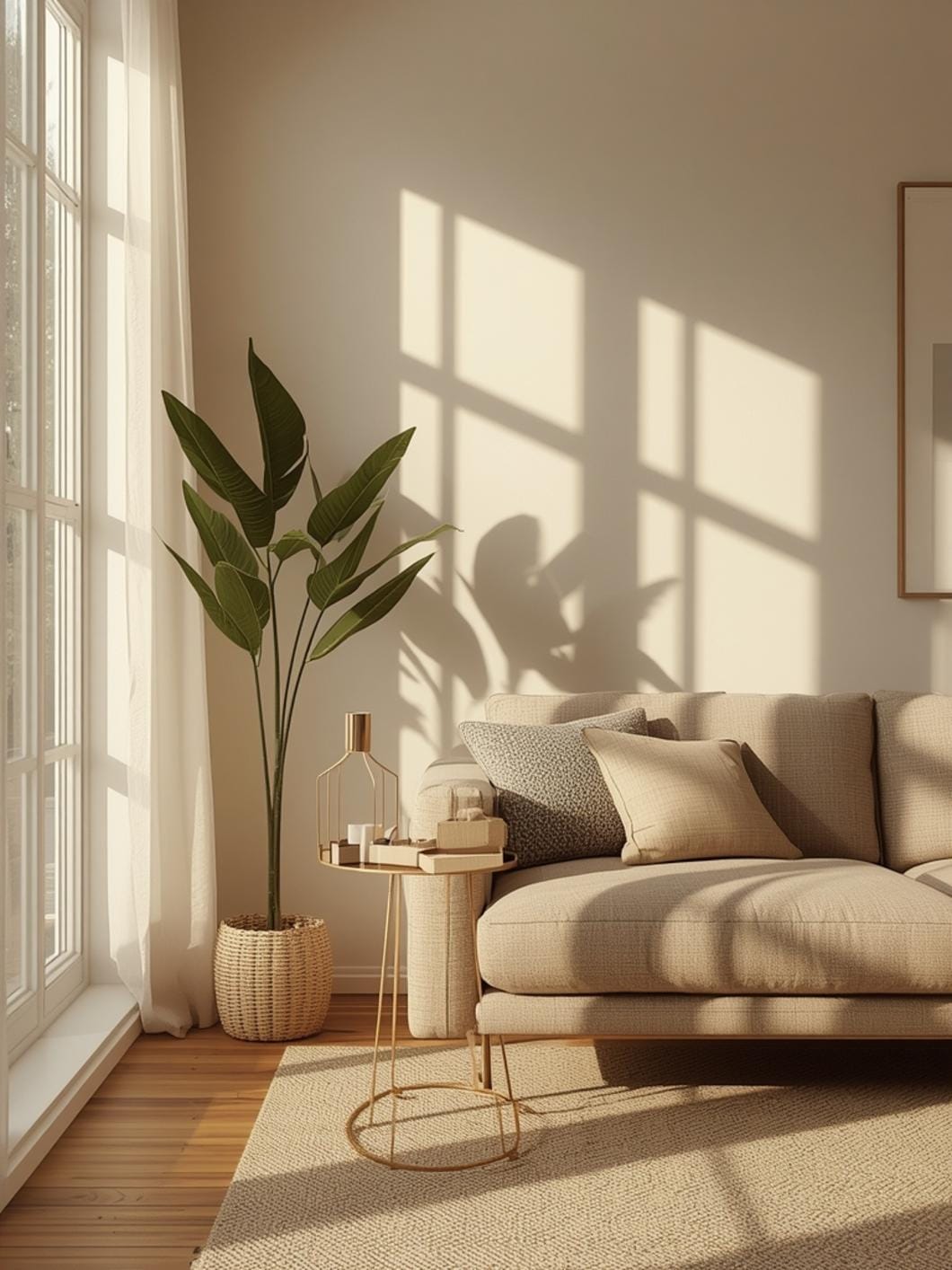
Large area rugs aren’t just about size. They set the mood for your entire living room, and that mood can shift with the seasons.
Spring and summer call for lighter feels:
Light neutrals, soft blues, and natural fibers like jute create an airy atmosphere. These rugs make your space feel bigger and brighter when sunshine streams through your windows.
Fall and winter beg for cozy layers:
Rich jewel tones, deep grays, and plush wool rugs add warmth when the temperature drops. You’ll actually want to kick off your shoes and sink your toes into something soft.
Year-round versatility comes from neutrals:
Cream, beige, gray, and taupe work with any season. You can change your throw pillows and blankets throughout the year while your rug anchors everything beautifully.
Think about your lifestyle too. Got kids or pets? Save the pristine white shag rug for later. Multi-toned patterns in medium colors are your best friend right now.
Your existing furniture matters here. If your sofa and chairs are bold colors or busy patterns, choose a simpler rug. If your furniture is neutral, a patterned rug adds personality without requiring new furniture.
7 Ideas to Try in Your Home
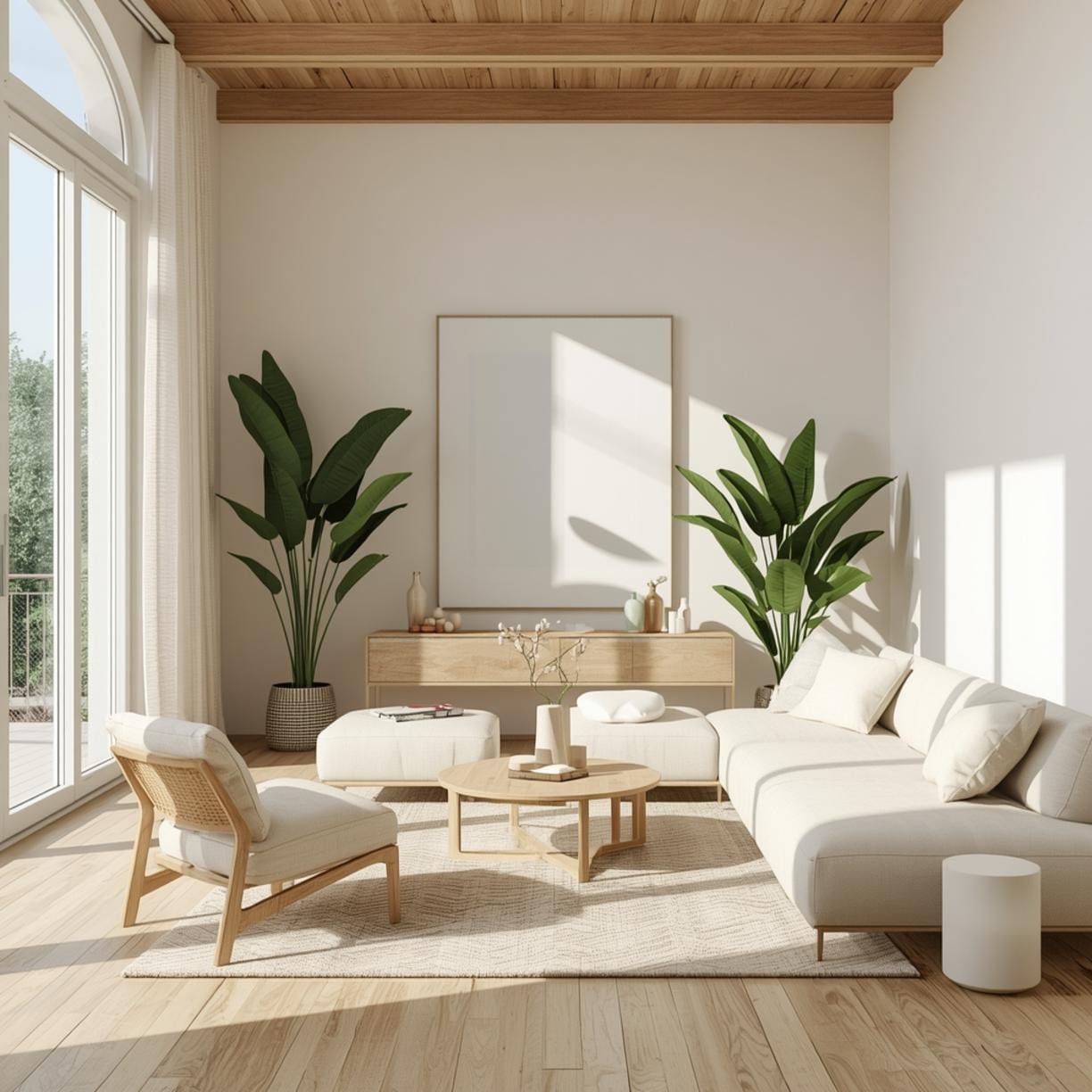
Let’s get into the specific looks you can create with the right large area rug.
1. The Full Float
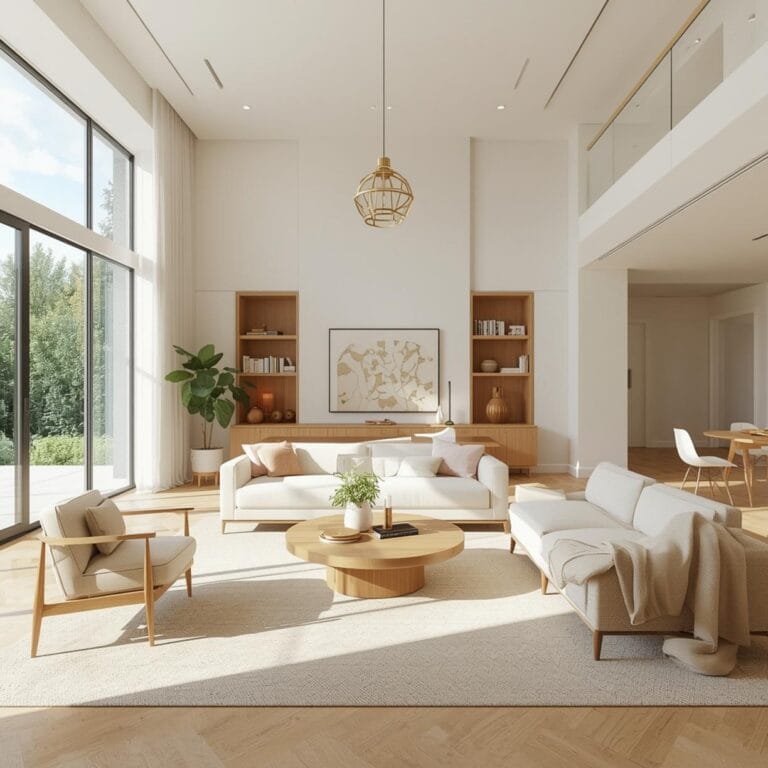
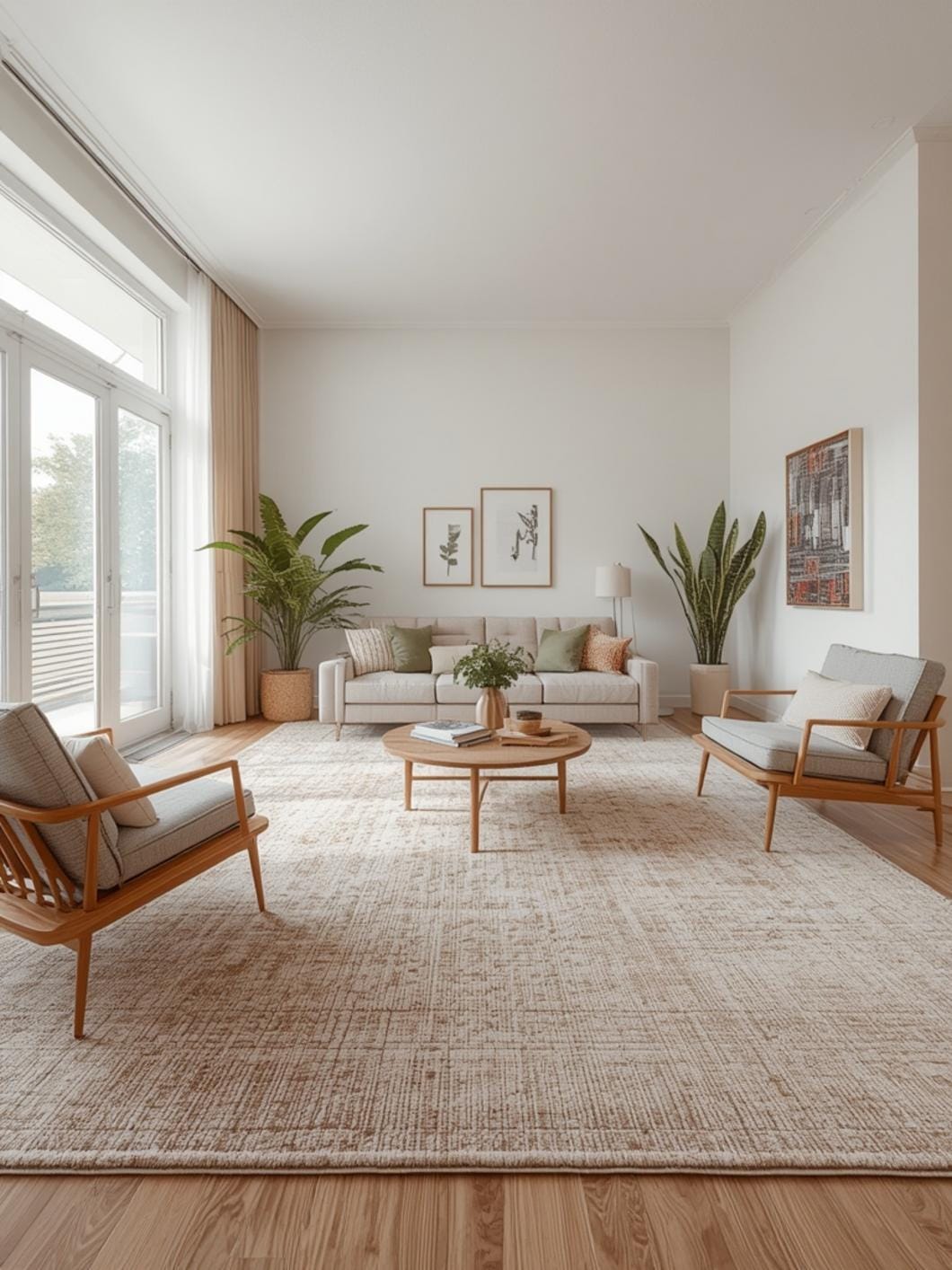
Place your rug so all furniture legs rest completely on it. This works beautifully in dedicated living rooms where the rug defines the entire conversation area. Your 9×12 rug should extend at least 18 inches beyond your sofa on all sides.
2. The Front Feet Only
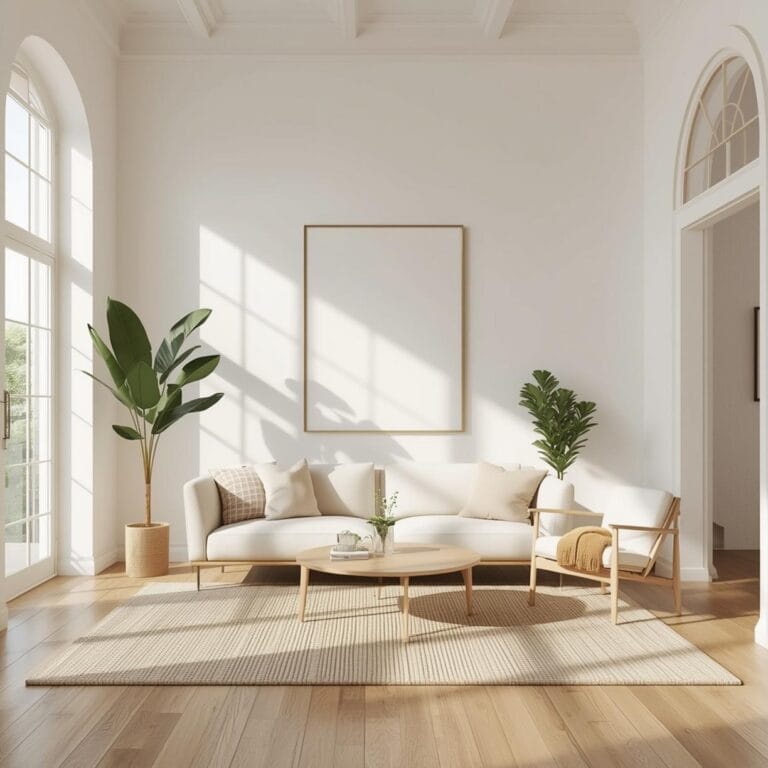
How to measure your living room for the right rug size becomes crucial here. Your sofa and chairs have just their front legs on the rug, while back legs rest on the floor. This approach works perfectly in smaller spaces where a full float would overwhelm the room.
3. The Layered Look
Place a large neutral jute or sisal rug as your base, then layer a smaller patterned rug on top at an angle. This adds depth and works especially well in boho or eclectic spaces. Your base rug should be 9×12 or larger.
4. The Gallery Style
Choose a bold, artistic rug with an eye-catching pattern and treat it like artwork for your floor. Keep surrounding furniture simple and let the rug be your statement piece. This works when your walls and furniture are mostly neutral.
5. The Sectional Anchor
For L-shaped or U-shaped sectionals, your rug should be large enough that all seating pieces have at least their front legs on it. Measure your sectional’s full footprint, then add 2 feet to each dimension for proper proportions.
6. The Open Concept Definer
Use a large rug to separate your living area from your dining space in an open floor plan. The rug creates a visual boundary without walls, making your space feel organized rather than chaotic.
7. The Dual Zone
In very large living rooms, use two coordinating large rugs to create distinct seating areas. This works beautifully when you have a conversation area near the fireplace and a separate reading nook or TV watching zone.
Each of these approaches changes how your room functions and feels. The right choice depends on your furniture layout, room size, and how you actually use your space.
Benefits That Make Large Rugs Worth It
Beyond looking gorgeous, large area rugs solve real problems in your living room.
They make your space feel intentional. Furniture floating on bare floor looks like it was randomly placed. A properly sized rug makes your room feel designed, even if you’re working with hand-me-down furniture.
They improve your home’s acoustics. Hard floors bounce sound around, making your living room echo during conversations or movie nights. A large rug absorbs sound, making your space feel quieter and more intimate.
They protect your flooring. Whether you have hardwood, tile, or laminate, a quality rug pad and rug prevent scratches from furniture legs and reduce wear in high-traffic areas. This matters when you’re thinking about your home’s resale value.
They define your style without commitment. Paint and furniture are bigger investments. A rug lets you experiment with color, pattern, and texture in a way that’s relatively easy to change when you’re ready for something new.
They add warmth in multiple ways. Literally, they insulate your floor and make your room warmer in winter. Visually, they make cold materials like leather sofas and glass coffee tables feel more inviting.
The comfort factor alone makes large rugs worthwhile. Your bare feet will thank you every single morning.
Tips, Alternatives, Styling Advice
Large area rugs come in every price range. Here’s how to approach shopping based on your budget.
Budget-friendly option:
Look for synthetic rugs made from polypropylene or polyester in the $150-$400 range for an 8×10. These clean easily, resist stains, and come in countless styles. They won’t last forever, but they’re perfect for testing out a look or furnishing a rental.
Mid-range option:
Invest $500-$1200 in a wool blend or quality cotton rug. These last significantly longer, feel better underfoot, and often look more expensive than their price tag. This price point offers the best value for most homeowners.
Premium option:
Hand-knotted wool or silk rugs start around $2000 and climb from there. These are heirloom pieces that last decades and actually improve with age. If you’re staying in your home long-term and want something special, this investment pays off.
For small living rooms:
Don’t automatically size down. A larger rug (8×10 minimum) actually makes a small room feel bigger by reducing visual clutter. Just ensure you have 8-12 inches of bare floor showing around the rug’s perimeter.
For rental homes:
Stick with neutral rugs you can take with you. Cream, gray, or beige wool-look synthetics work with any future space and hide imperfections on floors you can’t change.
Pro styling move:
Always use a rug pad. It prevents slipping, adds cushioning, and extends your rug’s life by reducing wear. Spend the extra $50-$150 on a quality pad suited to your floor type.
Common Mistakes to Avoid
Even with the best intentions, it’s easy to get rug sizing and placement wrong.
Choosing a rug that’s too small for your furniture. Your rug should fit under at least the front legs of all seating pieces. If only your coffee table fits on the rug, size up or skip it entirely until you can afford the right size.
Pushing your rug flush against the wall. Leave 8-18 inches of bare floor between your rug edge and the wall to frame the space properly. A rug touching all four walls makes your room feel smaller and cramped.
Matching your rug too perfectly to other elements. Exact matches look forced and flat. Instead, pull accent colors from your rug into pillows and accessories for a collected, layered look.
Forgetting about door clearance. Make sure doors can open fully over your rug. If a door drags, trim the rug, use a thinner option, or adjust placement slightly.
Skipping the measurement step. Use painter’s tape to outline your intended rug dimensions on the floor before buying. Live with those taped lines for a few days to ensure the size works with your actual traffic patterns and furniture arrangement.
These mistakes are fixable, but they’re much easier to avoid in the first place when you measure carefully and think through how you actually use your space.
Maintenance That Keeps Your Rug Looking New
Large rugs are an investment, so protect them with simple regular care.
Vacuum weekly on the appropriate setting. Use a beater bar on low-pile rugs but turn it off for high-pile or shag styles. Vacuum in the direction of the pile to avoid damage.
Rotate your rug every 6 months. This evens out wear patterns and sun fading, especially in rooms with lots of natural light. Mark your calendar so you remember.
Address spills immediately. Blot (never rub) with a clean white cloth, working from the outside of the spill toward the center. Plain water works for most fresh spills.
Deep clean annually. For wool rugs, hire a professional cleaner who specializes in natural fibers. Synthetic rugs can be cleaned with a rental machine, but test any cleaning solution in an inconspicuous corner first.
Shake out small rugs outdoors monthly. For rugs under 6×9, take them outside and shake them vigorously to remove embedded dirt your vacuum misses.
Proper care makes your rug last years longer than neglect would allow. These simple habits become automatic quickly.
Make Your Living Room Feel Complete
Large area rugs bridge the gap between empty floor and finished room. They’re the missing piece that makes everything else in your space make sense.
The right size, style, and placement turn your living room from a collection of furniture into a cohesive space that feels intentionally designed. Start by measuring, use painter’s tape to test sizes, and choose something that fits both your style and your lifestyle.
Ready to see how other design elements can elevate your space? Explore more practical decorating ideas at DecorKingdom.
FAQs
What size rug do I need for a 12×15 living room?
For a 12×15 room, you’ll want at least a 9×12 rug, though a 10×14 works even better if your furniture arrangement is generous. The rug should leave 8-18 inches of bare floor around the perimeter to frame the space properly. If you have a large sectional, lean toward the bigger size.
Should all furniture legs be on the rug or just the front legs?
Both approaches work beautifully depending on your room size and rug size. In larger rooms, having all legs on the rug creates a luxurious, cohesive look. In average-sized spaces, front legs only works perfectly fine and is actually more common. Never have a rug where no furniture touches it at all.
How far should a rug extend beyond the sofa?
Your rug should extend at least 12-18 inches beyond your sofa on the sides and front where other furniture sits. This ensures your coffee table and side chairs also rest on the rug, creating a unified seating area. Measure your full furniture grouping before shopping for rugs.
Can I use a large rug in a small living room?
Absolutely, and you should. A properly sized large rug actually makes a small living room feel bigger by reducing visual breaks in the floor. Just ensure you maintain that 8-12 inch border of bare floor around the edges. An 8×10 is usually the minimum size that looks right in any living room.
What’s the best rug material for high-traffic living rooms?
Wool and synthetic blends are your best options for durability in high-traffic areas. Wool naturally resists stains and bounces back from furniture dents beautifully. Quality polypropylene rugs offer similar durability at lower price points and clean even more easily. Avoid delicate materials like silk or viscose in busy spaces.
—
Meta Title: Large Area Rugs for Living Room: Complete Guide 2026
Meta Description: Find the perfect Large Area Rugs for Living Room size and style. Expert tips on measuring, placement, and choosing rugs that make your space stunning.