How to Choose Blue Wall Art for Your Living Room
You walk into your living room and something feels off. The walls are bare, the space lacks personality, and you’re not sure where to start. You’ve scrolled through countless images online, but translating those gorgeous spaces into your own home feels overwhelming.
Blue wall art for living room spaces offers the perfect solution. Blue brings calm, sophistication, and versatility that works with nearly any style. Whether you love coastal vibes, modern minimalism, or traditional elegance, blue art creates visual interest without fighting your existing decor.
The best part? You don’t need an interior designer to make it work. With the right approach, you can transform your living room into a space that feels both pulled-together and personal.
Table of Contents
What You’ll Need to Get the Look
Before you start shopping, consider what elements will help your blue art shine in your space.
Art pieces themselves:
– Canvas prints in various shades of blue
– Framed photography featuring water, skies, or abstract compositions
– Metal wall sculptures with blue patina or paint
– Textured paintings with dimensional elements
Supporting decor items:
– Picture hanging strips or traditional picture hooks
– Level tool for straight placement
– Measuring tape for proper spacing
– Pencil for marking wall positions
– Decorative throw pillows in complementary colors
– Area rugs that echo the blue tones
– Table lamps with blue ceramic bases
– Accent furniture pieces in neutral tones
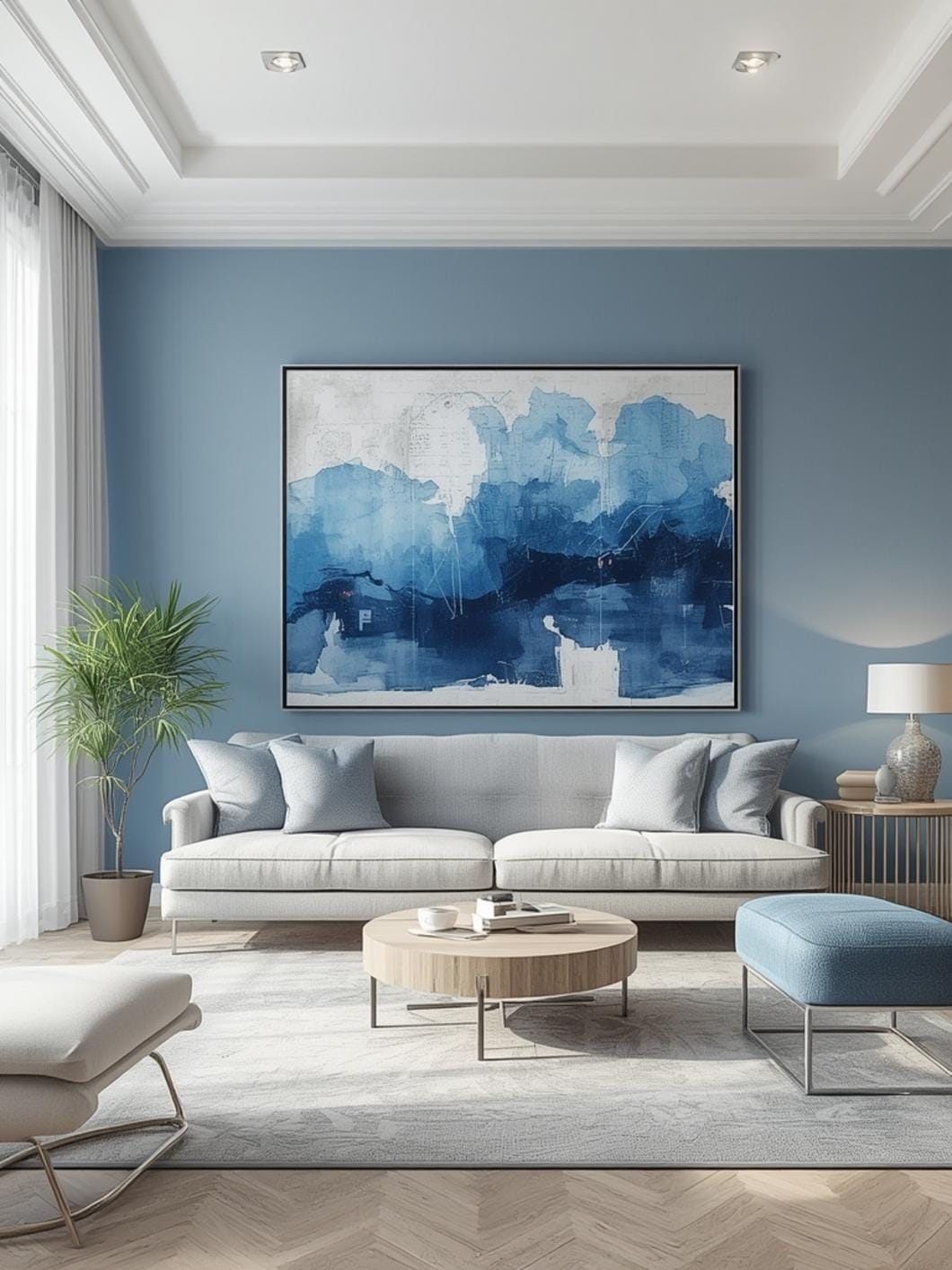
Your existing furniture dictates which blue shades will work best. Navy and cobalt pop against cream or beige sofas. Lighter aquas and teals complement gray upholstery beautifully. Take a photo of your current setup before shopping so you can reference your actual colors.
Finding Your Style and Season
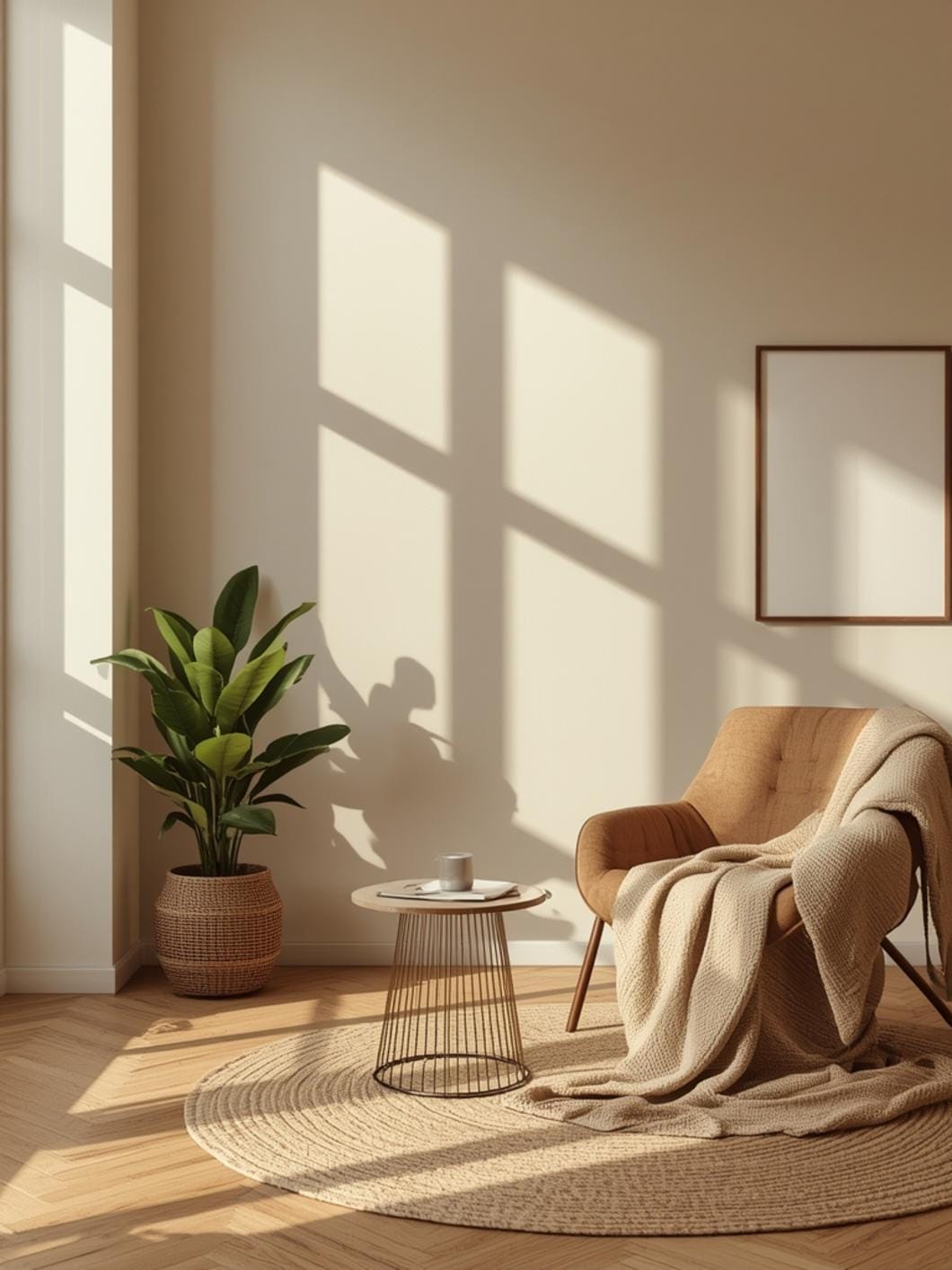
Blue art works year-round, but certain shades shine during specific seasons. This helps you plan whether to rotate pieces or stick with versatile middle-ground tones.
Summer months call for bright turquoise and cerulean blues that echo clear skies and ocean waters. These energizing shades make your living room feel breezy and fresh during warm weather. Pair them with white or natural wood frames for maximum impact.
Fall and winter favor deeper blues like navy, indigo, and slate. These richer tones create cozy atmosphere when daylight hours shrink. They also pair beautifully with autumn metallics like copper and brass.
Your personal style matters more than trends. Coastal enthusiasts lean toward sea-inspired blues with beach photography or wave abstracts. Modern minimalists prefer geometric blue prints with clean lines. Traditional homes look stunning with blue botanical prints or classic landscapes.
Consider the mood you want to create. Soft powder blues promote relaxation and work well in spaces where you unwind. Bold cobalt or electric blue energizes a room where you entertain guests.
7 Ideas to Try in Your Home
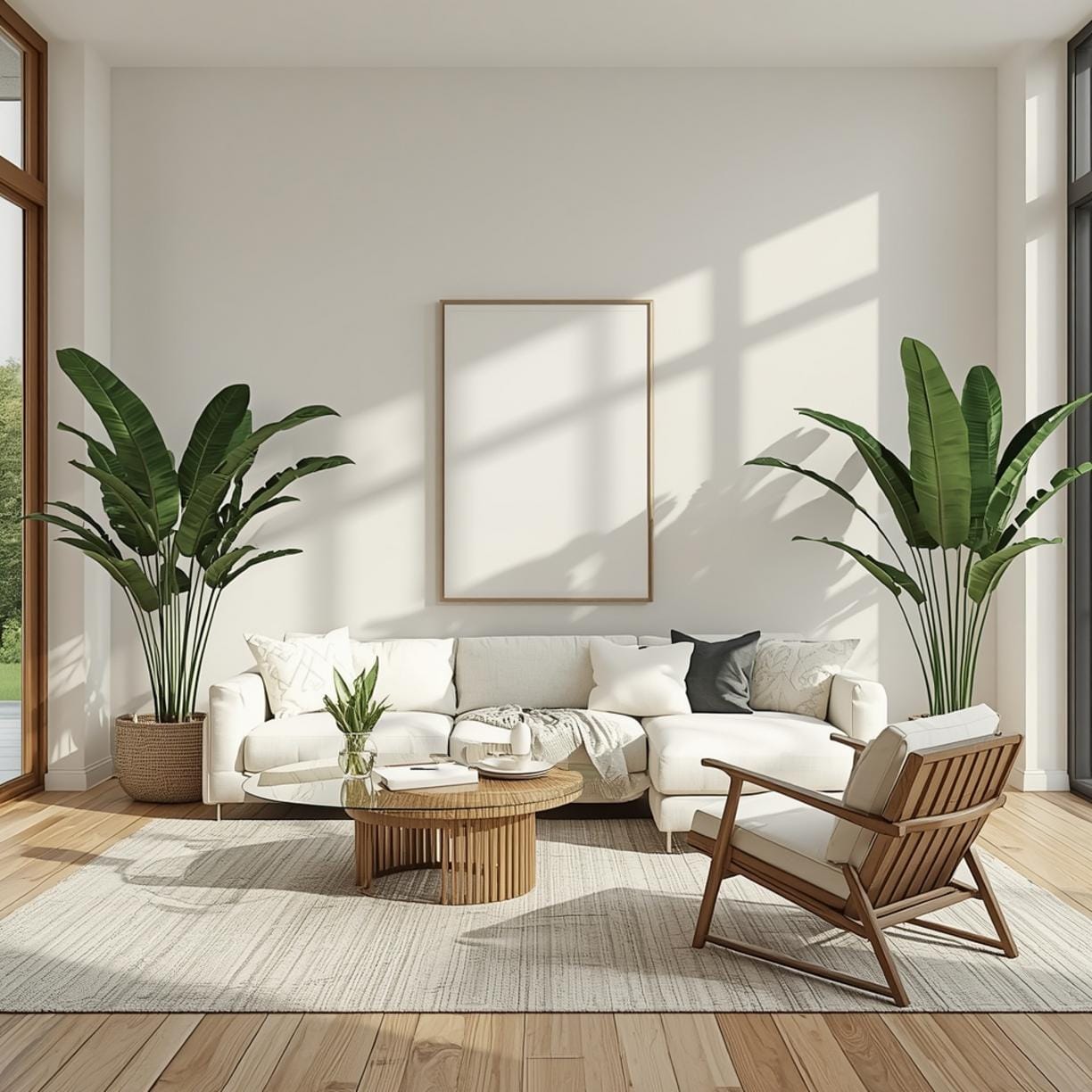
Create a gallery wall with mixed blue tones
Combine three to seven pieces in varying shades from pale sky blue to deep navy. Mix frame styles—some modern black frames with vintage gold ones. This layered approach adds visual depth without overwhelming your space. Place the largest piece slightly off-center and build around it.
Go bold with one oversized statement piece
A single large canvas measuring 40×60 inches or bigger makes dramatic impact above your sofa. Choose an abstract piece with blue as the dominant color but including accent hues that match your throw pillows or curtains. This approach works perfectly when how to incorporate blue art into small living rooms without overwhelming the space is your concern—one large piece actually makes a compact room feel bigger than multiple small ones.
Layer artwork on floating shelves
Install two or three floating shelves and lean framed blue art against the wall rather than hanging it. This casual styling feels relaxed and lets you easily swap pieces when you want change. Add small plants or decorative objects between frames for dimension.
Pair blue art with complementary colors
Blue loves company. Hang blue artwork alongside pieces featuring coral, warm gold, or soft gray. This creates conversation between pieces while preventing your walls from feeling too matchy-matchy.
Use triptychs for horizontal walls
Three connected panels spread horizontally fill wide wall spaces above sectionals or long console tables. Look for triptychs showing progressive color transitions from light to dark blue, or ocean scenes that span across all three panels.
Mix mediums for texture
Don’t limit yourself to flat prints. Combine a blue canvas painting with a metal wave sculpture and a framed textile piece. The varied textures catch light differently throughout the day, making your display dynamic.
Create symmetry with matching pairs
Hang identical blue prints on either side of a window, fireplace, or large mirror. This formal arrangement suits traditional and transitional homes beautifully. Keep the rest of your decor simple so the symmetrical art becomes the focal point.
Benefits of Blue Wall Art
Blue art delivers benefits that go beyond simple decoration. This color choice impacts how you feel in your space every single day.
Blue naturally lowers stress levels and promotes calm. Studies show that blue tones can actually slow your heart rate and reduce anxiety. After a hectic workday, walking into a living room with soothing blue art helps you decompress.
Your space instantly feels more designed and intentional. Bare walls make rooms feel unfinished, but adding blue art signals that you care about your environment. Guests notice this attention to detail immediately.
Blue’s versatility means your art investment lasts through multiple decorating phases. While you might tire of trendy colors quickly, blue remains timelessly appealing. You can update throw pillows, rugs, and accessories around your blue art without replacing the artwork itself.
The color enhances natural and artificial lighting beautifully. Light blue pieces brighten rooms with limited windows. Darker blue art adds richness to spaces flooded with sunlight. This adaptability makes blue work in any living room, regardless of your home’s orientation.
Blue art creates visual flow when your living room connects to other spaces. The color naturally leads the eye and creates cohesion between rooms without requiring identical decor.
Tips, Alternatives, and Styling Advice
Budget-friendly option:
Print high-resolution blue photographs yourself and frame them in simple black frames from discount stores. Ocean horizons, blue doors from Mediterranean villages, or abstract watercolor patterns work beautifully. Total investment runs under $100 for a gallery wall of four to six pieces.
Mid-range option:
Shop for original pieces from local artists at community art fairs or online marketplaces featuring independent creators. You’ll spend $150-400 per piece but own something unique. Many artists offer payment plans, making this more accessible than you might think.
Premium option:
Invest in museum-quality limited edition prints or commissioned original paintings from established artists. Budget $800-2000 per piece. These become conversation starters and can appreciate in value over time.
Small space adaptation:
Use vertical arrangements rather than horizontal ones in compact living rooms. Three medium-sized pieces stacked vertically draws the eye upward, making ceilings feel higher. Avoid dark navy in tiny spaces—stick with lighter aqua, sky blue, or powder blue to maintain airiness.
Choose art that’s proportional to your furniture. Your largest piece should be roughly two-thirds the width of the sofa or console table beneath it. Going too small makes everything look disconnected.
Layer lighting to showcase your art properly. Add picture lights, track lighting, or strategically placed floor lamps that highlight your blue pieces after dark. Art disappears in dim rooms no matter how beautiful it is.
Common Mistakes to Avoid
Hanging art too high on the wall
The center of your artwork should sit at eye level, approximately 57-60 inches from the floor. Many homeowners hang pieces way too high, making the room feel disconnected and awkward.
Matching blue tones too perfectly
Using identical shades of blue in art, pillows, and rugs looks flat and one-dimensional. Instead, vary your blues—combine navy with powder blue, or turquoise with slate for depth and visual interest.
Ignoring the art’s surroundings
Your blue artwork doesn’t exist in isolation. Step back and ensure it complements your furniture arrangement, lighting, and traffic flow rather than competing with these elements.
Skipping proper measurements before purchasing
Buying art before measuring your wall space leads to pieces that are too small or overwhelmingly large. Measure twice, then use painter’s tape to outline the dimensions on your wall before committing to a purchase.
Forgetting about glare and sunlight
Placing art directly opposite windows causes glare that obscures the image. Position pieces perpendicular to windows, or use non-reflective glass in frames to solve this problem.
Maintenance and Upkeep Tips
Keep your blue wall art looking fresh with minimal effort and basic supplies you already own.
Dust frames and glass monthly using a microfiber cloth. Gently wipe from top to bottom in straight lines. For textured canvas pieces without glass, use a soft brush attachment on your vacuum at the lowest suction setting.
Avoid hanging blue art in direct sunlight, which fades pigments over time. If your living room gets intense afternoon sun, invest in UV-protective glass for framed pieces. This simple upgrade extends the life of your art by years.
Check hanging hardware twice yearly to ensure everything remains secure. Picture hooks can loosen over time, especially in homes with vibrations from nearby traffic or active kids.
Clean glass-covered art with streak-free glass cleaner and a lint-free cloth. Spray the cleaner onto the cloth rather than directly on the glass to prevent moisture from seeping behind the frame.
For canvas pieces, never use water or cleaning solutions. If something spills on your art, blot gently with a dry cloth and consult a professional art restorer for anything beyond surface dust.
Rotate your collection seasonally if you own multiple pieces. This prevents overexposure to light and keeps your decor feeling fresh without new purchases.
Bringing It All Together
Blue wall art transforms your living room from basic to beautiful without requiring expensive renovations or professional help. The color’s natural calming properties create the peaceful atmosphere you crave while offering enough variety to match any decorating style.
Start with one or two pieces that genuinely speak to you rather than trying to fill every wall at once. Your collection will grow naturally over time as you discover what works in your specific space.
Ready to explore more ways to elevate your living spaces? Browse DecorKingdom for fresh inspiration that turns your decorating dreams into reality.
FAQs
What shade of blue works best in small living rooms?
Light to medium blues like sky blue, aqua, or soft teal work best in compact spaces. These shades reflect light and make rooms feel larger rather than closing them in. Save deep navy or indigo for accent pieces rather than large artworks when space is limited.
Can I mix blue art with warm-toned furniture?
Absolutely! Blue pairs beautifully with warm wood tones, tan leather, and beige upholstery. Choose blues with slight green undertones like teal or turquoise to bridge the warm-cool divide. This combination creates balanced contrast that feels intentional rather than clashing.
How many pieces of blue art should I hang together?
For gallery walls, aim for odd numbers—three, five, or seven pieces create visual balance. For symmetrical arrangements, use two or four matching pieces. A single large statement piece also works perfectly and often makes stronger impact than multiple small items.
Should my blue art match my throw pillows exactly?
No, exact matches look too coordinated and flat. Instead, pull one or two accent colors from your artwork into pillows while varying the shades of blue. This creates cohesion without looking like everything came from the same catalog page.
How do I choose between abstract and realistic blue art?
Consider your existing decor style and personal preference. Modern and contemporary rooms suit abstract blue pieces beautifully. Traditional and transitional spaces often look better with realistic subjects like landscapes or botanicals. When uncertain, abstract art offers more versatility across different decorating styles.
—
Meta Title: Blue Wall Art for Living Room: Fresh Ideas for 2026
Meta Description: Transform your space with blue wall art for living room. Get styling tips, size guides, and budget options that work in any home. Read now!