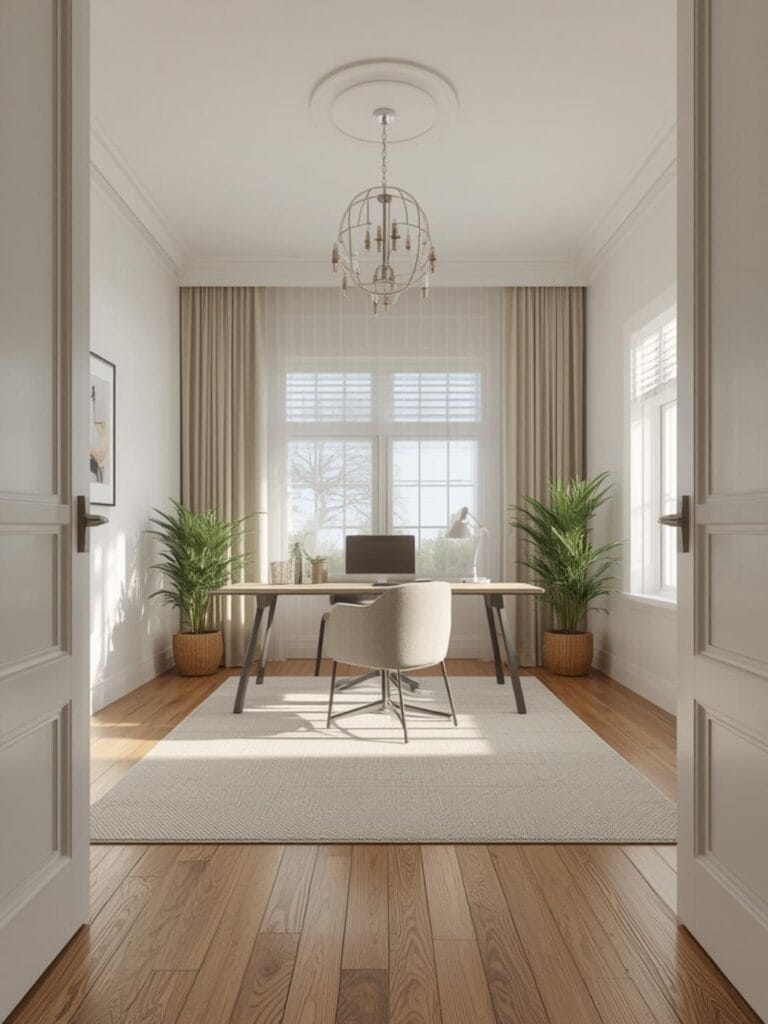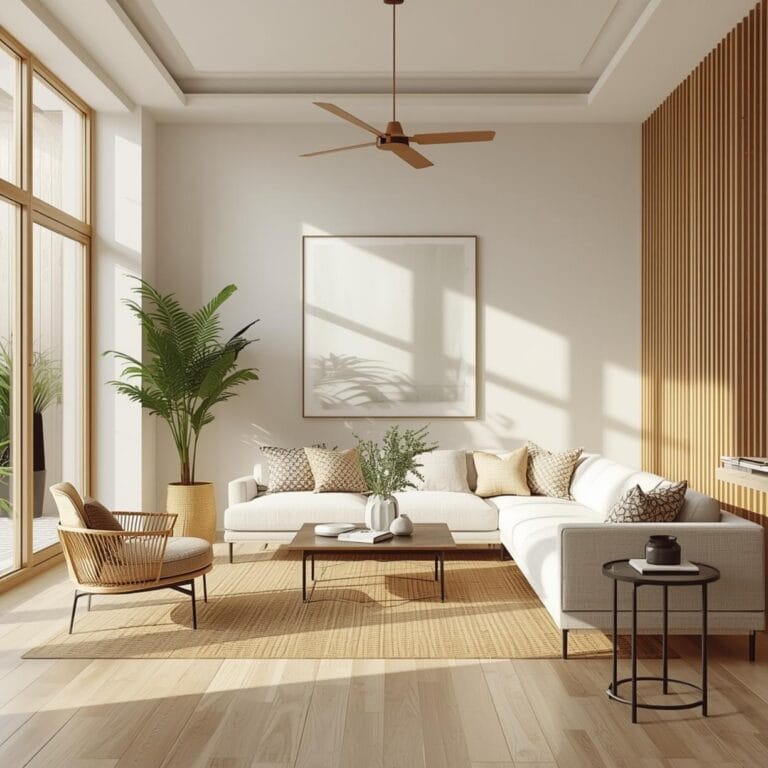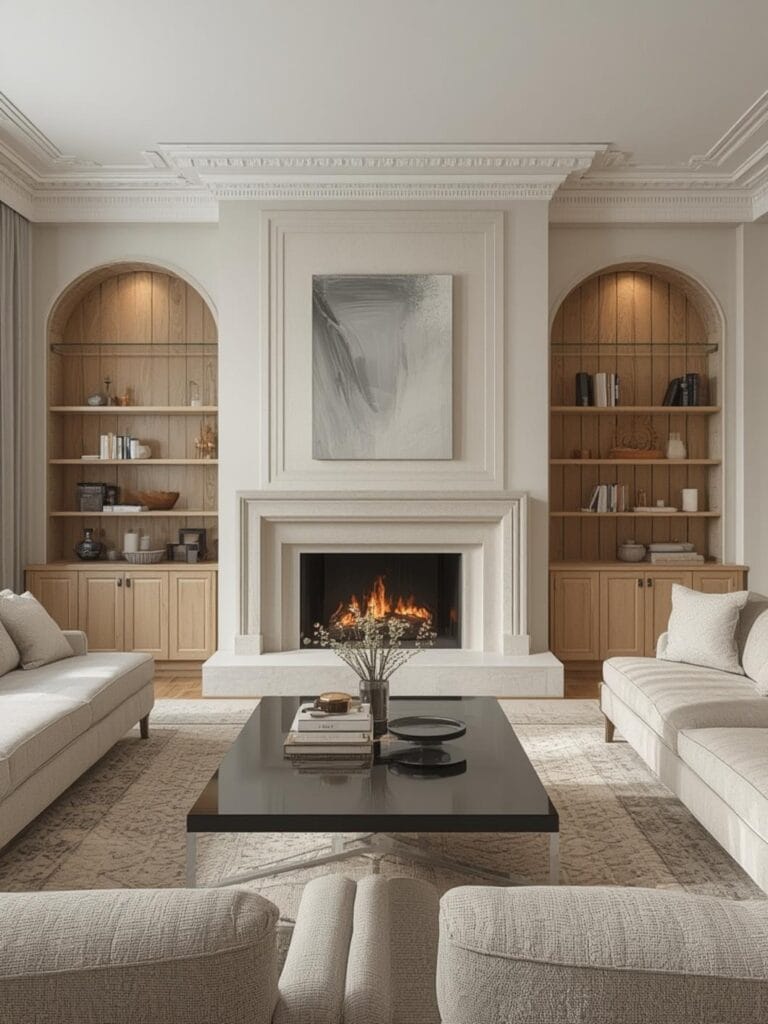
How to Create a Feng Shui Living Room That Feels Balanced
Have you ever walked into your living room and felt something was just… off? Maybe the space feels cramped even though you have enough square footage, or your family gravitates toward other rooms instead of gathering there. The ancient practice of Feng Shui offers surprisingly practical solutions for these modern home challenges, and you don’t need to be a design expert to apply them.
This Feng Shui Living Room Guide will show you exactly how to create a living room that feels welcoming, balanced, and full of positive energy. You’ll discover simple furniture placement tricks, color choices, and décor decisions that make your space feel right for the first time.
The best part? These changes don’t require a renovation budget or professional help. You can start rearranging your furniture this weekend and feel the difference immediately.
Table of Contents
Key Terms and Elements to Know
Before you start moving furniture around, let’s clarify what you’re actually working with. Feng Shui isn’t about mysticism—it’s about creating flow and balance in your home using thoughtful design principles.
The commanding position refers to furniture placement where you can see the door without being directly in line with it. This applies to your sofa, chairs, and any seating where you’ll spend significant time.
Chi is simply the energy or flow throughout your space. Think of it as how easily you and your family move through the room without bumping into things or feeling blocked.
The five elements include wood, fire, earth, metal, and water. In practical terms, these translate to furniture materials, colors, textures, and decorative objects you already own or can easily find.
You’ll want to work with what you have: your existing sofa, chairs, coffee table, side tables, lamps, rugs, artwork, plants, mirrors, and decorative accessories. Don’t worry about buying everything new—Feng Shui is more about arrangement than acquisition.
Natural materials like wood furniture, cotton or linen textiles, ceramic vases, and live plants will serve you better than synthetic alternatives. But again, work with your current pieces first before shopping for replacements.
Common Misconceptions to Clear Up First
Many homeowners think Feng Shui means filling your home with bamboo plants and Buddha statues. That’s actually not true at all—authentic Feng Shui focuses on spatial relationships, natural light, and comfortable flow patterns.
You might believe your living room layout is fixed because of where your windows and doors are located. While architectural features do matter, you have far more flexibility than you think once you understand which walls work best for different furniture pieces.
Another misconception is that Feng Shui requires you to follow strict rules about color. Yes, colors carry energy, but you don’t need to paint everything beige or avoid your favorite bold hues. The key is balance and intention, not rigid formulas.
Some people worry that Feng Shui principles will clash with their existing décor style. Whether your home is modern farmhouse, coastal, traditional, or eclectic, these spatial principles actually enhance any aesthetic rather than fighting against it.
Finally, you don’t need to implement every single Feng Shui principle perfectly to see benefits. Even small adjustments to furniture placement or lighting can dramatically improve how your living room feels and functions.
How It Works in Real Homes
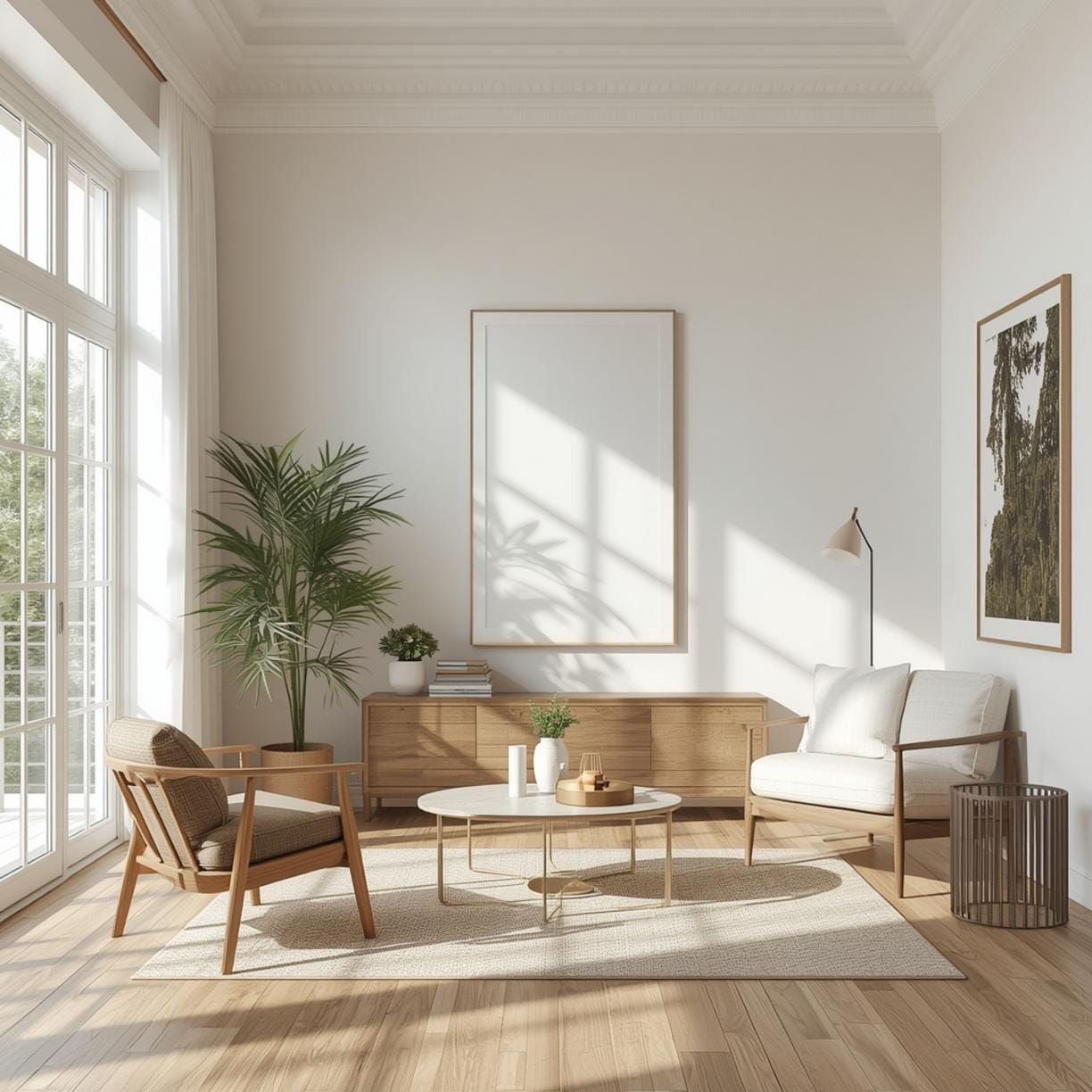
Let’s walk through how to arrange furniture for positive energy flow in living rooms using real examples you can apply immediately. These aren’t theoretical concepts—they’re practical changes homeowners make every day with impressive results.
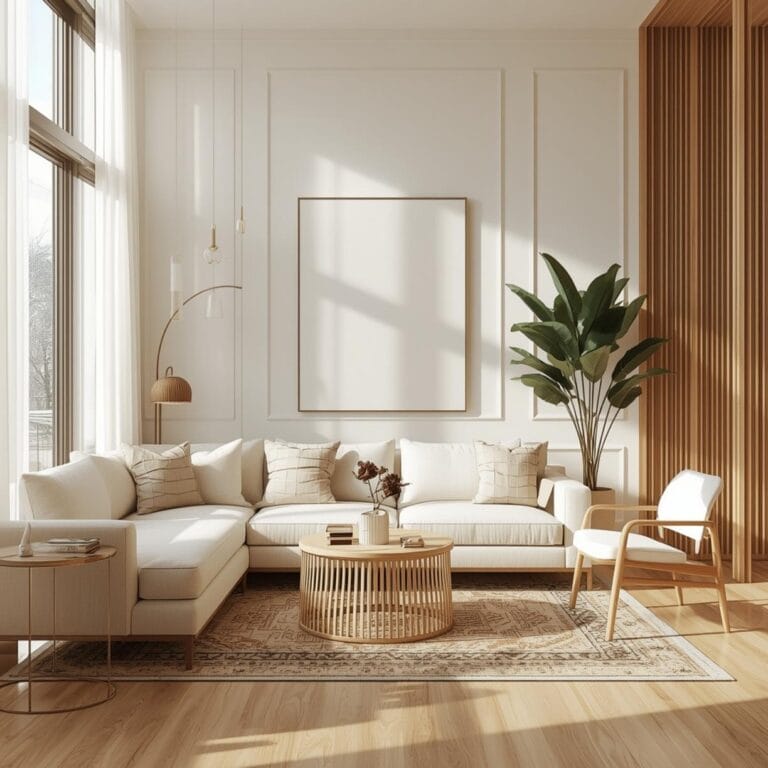
Start with your sofa placement. Position your main seating so it faces the room’s entrance but isn’t directly aligned with the doorway. This commanding position makes everyone feel secure and aware of their surroundings without feeling exposed. If your current layout has the sofa blocking the natural walking path, you’re creating stagnant chi right from the entry point.
Create conversation zones. Arrange chairs and additional seating in a semi-circle or U-shape that encourages face-to-face interaction. Avoid lining all furniture against the walls like a waiting room—this pushes energy to the perimeter and leaves a dead zone in the center. Pull pieces slightly away from walls to allow chi to circulate behind furniture.
Balance the five elements visually. Look around your room right now. Do you see mostly one type of material or color? If everything is wood and earth tones, add metal accents through picture frames or lamps. If your space feels cold with lots of metal and glass, introduce soft textiles and wooden accessories. The goal is variety, not perfection.
Address your coffee table situation. Round or oval tables with soft edges create better energy flow than sharp rectangular corners. If you love your rectangular table, make sure it’s proportional to your seating—not so large that people struggle to walk around it, and not so small that it feels disconnected from the seating group.
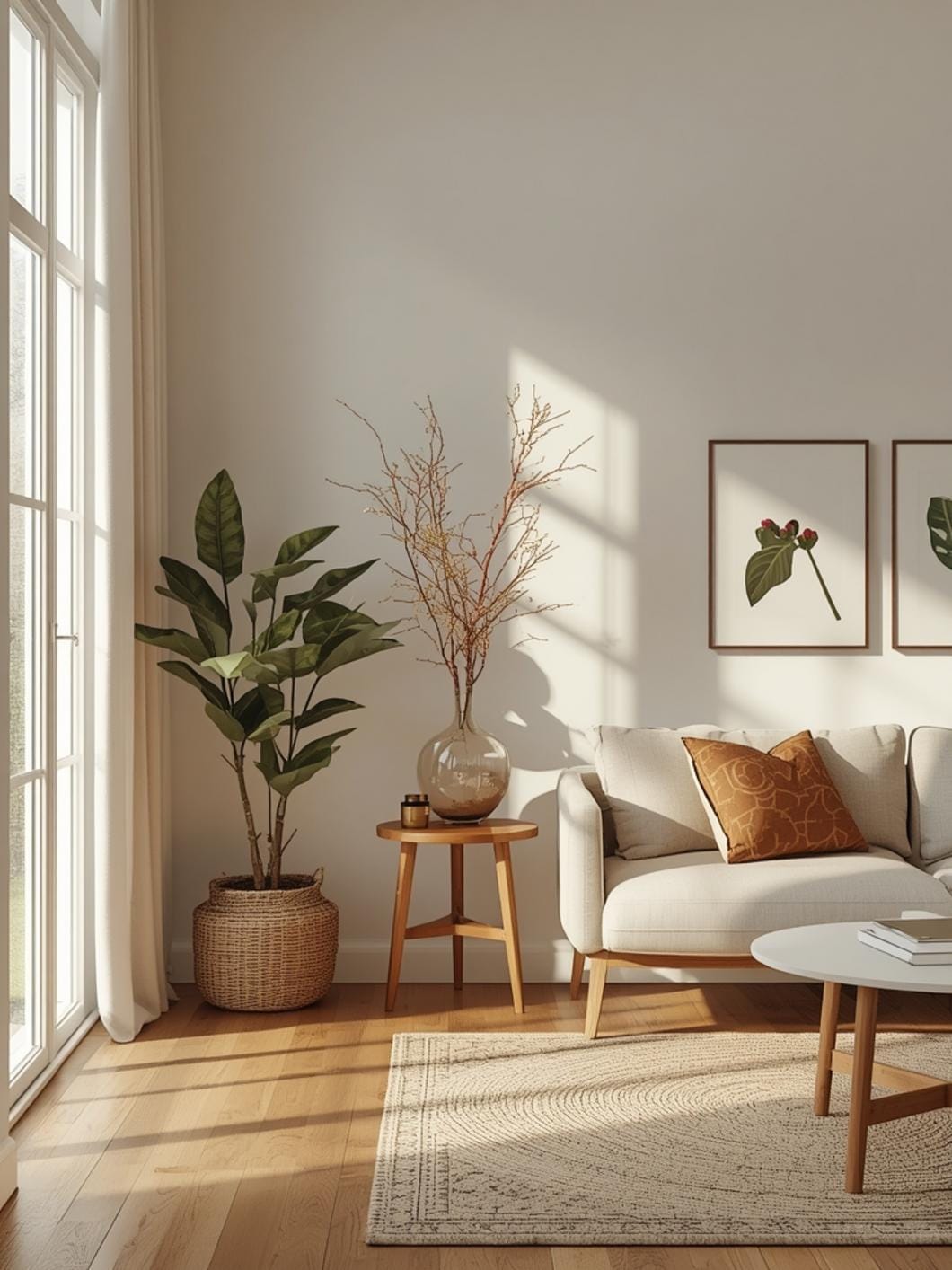
Let natural light lead the way. Keep window treatments simple and functional so you can easily adjust light levels throughout the day. Heavy, permanently closed drapes block positive energy. If privacy is a concern, use layered treatments that give you flexibility—sheer curtains with side panels, or cellular shades that adjust from top or bottom.
Clear the clutter from corners. Corners naturally collect stagnant energy, especially when they become dumping grounds for storage. Place a tall plant, a floor lamp, or a decorative object in corners to keep energy moving. This simple trick makes rooms feel more spacious and intentional.
Position your TV thoughtfully. While Feng Shui traditionally predates television, the principle still applies—your TV shouldn’t dominate the room as the only focal point. Balance its presence with artwork, plants, or a beautiful bookshelf on an adjacent wall. When possible, conceal it in a cabinet or use a frame-style TV that displays art when not in use.
Create clear pathways. Walk through your living room right now using different entry and exit points. Do you have to sidestep around furniture or squeeze between pieces? Widen these pathways to at least 30 inches. You’ll immediately notice how much better the room feels when movement is effortless.
Benefits You’ll Notice Right Away
The most immediate benefit you’ll experience is how much more inviting your living room becomes. Family members who previously scrolled on their phones in separate rooms will actually want to spend time together in this newly balanced space.
You’ll also notice reduced stress and anxiety when you’re in the room. Proper furniture arrangement eliminates that nagging feeling of discomfort you couldn’t quite identify before. Your nervous system relaxes when you can see entrances and exits without turning your head.
Better conversation flow happens naturally when seating faces each other at comfortable distances. You won’t need to strain to hear someone or shout across a poorly arranged room. Guests often comment on how comfortable and welcoming a Feng Shui-optimized living room feels, even if they can’t articulate exactly why.
Many homeowners report improved sleep quality after applying Feng Shui principles throughout their home, starting with the living room. When your main gathering space has positive energy flow, it sets the tone for your entire home’s atmosphere.
Natural light optimization means you’ll use overhead lighting less during the day, which can lower your electricity bills. You’ll also find yourself opening windows more often, improving indoor air quality without thinking about it.
Budget-Friendly Ways to Apply These Principles
The budget approach costs nothing but your time. Simply rearrange your existing furniture following the commanding position principle. Move your sofa away from the wall by 12–18 inches, angle chairs to face the seating area, and clear walking paths. Add free elements like opening curtains wider or moving plants from other rooms into empty corners.
The moderate investment runs between $100–$500 and might include new throw pillows in colors that balance your five elements, an area rug that properly grounds your seating area, or a few key plants that bring life energy into the space. You might also invest in better window treatments that allow light control or replace a coffee table with a more appropriately sized one.
The premium approach involves $500–$2,000 for larger changes like a new sofa positioned perfectly for your room’s energy flow, professional-quality artwork that serves as a balanced focal point, or a complete lighting redesign with dimmers and layers. You might hire a Feng Shui consultant for a one-time assessment, though the principles in this guide give you the foundation to work independently.
For small living rooms, the rules actually become easier to follow because you have less space to complicate. Focus on one perfect seating arrangement, one statement plant, and keeping surfaces clear. Use mirrors strategically on walls perpendicular to windows to expand the sense of space without creating the unsettling effect of mirrors facing doors.
Common Mistakes to Avoid
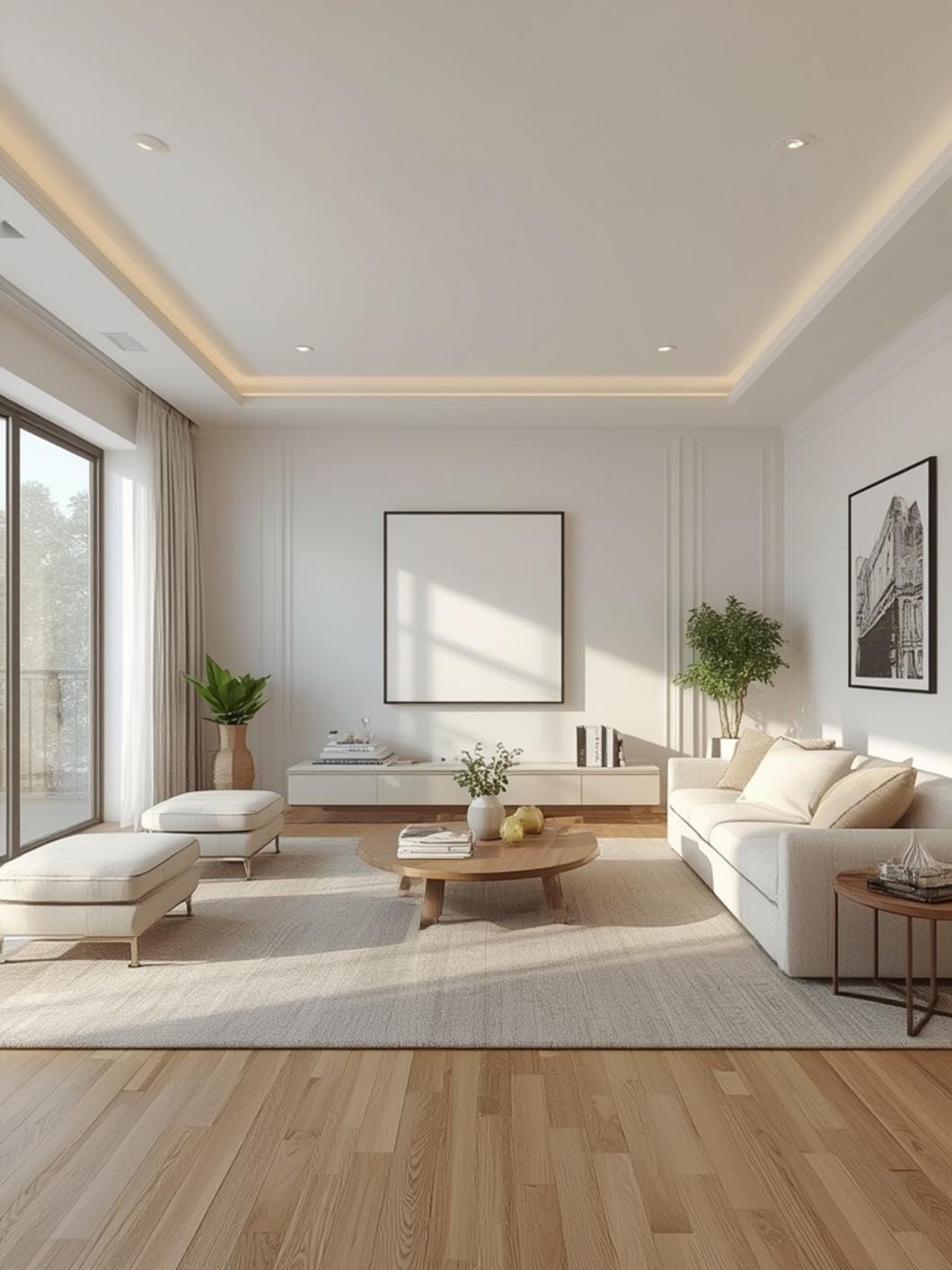
Blocking the natural flow path from the door to the rest of your home is the most frequent error homeowners make. Solution: stand at your entrance and identify the most direct route through the living room, then arrange furniture to support rather than obstruct that pathway.
Pushing all furniture against walls might seem like it creates more floor space, but it actually makes rooms feel disconnected and unwelcoming. Solution: pull your sofa and chairs at least 12 inches from walls to create circulation space and a more intimate conversation area.
Hanging artwork too high disrupts the visual flow and makes ceilings feel lower. Solution: position art so the center sits at 57–60 inches from the floor, which aligns with average eye level and creates better proportional balance.
Using only overhead lighting creates harsh shadows and eliminates the layered ambiance that makes living rooms feel cozy. Solution: add table lamps, floor lamps, and even candles at different heights throughout the room to create depth and warmth.
Ignoring dead corners where energy stagnates leads to rooms that feel incomplete no matter how well you arrange the main furniture. Solution: place a tall plant, floor lamp, or decorative ladder in corners to keep visual interest and energy moving throughout the entire space.
Keeping Your Space Balanced Long-Term
Dust and clean your living room weekly to maintain positive energy flow. Stagnant dust literally represents stagnant chi, and clearing it away takes just minutes but makes a noticeable difference in how fresh your space feels.
Rotate decorative objects seasonally to keep the room feeling dynamic and intentional. Every three months, swap out throw pillows, artwork, or small accessories. This practice prevents your space from feeling stale and gives you regular opportunities to reassess the five-element balance.
Prune plants monthly and replace any that are dying or struggling. Dead or dying plants represent declining energy and work against everything else you’ve done to optimize the space. Healthy, thriving plants are worth the minimal maintenance they require.
Reassess your furniture arrangement twice yearly, especially after adding new pieces or when your family’s needs change. What worked perfectly when your kids were toddlers might need adjustment as they become teenagers who need different gathering spaces.
Keep surfaces relatively clear between cleaning sessions. That doesn’t mean sterile—it means intentional. Each object on your coffee table or side tables should serve a purpose or bring you joy, not accumulate randomly because you haven’t put things away.
Make Your Living Room Work for You
Creating a Feng Shui living room isn’t about following ancient rules blindly—it’s about making your space work better for how you actually live. When you position furniture thoughtfully, balance elements naturally, and maintain clear pathways, your living room becomes the heart of your home it was always meant to be.
Start with one or two changes this weekend and notice how different your space feels. You don’t need to implement everything at once to see real improvements in both the function and feeling of your favorite gathering spot.
Ready to transform other rooms in your home using these same principles? Explore more practical design guides at DecorKingdom to create balance and beauty throughout every space you love.
FAQs
Can I use Feng Shui principles if my living room is really small?
Small living rooms actually benefit most from Feng Shui because every piece of furniture matters more when space is limited. Focus on the commanding position for your sofa, keep one clear pathway through the room, and use one or two well-placed mirrors to expand the sense of space. Small spaces force you to be intentional, which is exactly what Feng Shui encourages.
Do I need to get rid of my TV to have good Feng Shui?
Not at all—Feng Shui principles adapt to modern life, and that includes television. The key is not letting the TV become the only focal point in your room. Balance it with other elements like plants, artwork, or an attractive bookshelf so the room serves multiple purposes beyond just watching shows. Consider concealing it when not in use if that fits your style.
What’s the best color for a Feng Shui living room?
There’s no single “best” color because it depends on which direction your living room faces and what energy you want to cultivate. Generally, earth tones like warm beiges and soft greens work well for most living rooms because they’re grounding and welcoming. The more important principle is having variety—include all five elements through your color choices rather than painting everything one shade.
How far should my sofa be from the wall?
Aim for 12–18 inches between your sofa and the wall to allow energy to circulate behind it and create a more intimate seating area. If your room is very small, even 6 inches makes a difference. The goal is preventing your furniture from looking like it’s trying to escape the room by pressing against the walls.
Can I combine Feng Shui with my modern farmhouse style?
Absolutely—Feng Shui principles enhance any design style rather than replacing it. Your modern farmhouse aesthetic with natural wood, neutral colors, and cozy textiles actually aligns beautifully with Feng Shui’s emphasis on natural materials and balanced elements. You’re simply arranging those pieces in ways that optimize flow and energy while maintaining the look you love.
—
Meta Title: Feng Shui Living Room Guide: Transform Your Space 2026
Meta Description: Create positive energy flow in your living room with this Feng Shui Living Room Guide. Simple furniture placement tips for a balanced, welcoming home.