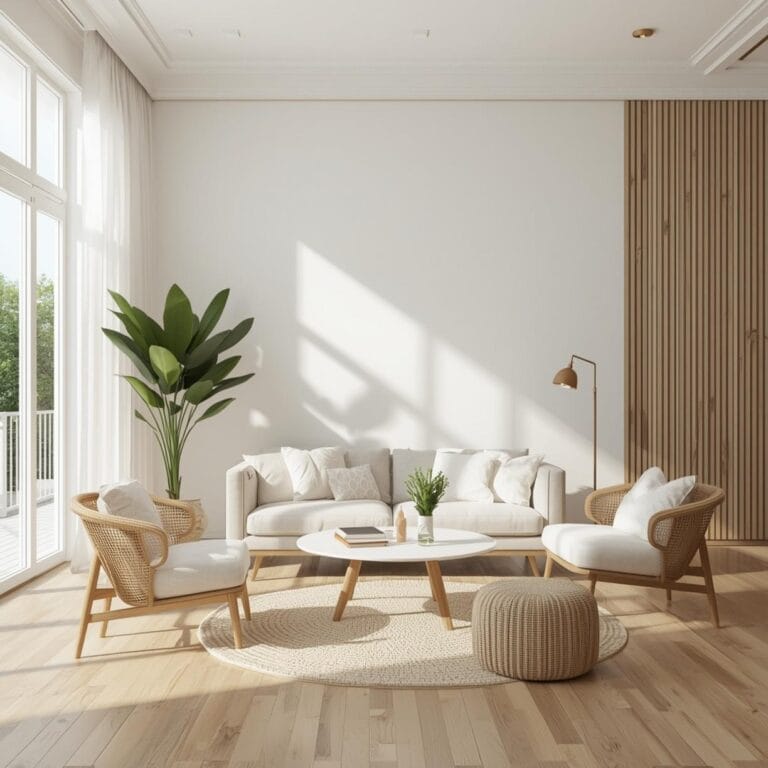
How to Choose Rustic Dining Room Sets for Your Home
Walking into your dining room should feel like coming home, not stepping into a catalog you can’t relate to. You want warmth, character, and a space where family dinners feel special—but you also want your home to feel current and stylish, not stuck in a farmhouse time warp.
That’s the beauty of Rustic Dining Room Sets. They bring that cozy, lived-in charm without forcing you to commit to a full country cabin aesthetic. Whether you’re drawn to the natural wood grain of reclaimed tables or the sturdy simplicity of farmhouse-style chairs, rustic dining furniture works surprisingly well in modern spaces.
The trick is knowing how to blend those elements so everything feels intentional, not mismatched. You’re about to discover exactly how to do that.
Table of Contents
What You’ll Need to Get the Look
Creating a rustic dining space doesn’t mean hauling in antiques or hunting down vintage treasures (though you certainly can if that’s your thing). Here’s what actually makes rustic dining rooms work:
Furniture Pieces:
– Solid wood dining table with visible grain (oak, pine, walnut, or reclaimed wood)
– Mix-and-match seating: wooden chairs, upholstered benches, or metal stools
– Sideboard or buffet in natural wood finish
– Open shelving unit (optional but adds storage and display space)
Decor Essentials:
– Neutral linen or cotton table runners
– Ceramic or stoneware dinnerware in cream, gray, or earth tones
– Simple centerpiece items: wooden bowls, fresh greenery, or pillar candles
– Woven placemats or jute chargers
– Metal accents in black iron, bronze, or brass
Lighting Elements:
– Statement pendant light or chandelier with rustic materials (wood beads, metal cage, Edison bulbs)
– Wall sconces with industrial or farmhouse styling
– Table lamps for buffet surfaces (if space allows)
You don’t need everything on this list. Start with the dining set itself, then layer in decor pieces as your budget and style evolve.
Finding Your Style and Season
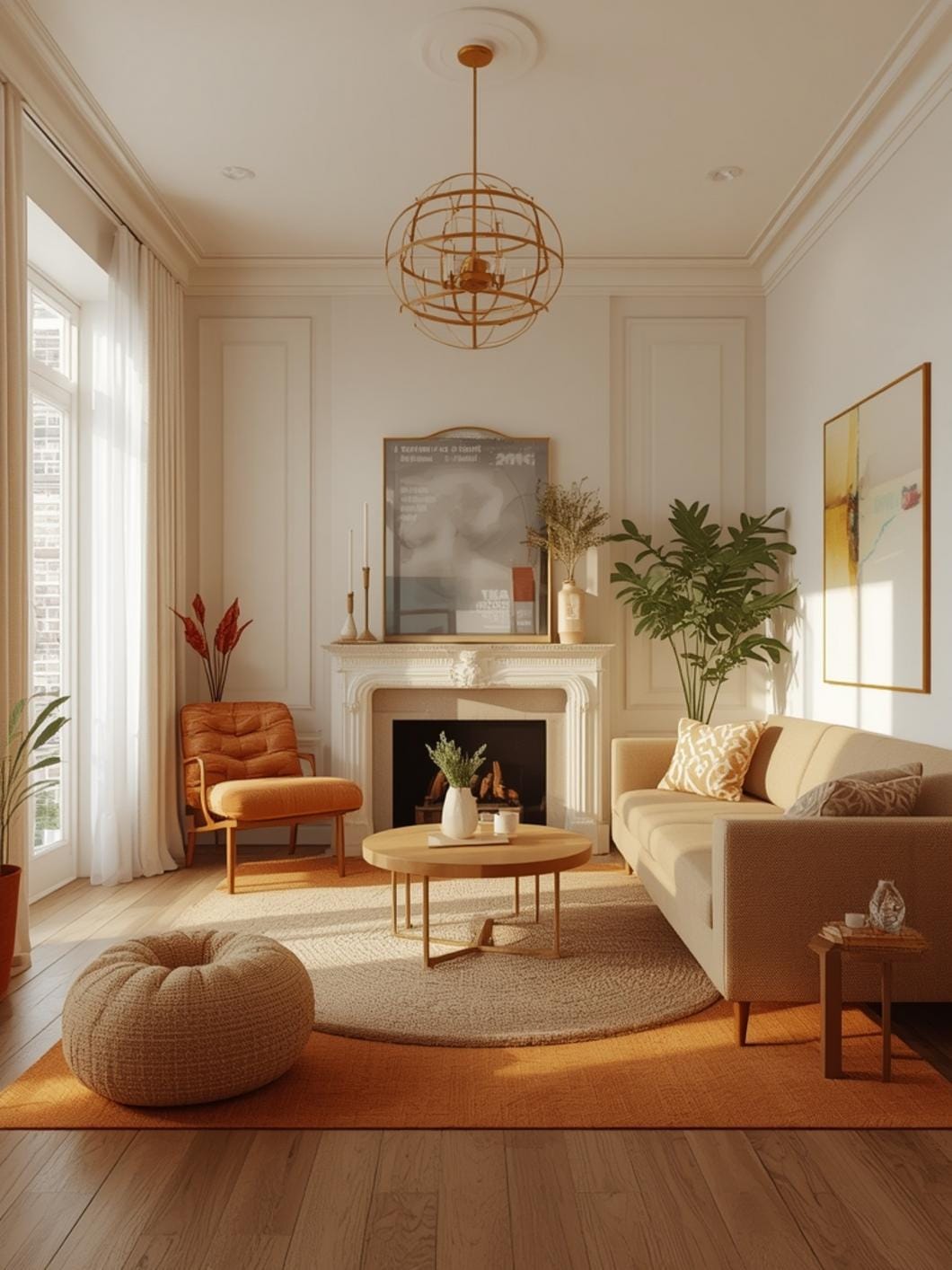
Rustic dining rooms adapt beautifully to different moods and seasons, which is why they work for so many homeowners. Your approach depends on the vibe you’re after and when you’re making changes.
Spring and Summer: This is when rustic furniture really shines against lighter backdrops. Keep walls white or soft gray, add fresh flowers to the table, and use lighter linens. The natural wood becomes the star without overwhelming the space.
Fall and Winter: Lean into the coziness by layering in warmer textiles. Think chunky knit throws draped over bench seating, deeper-toned table runners, and candlelight during evening meals. The rustic elements feel even more inviting against darker, moodier colors.
Year-Round Modern-Rustic Balance: If you want a space that works every season, stick to a neutral foundation with your furniture and walls. Then swap out smaller decor items—pillows, centerpieces, and artwork—to reflect the time of year. This gives you flexibility without constant furniture shopping.
Budget Considerations: You can start with just the table and chairs, then add pieces over time. Many homeowners buy their dining set first, live with it for a few months, then add the sideboard or lighting once they know exactly what the space needs.
The key is not rushing. Rustic style actually looks better when it develops gradually rather than all arriving at once from the same furniture store.
7 Ideas to Try in Your Home
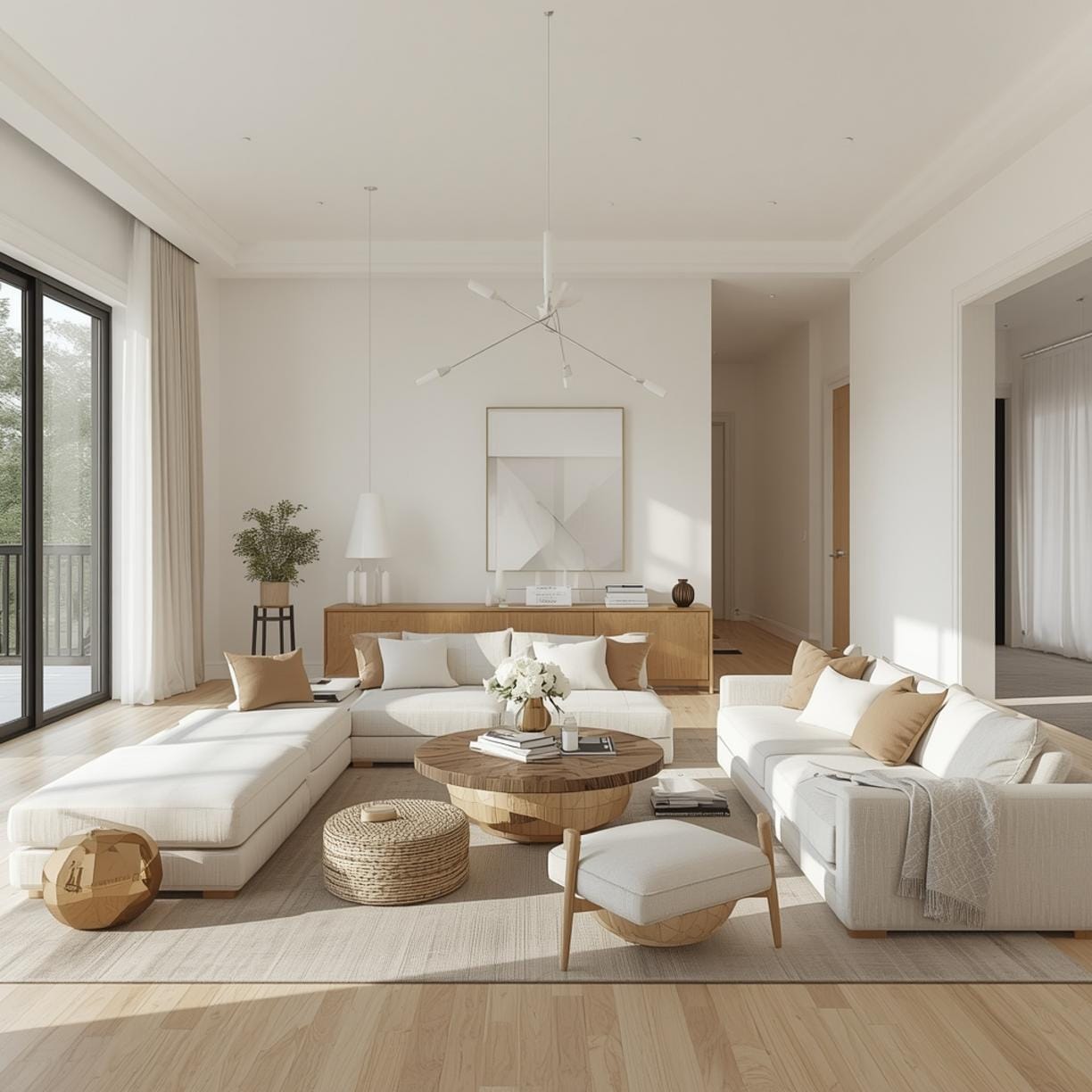
Ready to bring rustic dining furniture into your modern home? Here are seven approaches that actually work in real spaces, not just Pinterest boards.
1. The Clean Contrast Approach
Pair a chunky reclaimed wood table with sleek, modern chairs in white or black. The contrast makes both elements stand out. Add a simple glass vase with one statement branch or a few stems. This works especially well in open-concept homes where the dining area flows into a modern kitchen.
2. Texture-Forward Neutral Space
Keep your color palette to whites, creams, grays, and natural wood tones, but vary the textures wildly. Rough-hewn table, smooth upholstered chairs, woven placemats, linen runner, ceramic dishes. How to incorporate rustic dining furniture with modern decor often comes down to playing with texture rather than color.
3. Industrial-Rustic Hybrid
Combine your wooden dining table with metal chairs or a mix of wood and metal seating. Add a wire basket chandelier or black metal pendant lights. This style feels current and urban while still bringing in that rustic warmth through the wood elements.
4. Scandinavian-Rustic Fusion
Choose a lighter wood finish (think natural oak or ash) and pair it with simple, minimalist chairs. Keep decor sparse—maybe a single ceramic vase or a small potted plant. The rustic element comes from the natural materials, but the overall feel stays clean and modern.
5. Warm Modern Farmhouse
This is the most popular approach right now. Use a substantial farmhouse table with turned legs or trestle base, mix in upholstered dining chairs with curved backs, and add soft lighting through a statement chandelier. Layer in comfortable textiles and personal touches like family photos or collected pottery.
6. Dining Bench + Chairs Combo
Replace one side of your dining table seating with a rustic wooden bench. Keep modern chairs on the other side and at the ends. This creates visual interest, adds a casual vibe, and actually gives you more flexible seating for when you need to squeeze in extra guests.
7. Gallery Wall with Rustic Dining
Let your rustic dining set stay simple and functional, then create a dramatic gallery wall behind it. Mix modern art prints with rustic elements like vintage mirrors or wooden shelves displaying pottery. The wall becomes the focal point while the dining furniture grounds the space.
Each of these approaches gives you a different balance between rustic charm and modern style. Choose based on your existing home aesthetic and how much visual contrast feels right to you.
Benefits of Rustic Dining Room Sets
Beyond looking beautiful in photos, rustic dining furniture actually improves how you live in your home. Here’s why homeowners keep choosing this style.
Durability That Lasts Decades: Solid wood dining tables can handle daily family use, homework sessions, game nights, and holiday dinners without showing significant wear. Unlike veneer or composite furniture, real wood often looks better as it ages.
Timeless Appeal: Trends come and go, but natural wood furniture never really goes out of style. You won’t look at your dining room in five years and cringe at dated choices. This makes rustic sets a smarter long-term investment than trendy alternatives.
Versatile Decorating Foundation: Because rustic furniture is relatively neutral in style, you can change your decor around it endlessly. Switch from farmhouse to industrial to Scandinavian just by swapping out chairs, lighting, and accessories—no new table needed.
Warmth in Modern Spaces: If your home has a lot of hard surfaces, clean lines, or minimal color, rustic dining furniture adds necessary warmth. It makes the space feel lived-in and welcoming rather than cold or overly designed.
Easy to Style: Unlike some furniture styles that require very specific decor partners, rustic pieces are forgiving. They look good with mismatched chairs, casual dinnerware, and imperfect styling. This takes pressure off you to get everything “just right.”
Tips, Alternatives, and Styling Advice
Not every rustic dining set costs the same, and not every home has space for a massive farmhouse table. Here’s how to adapt this style to your situation.
Budget-Friendly Option ($500–$1,200):
Look for solid wood tables with simpler construction—no ornate details or special finishes. Consider buying just the table from one source and chairs from another to save money. Big-box furniture stores often have decent quality rustic-style tables at this price point. Skip the matching sideboard for now and use a bookshelf or console table you already own.
Mid-Range Option ($1,200–$3,000):
This budget gets you better wood quality, more thoughtful construction, and often handcrafted details. You can afford mix-and-match seating that actually coordinates well. Add a complementary sideboard or buffet. Look for artisan furniture makers in your area or well-reviewed online retailers specializing in solid wood furniture.
Premium Option ($3,000+):
Custom pieces, reclaimed wood with documented history, and heirloom-quality construction live in this range. You’re paying for unique character, superior craftsmanship, and often, American-made furniture. These pieces truly last generations and develop beautiful patina over decades of use.
Small Space Adaptation:
Choose a round pedestal table instead of a rectangular one—you’ll be amazed how much space this saves. Look for dining sets with a bench that tucks completely under the table. Consider drop-leaf or extendable tables in rustic finishes that give you flexibility. Wall-mount your lighting instead of using a large chandelier to keep visual space open above the table.
Mixing Wood Tones:
Your rustic dining table doesn’t have to match other wood in your home perfectly. In fact, mixing wood tones (like a walnut table with oak floors) adds depth and interest. Just make sure the undertones are similar—warm woods with warm woods, cool with cool.
Common Mistakes to Avoid
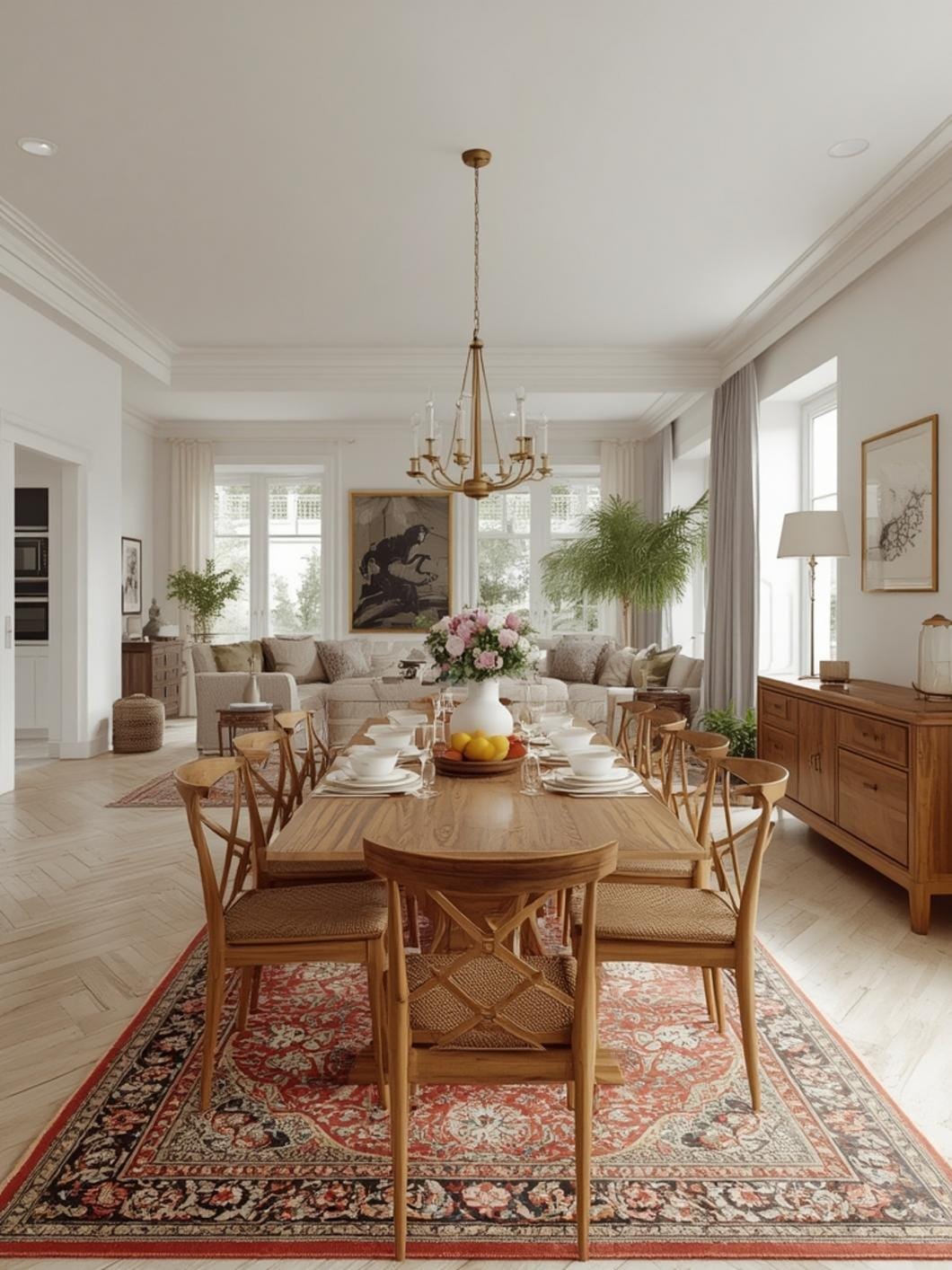
Even beautiful rustic dining furniture can look off if you make these common styling errors. Here’s what to watch for.
Mistake: Going too matchy-matchy with every piece.
When your table, chairs, sideboard, and shelving all come from the same furniture set, the room feels more like a showroom than a home. Mix in at least one element that’s different—maybe modern chairs with your rustic table, or a vintage sideboard with your new dining set.
Mistake: Forgetting about scale and proportion.
A massive farmhouse table in a small dining nook overwhelms the space, while a delicate rustic table in a large room looks lost. Measure your room carefully and leave at least 36 inches of clearance around the table for chairs to pull out comfortably.
Mistake: Overloading the table with rustic decor.
Just because your table is rustic doesn’t mean you need barnwood chargers, burlap runners, and mason jar centerpieces. Keep styling simple and let the furniture be the rustic element. Modern or minimal decor actually makes rustic furniture stand out more.
Mistake: Choosing the wrong lighting scale.
Your chandelier or pendant should be roughly one-half to two-thirds the width of your table. Too small and it looks like an afterthought; too large and it overwhelms the space. Hang it 30–36 inches above the table surface for best proportion and function.
Mistake: Ignoring comfort for style.
Dining chairs need to be comfortable enough for long meals and conversations. If your gorgeous wooden chairs feel like torture after 20 minutes, add cushions or consider upholstered seating for at least some of the chairs around your rustic table.
Maintenance and Upkeep Tips
Rustic dining furniture is remarkably low-maintenance, but a little care keeps it looking beautiful for years.
Daily Care:
Wipe up spills immediately with a soft, slightly damp cloth. Don’t let water sit on wood surfaces, as it can leave marks or damage the finish. Use coasters, placemats, or a table runner to protect the surface during meals.
Weekly Cleaning:
Dust with a microfiber cloth or use a barely damp cloth followed by a dry one. Avoid harsh chemical cleaners, which can damage wood finishes over time. For tougher spots, a tiny amount of mild dish soap mixed with water works fine—just dry the area thoroughly afterward.
Monthly or Seasonal Maintenance:
Apply furniture polish or wood conditioner according to the manufacturer’s recommendations (usually every few months). This keeps the wood from drying out and helps maintain its finish. If your table has a natural oil finish, it may need conditioning more often than a sealed finish.
Dealing with Scratches and Marks:
Small scratches often blend in with the natural character of rustic wood—that’s part of the appeal. For deeper scratches, touch-up markers in matching wood tones can help. Many homeowners actually embrace the developing patina and marks as part of the table’s story.
Protecting Your Investment:
Use trivets or hot pads under serving dishes. Consider a clear table pad for daily protection if you have young children. Rotate centerpieces and table decor occasionally so the finish ages evenly. Keep your dining room at moderate temperature and humidity—extreme changes can cause wood to expand, contract, or crack.
Bringing It All Together
Rustic dining room sets give you that perfect balance between cozy character and modern livability. You get furniture that feels warm and inviting without committing to a single, restrictive style.
The beauty of rustic dining furniture is how it grows with you—adding patina and character through years of family meals, homework sessions, and holiday gatherings. Start with the pieces that matter most to you, style them in a way that feels authentic to your home, and trust that the look will develop naturally over time.
Ready to explore more ways to make your home feel both stylish and comfortable? Browse our other guides here at DecorKingdom for inspiration that actually works in real homes.
FAQs
What exactly makes a dining set “rustic” versus just traditional?
Rustic dining sets emphasize natural materials, visible wood grain, and simpler construction details. Traditional sets often feature more ornate carvings, formal finishes, and matched wood tones. Rustic pieces embrace imperfections and natural character marks, while traditional furniture aims for polished, refined elegance. Both use real wood, but the aesthetic approach differs significantly.
Can I use rustic dining furniture in a rental apartment?
Absolutely. Rustic dining sets actually work beautifully in rentals because they’re style-neutral enough to adapt to any space. Choose a table and chairs that fit your current dining area, knowing you can easily style them differently when you move. The furniture itself becomes your constant, reliable element while everything else changes around it.
How do I keep a rustic dining table from looking too country or farmhouse?
Pair it with modern elements—sleek chairs, contemporary lighting, abstract art, or minimal decor. Keep your color palette neutral and avoid stereotypically farmhouse items like roosters, barnwood signs, or gingham patterns. The wood table provides warmth, while everything around it keeps the look current and sophisticated.
What’s the best wood type for a rustic dining table with kids?
Oak and maple are extremely durable and handle the daily wear of family life beautifully. Reclaimed wood often has character marks already, so new scratches blend right in. Avoid soft woods like pine if durability is your top concern. Whatever wood you choose, make sure it has a protective finish that can handle spills and frequent cleaning.
Do rustic dining sets work in small dining spaces?
Yes, with the right approach. Choose round or oval tables instead of rectangular ones to maximize space. Look for pedestal bases rather than four legs, which gives you more flexible seating. Consider benches that tuck completely under the table. Lighter wood finishes and minimal styling help small spaces feel larger, even with rustic furniture.
—
Meta Title: Rustic Dining Room Sets: Modern Style Guide 2026
Meta Description: Transform your dining space with rustic dining room sets that blend warmth and modern style. Get 7 actionable ideas for real homes.