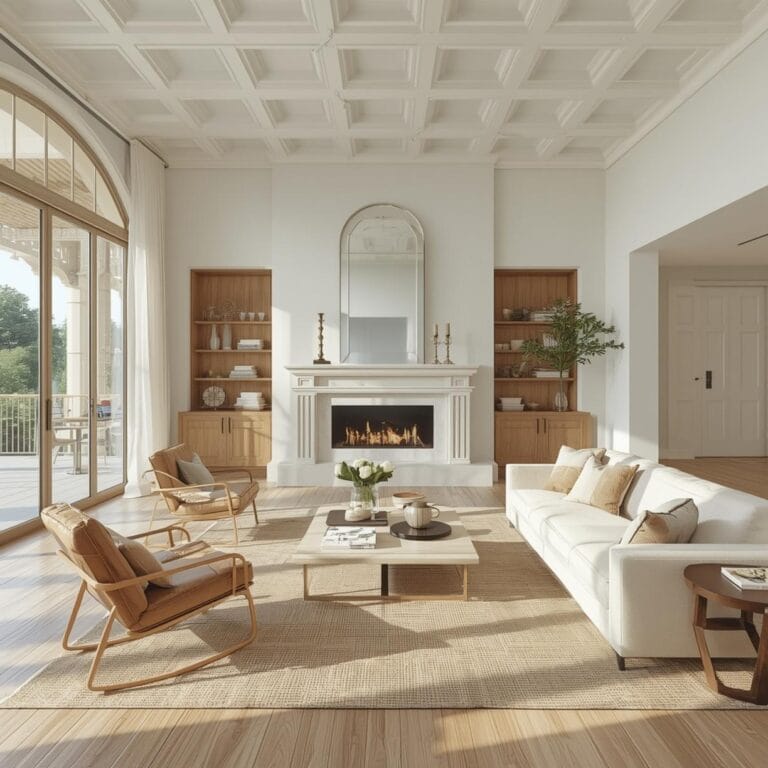
How to Choose Beachy Dining Room Sets for Your Home
There’s something magical about dining by the ocean. The soft crash of waves, the salty breeze, and that effortless sense of calm make every meal feel like a mini vacation. If your dining room feels too formal or disconnected from the relaxed vibe you crave, it might be time for a coastal refresh.
Beachy Dining Room Sets bring that same breezy, barefoot elegance into your home without requiring a seaside address. They combine natural textures, soothing colors, and laid-back furniture styles that make everyday dinners feel special. Whether your home is modern, traditional, or somewhere in between, a coastal-inspired dining space can transform how your family gathers.
The best part? Creating this look doesn’t require a total renovation. With the right furniture choices and a few thoughtful styling touches, your dining room can become the bright, welcoming retreat you’ve been dreaming about.
Table of Contents
What You’ll Need to Get the Look
Building a beachy dining room starts with selecting pieces that evoke coastal charm while fitting your practical needs. Think natural materials, light finishes, and furniture that feels both comfortable and stylish.
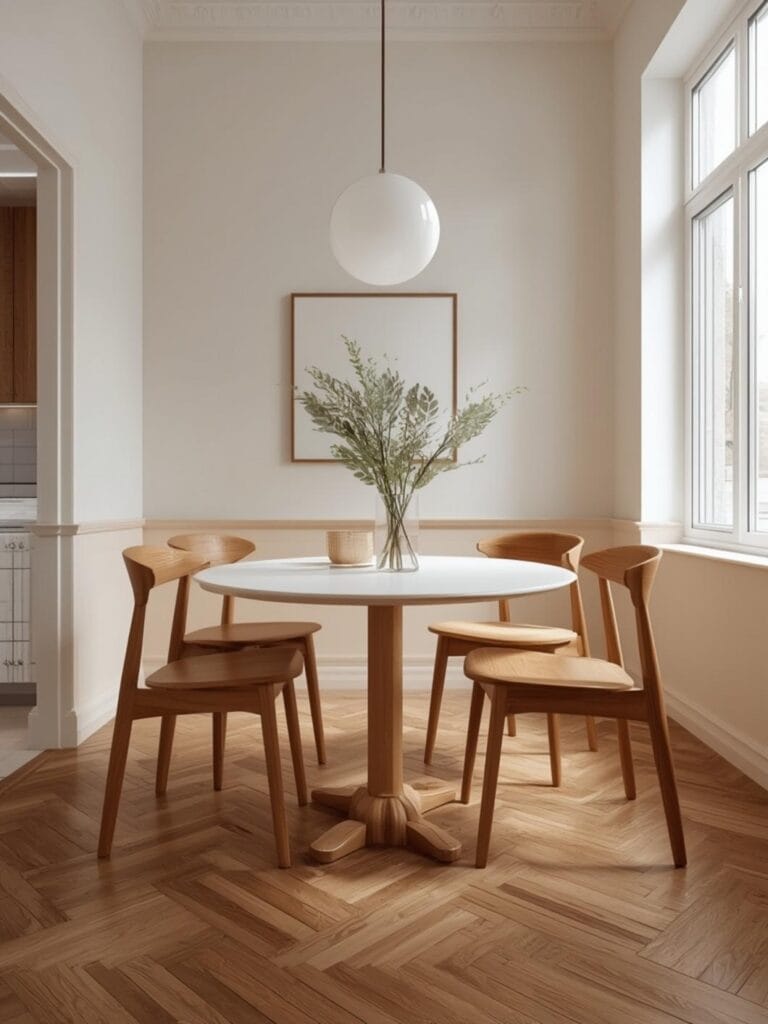
Your dining table should anchor the space. Look for tables made from reclaimed wood, whitewashed oak, or light-toned pine. Round pedestal tables work beautifully in smaller rooms, while rectangular farmhouse-style tables suit larger gatherings. The finish matters — distressed or weathered surfaces add authentic coastal character.
Seating options give you flexibility to express your style:
– Woven rattan or wicker chairs with cushions in soft neutrals
– Slipcovered parsons chairs in white linen or cotton duck
– Ladder-back wooden chairs painted in soft seafoam or chalk white
– Upholstered bench seating on one side for a casual, family-friendly vibe
– Mix-and-match chair styles for collected, beach house charm
Decorative elements complete the atmosphere. Consider adding a jute area rug beneath the table, driftwood candleholders for your centerpiece, and a statement light fixture made from natural materials like rope, rattan, or weathered metal. Glass vases filled with beach finds or fresh greenery bring life to the table without overwhelming the space.
Keep window treatments simple and light-filtering. Sheer white curtains, bamboo shades, or even no window coverings at all help maximize natural light — a crucial element in coastal design.
Finding Your Style and Season
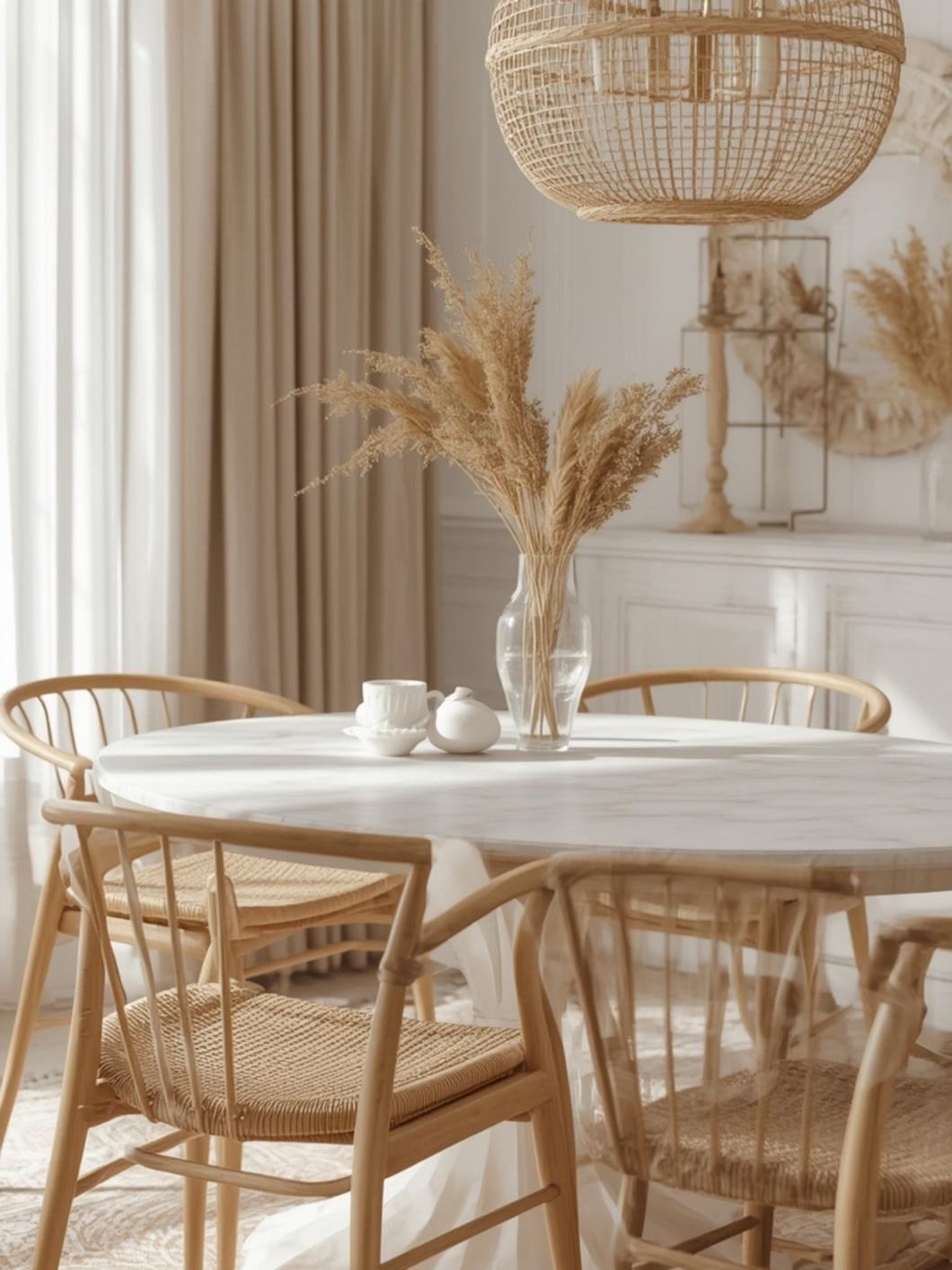
Beachy dining rooms work beautifully year-round, but certain seasons and occasions let them truly shine. Understanding when and how to emphasize different coastal elements helps your space feel fresh and intentional.
Spring and summer are natural seasons for coastal dining rooms. The abundance of natural light during longer days highlights whitewashed finishes and pale wood tones. Fresh flowers from your garden or farmers market add pops of color that feel organic rather than forced. This is the perfect time to embrace lighter table linens and switch to brighter accent colors in your chair cushions or table runner.
Fall and winter require subtle adjustments to keep the beachy vibe without feeling out of season. Swap bright whites for warmer creams and add textured throw pillows in deeper ocean blues or sandy taupes. Incorporate natural elements like dried pampas grass, weathered branches, or pinecones collected from coastal forests. The key is maintaining the relaxed, natural aesthetic while adding warmth.
Holiday gatherings benefit from the casual elegance of coastal dining spaces. Your beachy dining room naturally accommodates both formal dinner parties and casual family meals. The neutral color palette serves as a perfect backdrop for seasonal decorations without clashing or competing for attention.
Consider your entertaining style when finalizing your dining set. If you host large gatherings, prioritize an extendable table with extra seating stored nearby. For intimate dinners, a smaller round table creates better conversation flow. Your dining room should support how you actually live, not just look pretty in photos.
7 Ideas to Try in Your Home
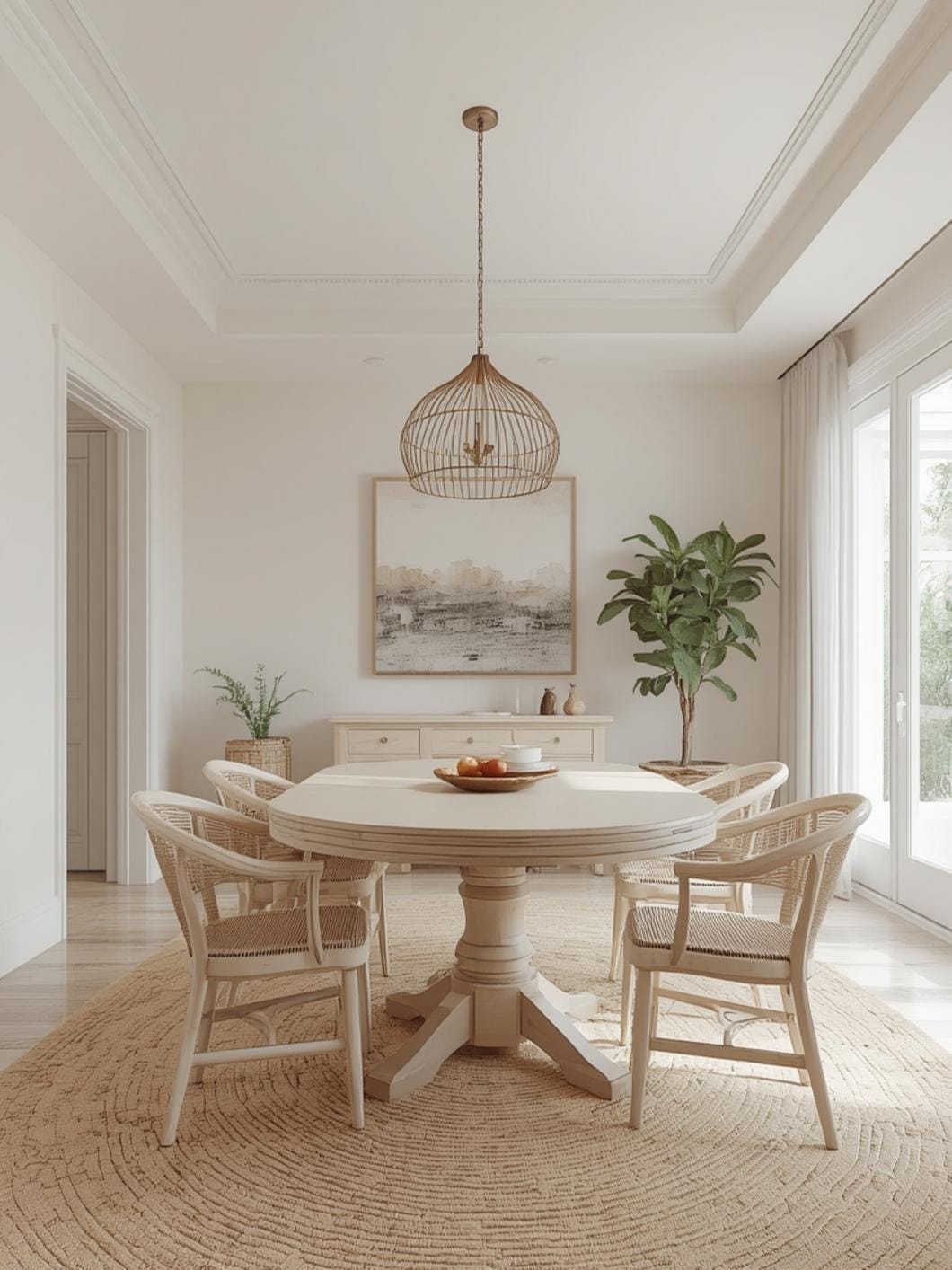
Creating your ideal beachy dining room means choosing elements that resonate with your personal style while maintaining that coveted coastal feel. These ideas offer starting points you can adapt to your space and budget.
All-White Serenity with Natural Texture
Paint your walls crisp white and choose a whitewashed dining table paired with white slipcovered chairs. Layer in warmth through a chunky jute rug, woven placemats, and a driftwood centerpiece. This look feels clean and calming without being sterile, thanks to varied textures that catch the light differently throughout the day.
Weathered Wood with Nautical Accents
Select a dining table with visible grain and a grey-washed finish. Pair it with navy blue upholstered chairs and add subtle nautical touches like rope-wrapped candlesticks or a vintage wooden oar mounted on the wall. This approach works especially well in homes with existing traditional furniture, creating an easy bridge between styles.
Casual Farmhouse Meets Coastal
Combine a rustic farmhouse table with mismatched seating — perhaps wicker chairs on the sides and a wooden bench along one edge. Keep Coastal Dining Room Color Schemes soft and neutral with whites, creams, and pale blues. Add vintage glass bottles as vases and display white ironstone dishes on open shelving. This style feels collected over time rather than purchased all at once.
Tropical-Inspired Brightness
Go bolder with a natural wood table surrounded by rattan peacock chairs or bamboo-style seating. Incorporate pops of coral, turquoise, or sunny yellow through artwork, cushions, or a statement light fixture. This version of coastal style brings vacation vibes home and works beautifully in sunrooms or dining spaces with abundant natural light.
Modern Coastal Minimalism
Choose clean-lined furniture in light oak or ash with simple silhouettes. Add only essential decor — perhaps a single sculptural piece of driftwood or a collection of sea glass in a clear bowl. Paint walls in soft grey-blue and keep window treatments minimal. This approach suits contemporary homes while maintaining beach house charm.
Cottage Coastal with Painted Furniture
Paint a vintage dining table and chairs in soft seafoam green or pale aqua. Mix in natural wood tones through your flooring or a reclaimed wood accent wall. Layer in cottage-style details like beadboard wainscoting, vintage pendant lights, or a painted hutch displaying white dishes and coastal collectibles.
Airy Scandinavian Beach House
Blend Scandinavian simplicity with coastal warmth by choosing a light wood table with tapered legs and matching chairs with woven rope seats. Keep everything pale and neutral but add hygge-inspired coziness through sheepskin seat covers, white candles in varying heights, and plenty of natural light. This sophisticated take on coastal style feels grown-up and elegant.
Benefits of Coastal Dining Spaces
A beachy dining room offers more than just good looks. This design approach creates genuine improvements in how your space feels and functions for daily life.
The light, airy quality of coastal design makes dining rooms feel larger and more welcoming. Pale colors reflect natural light, brightening even north-facing rooms that typically feel dim. Your family naturally gravitates toward spaces that feel open and cheerful, making the dining room a natural gathering spot throughout the day.
Natural materials improve indoor air quality and create a healthier home environment. Real wood furniture, cotton or linen fabrics, and natural fiber rugs don’t off-gas chemicals like some synthetic materials. The emphasis on simple, quality pieces also means less clutter and easier cleaning — a huge win for busy households.
Coastal style’s inherent flexibility means your dining room adapts as your life changes. Need to accommodate a growing family? Add chairs easily without worrying about perfect matches. Want to refresh the look seasonally? Simply switch out textiles and centerpieces while keeping the foundational furniture. This adaptability protects your investment over time.
The relaxed vibe of beachy dining spaces reduces formality and encourages lingering. Your family and guests feel comfortable staying at the table after meals, turning dinner into meaningful conversation time rather than a rushed obligation. This emotional benefit might be the most valuable aspect of coastal design.
Tips, Alternatives, and Styling Advice
Creating your ideal beachy dining room works at any budget level. Choose the approach that fits your current financial situation while keeping your long-term vision in mind.
Budget-Friendly Approach
Start with affordable pieces you can upgrade later. Look for unfinished wood tables at discount stores and apply whitewash or weathered paint yourself. Mix in folding chairs with washable slipcovers you sew or purchase online. Use what you already own — paint existing furniture in coastal colors and swap out just the textiles and accessories. A fresh coat of white paint transforms almost any dining set into a coastal-appropriate piece.
Mid-Range Investment
Purchase a quality dining table in a coastal finish from established furniture retailers. Invest in comfortable upholstered chairs that support longer dinner gatherings, or choose well-made wicker seats with good cushions. Add a statement light fixture that elevates the entire space — perhaps a woven drum shade or a weathered wood chandelier. At this price point, focus on pieces built to last while keeping accessories affordable and changeable.
Premium Selection
Invest in custom or artisan-made dining furniture crafted from reclaimed boat wood or sustainably harvested timber. Choose designer chairs with superior comfort and construction, or commission a local craftsperson to build pieces specific to your space. Premium coastal style emphasizes quality materials and expert craftsmanship over trendy details, ensuring your dining room remains beautiful for decades.
Small Space Solutions
Coastal style actually works brilliantly in compact dining areas. Choose a round pedestal table that maximizes seating without corner bulk. Consider ghost chairs or benches that tuck completely under the table when not in use. Mount floating shelves instead of a bulky hutch, and use mirrors to reflect light and create the illusion of more space. Keep colors light and bright to prevent the room from feeling cramped.
Common Mistakes to Avoid
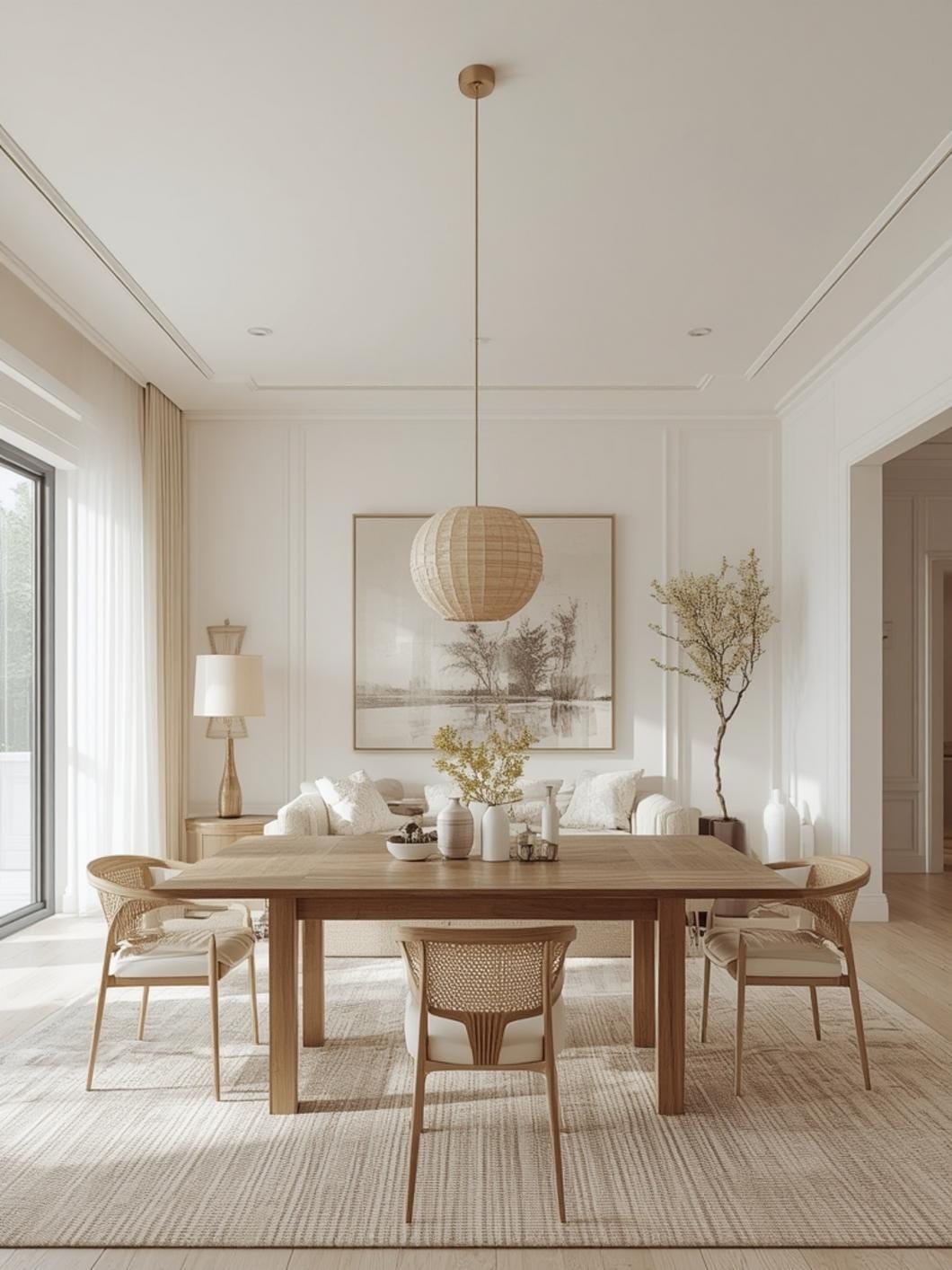
Even well-intentioned homeowners stumble when creating coastal dining rooms. Recognizing these pitfalls helps you avoid them in your own space.
Going Too Literal with Nautical Themes
Covering your dining room with anchors, ship wheels, and navy stripes makes the space feel like a theme restaurant rather than a sophisticated home. Instead, suggest the coast through natural materials, soft colors, and maybe one or two carefully chosen nautical accents.
Choosing Furniture That’s Too Delicate
White linen chairs and light-colored wood show every spill and stain, creating stress rather than relaxation. Select performance fabrics rated for heavy use, or choose darker seat cushions while keeping the chair frames light. Embrace the lived-in character of slightly weathered wood rather than fighting to keep everything pristine.
Forgetting About Lighting
A beautiful dining set looks dull under harsh overhead lighting or too-dim fixtures. Install a dimmer switch if you don’t have one, and choose a statement pendant or chandelier that hangs at the right height — typically 30 to 36 inches above the table surface. Natural daylight matters too, so avoid heavy curtains that block windows.
Ignoring Your Existing Architecture
Forcing coastal style into a formal Victorian home or industrial loft creates visual confusion. Adapt beachy elements to complement your home’s existing character. A Victorian might embrace cottage coastal with painted furniture and vintage touches, while a loft could lean into modern coastal with clean lines and minimal decor.
Overcrowding the Space
Beachy dining rooms need breathing room to feel airy and relaxed. Resist the urge to fill every surface and wall with decor. Choose one focal point — perhaps a stunning light fixture or beautiful table — and let it shine. Clear clutter regularly and maintain open pathways around the table for comfortable movement.
Maintenance and Upkeep Tips
Keeping your beachy dining room looking fresh requires simple regular care rather than intensive deep cleaning. These practical habits protect your investment and maintain that just-decorated feel.
Clean your dining table after each use with a soft, slightly damp cloth. Avoid harsh chemicals that strip natural wood finishes or damage painted surfaces. For stubborn spots, use a mild soap solution and dry immediately. Whitewashed and weathered finishes benefit from occasional conditioning with furniture wax formulated for their specific finish.
Vacuum upholstered chairs and wicker seating weekly to prevent dust and crumbs from settling into crevices. Spot-clean spills immediately using appropriate cleaners for the fabric type. Remove and wash slipcovers monthly or whenever they look dingy — not waiting until they’re truly dirty keeps them looking newer longer.
Rotate chair positions monthly so wear patterns stay even across all seating. This simple habit extends the life of cushions and fabric significantly. If certain chairs sit in direct sunlight, consider UV-protective window film to prevent fading.
Refresh natural fiber rugs by taking them outside and shaking vigorously or beating them gently to remove trapped dirt. Professional cleaning once a year keeps jute and sisal rugs looking their best. Between cleanings, vacuum weekly using the floor setting rather than the beater bar, which can damage natural fibers.
Touch up painted furniture annually using leftover paint kept specifically for this purpose. Small chips and scratches happen in active dining spaces, but addressing them promptly prevents larger damage. Embrace minor imperfections as part of the coastal aesthetic — perfectly pristine furniture feels stiff and uninviting anyway.
Conclusion
Creating a dining room that captures coastal charm transforms not just your decor but how your household experiences mealtimes together. The relaxed elegance of beachy style makes every dinner feel a little more special while remaining practical for real family life.
Your dining room should reflect your personality while serving your daily needs. Start with one or two foundational pieces that capture the coastal aesthetic, then build your space gradually as budget and inspiration allow.
Ready to explore more ways to bring coastal beauty throughout your home? Browse DecorKingdom for additional inspiration and practical decorating advice that helps you create spaces you truly love living in.
FAQs
What colors work best in beachy dining rooms?
Soft whites, creamy ivories, and warm sand tones create the classic coastal foundation. Add depth with pale blues ranging from seafoam to soft aqua, or incorporate weathered grey for a more sophisticated look. The key is keeping colors light and sun-bleached rather than bold and saturated. Natural wood tones in blonde, whitewashed, or grey-washed finishes complement these color schemes beautifully.
Can I mix beachy dining furniture with my existing traditional style?
Absolutely — coastal style is remarkably adaptable. Start by painting one traditional piece in a coastal color or adding beachy accessories like woven placemats and linen napkins. Mixing a whitewashed coastal table with your existing upholstered chairs creates interesting contrast. The informal nature of beach style actually helps soften overly formal traditional pieces, making them feel more approachable and comfortable.
How do I keep white dining chairs clean with kids?
Choose performance fabrics rated for heavy use, or select chairs with removable, washable slipcovers you can toss in the washing machine. Another smart option is chairs with wipeable faux leather or vinyl seats in off-white or light taupe rather than pure white. Many families successfully use white chairs by establishing a “no eating in the dining room except at the table” rule and addressing spills immediately rather than letting them set.
What’s the difference between beachy and nautical dining room style?
Beachy style emphasizes natural materials, soft colors, and relaxed comfort inspired by the beach itself — think driftwood, sea glass, and sandy shores. Nautical style focuses specifically on sailing and maritime elements like anchors, ropes, navy stripes, and ship-related decor. Beachy dining rooms feel more organic and subtle, while nautical spaces make more obvious themed statements. Both work beautifully, but beachy tends to have broader appeal and longer staying power.
How much should I budget for a complete beachy dining room set?
Budget-conscious shoppers can create a beautiful coastal dining space for $800–$1,200 including a table, chairs, and basic accessories by shopping sales and doing some DIY painting. Mid-range coastal dining sets typically cost $2,000–$4,000 for quality furniture that lasts years. Premium custom or designer pieces range from $5,000–$10,000 or more. Remember you don’t need everything at once — start with the table and build your collection gradually as budget allows.
—
Meta Title: Beachy Dining Room Sets: Coastal Style Guide 2026
Meta Description: Create the perfect coastal dining space with Beachy Dining Room Sets. Get style ideas, color schemes, and budget tips for relaxed elegance.