How to Choose Home Office Decor That Boosts Productivity
You sit down at your desk every morning, coffee in hand, ready to tackle the day. But instead of feeling energized, your workspace drains you before you even start. Maybe it’s the cluttered corner table, the harsh lighting, or that folding chair that’s slowly destroying your back.
Creating a beautiful and functional home office decor setup isn’t just about aesthetics—it’s about designing a space where you actually want to spend your working hours. When your environment supports your focus and reflects your personal style, work becomes less of a chore and more of an experience you can actually enjoy.
The good news? You don’t need an entire room or a massive budget to create a workspace that works for you. With the right approach to design and organization, even the smallest corner can become your productivity powerhouse.
Table of Contents
What You’ll Need to Get the Look
Creating an inspiring workspace starts with gathering the right elements. Think of these as your building blocks for a space that’s both beautiful and functional.
Furniture essentials:
– A desk that fits your space (corner, wall-mounted, or traditional)
– An ergonomic chair that supports proper posture
– Storage solutions like floating shelves or filing cabinets
– A desk lamp with adjustable brightness
Decorative touches:
– Artwork or prints that inspire you
– Indoor plants (real or high-quality faux)
– A decorative desk organizer or tray
– Textile elements like a rug or curtains
– Personal items like family photos or collectibles
Practical additions:
– A bulletin board or whiteboard for visual planning
– Cable management solutions
– A small side table or cart for extra storage
– Drawer dividers and desk organizers
– A quality wastebasket that matches your style
Choose pieces that speak to your personal aesthetic. Your workspace should feel like an extension of your home, not a sterile corporate environment dropped into your living room.
Finding Your Style and Season
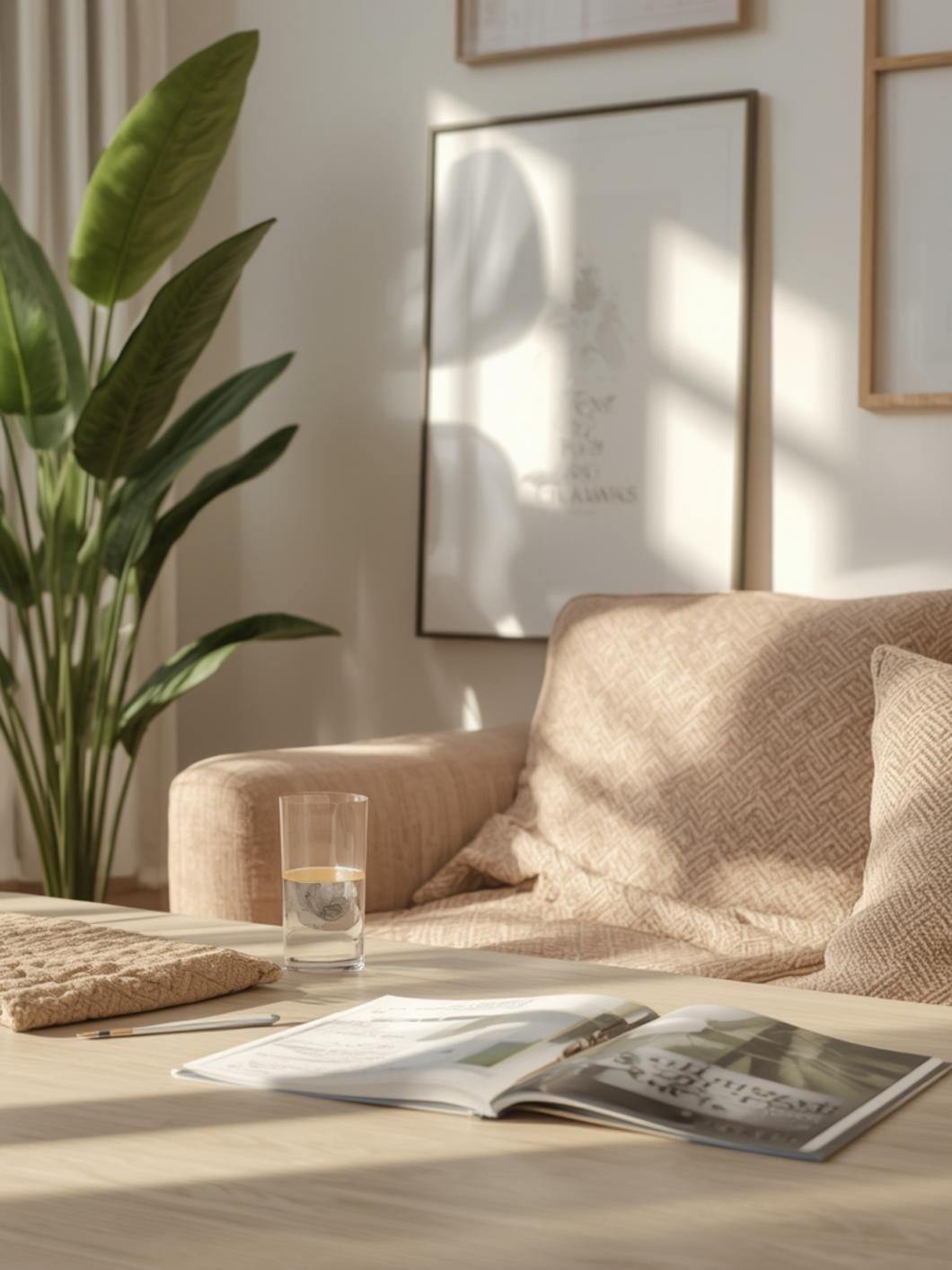
Your workspace mood can shift with the seasons, and that’s perfectly fine. Spring might call for fresh florals and pastel accents, while fall invites warmer tones and cozy textures.
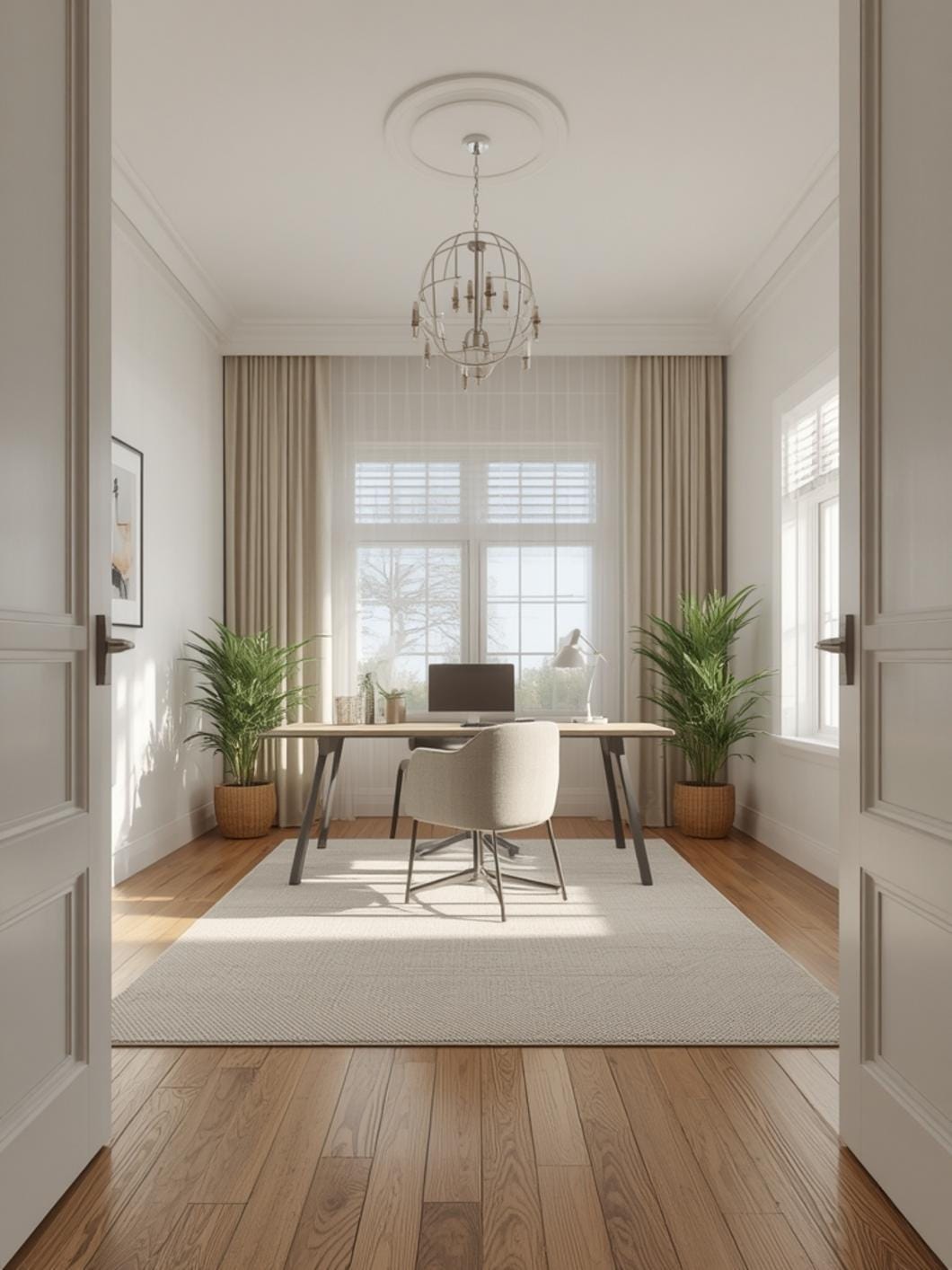
Consider when you’ll be using your space most. If you’re an early bird, natural light becomes crucial. Position your desk near a window, but avoid direct screen glare by placing it perpendicular to the window rather than directly facing it.
Think about the room’s existing purpose too. If your office shares space with a bedroom, choose calming colors that support both productivity and relaxation. Guest room offices benefit from dual-purpose furniture that can transform when visitors arrive.
The best time to refresh your workspace is when you notice your motivation lagging. Sometimes a simple seasonal switch—swapping out artwork, changing your desk accessories, or adding new plants—can reignite your enthusiasm for the space.
7 Ideas to Try in Your Home
Create a gallery wall behind your desk. Mix framed artwork, motivational quotes, and personal photos in coordinating frames. This adds personality while keeping your eye level visually interesting during video calls. Choose pieces that energize you rather than distract you.
Layer your lighting thoughtfully. Understanding how to maximize productivity with workspace design means recognizing that overhead lighting alone creates harsh shadows and eye strain. Combine a desk lamp with ambient lighting and perhaps a small accent light on a shelf. Warm-toned bulbs between 2700K and 3000K reduce the clinical feel of pure white light.
Build a color palette that supports focus. Blues and greens promote calm concentration, while pops of yellow or orange can boost creativity. plays a significant role in how you feel throughout your workday. Use your dominant color on walls or large furniture pieces, then accent with two complementary shades.
Designate zones within your workspace. Even in a small area, create distinct zones for different tasks. Your computer zone, a writing or sketching area, and a reference section help your brain shift between different types of work. A simple bookend or desktop organizer can create these visual boundaries.
Bring nature inside strategically. Plants improve air quality and reduce stress, but placement matters. Position larger plants in corners or on the floor beside your desk. Smaller succulents or pothos work beautifully on floating shelves. If your space lacks natural light, choose low-light varieties like snake plants or ZZ plants.
Personalize your storage solutions. Open shelving styled with matching baskets or decorative boxes keeps supplies accessible while maintaining visual calm. Label containers with elegant tags rather than harsh plastic labels. Your storage should blend seamlessly with your decor, not announce itself as purely functional.
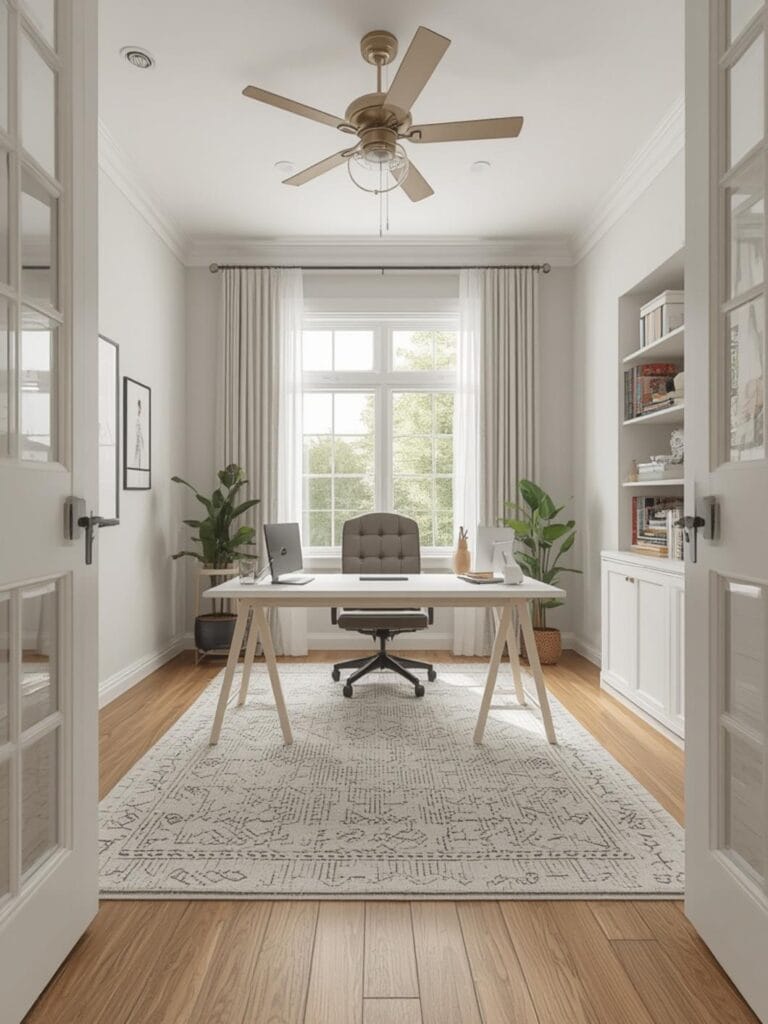
Incorporate texture for warmth. Hard surfaces dominate most offices, creating an echo-prone, cold environment. Add a plush rug under your desk, linen curtains at the window, or a textured throw on a nearby chair. These soft elements absorb sound and make your space feel more inviting.
Benefits of a Well-Designed Workspace
A thoughtfully designed office transforms more than just your physical space—it changes how you approach your entire workday. You’ll find yourself sitting down with genuine anticipation rather than dread.
Your mental clarity improves when visual clutter disappears. Everything has a designated spot, eliminating the daily treasure hunt for that important document or favorite pen. This organization frees up mental energy for actual work instead of space management.
Physical comfort makes marathon work sessions possible without the usual aches and pains. When your chair supports your back properly and your monitor sits at eye level, you can focus on your tasks instead of constantly shifting to find a comfortable position.
The space becomes truly yours. Unlike a corporate cubicle, your home workspace reflects your personality and values. This emotional connection to your environment boosts both satisfaction and motivation throughout your day.
Tips, Alternatives, and Styling Advice
Budget-friendly approach: Start with what you have and upgrade gradually. Paint an accent wall for under $50, repurpose existing furniture with new hardware, and print free artwork from museum websites. Thrift stores and online marketplaces offer excellent deals on desks and chairs that just need minor updates.
Mid-range investment: Allocate around $500-1000 for quality basics that will last years. Invest in a proper ergonomic chair first, then a solid desk, and finally decorative elements. can help you prioritize purchases that deliver the most impact for your specific needs.
Premium experience: With a $2000+ budget, consider custom built-in shelving, designer lighting fixtures, and high-end ergonomic furniture. Splurge on acoustic panels disguised as decorative wall art, or install floor-to-ceiling curtains in luxurious fabrics that also improve room acoustics.
Small space adaptation: Wall-mounted fold-down desks disappear when not in use. Vertical storage maximizes every inch without eating floor space. Choose furniture with exposed legs rather than solid bases—this creates visual breathing room. A narrow console table can function perfectly as a desk in tight quarters.
Consider dual-purpose pieces like an ottoman that stores supplies or a bookshelf that acts as a room divider. Every item should earn its place through either function or beauty, ideally both.
Common Mistakes to Avoid
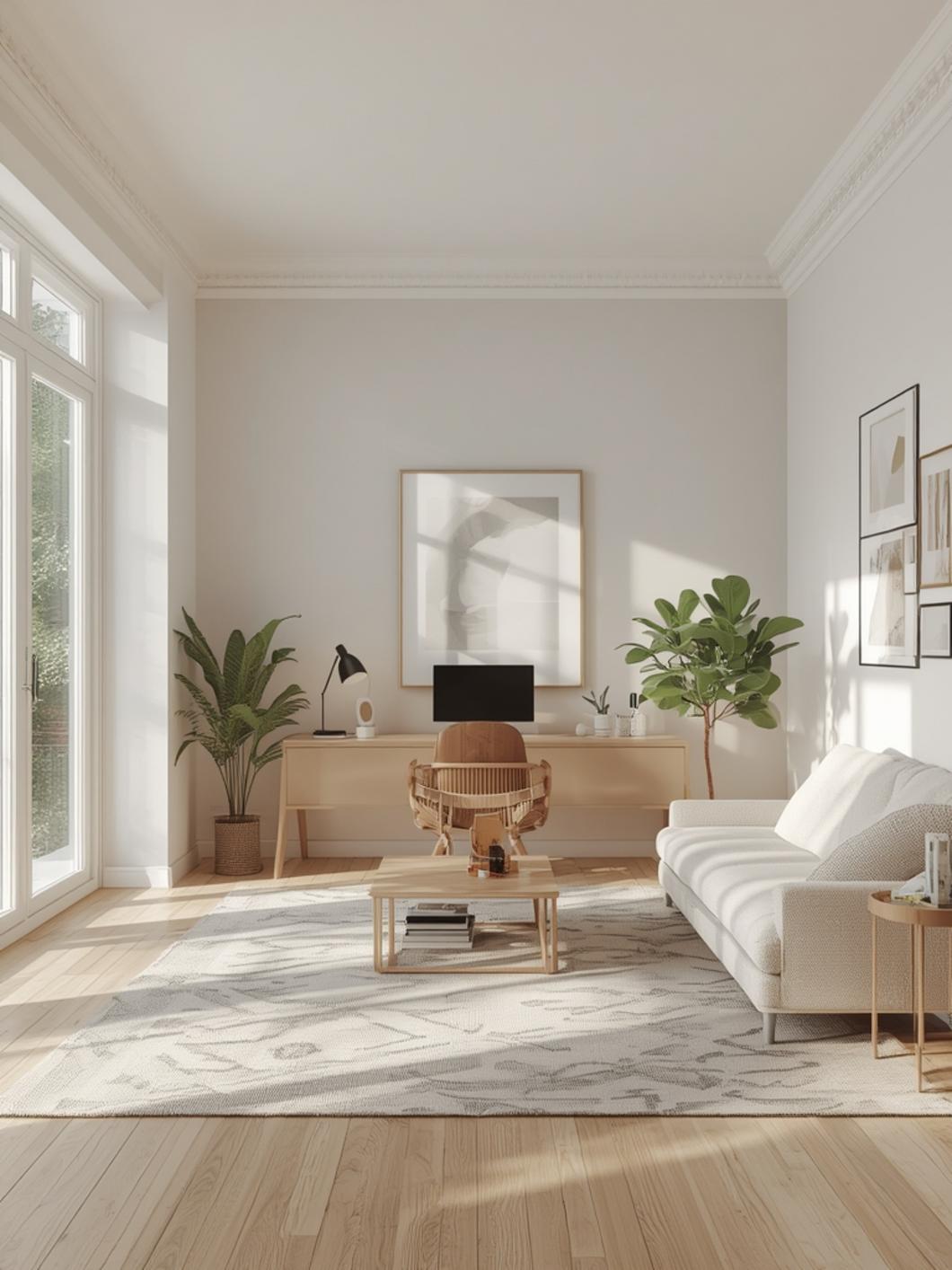
Pushing your desk against the wall creates a cramped, trapped feeling. Pull it at least a few inches away, or better yet, float it in the room if space allows—this gives you breathing room and makes the space feel more intentional.
Ignoring cable management turns even stylish spaces into messy disasters. Invest in cable clips, zip ties, or a cable management box that hides power strips and excess cords—your visual calm depends on conquering the cable chaos.
Choosing style over ergonomics leads to physical pain that derails productivity. That beautiful vintage chair might photograph well, but if it hurts after an hour, it’s not serving you—find pieces that marry form and function.
Forgetting about acoustics creates an echo chamber that drains your energy. Hard surfaces bounce sound around, making even quiet rooms feel chaotic—add fabric elements, acoustic panels, or even a thick rug to soften the audio environment.
Neglecting personal touches makes your space feel generic and uninspiring. Your workspace should spark joy and motivation, not look like a furniture showroom—display items that remind you why your work matters.
Maintenance and Upkeep Tips
Establish a Friday afternoon ritual of clearing your desk completely. Wipe down surfaces, sort papers, and return everything to its proper home. Starting Monday with a clean slate dramatically improves your mindset.
Dust your electronics and shelves weekly with a microfiber cloth. This prevents buildup that makes your space look neglected. Pay special attention to keyboard keys and monitor screens where grime accumulates quickly.
Rotate your decorative items seasonally. This keeps your space feeling fresh without requiring major changes. Swap out throw pillows, change artwork, or introduce new plants every few months.
Check your chair’s adjustments monthly. Screws loosen over time, affecting your posture and comfort. Tighten any loose bolts and reconfirm that your seat height and back support remain optimal.
Water plants on a consistent schedule rather than when you remember. Set a phone reminder for the same day each week. Remove dead leaves promptly and wipe dust from plant foliage monthly so they continue looking vibrant.
Creating Your Ideal Workspace
Your home workspace deserves the same attention and care you give to the rest of your home. When you invest in creating an environment that supports both your practical needs and your aesthetic preferences, work becomes less of a burden and more of a natural extension of your daily life.
Start with one area that bothers you most, then build from there. Maybe it’s finally finding a chair that doesn’t hurt, or clearing that pile of papers that’s been mocking you for months. Small improvements compound into spaces that truly serve you.
Explore more workspace inspiration and practical decorating advice throughout DecorKingdom to continue refining your ideal home environment.
FAQs
What’s the minimum space needed for a functional home office?
You can create a productive workspace in as little as 25 square feet—essentially a 5×5 area. This accommodates a small desk, chair, and minimal storage. Corner spaces work beautifully for compact offices, and wall-mounted desks require even less floor space while still providing a dedicated work surface.
How do I prevent my home office from looking cluttered when I have limited storage?
Embrace vertical storage with floating shelves and wall-mounted organizers that draw the eye upward rather than consuming floor space. Use matching containers and boxes to create visual cohesion even when storing different items. Keep only daily-use items on your desk surface and store everything else in closed cabinets or decorative baskets.
Can I create a professional-looking workspace on a $200 budget?
Absolutely—prioritize a clean desk surface (secondhand stores often have solid options for $50-75) and a supportive chair (even a dining chair works if it fits your height properly). Spend remaining funds on a good desk lamp, basic organizers, and one or two decorative elements. Paint and DIY solutions can transform budget pieces into custom-looking furniture.
What’s the best way to separate my workspace from living space in a studio apartment?
Use a bookshelf or tall plant as a physical divider that doesn’t block light. Position your desk facing away from your living area to create psychological separation. Choose a desk with a lid or use a decorative screen that hides work materials at day’s end. This visual boundary helps your brain shift between work and relaxation modes.
How often should I update my home office decor?
Refresh decorative elements seasonally—every three to four months—to maintain inspiration without constant upheaval. Small changes like new artwork, different desk accessories, or seasonal plants keep the space feeling current. Save major furniture investments or layout changes for when your needs truly shift, typically every few years rather than constantly redecorating.
—
Meta Title: Home Office Decor Ideas That Boost Productivity 2026
Meta Description: Struggling with your workspace? Discover home office decor strategies that enhance focus and style in any space or budget.