How to Choose Entryway Home Decor That Makes a Statement
Your entryway is the first thing you and your guests see when walking into your home. It sets the mood for everything that follows. Yet it’s often the most overlooked space when it comes to decorating.
Whether you’re dealing with a cramped apartment entrance or a spacious foyer, the right entryway home decor can completely change how your home feels. You don’t need a huge budget or professional help to create an inviting, organized space that works hard for your daily routine.
This guide will walk you through everything you need to know to design an entryway that’s both beautiful and functional. From choosing the right pieces to styling tricks that expand your space visually, you’ll have all the tools to create an entrance you’re proud of.
Table of Contents
What You’ll Need to Get the Look
Creating a well-designed entryway starts with selecting the right pieces that balance style with everyday functionality. Here’s what works best for most homes:
Essential Furniture Pieces:
– Console table or slim entry table (24-36 inches wide works for most spaces)
– Bench or upholstered ottoman with hidden storage
– Coat rack, wall hooks, or small coat closet organizer
– Shoe storage solution (cabinet, tray, or decorative basket)
Decorative Elements:
– Mirror (round, rectangular, or sunburst style)
– Table lamp or cordless LED lamp for warm lighting
– Decorative tray for keys and mail
– Fresh or faux greenery in a stylish planter
– Area rug (runner or small accent rug)
Practical Additions:
– Wall-mounted key holder or small dish
– Umbrella stand or wall-mounted umbrella holder
– Small catch-all basket for dog leashes, sunglasses, or everyday items
– Framed artwork or gallery wall elements
The key is choosing pieces that fit your space without overwhelming it. You don’t need everything on this list—pick what makes sense for how you actually use your entryway.
Finding Your Style and Season
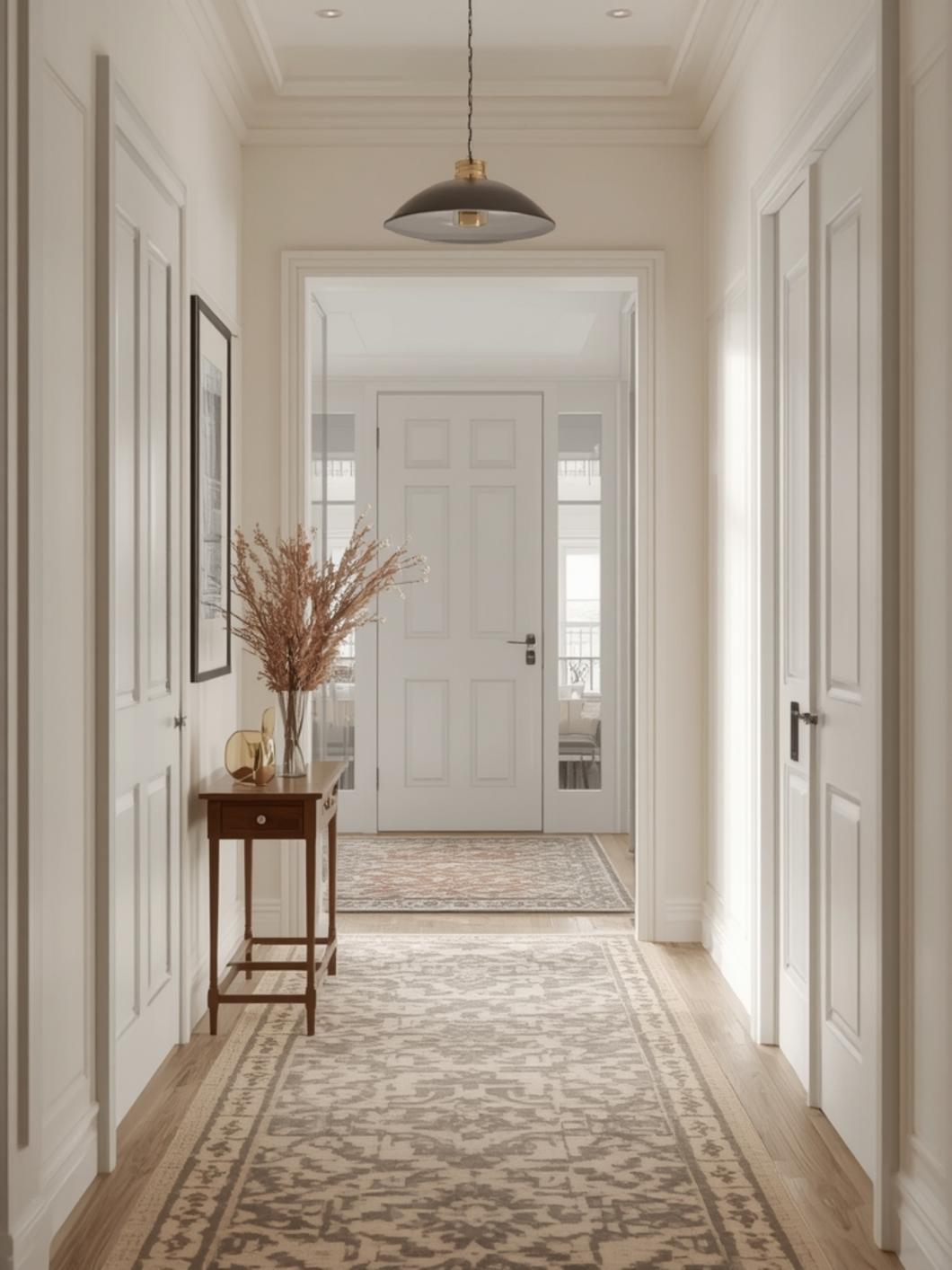
Your entryway decor should reflect both your personal style and adapt to the seasons throughout the year. The beauty of this space is that it’s small enough to update frequently without a major time or money investment.
Consider Your Home’s Overall Style:
Start by looking at your main living areas. Your entryway should feel like a natural transition into your home, not a separate design statement. If your living room is modern and minimal, carry that aesthetic into your entrance with clean lines and neutral colors.
Seasonal Updates Made Simple:
Spring and summer call for lighter colors, fresh flowers, and airy fabrics. Think cotton throws on your bench and botanical prints on the walls. Fall and winter invite warmer tones, cozy textures like wool or faux fur, and seasonal decor like pumpkins or pinecones in decorative bowls.
Mood Matters:
Your entryway sets the emotional tone for your entire home. Want your space to feel energizing? Add pops of bright color through artwork or pillows. Prefer calm and peaceful? Stick with soft neutrals and natural materials like wood and linen.
The best time to refresh your entryway is at the start of each season or whenever you’re feeling ready for a change. It’s a quick weekend project that makes coming home feel special every single day.
7 Ideas to Try in Your Home
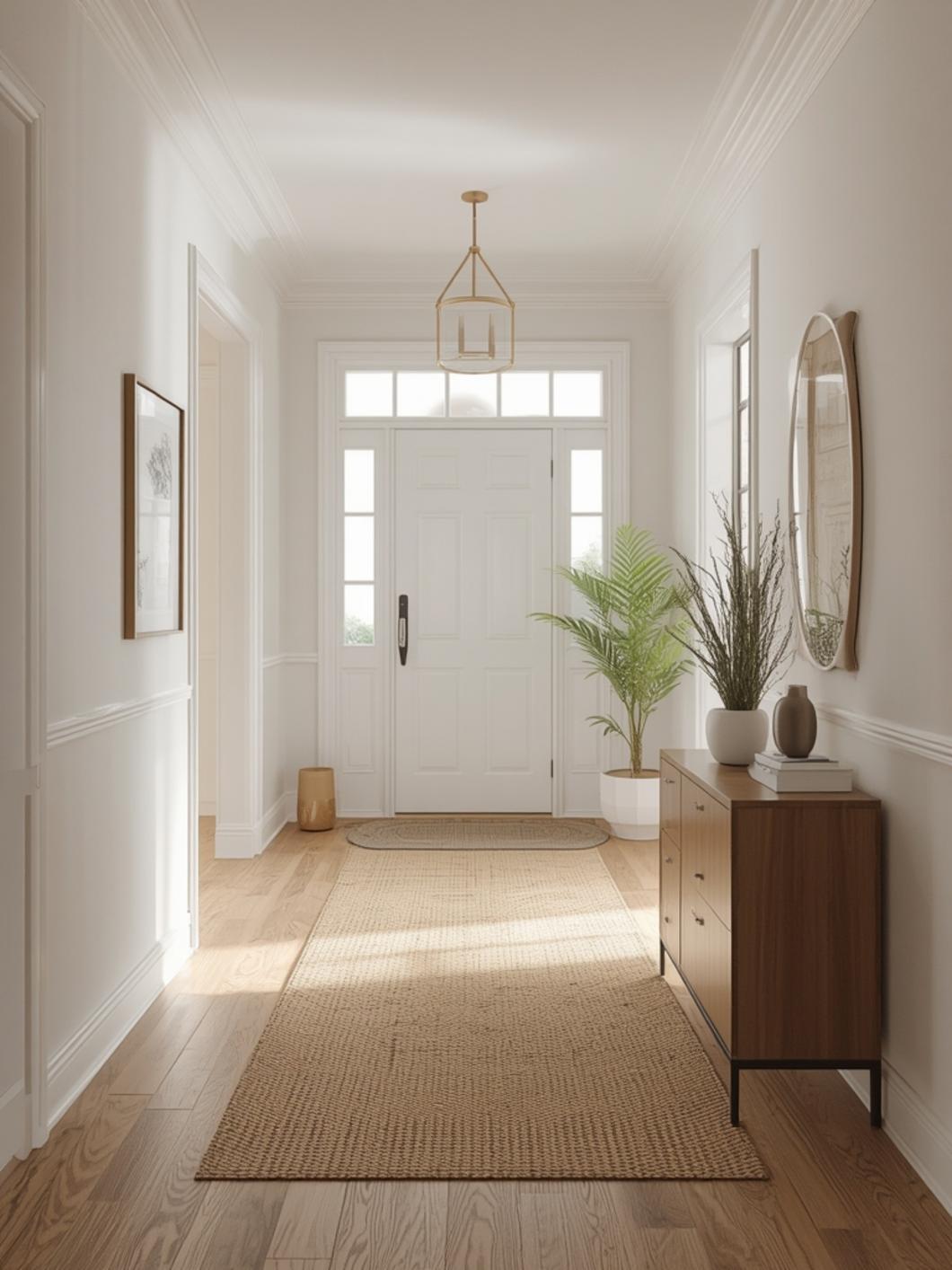
Ready to put these ideas into action? Here are seven proven approaches that work in real homes just like yours.
1. The Mirror Magic Method
Hang an oversized mirror on your largest wall to instantly double the visual space. Position it to reflect natural light from a nearby window or door. This is the single most effective way how to make a small entryway look bigger without any structural changes. Add a slim console beneath it with a lamp and decorative tray.
2. Vertical Storage Solution
When floor space is limited, look up. Install floating shelves at varying heights or a tall, narrow cabinet that reaches toward the ceiling. This draws the eye upward and creates the illusion of height. Use the shelves for decorative items on top and practical storage baskets below.
3. The Minimalist Entry
Less truly is more in a small space. Choose one statement piece—maybe a beautiful bench with storage or an eye-catching piece of artwork. Keep everything else simple with just a few wall hooks and a small dish for keys. The clean look makes your entryway feel larger and more intentional.
4. Color Block Statement
Paint your entryway in a bold, welcoming color different from adjacent rooms. This defines the space as its own “room” even in an open floor plan. Deep navy, warm terracotta, or sage green all work beautifully. Keep furniture light-colored to balance the drama.
5. The Layered Rug Approach
Start with a larger neutral rug as your base, then layer a smaller patterned runner on top. This adds visual interest and helps define your entryway area, especially in homes where the entrance opens directly into another room. The layering trick also lets you easily switch up your look seasonally.
6. Gallery Wall Welcome
Create a curated collection of artwork, family photos, and mirrors in varying sizes. Keep frames in the same color family for a cohesive look. This personal touch immediately makes your entryway feel warm and lived-in. Plus, it gives guests something interesting to look at while you’re grabbing their coats.
7. Natural Elements Focus
Bring the outdoors in with a large potted plant, a vase of branches, or a wooden console table. Natural materials add warmth and texture that make your entryway feel grounded and calm. Snake plants and pothos are nearly impossible to kill and thrive even in low-light entries.
Each of these approaches can be mixed and matched based on your space and style preferences. Start with the idea that resonates most with you, then add other elements over time.
Benefits of a Well-Designed Entryway
Getting your entryway right delivers benefits that go far beyond just looking pretty. This small space works harder than almost any other room in your home.
Creates Immediate Organization:
When everything has a designated spot right by the door, you’ll stop losing your keys or hunting for your sunglasses. You’ll spend less time searching and more time enjoying your morning coffee. The mental clarity that comes with an organized entry space spreads throughout your entire home.
Boosts Daily Mood:
Walking into a beautiful, thoughtfully designed space sets a positive tone for your entire day. It’s like giving yourself a small gift every time you come home. This emotional benefit is real—your environment directly affects your mental state and stress levels.
Increases Home Value Perception:
A polished entryway makes your entire home feel more expensive and well-maintained. This matters whether you’re planning to sell soon or just want to feel proud of your space. First impressions count, even in your own home.
Reduces Clutter Spread:
When your entryway functions well, the chaos stays contained at the door instead of spreading throughout your house. Shoes, bags, mail, and jackets all have homes, which means your living room stays cleaner with less effort.
Welcomes Guests Warmly:
A beautiful entrance tells visitors they’re valued and welcome. It sets expectations for the rest of your home and puts people at ease immediately. You’ll feel more confident inviting friends over when your entryway makes such a strong statement.
The investment you make in your entryway—whether time, money, or both—pays dividends every single day in ways both practical and emotional.
Tips, Alternatives, and Styling Advice
Creating your dream entryway works at any budget level. Here’s how to approach it based on what you’re comfortable spending.
Budget-Friendly Approach ($100-300):
Start with an affordable console table from a furniture discount store or check Facebook Marketplace for secondhand pieces. Add an inexpensive mirror, some adhesive wall hooks, and a washable cotton runner. Use what you already own—move a small bookshelf from another room or repurpose a dresser as a console. A fresh coat of paint and some DIY artwork can transform the space for under fifty dollars.
Mid-Range Option ($300-800):
Invest in one quality furniture piece like a solid wood bench with storage or a well-made console table that’ll last for years. Add a handwoven rug, a substantial mirror with an interesting frame, and proper lighting with a stylish table lamp. Shop a mix of retailers—splurge on your anchor piece and save on accessories.
Premium Investment ($800+):
Choose custom or designer furniture pieces that perfectly fit your space and style. Opt for a statement chandelier or pendant light, a handcrafted mirror, and original artwork. Invest in high-quality natural fiber rugs that’ll age beautifully. At this level, you’re creating an entryway that could be featured in a design magazine.
Small Space Adaptation:
If you’re working with just a few square feet, mount a narrow floating shelf instead of a console table. Use a leaning ladder rack for coats and bags. Choose a tall, slim mirror to create vertical interest. Keep only your most-used items here and store everything else in a nearby closet.
Quick Style Refresh:
Swap out your rug, change your artwork, or add seasonal greenery for an instant update. Paint just your front door in a bold new color. Switch out hardware on your coat hooks or cabinet pulls. These small changes make a big impact without requiring a full redesign.
Common Mistakes to Avoid
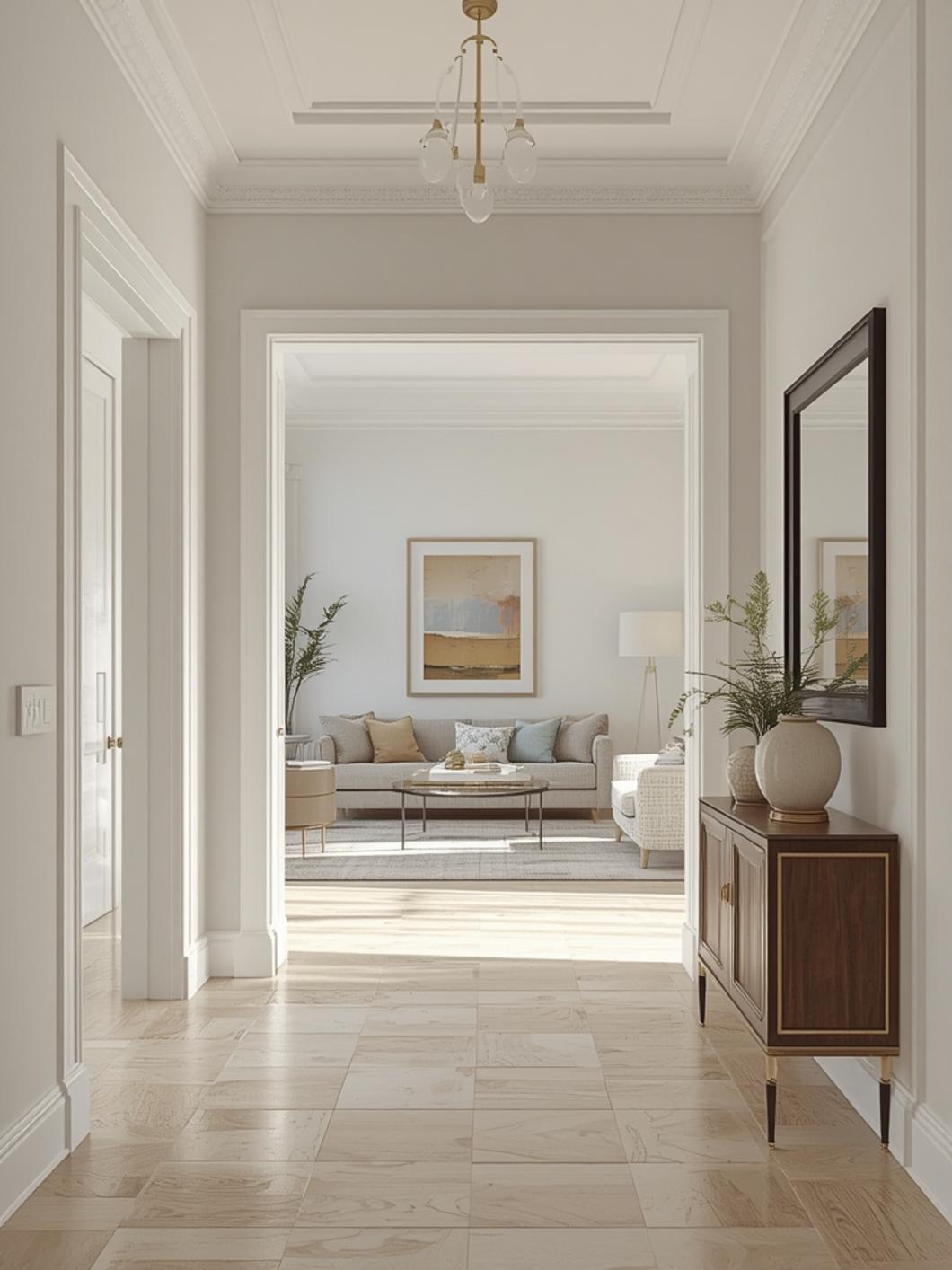
Even with the best intentions, it’s easy to make missteps when decorating your entryway. Here’s what to watch out for.
Overcrowding the Space:
Adding too much furniture or too many decorative items makes your entryway feel cramped and chaotic rather than welcoming. Stick to essentials only and leave some breathing room—you need clear pathways to move through comfortably.
Ignoring Scale and Proportion:
A massive console table in a tiny entryway or a tiny mirror on a large wall throws off the entire space. Measure carefully before buying and choose pieces that fit your specific dimensions, not just what looks good in the store.
Forgetting About Lighting:
A dark entryway feels unwelcoming no matter how beautiful your decor is. Add a table lamp, floor lamp, or upgrade your overhead fixture to something that provides warm, adequate light for the space.
Choosing Style Over Function:
That gorgeous bench might look amazing, but if it’s too uncomfortable to actually sit on while putting on shoes, it’s not serving its purpose. Make sure every piece in your entryway is both beautiful and truly useful for your daily routine.
Neglecting Durability:
Your entryway takes more wear and tear than most spaces in your home. Choose washable rugs, stain-resistant fabrics, and furniture that can handle daily use. Save the delicate, impractical pieces for low-traffic rooms.
Maintenance and Upkeep Tips
Keeping your entryway looking fresh doesn’t require hours of work. A few simple habits will maintain that just-decorated look.
Weekly Quick Reset:
Spend five minutes each week putting everything back in its place. Return shoes to their storage spot, hang up coats properly, and wipe down your console table. This prevents clutter from accumulating and keeps your space functional.
Monthly Deep Clean:
Once a month, vacuum or shake out your rug, dust your mirror and artwork, and wipe down all surfaces with appropriate cleaners. Check that hooks and shelves are still securely mounted. Refresh any fresh flowers or greenery that’s past its prime.
Seasonal Updates:
Every three to four months, evaluate what’s working and what’s not. Rotate your seasonal decor, wash any fabric items like bench cushions or throws, and check your storage solutions to see if they’re still meeting your needs. This is also the perfect time to touch up paint if needed.
Weather Protection:
Place a durable mat outside your door and another inside to catch dirt and moisture before it reaches your rug. During wet seasons, have a designated spot for wet umbrellas and a tray for muddy shoes. This simple habit protects your flooring and keeps your entryway cleaner with less effort.
Conclusion
Your entryway deserves just as much attention as any other room in your home. With the right furniture, smart styling choices, and a focus on both beauty and function, you can create an entrance that welcomes you home every single day.
Remember that this is a space you can update and refresh as often as you like without a major commitment. Start with the basics that work for your lifestyle, then add personality through seasonal touches and decorative elements.
Ready to see what else you can do with your home? Explore more styling guides and practical decorating advice at DecorKingdom.
FAQs
What size rug should I use in my entryway?
For a small entryway, choose a rug that’s 2×3 or 3×5 feet—large enough to define the space but small enough to avoid overwhelming it. In a larger foyer, go for a 5×7 or even larger to anchor the area properly. Make sure the rug extends at least a few inches beyond your furniture on each side and leaves some floor space visible around the edges.
How do I decorate an entryway with no walls?
Use furniture to define the space instead of relying on walls. Position a console table perpendicular to the room to create a visual boundary. Add a large area rug to mark where your entryway “begins” and use a room divider or tall plant to suggest separation. This creates the feeling of a distinct entry zone even in an open floor plan.
What’s the best lighting for a small, dark entryway?
Layer your lighting with multiple sources for the best effect. Add a table lamp on your console for warm, ambient light. Consider battery-operated LED picture lights above artwork or under floating shelves. If you have an overhead fixture, use a high-wattage LED bulb in a warm color temperature (2700-3000K) to brighten the space without harsh glare.
How can I add storage to my entryway without it looking cluttered?
Choose furniture with hidden storage like a bench with a lift-top or a console table with drawers and baskets underneath. Use matching baskets or bins to contain smaller items so everything looks cohesive. Mount hooks on the back of your door or inside a nearby closet instead of on the wall if visible storage makes your space feel messy.
Should my entryway decor match the rest of my house exactly?
Your entryway should complement your home’s overall style but doesn’t need to match exactly. Think of it as a preview or introduction to your decorating style rather than an exact replica. You can be slightly bolder with color or pattern here since it’s a small, contained space. The key is maintaining a similar aesthetic and quality level that flows naturally into your main living areas.
—
Meta Title: Entryway Home Decor Ideas That Wow in 2026
Meta Description: Create a stunning entryway home decor space with furniture picks, styling tips, and tricks to maximize small spaces. Transform your entrance today!