The Garage Sale System That Turns Clutter Into Cash in One Weekend
You’ve been meaning to clear out your closets for months, and now you’re finally ready to turn your clutter into cash. But the thought of managing tables full of random stuff, confused shoppers, and missing price tags can feel overwhelming before you even begin.
Learning how to organize for garage sale success doesn’t have to be stressful. With a simple system in place, you can create a shopping experience that attracts buyers, moves inventory quickly, and helps you earn more from the items you no longer need.
Your garage sale can be a well-organized event that feels more like a pop-up shop than a chaotic yard scramble. A few smart planning steps make all the difference between a profitable morning and a frustrating one.
Table of Contents
Materials & Decor Elements
You don’t need fancy retail equipment to run a successful garage sale. Most of what you need is already in your home or easily borrowed from neighbors.
Start with sturdy folding tables or old doors placed on sawhorses for display surfaces. Plastic tablecloths protect your tables and make items stand out against a clean background.
Gather these essential organizing supplies:
– Price tags or colored stickers for quick categorizing
– Permanent markers in bold colors
– Painter’s tape for labeling sections
– Cardboard boxes for books, toys, or kitchenware
– Clothing racks or rope strung between trees for hanging garments
– A cash box or fanny pack with small bills and coins
– Shopping bags (reused grocery bags work perfectly)
– Extension cords if you’re selling electronics that buyers want to test
Add a full-length mirror if you’re selling clothing or accessories. Shoppers are far more likely to buy when they can see how something looks on them.
A portable speaker playing quiet background music creates a welcoming atmosphere. Keep a cooler with cold water bottles nearby, both for yourself and as a small revenue stream on hot days.
Timing / Project Planning

Start preparing at least two weeks before your sale date. This gives you time to sort through your home room by room without feeling rushed or burning out halfway through.
Choose a Saturday or Sunday morning for your sale. Most successful garage sales run from 7:00 AM to 1:00 PM, catching early birds who arrive before sunrise and casual browsers who stop by mid-morning.
Avoid holiday weekends when potential buyers have other plans. Check your local community calendar to make sure you’re not competing with major neighborhood events.
Spring and early fall are prime garage sale seasons. The weather is comfortable, and people are in transition mode—moving, redecorating, or preparing for seasonal changes.
Post signs and online listings at least three days in advance. Many serious garage sale shoppers plan their Saturday morning routes by Thursday evening.
Budget about 10-15 hours total for sorting, pricing, setting up, running the sale, and cleaning up afterward. Break this into manageable chunks over several days so you don’t exhaust yourself before sale day even begins.
Step-by-Step Instructions
Sort by category first
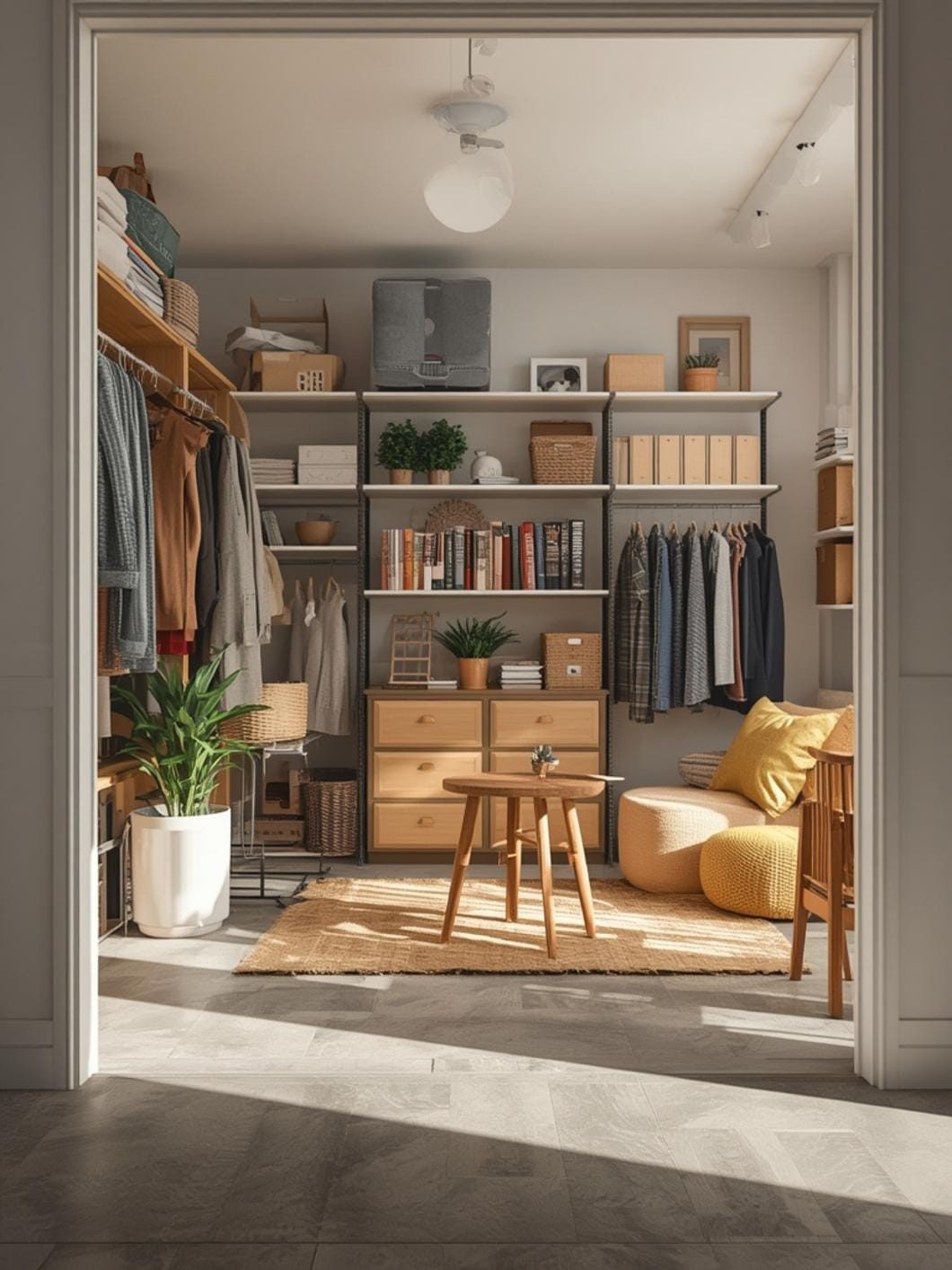
Go through your home and gather items by type: all clothing together, all kitchen items together, all books together. This prevents you from setting up a chaotic jumble where nothing makes visual sense to shoppers.
Create three piles as you sort: definitely selling, maybe selling, and keeping. Be honest about what you’ll actually use again.
Price everything clearly
Understanding how much should you price used items for a garage sale keeps your merchandise moving. Use the 10-20% rule as your baseline: most used items sell for 10-20% of their original retail price.
Price gently used clothing at $1-5, kitchen items at $2-8, and furniture at 20-30% of replacement cost. Books typically sell for $0.50-2.00 depending on condition and demand.
Mark prices on tags that face outward so shoppers don’t have to flip items over constantly. Never make buyers guess at a price—unlabeled items rarely sell.
Create shopping zones
Set up your tables like a mini department store with clear sections. Put clothing in one area, household goods in another, and kids’ items in their own space.
Position your most attractive or valuable items at eye level on tables near the street. These anchor pieces draw people in from their cars.
Place smaller, easily pocketed items like jewelry or collectibles near your checkout area where you can watch them.
Make everything accessible
Hang clothing on racks at a comfortable height. Fold and stack sweaters and jeans on tables so shoppers can see sizes without creating a mess.
Stand books upright in boxes so titles are visible. Lay kitchen items out separately rather than piling them in bins where people have to dig.
Plug in lamps and small appliances to prove they work. Nothing kills a sale faster than “I think this works but I’m not sure.”
Set up a smooth checkout system
Position your cash box at a central table with a chair where you can see most of your sale area. Keep a calculator, paper, and pen handy for adding up multiple purchases.
Start with $50-75 in small bills and coins. Running out of change early in the morning means losing sales to buyers who only have $20 bills.
Handle negotiation gracefully
Expect buyers to ask for lower prices, especially on big-ticket items or when buying multiple things. Decide in advance how low you’ll go on each item.
A friendly “I can do $8 instead of $10” feels better to both parties than a flat “no.” Build in a small negotiation buffer when you price items initially.
If someone wants to buy several items, offer a package deal: “How about $15 for all four of these?” Moving multiple pieces at once is worth a small discount.
Benefits / Advantages
A well-organized garage sale does more than just clear your space—it creates opportunities for connection in your neighborhood. You’ll meet people you’ve never spoken to before and often hear stories about how your old items will be loved in their new homes.
The extra cash helps fund new projects or updates in your home without touching your regular budget. One successful sale can easily generate $200-500 depending on what you’re selling.
Seeing your unused items go to people who genuinely need or want them feels better than hauling everything to a donation center. You know exactly where your things are going and who will benefit.
The decluttering process itself helps you see your home with fresh eyes. You’ll notice spaces that can be reorganized or repurposed once the excess is gone.
Tips, Alternatives, Styling Advice
Budget-friendly option: Skip paid advertising and rely on free online listings, neighborhood Facebook groups, and handmade signs at major intersections. Use supplies you already own and borrow tables from friends.
Mid-range option: Invest in professional-looking signs from an office supply store, buy new stickers and tags for clean pricing, and advertise on multiple platforms including Craigslist and Nextdoor. Rent a clothing rack if you’re selling many garments.
Premium option: Team up with neighbors for a multi-family sale that attracts more shoppers. Hire a teenager to help manage crowds and restock tables. Offer mobile payment options like Venmo or Cash App alongside cash.
Small space adaptation: If you don’t have a driveway, ask a friend or family member to host the sale at their home in exchange for a percentage of profits. Alternatively, focus on higher-value items and use a folding table on your apartment building’s lawn (with permission).
Weather backup plan: Have a rain date posted on all your advertising. If weather threatens on sale day, set up under a pop-up canopy or in your garage with the door open. Never cancel at the last minute without notifying people through your online listings.
Common Mistakes to Avoid

Pricing items too high based on sentimental value: Your grandmother’s dishes might be precious to you, but buyers see used kitchenware. Price based on realistic resale value, not emotional attachment, or plan to keep truly meaningful items.
Starting too late in the morning: Serious garage sale shoppers are out by 7:00 AM and often done by 9:00 AM. Starting at 9:00 or 10:00 means missing your most motivated buyers who arrive early with cash in hand.
Leaving items in boxes or bags: Shoppers won’t dig through mystery containers hoping to find treasures. Unpack everything and display it openly so people can see what you’re selling without asking or searching.
Not having enough change: Running out of singles and fives by 8:00 AM means turning away buyers or making awkward IOU arrangements. Start with at least $50 in small bills and keep it secured in a fanny pack or locked cash box.
Forgetting to check pockets and drawers: Empty all pockets in clothing and remove items from purses, desk drawers, and jewelry boxes. Shoppers finding forgotten cash or personal items creates uncomfortable situations for everyone.
Maintenance / Upkeep Tips
Plan what happens to unsold items before your sale day ends. Have bags and boxes ready to pack up donations immediately so they leave your property that same afternoon.
Take photos of your setup and pricing system. If you decide to hold another sale in the future, you’ll remember what worked well and what needs adjustment.
Save your signs, price tags, and markers in a labeled box for next time. Store them with your seasonal decorations so you can find them easily when you’re ready to declutter again.
Keep a simple notebook logging what sold well and what didn’t. Items that sat untouched all morning probably aren’t worth trying to sell again—donate them immediately instead.
Update your home inventory list after the sale. Knowing what you’ve removed helps you avoid accidentally buying duplicates or replacing items you intentionally let go.
Conclusion
Running a successful garage sale comes down to thoughtful organization that makes shopping easy and enjoyable for your buyers. When items are clearly priced, neatly displayed, and grouped logically, people feel comfortable browsing and buying.
The effort you put into preparing pays off in faster sales, better prices, and less stress on sale day. Your clutter becomes someone else’s treasure, your home feels lighter, and your wallet gets a welcome boost.
Ready to tackle more home organization projects that create both beauty and function? Explore more practical ideas and inspiration at DecorKingdom.
FAQs
What’s the best way to advertise a garage sale for free?
Post on Craigslist, Facebook Marketplace, Nextdoor, and local community sale groups at least three days in advance. Include your address, sale hours, and a few specific high-value items to attract searchers. Bright signs at nearby intersections on sale morning catch drive-by traffic effectively.
Should I negotiate prices or stick to marked amounts?
Be open to reasonable negotiation, especially later in the day when you want to move remaining items. Build a small buffer into your initial prices so you have room to come down slightly. Offering package deals on multiple items encourages bigger purchases and faster inventory clearing.
How early should I set up on sale day?
Set up completely the night before if weather allows, or start at 6:00 AM on sale day for a 7:00 AM opening. Early bird shoppers often arrive 15-30 minutes before your posted start time, and being ready for them means catching serious buyers with cash to spend.
What items typically sell fastest at garage sales?
Quality children’s clothing and toys, small kitchen appliances that work, furniture in good condition, and tools sell quickly when priced fairly. Name-brand items, vintage decor pieces, and sporting equipment also move fast. Books and basic household items sell steadily but at lower prices.
How do I handle lowball offers without being rude?
Smile and politely counter with a price closer to your marked amount: “I can’t go that low, but I could do $12 instead of $15.” If they walk away, that’s okay—another buyer might pay full price. Late in the day, accepting lower offers helps you avoid hauling items back inside.
—
Meta Title: How to Organize for Garage Sale Success (2026 Guide)
Meta Description: Learn how to organize for garage sale profits with smart pricing, display tips, and systems that help you sell more in less time this weekend.