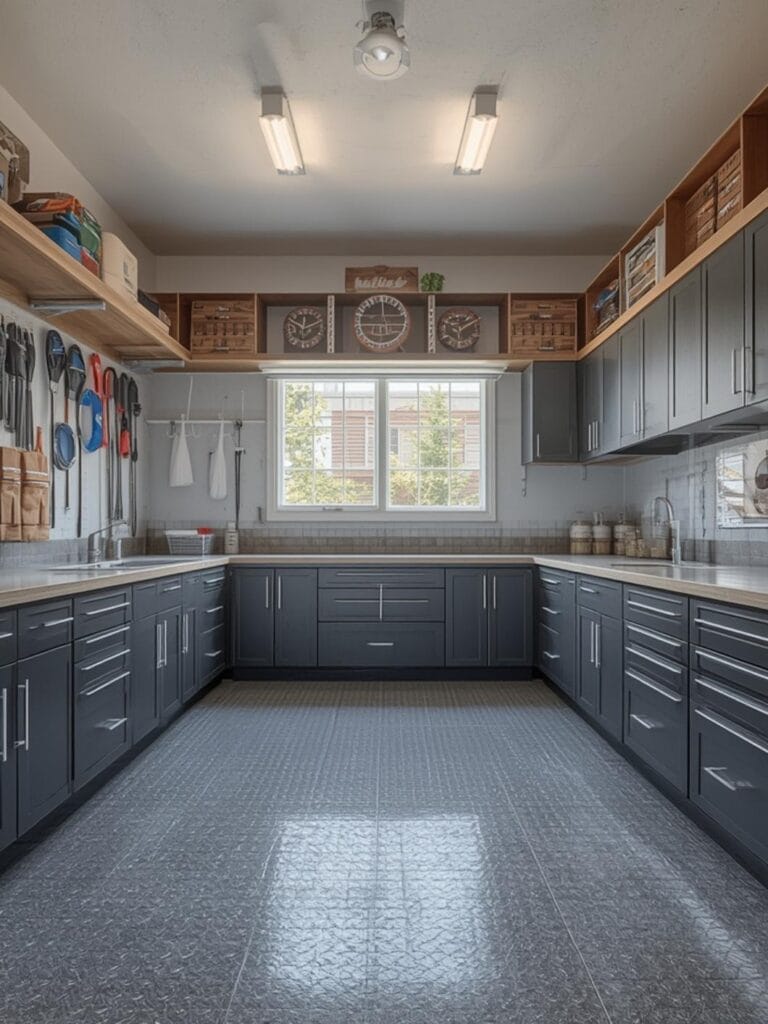
Transform Your Clutter Into Cash: The Ultimate Garage Sale Guide
Your garage is packed with things you no longer use, and your closets are bursting at the seams. You know it’s time to let go, but the thought of simply donating everything feels wasteful when you could earn some cash instead.
How do you organize a garage sale that actually attracts buyers and makes the effort worthwhile? The answer lies in smart planning, strategic pricing, and creating a shopping experience that makes people want to stop and browse.
Whether you’re decluttering before a move, funding a home improvement project, or simply reclaiming your space, a well-organized garage sale can put hundreds of dollars back in your pocket while helping others find treasures at great prices.
Table of Contents
Materials & Decor Elements
Running a successful garage sale requires more than just hauling items to your driveway. You’ll need supplies that help shoppers see value and make their experience enjoyable.
Essential items include:
– Sturdy folding tables or card tables for displaying merchandise
– Clothing racks or sturdy rope for hanging garments
– Price stickers or masking tape and markers
– A cashbox with small bills and coins for change
– Large poster boards for signage
– Brightly colored paper or neon markers for visible pricing
– Plastic bags or reusable shopping bags for purchases
Consider borrowing or renting tables if you don’t have enough. Display matters enormously when shoppers drive by deciding whether to stop. Items piled on the ground or in messy boxes rarely attract serious buyers.
Create designated areas for different categories. Group kitchen items together, keep children’s toys in one section, and display home decor pieces where they’re easily visible. This organization helps shoppers quickly find what interests them without digging through random piles.
Timing / Project Planning

Timing can make or break your garage sale success. Most experienced sellers choose Saturday mornings starting between 7:00 and 8:00 AM, when serious bargain hunters are actively searching.
Avoid holiday weekends when potential buyers have other plans. Spring and fall typically bring the best results, with pleasant weather that encourages people to drive around their neighborhoods. Summer mornings work well too, but start early before temperatures climb.
Give yourself at least two weeks to prepare properly. This allows time to sort through your home, clean items, research prices, and advertise effectively. Rushing the process usually means lower earnings and higher stress.
Budget considerations matter too. Most garage sale expenses stay under fifty dollars, covering supplies like price stickers, signs, and newspaper or online advertising. Your inventory costs nothing since you’re selling items you already own.
Plan for weather contingencies. Have tarps or plastic sheets ready to protect items if clouds threaten. Consider postponing if heavy rain is forecast, since bad weather dramatically reduces foot traffic.
Step-by-Step Instructions
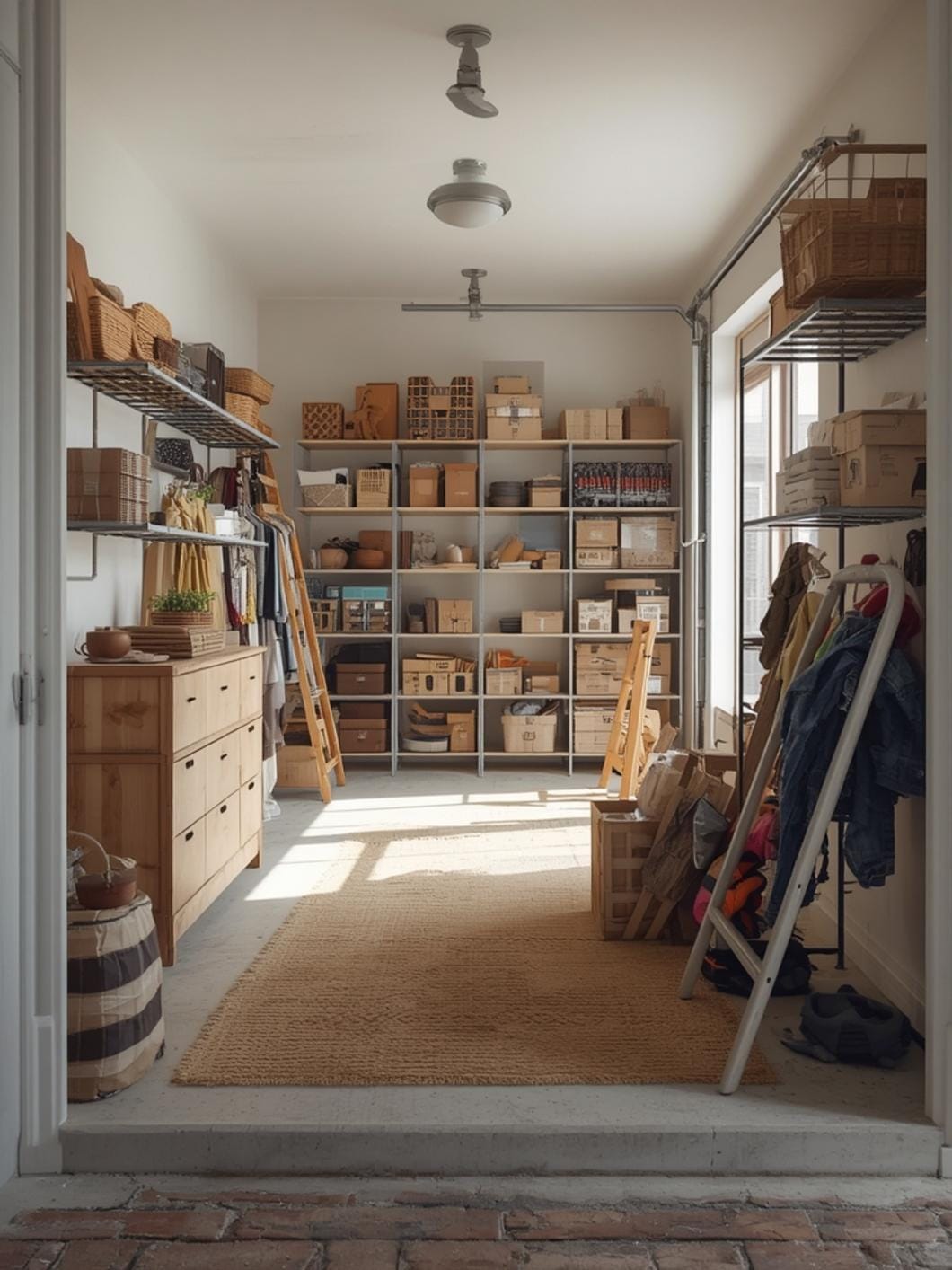
Sort and Select Your Items
Walk through every room in your home with boxes labeled “sell,” “donate,” and “keep.” Be honest about what you actually use. If something hasn’t been touched in a year, it’s probably time to let it go.
Check everything for functionality. Test electronics, ensure puzzles have all pieces, and confirm that items are clean and presentable. Buyers won’t purchase things that look dirty or broken unless priced accordingly.
Price Everything Strategically
This is where how much money can you make from a garage sale truly depends on your approach. General pricing guidelines suggest 10-30% of the original retail price for most items.
Price clothing at one to three dollars for everyday pieces, five to ten dollars for name brands in excellent condition. Kitchen items typically sell for two to five dollars, while furniture prices vary widely based on condition and demand.
Use round numbers to simplify transactions. Price items at one dollar, fifty cents, or quarters rather than odd amounts. This speeds up the checkout process and reduces the change you need on hand.
Consider bundle pricing for children’s books, DVDs, or similar small items. “Five books for two dollars” moves inventory faster than individual pricing.
Create Eye-Catching Signage
Make large, bold signs with dark markers on bright poster board. Include only essential information: “GARAGE SALE,” your address, and an arrow pointing the right direction. Add the date and start time if there’s room.
Place signs at major intersections near your home, following local ordinances about sign placement. Use stakes or zip ties to secure them against wind. Remove all signs promptly after your sale ends.
Set Up for Shopping Success
Arrange your space the night before if weather permits. Position tables so shoppers can walk around them easily. Keep valuable or small items near your cashier station where you can monitor them.
Display clothing by size and gender. Hang nicer pieces and fold others neatly in boxes or on tables. Present kitchen items with like items, making it easy for buyers to imagine using them.
Place furniture strategically to create a welcoming shopping environment. Don’t block visibility from the street, as passing drivers decide quickly whether to stop.
Manage Your Sale Day
Have at least fifty dollars in small bills and coins ready for making change. Keep your cashbox with you at all times, never leaving it unattended on a table.
Greet shoppers warmly and answer questions, but avoid hovering. Most buyers prefer to browse without feeling pressured. Stay visible and available near your checkout area.
Be ready to negotiate, especially later in the day. Many buyers expect some flexibility on pricing. Decide in advance what discounts you’re willing to offer.
Handle the Final Hours
As your sale winds down, consider offering bulk deals. “Fill a bag for five dollars” helps clear remaining inventory. Some sellers advertise “half price after noon” to encourage afternoon shopping.
Have boxes ready for donations and load unsold items immediately into your vehicle. Drop them at a donation center that same day so they don’t end up back in your garage.
Benefits / Advantages
The obvious advantage is cash in your pocket. Typical garage sales earn between two hundred and five hundred dollars for a full day of selling, with some well-organized sales bringing in over a thousand dollars.
Beyond money, you’ll reclaim valuable space in your home. Clearing out unused items makes room for things you actually love and use daily. Your garage might finally fit your car again, or your closets could breathe with newfound space.
There’s also something satisfying about watching items find new homes where they’ll be appreciated. Your children’s outgrown toys bring joy to another family. Your excess kitchen gadgets help someone setting up their first apartment.
Garage sales also build neighborhood connections. You’ll meet neighbors you’ve never spoken with and strengthen your sense of community. Some shoppers become regular visitors at future sales.
The process itself often feels liberating. Many homeowners report feeling lighter and less burdened after successfully clearing clutter. Your home feels more intentional and manageable.
Tips, Alternatives, Styling Advice
Budget-Friendly Approach
Skip paid advertising and rely on free online marketplaces and neighborhood social media groups. Make signs from cardboard boxes instead of buying poster board. Borrow tables from friends or use sturdy boxes covered with sheets.
Price aggressively to move inventory quickly. Remember that making one dollar per item is better than storing those items for another year. Focus on volume over premium pricing.
Mid-Range Strategy
Invest in a small advertisement in your local newspaper’s weekend classifieds. Buy professional-looking price stickers and colorful signage materials. Consider partnering with neighbors for a multi-family sale that attracts more traffic.
Take time to stage items attractively. Plug in lamps to show they work. Set tables properly with coordinating dishes. These extra touches justify slightly higher prices.
Premium Experience
Create a boutique-style sale by focusing on quality items only. Arrange everything beautifully as you would in a nice consignment shop. Offer refreshments for shoppers who browse your carefully curated selection.
Use online platforms to pre-sell larger furniture pieces, then display them at your sale with “sold” signs showing your success. This creates urgency among other shoppers.
Small Space Adaptation
No driveway or garage? Ask your homeowners association about using common areas or partner with a friend who has more space. Apartment dwellers can organize sales in building parking areas with proper permissions.
Alternatively, focus on online selling through local marketplaces. While this requires more effort per item, you often get better prices than at a traditional garage sale.
Common Mistakes to Avoid

Overpricing items based on sentimental value or original cost. Garage sale shoppers expect deep discounts, so price items at what someone would actually pay, not what you wish they were worth.
Starting too late in the day and missing serious buyers. Early morning shoppers often make the biggest purchases, so be ready by 7:00 AM even if you’re not naturally an early riser.
Leaving items dirty or displaying them poorly. Wipe down everything and present items neatly, since first impressions determine whether shoppers even pick something up to examine it.
Accepting personal checks from strangers. Stick to cash only to avoid potential fraud or bounced checks that leave you without payment after items are gone.
Not having enough change available. Break several twenty-dollar bills at your bank the day before, and stock up on ones, fives, and quarters to handle any transaction size smoothly.
Maintenance / Upkeep Tips
Planning follow-up actions prevents your garage sale from becoming an ongoing storage problem. Load unsold items immediately into your vehicle while you’re still motivated and energized.
Research donation centers that accept the specific items you have left. Some organizations pick up furniture and large items, making disposal even easier. Schedule pickups before your sale if possible.
Clean your display area thoroughly after the sale ends. Sweep your driveway or garage, and remove any price stickers from permanent fixtures. This helps your home return to normal quickly.
Save any supplies like tables, price stickers, and signs for future sales. Store them together in a clearly labeled box so you don’t need to repurchase everything next time.
Take a moment to count your earnings and reflect on what worked well. Note which items sold quickly and which sat untouched, informing better decisions for future decluttering efforts.
Conclusion
A successful garage sale combines smart preparation, strategic pricing, and shopper-friendly presentation. When you organize thoughtfully and price fairly, you’ll attract buyers who appreciate finding treasures while you enjoy reclaiming your space and earning extra money.
Start planning your sale today by walking through your home with fresh eyes. You’ll likely discover more sellable items than you initially expected, and the potential earnings make the effort incredibly worthwhile.
Visit DecorKingdom for more practical guides on organizing your home and making the most of every space in your house.
FAQs
What’s the best month to have a garage sale?
May and September typically bring the best results for garage sales. Weather is pleasant in most regions, and people actively shop before summer vacations or as they prepare for holiday spending. Avoid July and August in hot climates, and skip December when shoppers focus on retail stores.
Do I need a permit to hold a garage sale?
Many cities require free permits for garage sales or limit how many you can hold per year. Check your local municipal website or call city hall to learn specific requirements. Most permits involve simple registration rather than fees, but violating local ordinances could result in fines.
How should I handle people who want to negotiate prices?
Expect negotiation, especially on higher-priced items or near the end of your sale. Decide in advance what discounts you’ll accept, typically ten to twenty-five percent off your asking price. Stay friendly but firm on items you’ve priced fairly, and be more flexible on things you really want gone.
Should I advertise my garage sale online or in newspapers?
Use both if your budget allows, but prioritize free online platforms like Facebook Marketplace, Nextdoor, and Craigslist. These reach active bargain hunters at no cost. Local newspaper classifieds still attract serious buyers in some communities, especially older shoppers who prefer traditional methods.
What should I do with items that don’t sell?
Load unsold items immediately and donate them the same day to prevent them from migrating back into your home. Research which charities accept specific items, as some organizations only take clothing while others accept housewares and furniture. Schedule donation pickups in advance for large items if possible.
—
Meta Title: How Do You Organize a Garage Sale Successfully in 2026
Meta Description: Discover how do you organize a garage sale that attracts buyers and maximizes earnings. Simple planning tips for homeowners ready to declutter.