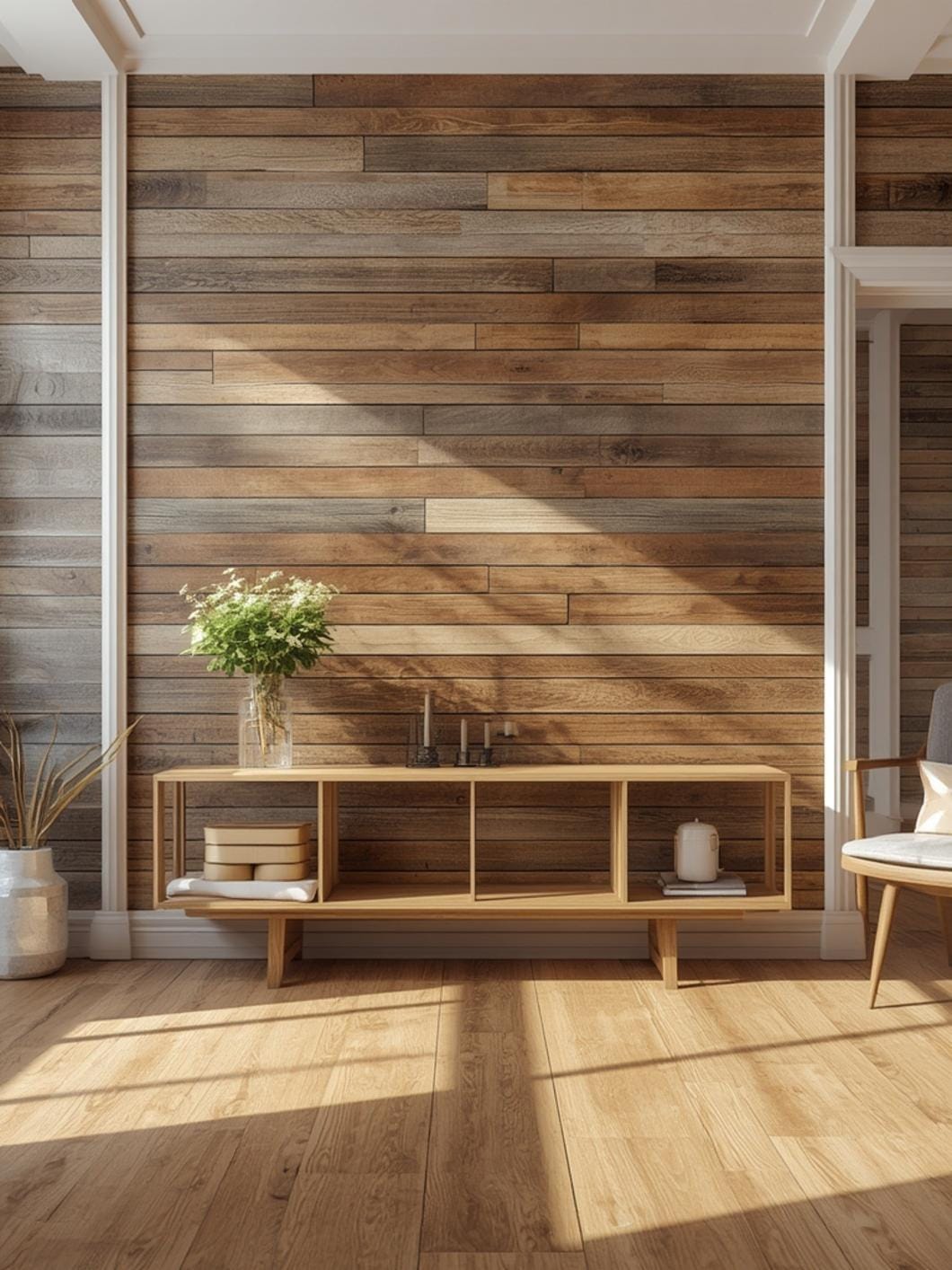
7 Rustic Accent Wall Ideas That Feel Raw and Natural
You walk into your living room and something feels flat. The furniture is fine, the lighting works, but the walls just sit there doing nothing. You’ve seen those gorgeous rooms online where one wall becomes the star of the show, drawing your eye and making the whole space feel intentional.
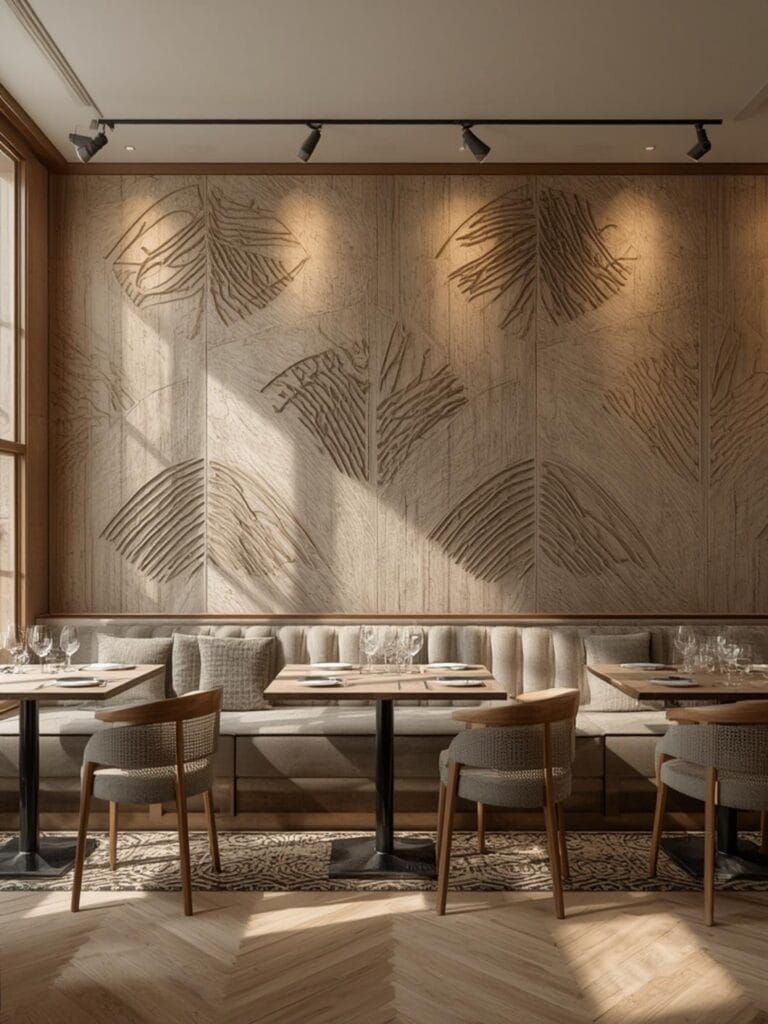
That’s exactly what rustic accent wall ideas can do for your home. These aren’t your grandmother’s paneled walls. We’re talking about warm wood tones, weathered textures, and that cozy cabin feeling that makes you want to curl up with a good book. The best part? You don’t need to be a DIY expert to pull off most of these looks.
Whether you’re drawn to the classic shiplap style or something with more character like reclaimed barn wood, there’s a rustic accent wall waiting to anchor your room and give it personality.
Table of Contents
What You’ll Need to Get the Look
The materials you choose will depend on which rustic style speaks to you. Here’s what most homeowners work with:
– Wood planks or panels in pine, cedar, or reclaimed varieties
– Shiplap boards for that farmhouse-meets-modern aesthetic
– Peel-and-stick wood panels if you’re renting or want an easier install
– Stain or whitewash to customize your wood tone
– Wood glue and finishing nails for securing boards
– Level and measuring tape to keep everything straight
– Sandpaper for smoothing rough edges
– Matte or satin polyurethane to protect the finished wall
If you’re going for a painted shiplap look, you’ll also want primer and your chosen paint color. Many homeowners love soft whites, warm grays, or even deep charcoal for drama.
The reclaimed wood route means hunting for salvaged boards with character marks, nail holes, and weathering already built in. New wood works beautifully too, especially when you add your own distressing or staining.
Finding Your Style and Season
Your rustic accent wall should feel right for your home’s personality and how you actually live in the space.
Think about where you spend the most time. Living rooms and bedrooms are classic choices because you want that cozy factor where you relax. Dining rooms gain instant warmth when one wall goes rustic, making every meal feel special.
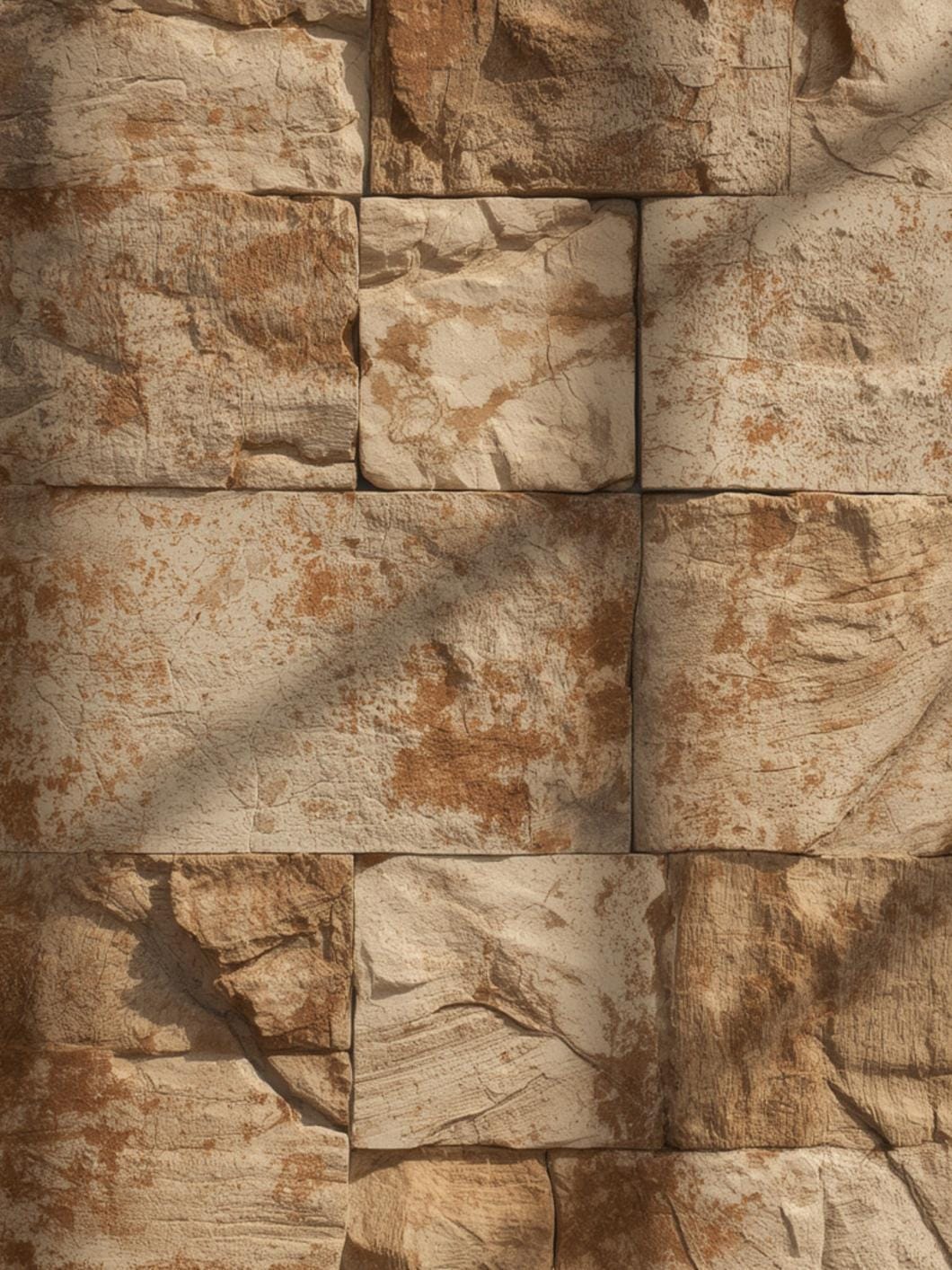
Consider your existing furniture before choosing a wood tone. Dark leather sofas look stunning against lighter weathered wood. Light linen furniture pops beautifully against deeper walnut or espresso-stained boards.
Season matters more than you’d think. Installing an accent wall during moderate weather makes the whole process easier since you might want windows open for ventilation if you’re staining or sealing. Spring and fall are ideal, but summer and winter work fine if you plan around temperature extremes.
Budget-wise, expect anywhere from a few hundred dollars for a small peel-and-stick project to a couple thousand for a large wall with premium reclaimed wood. Most homeowners land somewhere in the middle, spending around $500 to $800 for a standard living room wall.
7 Ideas to Try in Your Home
Ready to see what’s possible? Here are the rustic accent wall styles that homeowners love most, each with its own personality.
Classic Horizontal Shiplap: This is the timeless choice that works in literally any room. The boards run horizontally with that signature small gap between each plank. Paint it white for farmhouse charm, or leave it natural for more rustic warmth. When you’re thinking about how to create a shiplap accent wall, this horizontal pattern is usually the easiest starting point for first-timers.
Vertical Plank Design: Flip the orientation and your room instantly feels taller. Vertical planks draw the eye upward, making standard eight-foot ceilings look more impressive. This works especially well behind beds or in narrow hallways where you want to create the illusion of height.
Reclaimed Barn Wood Feature: Nothing beats the authenticity of actual barn wood with decades of weathering built in. The mixed wood tones, rusty nail marks, and varying plank widths create visual interest you can’t replicate. This style makes a powerful statement behind a fireplace or as a bedroom headboard wall.
Whitewashed Wood Wall: For lighter, airier spaces, whitewash lets the wood grain show through while keeping things bright. This bridges the gap between rustic and coastal styles beautifully. It’s perfect for rooms with limited natural light or when you want rustic texture without heaviness.
Herringbone Pattern Wall: Feeling adventurous? Arrange your wood planks in a herringbone pattern for serious visual impact. This takes more planning and cutting, but the zigzag effect creates movement and sophistication. Save this one for smaller accent areas like behind floating shelves or in a reading nook.
Mixed Width Plank Wall: Use boards of varying widths installed horizontally for an organic, less predictable look. The random pattern feels more authentic and forgiving if your cuts aren’t perfectly precise. This style particularly shines with stained wood in multiple tones.
Weathered Gray Finish: Achieve that driftwood-on-the-beach look with gray-toned stain or specially formulated weathering solutions. This cooler tone works beautifully in modern farmhouse spaces and pairs surprisingly well with both warm and cool color palettes.
Benefits That Go Beyond Good Looks
A rustic accent wall does more than just photograph well. It fundamentally changes how your room feels and functions.
The texture alone makes your space feel more layered and intentional. Flat painted walls reflect sound, but wood planks absorb and soften it, making rooms feel quieter and more intimate. You’ll notice the difference during conversations and movie nights.
Wood adds natural insulation value to your wall, not enough to replace actual insulation, but enough to make the wall feel slightly warmer to the touch. This creates a psychological coziness that painted drywall simply can’t match.
From a design perspective, your accent wall becomes an instant focal point. It tells guests where to look and gives your furniture arrangement a natural anchor. That sofa placement you’ve been unsure about suddenly makes perfect sense when positioned against your wood wall.
Property value gets a subtle boost too. Buyers love character features that set a home apart, and a well-executed accent wall signals that someone has cared for and invested in the space.
Tips, Alternatives, and Styling Advice
You don’t need to break the bank to get that rustic accent wall you’re dreaming about.
Budget-Friendly Approach: Peel-and-stick wood panels have come incredibly far in quality and realism. You can cover a 10×12 wall for under $300, and they’re renter-friendly since they remove without damage. Look for thicker panels with realistic wood grain printing. Another budget win is using fence pickets from your local home improvement store, which cost a fraction of specialty boards.
Mid-Range Sweet Spot: Real pine or cedar shiplap boards installed traditionally hit that perfect balance of authenticity and affordability. You’re looking at roughly $3-5 per square foot for materials. Add a weekend of your time, and you’ve got a permanent feature that looks custom. This is where most homeowners who are comfortable with basic tools land.
Premium Investment: Genuine reclaimed barn wood or specialty hardwoods create one-of-a-kind walls you can’t replicate. Expect $8-15 per square foot or more, but you’re getting decades of character and conversation starters. Professional installation makes sense here since these materials deserve expert handling.
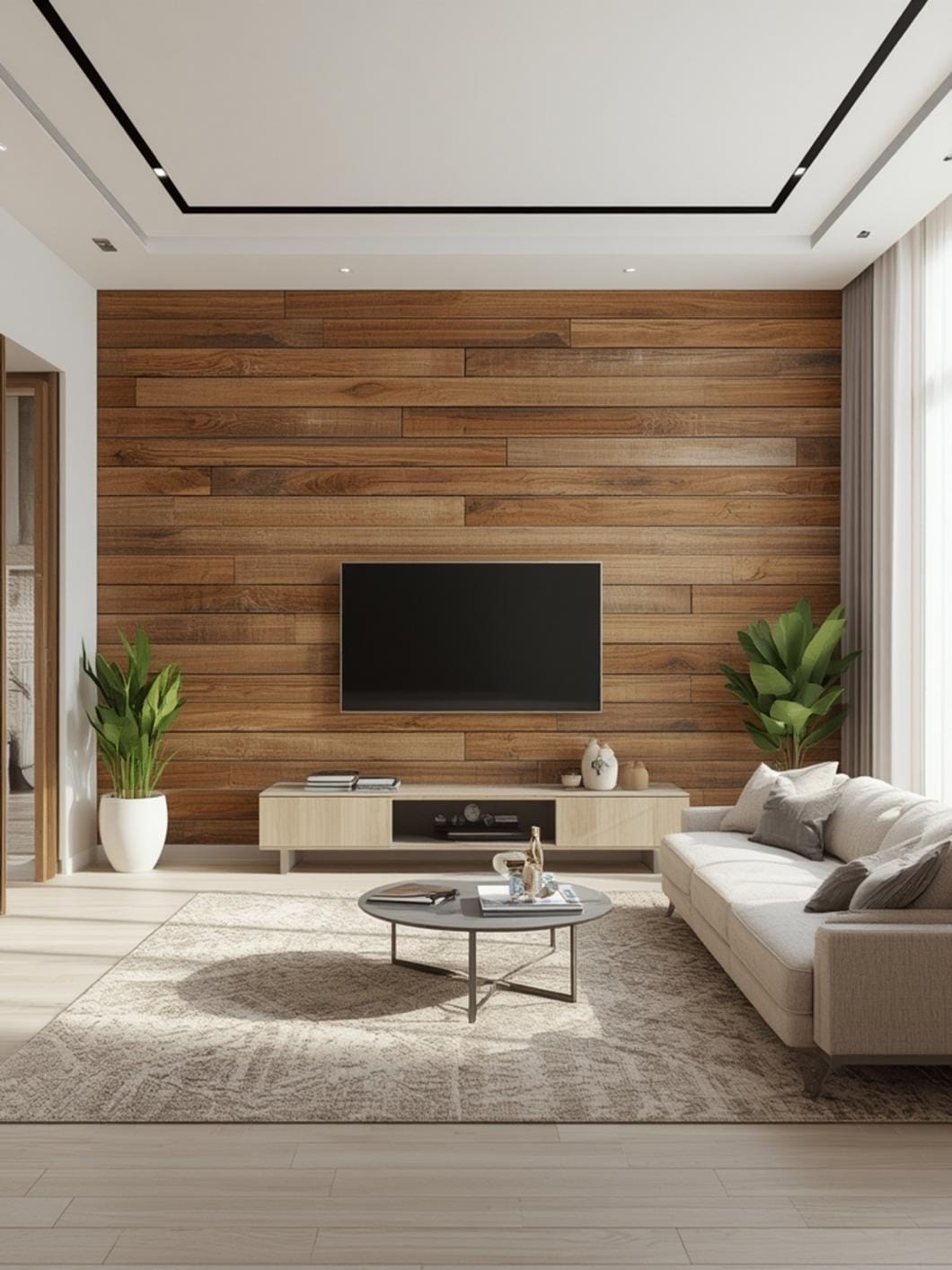
Small Space Hack: You don’t need to cover an entire wall to make an impact. Create a wood accent strip behind your bed from floor to ceiling but only 4-5 feet wide. Or frame out a square section on your wall and fill it with horizontal planks, essentially creating a large wood “frame” for your TV or shelving.
Color Coordination: Pull accent colors from your wood’s undertones. Warm honey-colored wood pairs beautifully with burnt orange, deep red, or forest green accessories. Cooler gray-toned wood loves navy, sage, or charcoal accents.
Common Mistakes to Avoid
Even experienced homeowners hit snags with accent walls. Here’s what to watch out for.
Skipping the wall prep: Installing boards over textured drywall or not filling holes creates an uneven finished surface where boards won’t sit flush. Always start with smooth, clean walls and patch any imperfections first.
Forgetting to acclimate your wood: Boards that go straight from a cold garage to your climate-controlled room will expand or contract after installation, creating gaps. Let your wood sit in the room for 48 hours before installation so it adjusts to the temperature and humidity.
Making the wall too dark for your space: A small room with a very dark accent wall can feel cave-like rather than cozy. Test your stain or paint color on sample boards and live with them on the wall for a few days before committing.
Not planning for outlets and switches: You’ll need to cut around these, and forgetting to measure precisely means gaps or overlaps. Turn off the power, remove the cover plates, and plan your board placement around these features before you start installing.
Overcomplicating your first project: That intricate herringbone pattern looks amazing, but it’s not beginner-friendly. Start with simple horizontal or vertical boards for your first accent wall, then level up on your next one.
Keeping Your Wall Beautiful for Years
The good news is that rustic wood walls are low-maintenance by design. The weathered, textured look means you don’t need perfection.
Dust your wall regularly with a microfiber cloth or soft brush attachment on your vacuum. Wood grain catches dust in its grooves, so a quick weekly once-over keeps it fresh. Avoid using water or wet cleaning products, which can damage unsealed wood or lift peel-and-stick panels.
If you’ve sealed your wall with polyurethane, it’s protected against everyday wear. For unsealed rustic wood, embrace the character that develops. Small scratches or dings just add to the authentic weathered look.
Check your boards annually to ensure they’re still secure, especially in high-humidity areas like bathrooms. A loose board is easy to re-secure with wood glue or a finishing nail before it becomes a bigger problem.
Direct sunlight will gradually fade wood over years, but this often enhances the weathered rustic aesthetic. If you want to prevent fading, use window treatments during peak sun hours or choose a wall that doesn’t get direct light.
Your Perfect Accent Wall Is Closer Than You Think
Creating that rustic accent wall you’ve been dreaming about doesn’t require professional skills or an unlimited budget. Whether you go with classic shiplap, dramatic reclaimed barn wood, or an easier peel-and-stick option, you’re adding warmth and character that makes your house feel more like home.
The key is choosing a style that matches your confidence level and letting the natural beauty of wood do the heavy lifting. Start with one wall, enjoy the transformation, and watch how it anchors your entire room.
Ready to explore more ways to bring personality into your home? Browse more inspiration and practical guides here at DecorKingdom where we help everyday homeowners create spaces they absolutely love.
FAQs
What type of wood is best for a rustic accent wall?
Pine and cedar are excellent choices for most homeowners because they’re affordable, easy to work with, and take stain beautifully. Pine costs less but dents more easily, while cedar resists moisture naturally and has gorgeous grain patterns. If budget allows, reclaimed barn wood offers unmatched character with authentic weathering already built in.
Can I install a rustic accent wall if I’m renting?
Absolutely, and peel-and-stick wood panels are your best friend here. They adhere securely to walls but remove cleanly without damaging paint or leaving residue. Look for panels specifically marketed as removable or renter-friendly, and always test a small section first to ensure they work with your specific wall texture.
How do I choose which wall should be the accent wall?
Pick the wall you naturally look at when you enter the room, which is usually the one opposite the main entrance. Behind a bed, sofa, or fireplace are classic choices because these already serve as focal points. Avoid walls with lots of windows or doors since you’ll have less continuous surface to work with.
Do I need to remove baseboards before installing an accent wall?
It depends on your desired look and skill level. Removing baseboards gives you the cleanest finish since your wood planks can run all the way to the floor, then you reinstall the baseboard over them. If you’re nervous about removal, you can carefully cut your bottom board to fit around the existing baseboard, though this takes more precision.
How long does it take to install a rustic accent wall?
A straightforward horizontal plank wall typically takes one long weekend for most homeowners, with day one for prep and installation and day two for finishing touches and cleanup. More complex patterns like herringbone might need an extra day or two. Peel-and-stick options can often be completed in a single afternoon once you’ve measured and planned your layout.
—
Meta Title: Rustic Accent Wall Ideas That Transform Rooms in 2026
Meta Description: Discover stunning rustic accent wall ideas from shiplap to barn wood. Get step-by-step tips for creating cozy, character-filled spaces.