How to Organize Your Garage: Step-by-Step Storage Solutions
You open your garage door and instantly feel overwhelmed. Boxes stacked on boxes, tools scattered across the workbench, seasonal decorations buried under sporting equipment. Sound familiar? You’re not alone, and the good news is that learning how to organize your garage doesn’t require a complete renovation or professional organizer.
Your garage is probably one of the hardest-working spaces in your home. It stores everything from holiday decorations to power tools, bikes to gardening supplies. But when it becomes a dumping ground, it stops serving you well.
The secret isn’t just buying more storage bins. It’s about creating a system that actually works for how your family lives and what you need to store.
Table of Contents
Materials & Decor Elements
Before you start reorganizing, gather these essential items to create a functional garage space:
Storage Solutions:
– Heavy-duty shelving units (metal or resin work best for garages)
– Clear plastic bins with lids in various sizes
– Wall-mounted pegboards for tool organization
– Ceiling-mounted storage racks for seasonal items
– Labeled baskets or containers for small items
– Magnetic strips for small metal tools
Organization Accessories:
– Wall hooks for bikes, ladders, and garden tools
– Broom and tool holders
– Sports equipment organizers (ball racks, ski holders)
– Drawer organizers for small hardware
– Label maker or waterproof labels
– Heavy-duty trash bags for donation items
Cleaning Supplies:
– Broom and dustpan
– Shop vacuum or regular vacuum
– All-purpose cleaner
– Microfiber cloths
– Floor cleaner suitable for concrete
Optional Upgrades:
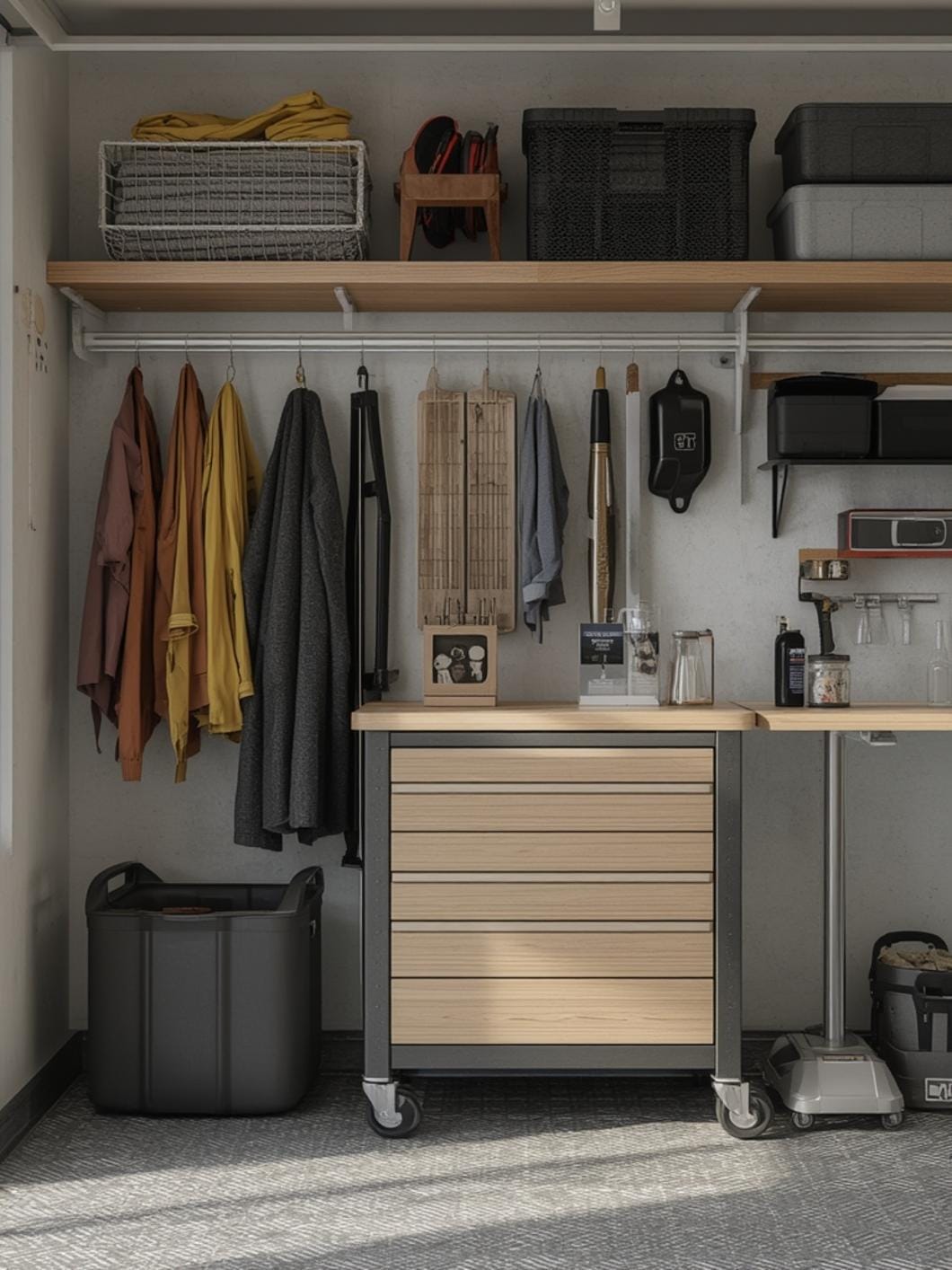
– Rolling tool chest or workbench
– Overhead lighting improvements
– Floor mats or epoxy coating
– Cabinet systems for a polished look
Timing / Project Planning
Organizing your garage isn’t a weekend afternoon project—it’s a full commitment that pays off for years. Plan for at least two full days if you’re doing a complete overhaul. One day for sorting and purging, another for installing systems and putting everything back.
Spring and fall are ideal seasons for this project. The weather is mild enough to keep the garage door open while you work, and you can easily transition seasonal items in or out of storage.
Budget-wise, you can organize a single-car garage for around $200-300 with basic shelving and bins. A more comprehensive system with wall organization and overhead storage might run $500-800. Premium cabinet systems can cost $2,000 or more, but they’re not necessary for most homeowners.
Consider your timeline realistically. If you’re working alone, add extra time. Enlist family members to help with sorting decisions—it speeds up the process and ensures everyone knows where things belong.
Step-by-Step Instructions
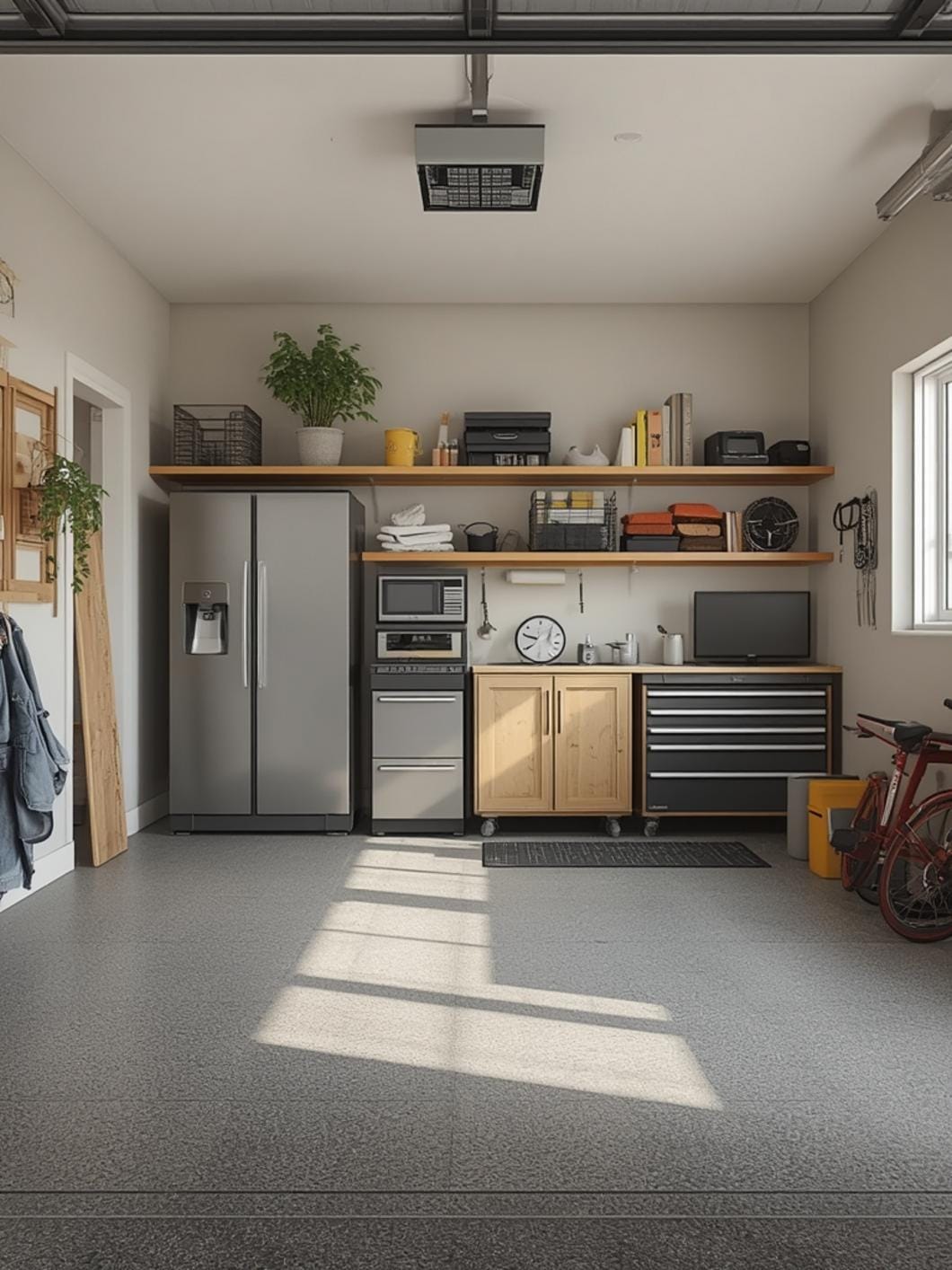
Step 1: Empty Everything Out
Pull everything out of your garage and sort it into categories on your driveway or yard. This seems extreme, but it’s the only way to truly see what you have. Create zones for tools, sports equipment, seasonal decorations, gardening supplies, automotive items, and anything else that lives in your space.
This is when you’ll start your garage organization systems comparison—seeing what you actually own helps you choose the right storage solutions. You might discover you need more small-item storage than large bins, or that wall space is your biggest opportunity.
Step 2: Purge Ruthlessly
Sort each category into keep, donate, sell, and trash piles. Be honest about what you actually use. That bread maker from 2015? If it hasn’t made it into your kitchen by now, someone else could love it.
Check for expired chemicals, dried-up paint, and rusted tools. These items are trash, not donations. Most communities have hazardous waste collection days for chemicals and old paint.
Step 3: Clean Your Empty Garage
Sweep or vacuum thoroughly, getting into corners where dust and cobwebs accumulate. Wipe down existing shelving and walls. This is your chance to start fresh with a truly clean slate.
If your garage floor has oil stains, treat them now. A cleaner space makes you more likely to maintain your new organization system.
Step 4: Install Your Storage Systems
Start with shelving units against walls—these are your foundation. Heavy-duty metal shelving handles the most weight and lasts decades. Place taller units in corners and shorter ones where you need easier access.
Add pegboard to walls within easy reach for frequently used tools. Install overhead racks for items you rarely need, like holiday decorations or camping gear. can dramatically increase your usable space without taking up floor area.
Step 5: Create Zones
Designate specific areas for each category. Keep frequently used items at eye level and easy to reach. Put seasonal items higher up or toward the back.
Create a sports zone near the garage door for quick access to bikes and balls. Place automotive supplies near where you park. Garden tools should have their own section, ideally near the door leading to your yard.
Step 6: Use Vertical Space Strategically
Walls are your best friend. Mount bikes on wall hooks rather than leaning them in corners. Hang ladders horizontally on wall brackets. Use ceiling space for bulky seasonal items like artificial Christmas trees.
Install hooks at different heights for items of various sizes. Small hand tools work on lower hooks, while long-handled tools like rakes need hooks placed higher.
Step 7: Label Everything Clearly
Label every bin, basket, and shelf. Use a label maker or waterproof permanent markers. Be specific—”Winter Decorations” is better than “Holiday Stuff.”
This step seems tedious, but it’s what keeps your system working long-term. When your family knows exactly where things belong, they’re more likely to put items back correctly.
Benefits / Advantages
An organized garage gives you back usable space you forgot you had. Many homeowners gain enough room to actually park their car inside—imagine that luxury on icy winter mornings or scorching summer afternoons.
You’ll stop buying duplicate items because you couldn’t find what you already owned. Know how many times you’ve purchased another box of screws or roll of painter’s tape? That waste ends when everything has a visible home.
Your stress levels decrease significantly. No more digging through piles to find what you need or feeling embarrassed when the garage door accidentally opens in front of neighbors. You’ll feel more in control of your home.
The visual transformation creates unexpected motivation. Clients often tell me that organizing their garage inspired them to tackle other overwhelming spaces. Success breeds success. become less intimidating once you’ve conquered the garage.
Tips, Alternatives, Styling Advice
Budget-Friendly Approach:
Skip fancy cabinet systems and use basic wire shelving units. They’re sturdy, affordable, and easy to assemble. Repurpose cardboard boxes for initial sorting, then gradually replace them with matching bins as budget allows. Paint pegboard to match your home’s trim color for a cohesive look at minimal cost.
Mid-Range Investment:
Invest in a mix of quality shelving and some specialized organizers for specific needs. Add a few wall-mounted cabinets for items you want hidden, like chemicals or smaller valuables. Choose a rolling workbench that provides both storage and workspace. This balance gives you professional results without premium pricing.
Premium Upgrade:
Custom cabinet systems with doors create a showroom appearance. Add epoxy floor coating, upgraded lighting, and matching storage units. Consider a wall-track system that lets you rearrange hooks and shelves as your needs change. Slatwall panels offer maximum flexibility and a polished aesthetic.
Small Garage Adaptation:
Prioritize vertical storage even more aggressively. Use fold-down workbenches that collapse when not needed. Choose compact bins that stack efficiently. Install a pulley system for bikes to lift them to the ceiling. Every inch counts, so measure carefully before purchasing any storage unit.
Common Mistakes to Avoid

Buying storage before sorting. You’ll end up with the wrong sizes and quantities of bins and shelves. Always purge first, then measure and plan your storage based on what you’re actually keeping.
Storing items in opaque containers. You’ll forget what’s inside and waste time searching or buy duplicates unnecessarily. Clear bins cost slightly more but save money long-term by keeping contents visible.
Placing heavy items on high shelves. This creates a safety hazard and makes access difficult when you need something. Keep heavy items at waist height or below, with lighter seasonal items stored overhead.
Ignoring awkward corners and ceiling space. These areas are storage goldmines that most people waste. Corner shelving units and overhead racks turn dead space into highly functional storage zones.
Creating a system too complicated to maintain. If putting tools away requires multiple steps, you won’t do it consistently. Simple systems you’ll actually use beat perfect systems you’ll abandon within weeks.
Maintenance / Upkeep Tips
Schedule a quick 15-minute garage tidy session every month. Put away items that have migrated out of their zones and sweep high-traffic areas. This small investment prevents major chaos from rebuilding.
Do a seasonal deep-clean four times yearly. These sessions let you rotate seasonal items, check for water damage or pests, and adjust your system as needs change. Spring is perfect for bringing out garden tools while storing winter gear.
Enforce a one-in-one-out rule with your family. When someone brings new sports equipment or tools into the garage, something old must go. This prevents gradual accumulation that undermines your organization.
Wipe down shelving quarterly to prevent dust buildup. Check stored items for moisture damage, especially cardboard boxes and fabric items. Garages experience temperature fluctuations that can affect certain materials.
Keep a donation box permanently stationed in your garage. When you realize you’re not using something, immediately place it in the box rather than returning it to its assigned spot. When the box fills, schedule a donation drop-off.
Conclusion
An organized garage changes how your entire home functions. You’ll reclaim valuable space, reduce daily stress, and stop wasting money on items you already own but can’t locate.
The initial investment of time and money pays dividends every single day when you can find what you need instantly. Your system will evolve as your family’s needs change, and that’s perfectly normal.
Ready to organize more than just your garage? Explore DecorKingdom for more practical home organization ideas that make everyday living easier and more beautiful.
FAQs
How long does it take to organize a two-car garage?
Expect to spend 12-16 hours total for a complete two-car garage organization. Most homeowners break this into two full weekend days—one for sorting and purging, another for installing systems and arranging items. Working with a helper cuts this time nearly in half.
What’s the best shelving material for garage organization?
Heavy-duty metal shelving is your best bet for most garages. It handles weight better than plastic, resists moisture and temperature changes, and lasts for decades. Look for units that hold at least 1,000 pounds per shelf when properly assembled and anchored to wall studs.
Should I store paint and chemicals in my garage?
Yes, but with important precautions. Keep them in a locked cabinet away from heat sources and out of reach of children and pets. Check expiration dates regularly—most paint lasts 2-3 years once opened. Never store chemicals near your water heater or any ignition sources.
How do I keep my garage organized with kids?
Create a dedicated kids’ zone with clearly labeled bins at their height. Use picture labels for younger children who can’t read yet. Make returning items easier than leaving them out—hooks are better than shelves for kids. Do monthly family cleanups together so everyone stays accountable.
What items should never be stored in an unheated garage?
Avoid storing photographs, important documents, electronics, wooden furniture, musical instruments, propane tanks, canned goods, wine, and anything in aerosol cans. Temperature extremes damage these items. Keep them in climate-controlled areas of your home instead, even if it means finding alternative storage solutions.
—
Meta Title: How to Organize Your Garage Livpristhouse Easily 2026
Meta Description: Struggling with garage chaos? Learn how to organize your garage livpristhouse with smart systems that actually work for busy families.