Standard Living Room Dimensions: What Size Works Best
You’ve finally bought that perfect sofa online, only to realize it completely overwhelms your living room. Or maybe your furniture feels lost in the space, floating awkwardly with no clear arrangement. Understanding standard living room dimensions takes the guesswork out of decorating and helps you create a space that feels just right.
Most living rooms in American homes fall between specific size ranges, and knowing these measurements helps you shop smarter and arrange furniture with confidence. Whether you’re working with a cozy apartment or a spacious family room, these guidelines will help you make the most of your square footage.
Let’s walk through everything you need to know about living room sizes and how to work with the space you have.
Table of Contents
Key Terms and Elements to Know
Before you start measuring tape in hand, it’s helpful to understand what we’re actually talking about when discussing living room dimensions. These key elements will help you plan your space more effectively.
Room measurements include:
– Overall floor space (length times width)
– Ceiling height (typically 8 to 10 feet in most homes)
– Clear floor space (area not occupied by furniture)
– Traffic pathways (routes people walk through the room)
– Conversation zones (areas where seating faces each other)
Furniture scale matters too:
– A standard three-seat sofa runs 84 to 96 inches long
– Coffee tables typically sit 48 to 54 inches long
– Armchairs need about 35 to 40 inches of width
– TV stands range from 55 to 70 inches for modern screens
Understanding these basics helps you visualize how pieces will actually fit together. You’re not just filling a room with furniture—you’re creating comfortable zones for living.
Common Misconceptions to Clear Up First
Many homeowners believe their living room is unusually small or awkwardly shaped. The truth is that most homes follow similar patterns, and what feels cramped often just needs better arrangement.
Small living rooms are actually quite common. In apartments and condos, living rooms often measure just 12 by 18 feet. That’s 216 square feet, which might sound tiny but is completely workable with smart furniture choices. You’re not alone if your space feels compact.
Bigger isn’t always better for comfort. A 20 by 20 foot living room sounds dreamy until you realize how far apart your seating ends up. Rooms that are too large can feel cold and disconnected. The sweet spot for most families is actually between 250 and 400 square feet.
You don’t need to fill every wall with furniture. First-time homeowners often think empty wall space is wasted space. Actually, leaving breathing room makes your living room feel larger and more intentional. Strategic gaps improve traffic flow too.
Square footage alone doesn’t tell the whole story. A narrow 10 by 20 foot room (200 square feet) feels completely different from a 14 by 14 foot room (196 square feet), even though they’re similar sizes. Room shape affects furniture arrangement just as much as total area.
These misconceptions lead to expensive mistakes like buying oversized furniture or cramming too many pieces into your space. Understanding what’s normal helps you shop and decorate with realistic expectations.
How It Works in Real Homes
Let’s break down typical living room sizes you’ll find across different types of homes. These real-world examples will help you understand where your space fits in.
Apartment living rooms usually measure between 10 by 13 feet and 12 by 18 feet. That’s 130 to 216 square feet. You’re working with intimate dimensions that benefit from multi-functional furniture and wall-mounted storage.
Starter homes and condos often feature living rooms around 12 by 18 feet up to 15 by 20 feet. This 216 to 300 square foot range comfortably fits a standard sofa, two chairs, a coffee table, and an entertainment center without feeling crowded.
Mid-size family homes typically have living rooms between 16 by 20 feet and 18 by 22 feet. At 320 to 396 square feet, you can create distinct seating areas and have room for larger furniture pieces. This is where sectional sofas really shine.
Luxury and custom homes may feature living rooms from 20 by 25 feet up to 22 by 28 feet. These 500 to 616 square foot spaces can accommodate multiple conversation areas and statement furniture pieces. The challenge here is making the room feel cozy rather than cavernous.
Now for the practical part: how to arrange furniture in a small living room that falls on the smaller end of these ranges. The key is creating clear pathways while maximizing seating.
Start with your focal point and arrange seating around it. In most living rooms, that’s either the TV or a fireplace. Position your sofa facing this focal point, ideally 6 to 8 feet away for comfortable viewing.
Float your furniture away from walls by at least a few inches. This sounds counterintuitive in small spaces, but it actually makes the room feel larger. Your furniture grouping becomes an intentional island rather than looking pushed to the edges.
Create conversation zones where people can comfortably talk without shouting across the room. Seats should be 4 to 8 feet apart maximum. Any farther and your guests will feel disconnected. Any closer and they’ll feel cramped.
Leave 30 to 36 inches for major walkways through the room. These are the paths from doorways to seating areas. You need enough width to walk comfortably without turning sideways.
Keep 18 inches minimum between the coffee table and sofa. This gives you enough room to stretch your legs and easily reach your drink. Measure this distance before you buy to avoid returning furniture.
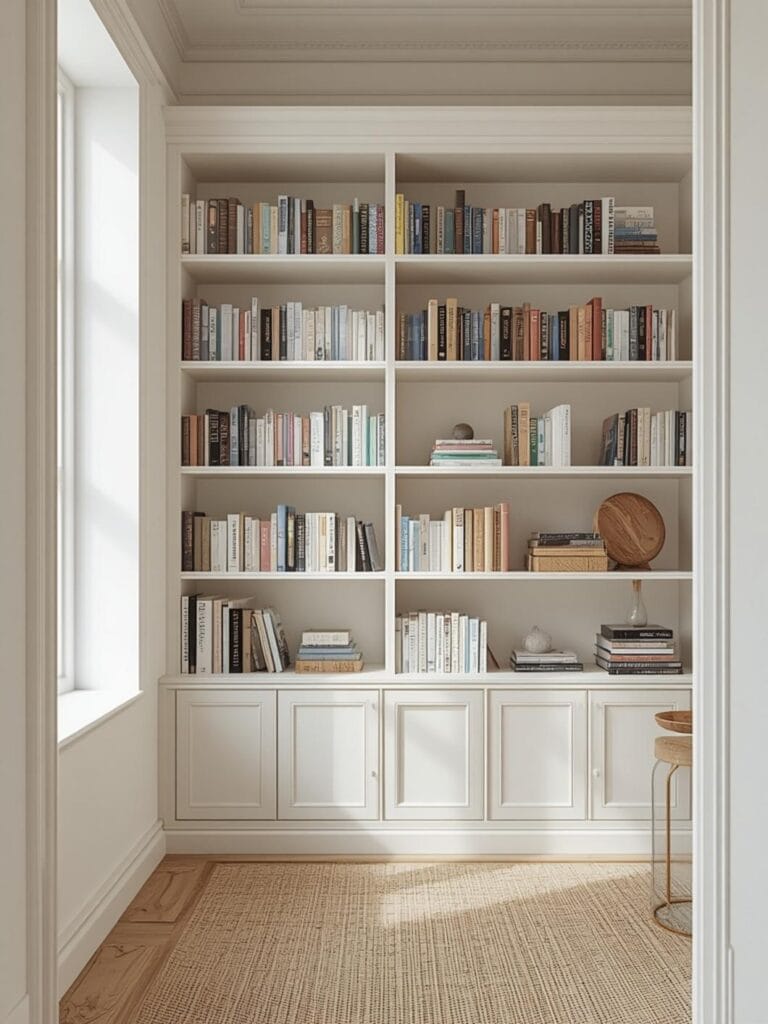
Use vertical space wisely with tall bookcases and wall-mounted shelves. In smaller living rooms, going up instead of out preserves precious floor space while adding storage and style.
Consider scale carefully when shopping for furniture. A 96-inch sofa might look perfect in the showroom but completely overpower your 12 by 15 foot living room. Measure your space first and bring those dimensions with you when shopping.
Benefits of Understanding Your Space
Knowing your living room dimensions before you shop saves you money, time, and frustration. You’ll avoid the disappointment of returns and the expense of pieces that don’t fit.
You’ll shop with confidence instead of guessing whether that gorgeous sectional will work. Armed with your measurements, you can walk into any furniture store or browse online knowing exactly what will fit through your door and work in your layout.
Your home will feel more spacious even if the actual square footage doesn’t change. Properly scaled furniture creates visual breathing room. Oversized pieces make small rooms feel even smaller, while appropriately sized furniture maximizes your usable space.
Guests will naturally gather and linger in a well-arranged living room. When conversation zones are the right distance apart and seating faces each other comfortably, your space becomes genuinely inviting. People can relax without feeling crowded or awkwardly distant.
Your furniture investment lasts longer because you chose pieces that actually work for your lifestyle. You won’t be replacing that too-big sofa in two years or constantly rearranging trying to make things fit better.
Tips, Alternatives, and Styling Advice
Different budgets and space challenges call for different approaches. Here’s how to make the most of your living room dimensions at any price point.
Budget-friendly approach: Use a tape measure and painter’s tape to map out furniture footprints on your floor before buying anything. This free technique helps you visualize scale perfectly. Shop secondhand for smaller-scale vintage pieces that often fit compact spaces better than modern oversized furniture.
Mid-range solution: Invest in modular seating that you can rearrange as your needs change. A quality loveseat plus two accent chairs gives you more flexibility than a traditional sofa in rooms under 250 square feet. Add a large mirror opposite your main window to visually double your space.
Premium option: Commission custom built-ins that maximize every inch of your specific room dimensions. Custom furniture sized exactly for your space creates a designer look while solving storage challenges. Consider hiring an interior designer for a single consultation to optimize your specific layout.
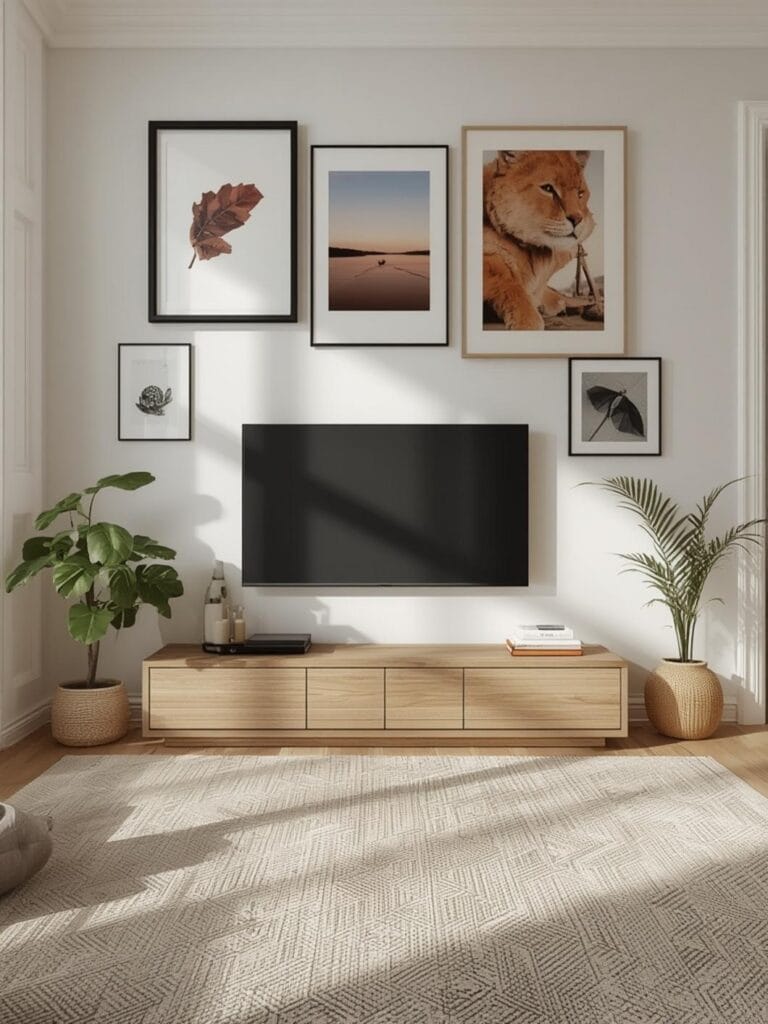
Small space adaptation: In living rooms under 200 square feet, skip the coffee table entirely and use nesting side tables instead. Choose an armless sofa to save 10 to 12 inches of visual bulk. Mount your TV to eliminate the floor space an entertainment center requires.
Multi-functional furniture works wonders in compact living rooms. An ottoman with storage serves as seating, a coffee table, and hidden organization. A console table behind your sofa adds surface space without eating into traffic pathways.
Light colors expand your space visually while dark colors can make even large rooms feel smaller. Paint walls in soft neutrals and choose furniture in similar light tones to create the illusion of more square footage.
Common Mistakes to Avoid
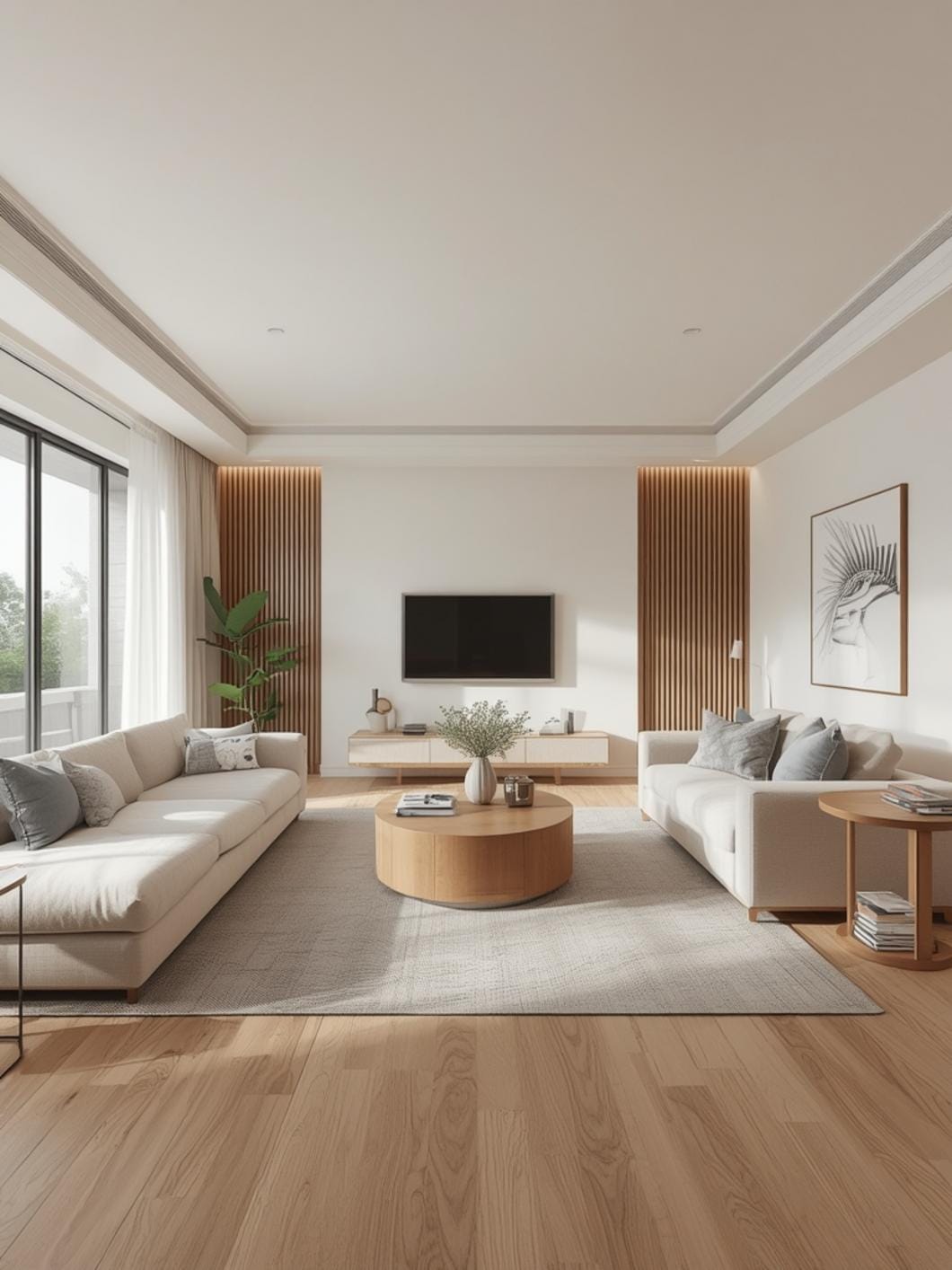
Even with the right dimensions in hand, homeowners often make predictable mistakes that compromise their living room’s functionality and flow.
Pushing all furniture against the walls makes small rooms feel smaller, not larger. Pull pieces at least 3 to 6 inches away from walls to create visual depth. Your room will instantly feel more professionally designed and actually more spacious.
Buying a massive sectional for a small living room leaves no space for flow. If your living room is under 250 square feet, choose a standard sofa plus chairs instead. You’ll maintain traffic pathways and create better conversation zones.
Forgetting to measure doorways and stairwells leads to delivery nightmares. That perfect sofa does you no good sitting in your driveway. Measure all entry points before ordering large furniture, including tight turns in hallways.
Placing furniture too far from your focal point strains conversation and viewing. Your main seating should be 6 to 10 feet from the TV maximum. Any farther and you’re creating unnecessary distance that makes the room feel disconnected.
Ignoring traffic patterns creates daily frustration. Walk through your space and notice where you naturally move from room to room. Arrange furniture around these pathways, not blocking them. You shouldn’t have to navigate an obstacle course to reach your sofa.
Maintenance and Living Room Flow
Once you’ve arranged your living room according to proper dimensions, maintaining that flow is easier than you think. Small adjustments keep your space working perfectly.
Walk your traffic paths monthly to make sure furniture hasn’t crept into walkways. It’s easy for pieces to shift slightly during cleaning or when guests move chairs. A quick check keeps everything aligned and functional.
Rotate furniture seasonally if you have the space to experiment. Sometimes shifting your sofa six inches or swapping which direction chairs face refreshes the entire room without buying anything new. This works especially well in medium to large living rooms.
Vacuum under and around furniture weekly to prevent dust buildup in those crucial breathing spaces between pieces. This maintenance keeps your room feeling fresh and reminds you why those gaps matter.
Reassess your layout when seasons change or your household needs shift. Maybe you need more seating for holiday gatherings or less furniture during summer when everyone’s outside. Flexible arrangements adapt to your real life.
Keep measuring tapes handy for when you spot new furniture you love. Snap a photo of your living room dimensions in your phone so you always have them when shopping. This simple habit prevents impulse purchases that don’t fit.
Making Your Living Room Work for You
Understanding standard living room dimensions isn’t about following rigid rules—it’s about creating a space that serves your daily life beautifully. Whether you’re working with 150 square feet or 500, the right arrangement makes all the difference.
Start by measuring your actual space today, then use these guidelines to shop smarter and arrange confidently. Your living room should feel like your favorite place to relax, and proper dimensions make that possible.
Ready to transform your space with more expert tips? Explore DecorKingdom for hundreds of practical decorating ideas that work in real homes just like yours.
FAQs
What is considered a small living room?
A small living room typically measures between 10 by 13 feet and 12 by 15 feet, or about 130 to 180 square feet. These compact spaces are common in apartments, condos, and starter homes. With smart furniture choices scaled to fit, small living rooms can feel cozy and functional rather than cramped.
How much space should I leave between my sofa and coffee table?
Leave 14 to 18 inches between your sofa and coffee table for comfortable use. This distance lets you easily reach items on the table while still having leg room to stretch out. If your living room is very small, you can go as low as 12 inches, but anything less feels cramped.
Can a sectional sofa work in a 12 by 15 foot living room?
A small L-shaped sectional can work in a 12 by 15 foot room if you choose carefully. Look for compact sectionals under 90 inches on the longest side and skip bulky styles with oversized arms. Position it in a corner to maximize floor space and maintain traffic flow through the center of the room.
How far should furniture be from the wall in a small living room?
Pull furniture 3 to 6 inches away from walls even in small living rooms. This creates visual depth and makes your space feel less boxy. The breathing room behind furniture tricks the eye into perceiving more square footage than you actually have.
What’s the ideal distance between seating for conversation?
Position conversation seating 4 to 8 feet apart for comfortable interaction. Closer than 4 feet feels invasive, while more than 8 feet requires raising voices. This distance works whether you’re arranging sofas and chairs or creating multiple seating groups in larger living rooms.
—
Meta Title: Standard Living Room Dimensions Guide 2026 (Real Sizes)
Meta Description: Learn standard living room dimensions for smart furniture shopping. Includes real home sizes and expert tips for arranging any space perfectly.