Current Kitchen Lighting Trends: What’s Popular Now
Table of Contents
Your kitchen deserves lighting that works as hard as you do. You’re probably tired of those old overhead fixtures that cast shadows right where you’re chopping vegetables or leave your beautiful countertops looking dull and uninviting.
The good news? What current trend for kitchen lighting homeowners are embracing right now focuses on layered, functional fixtures that blend seamlessly with your home’s style. Gone are the days of relying on a single ceiling light to do all the work. Today’s kitchens shine with multiple light sources that create ambiance, improve functionality, and showcase your space beautifully.
This shift isn’t just about adding more lights—it’s about choosing the right fixtures for your unique space and making your kitchen a place where you actually want to spend time.
What You’ll Need to Get the Look
Creating a well-lit kitchen doesn’t require a complete renovation. You’ll want to think about combining different fixture types that work together harmoniously.
Start with your foundation pieces: recessed ceiling lights or a flush mount fixture for general illumination. These provide your base layer of light that fills the entire room. Look for LED options that offer adjustable color temperatures so you can shift from bright task lighting during meal prep to warmer tones for dinner.
Next, consider your task lighting essentials:
– Under-cabinet LED strips or puck lights for countertop workspaces
– Pendant lights positioned over islands or peninsulas
– Track lighting that can be aimed at specific work zones
– Wall sconces flanking open shelving or glass-front cabinets
Your accent lighting choices add personality. Mini pendants in interesting shapes, statement chandeliers scaled for your ceiling height, or even LED toe-kick lighting can elevate your kitchen from purely functional to genuinely beautiful.
Don’t forget the practical elements: dimmer switches for every light source, smart bulbs if you want voice or app control, and proper mounting hardware rated for your ceiling type. Your existing electrical boxes might work perfectly for many of these upgrades without any rewiring needed.
Finding Your Style and Season

The beauty of current kitchen lighting trends is their adaptability to your personal aesthetic. Whether you’re drawn to sleek modern minimalism or cozy farmhouse warmth, layered lighting works with your vision.
Spring and summer months call for brighter, cooler-toned lighting that makes your kitchen feel fresh and energized. This is when you’ll appreciate fixtures with maximum output for all those garden-fresh meal preparations. Open your windows during installation to take advantage of natural light and see how your new fixtures complement daylight.
Fall and winter transform your kitchen into a cozy gathering space. Warmer color temperatures (around 2700K) make your space feel inviting when it’s dark outside. This is the perfect time to add dimmable fixtures that let you adjust brightness for everything from homework sessions to intimate dinner parties.
Consider your kitchen’s daily rhythm too. Morning coffee requires different lighting than evening wine and conversation. The current trend embraces this reality by giving you control over your lighting throughout the day.
Budget-wise, you can phase your lighting upgrades over several months. Start with the areas you use most—typically under-cabinet task lighting—then add pendants or accent lighting as your budget allows.
7 Ideas to Try in Your Home
Create a pendant cluster over your island. Group three pendants in varying heights for visual interest. Choose complementary shapes rather than identical fixtures for a collected, curated look that feels personal rather than matchy-matchy.
Install linear suspension lights for long islands. These streamlined fixtures provide even illumination across your entire workspace. They work especially well in contemporary kitchens and eliminate the shadowy gaps you’d get with multiple small pendants.
Add LED strips inside glass-front cabinets. This creates a subtle glow that showcases your dishware and adds depth to your kitchen at night. Battery-operated options make this an easy weekend project with zero electrical work required.
Layer recessed lights with decorative fixtures. Use recessed cans for your general lighting foundation, then add character with a statement chandelier or interesting pendants. This combination ensures you have enough light while keeping your ceiling from looking like an airport runway. Understanding how to choose kitchen lighting for different ceiling heights makes this layering approach work beautifully—standard eight-foot ceilings do best with flush or semi-flush mounts combined with targeted task lighting, while nine-foot or taller ceilings can accommodate dramatic pendants or chandeliers that would overwhelm a smaller space.
Incorporate adjustable track lighting. Modern track systems have evolved beyond their industrial roots. You’ll find sleek options that blend with any decor while letting you aim light exactly where you need it as your space evolves.
Highlight architectural features with sconces. Flank a window, artwork, or open shelving with coordinating wall sconces. This draws the eye around your kitchen and prevents that flat, one-dimensional lighting that makes spaces feel boring.
Install toe-kick lighting for safe nighttime navigation. LED strips along the base of your cabinets provide just enough glow to grab a midnight snack without flooding your kitchen with harsh light. Your family will appreciate this thoughtful touch.
Mix metal finishes intentionally. Current trends embrace combining warm brass with cool chrome or matte black with brushed nickel. Keep your finishes to two or three metals maximum and repeat each throughout your kitchen for a cohesive, designer-approved look.
Use smart bulbs for instant ambiance control. You can change your kitchen’s entire mood from your phone or with voice commands. Set scenes for cooking, entertaining, and relaxing without touching a single switch.
Benefits of Layered Kitchen Lighting
Your daily kitchen experience improves dramatically when you can see what you’re doing. Proper task lighting means no more cutting vegetables in your own shadow or straining your eyes to read recipe cards.
Layered lighting makes your kitchen feel larger and more inviting. By illuminating different zones at different heights, you create visual depth that tricks the eye into perceiving more space. Even a small kitchen feels more expansive when light reaches every corner.
Your home’s value increases with thoughtful lighting choices. Potential buyers consistently rank updated kitchens as their top priority, and beautiful, functional lighting signals that your home is well-maintained and move-in ready.
Energy efficiency becomes achievable without sacrifice. LED technology means your beautifully lit kitchen costs less to operate than your old single-bulb fixture ever did. Many homeowners see their kitchen energy use drop by 75% or more after upgrading.
Your mood lifts when your kitchen feels warm and welcoming. Good lighting reduces eye strain, helps you sleep better by avoiding harsh blue-toned lights in the evening, and makes cooking feel less like a chore and more like an enjoyable part of your day.
Tips, Alternatives, and Styling Advice
Budget-Friendly Approach: Start with LED under-cabinet lighting strips (around $30-60) and add one or two affordable pendant lights over your most-used work area. Replace your existing bulbs with dimmable LEDs to gain instant control over ambiance. You can achieve beautiful layered lighting for under $200 total.
Mid-Range Option: Invest in three to five quality pendant lights for your island and a statement semi-flush mount for general lighting. Add professional-grade under-cabinet LED strips with dimmer switches. This range typically runs $500-1,000 and delivers a polished, complete look that rivals designer kitchens.
Premium Choice: Consider custom fixtures, integrated lighting systems, and smart home controls that let you program scenes for different activities. High-end pendants from boutique manufacturers, color-changing LEDs, and architectural lighting design can transform your kitchen into a showpiece. Budget $2,000-5,000 for a truly spectacular result.
Small Kitchen Adaptation: Focus on vertical space with wall sconces and under-cabinet lighting rather than pendants that might overwhelm your room. Choose glass or translucent fixtures that don’t visually block sightlines, making your compact kitchen feel more open and airy.
Rental-Friendly Version: Battery-operated LED strips with adhesive backing provide under-cabinet lighting without permanent installation. Plug-in pendant lights and track lighting systems require no hardwiring. You’ll take these with you when you move while enjoying better lighting today.
Common Mistakes to Avoid
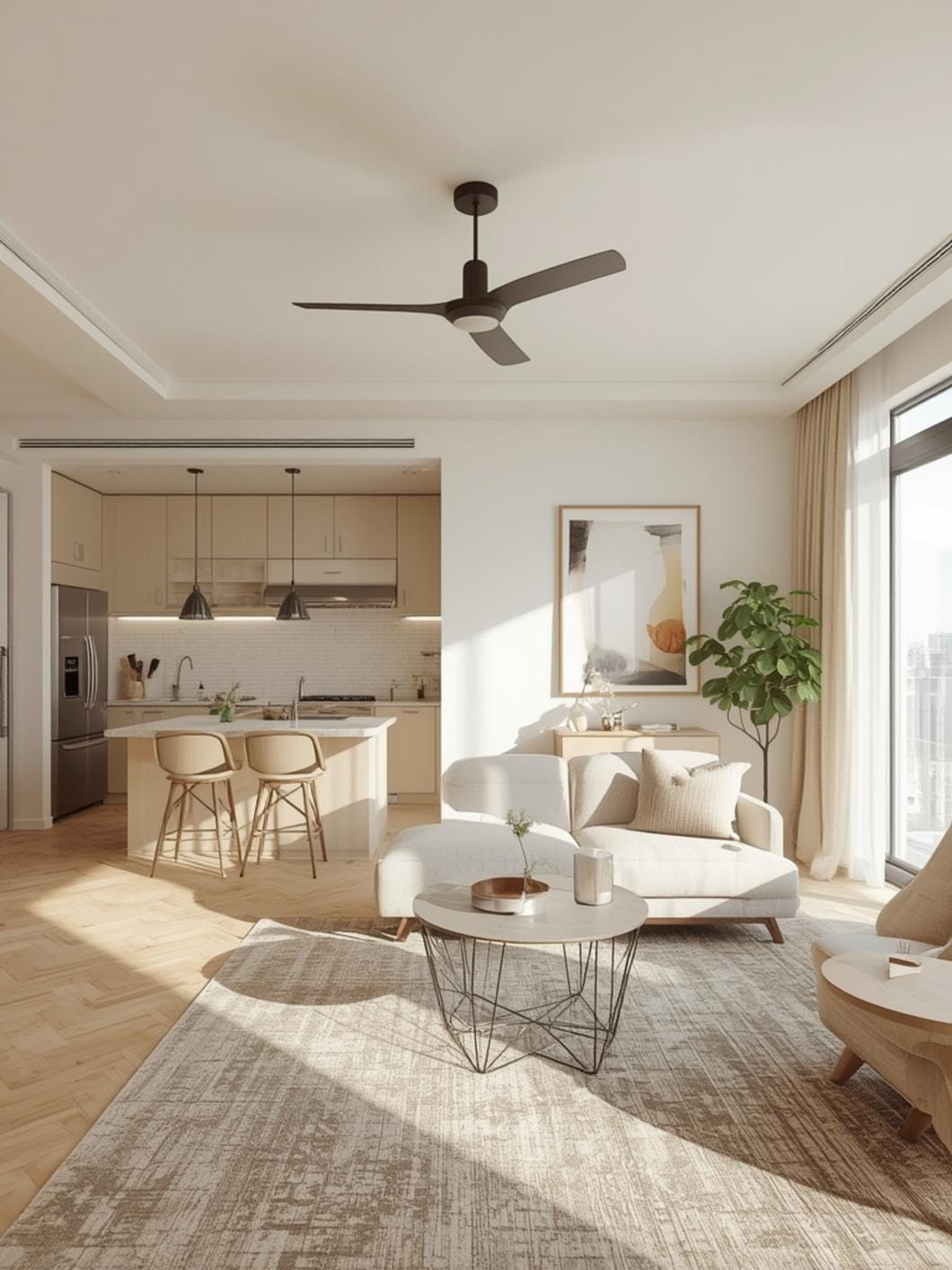
Installing pendants at the wrong height ruins both function and aesthetics. Hang them 30-36 inches above your island or counter surface so you can see without glare while maintaining clearance for working and conversation.
Choosing fixtures based solely on looks creates regret later. Make sure your beautiful pendant provides enough light output for its intended purpose—check lumens, not just wattage, and aim for 450-550 lumens per fixture for task areas.
Forgetting about dimmer switches eliminates flexibility. Every light source in your kitchen should have dimming capability so you can adjust for different times of day and activities—this single upgrade multiplies the usefulness of each fixture.
Mixing too many fixture styles makes your kitchen feel chaotic. Stick to two fixture types maximum (like pendants plus under-cabinet lights) and keep finishes coordinated for a cohesive, intentional look.
Neglecting color temperature creates an unflattering space. Cool white lights (4000K+) make food look unappetizing and your kitchen feel sterile—stick with warm whites (2700-3000K) for a welcoming glow that makes everything look better.
Maintenance and Upkeep Tips
LED fixtures require minimal maintenance but deserve occasional attention. Dust your pendants and decorative fixtures monthly with a microfiber cloth to maintain their sparkle and ensure maximum light output.
Clean under-cabinet lights quarterly by wiping them down with a slightly damp cloth. Built-up grease and cooking residue reduce brightness over time. A simple wipe-down keeps your task lighting performing at its best.
Check connections on any plug-in fixtures periodically. Make sure cords haven’t worked loose and that adhesive-mounted lights remain firmly attached. This two-minute check prevents fixtures from unexpectedly failing.
Replace LED bulbs as needed, which might be once every 5-10 years depending on usage. Keep note of the color temperature and lumens of your original bulbs so replacements match perfectly. Mismatched bulbs create an uneven, unprofessional look.
Update your dimmer switches if you notice flickering or humming. Not all dimmers work well with LED bulbs, and upgrading to LED-compatible dimmers (about $15-30 each) ensures smooth, silent dimming for years to come.
Conclusion
Modern kitchen lighting trends give you the power to create a space that’s both beautiful and hardworking. By layering different light sources at various heights, you’ll enjoy better visibility for cooking tasks while creating the warm, inviting atmosphere that makes your kitchen the heart of your home.
The current approach to kitchen lighting isn’t about following rigid rules—it’s about choosing fixtures that reflect your style while serving your family’s practical needs. Whether you start with a simple under-cabinet upgrade or completely reimagine your kitchen’s lighting, you’re investing in a space where memories happen and daily routines become more enjoyable.
Ready to explore more ways to make your kitchen shine? Discover additional tips and inspiration throughout DecorKingdom to help you create the home you’ve always wanted.
FAQs
What is the most popular kitchen lighting trend right now?
Layered lighting that combines task, ambient, and accent sources is the dominant trend. Homeowners are moving away from single overhead fixtures toward multiple light sources that provide flexibility and visual interest. Pendant lights over islands paired with under-cabinet LEDs create the functional, beautiful kitchens everyone wants.
How many pendants should I hang over my kitchen island?
For islands under six feet long, two pendants work well spaced evenly apart. Islands six to eight feet long look best with three pendants. Longer islands might accommodate four fixtures or a single linear suspension light that spans the entire length.
Should kitchen lighting be warm or cool?
Warm white (2700-3000K) creates the most inviting atmosphere and makes food look appetizing. Cool white lights above 4000K feel clinical and harsh in residential kitchens. If you want flexibility, choose adjustable color temperature bulbs that let you shift between warm and cool depending on your mood.
Can I install under-cabinet lighting myself?
Absolutely! Plug-in and battery-operated LED strips require no electrical knowledge whatsoever. Even hardwired low-voltage LED systems often use simple connectors that snap together without special tools. Most homeowners complete under-cabinet lighting installation in an afternoon.
How do I make my low ceiling kitchen look taller with lighting?
Choose flush or semi-flush mount fixtures that sit close to the ceiling rather than pendants that hang down. Use recessed lighting to eliminate visual clutter. Add vertical elements like wall sconces or toe-kick lighting that draw the eye up and down, creating the perception of height even in eight-foot ceiling spaces.
—
Meta Title: What Current Trend for Kitchen Lighting Works Best? 2026
Meta Description: Discover what current trend for kitchen lighting transforms modern homes with layered fixtures that boost function and style in any space.