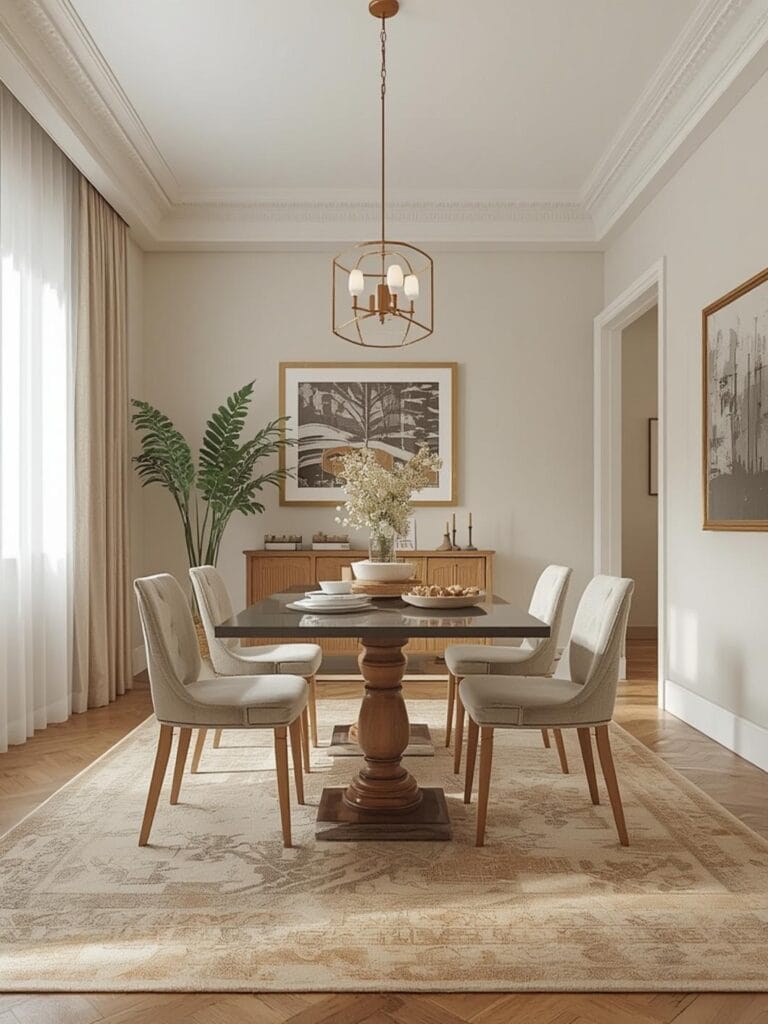
How to Choose Living Room Furniture & Layout
You walk into your living room and immediately feel like something’s…off. The sofa seems too far from the TV, the coffee table blocks the flow, and somehow your space feels smaller than it actually is. You’re not alone — the way you arrange your furniture can either make your living room feel like a cozy retreat or a cluttered obstacle course.
Getting your Living Room Furniture & Layout right isn’t about following strict rules. It’s about creating a space that works for how you actually live, whether that’s movie nights with the family, hosting friends for wine and conversation, or just curling up with a good book. The right layout makes everything flow naturally and feel intentional.
Your living room should welcome you home, not frustrate you every time you navigate around the coffee table. Let’s transform your space into something that looks beautiful and functions perfectly for your daily life.
Table of Contents
Key Terms and Elements to Know
Understanding the basic pieces of your living room puzzle makes arranging them so much easier. Here’s what you’re working with:
Seating options:
– Sofa or sectional as your anchor piece
– Accent chairs that complement your main seating
– Ottoman or pouffe for extra seating and surface space
Essential surfaces:
– Coffee table or alternative center piece
– End tables for lamps and remotes
– Console table for display and storage
Functional elements:
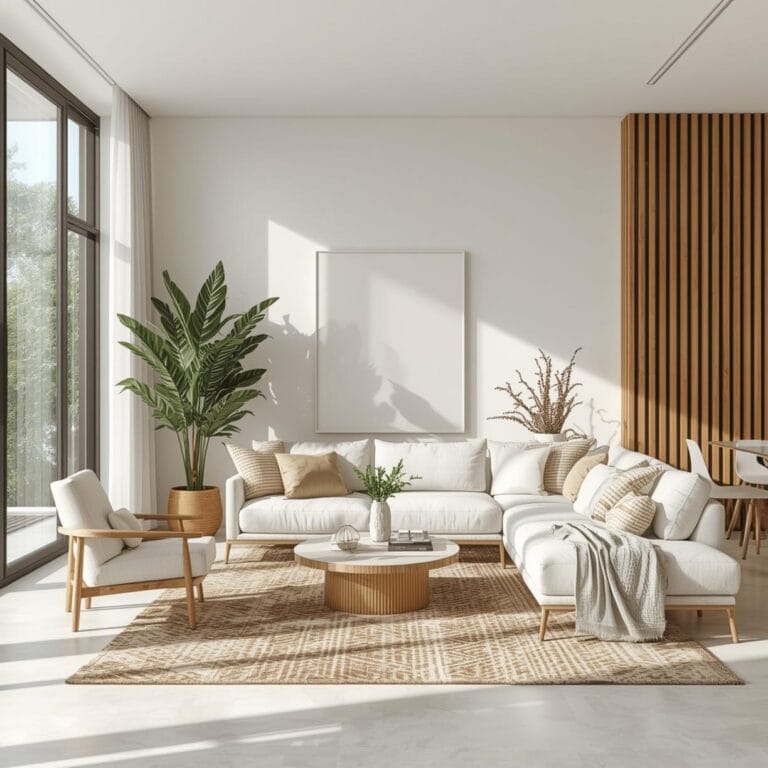
– Area rug that grounds your seating zone
– Lighting layers including floor and table lamps
– TV stand or media console
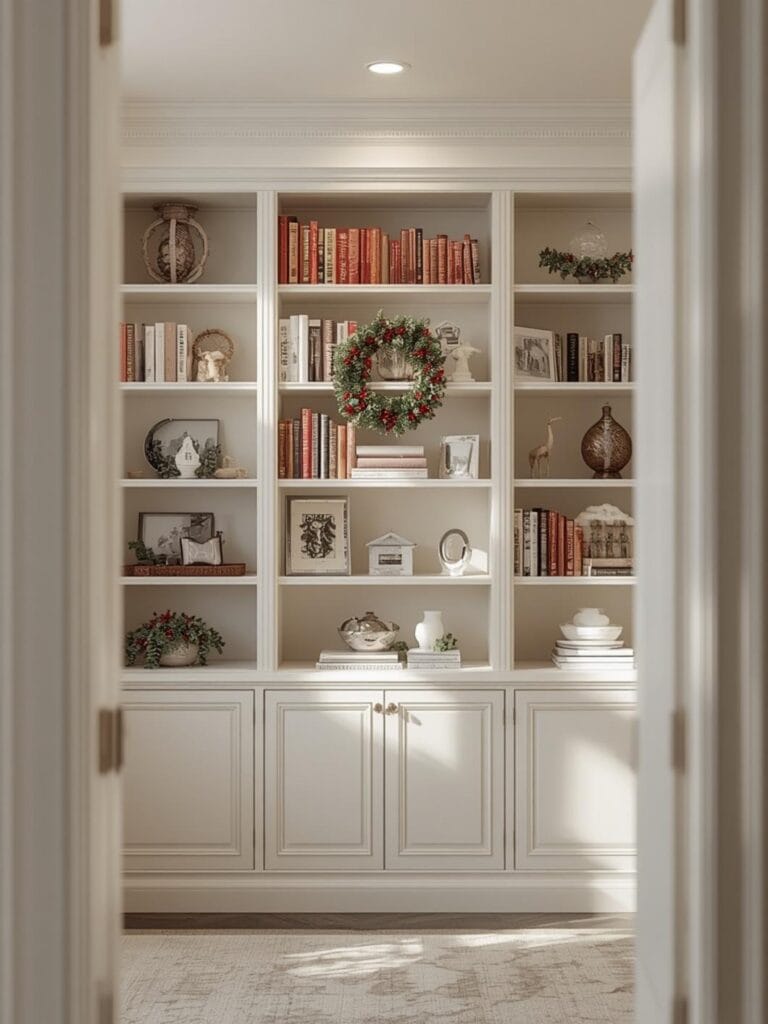
– Shelving or bookcases for storage and display
Scale and proportion pieces:
– Artwork or mirrors for vertical interest
– Curtains or window treatments
– Decorative accessories and plants
Think of these elements as your toolkit. Not every room needs every piece, and that’s perfectly fine. Your goal is to select what serves your lifestyle while creating visual balance.
Common Misconceptions to Clear Up First
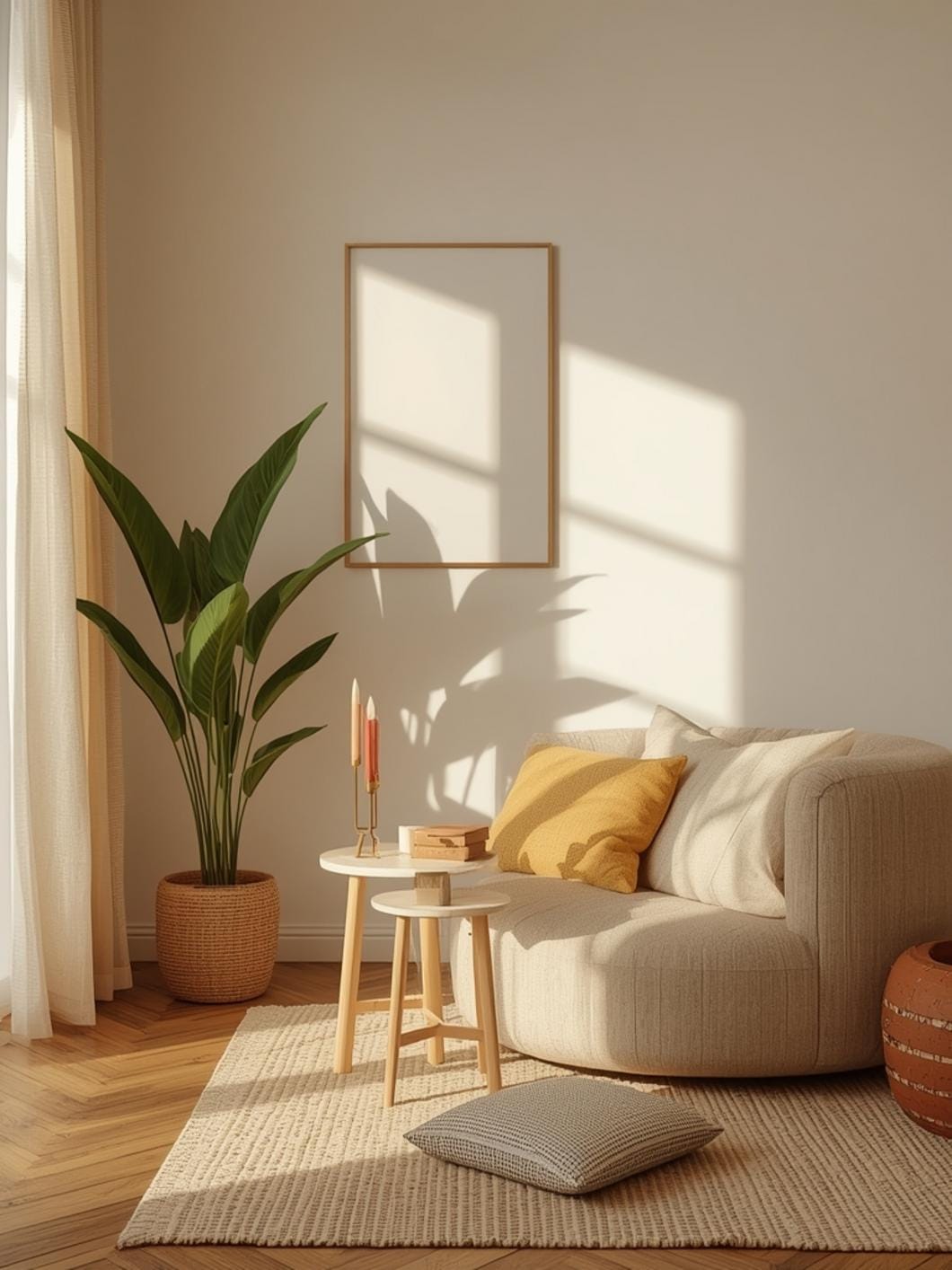
Many homeowners think furniture must always line the walls like a doctor’s waiting room. This actually makes your space feel smaller and less inviting. Floating furniture away from walls creates cozy conversation zones and makes rooms feel larger.
Another myth suggests matching furniture sets are the only way to achieve a cohesive look. In reality, mixing different pieces adds personality and visual interest. Your grandmother’s chair can absolutely live alongside your modern sofa.
Some people believe small spaces require tiny furniture. The opposite is often true — one substantial sofa works better than several small, flimsy pieces that make your room feel cluttered and temporary.
The “more is more” approach to furniture is another common trap. You don’t need to fill every corner or wall. Negative space gives your room breathing room and makes what you do have look more intentional.
Finally, many assume their living room layout is permanent once set. Your furniture arrangement should evolve with seasons, needs, and life changes. Don’t be afraid to experiment and rearrange.
How It Works in Real Homes
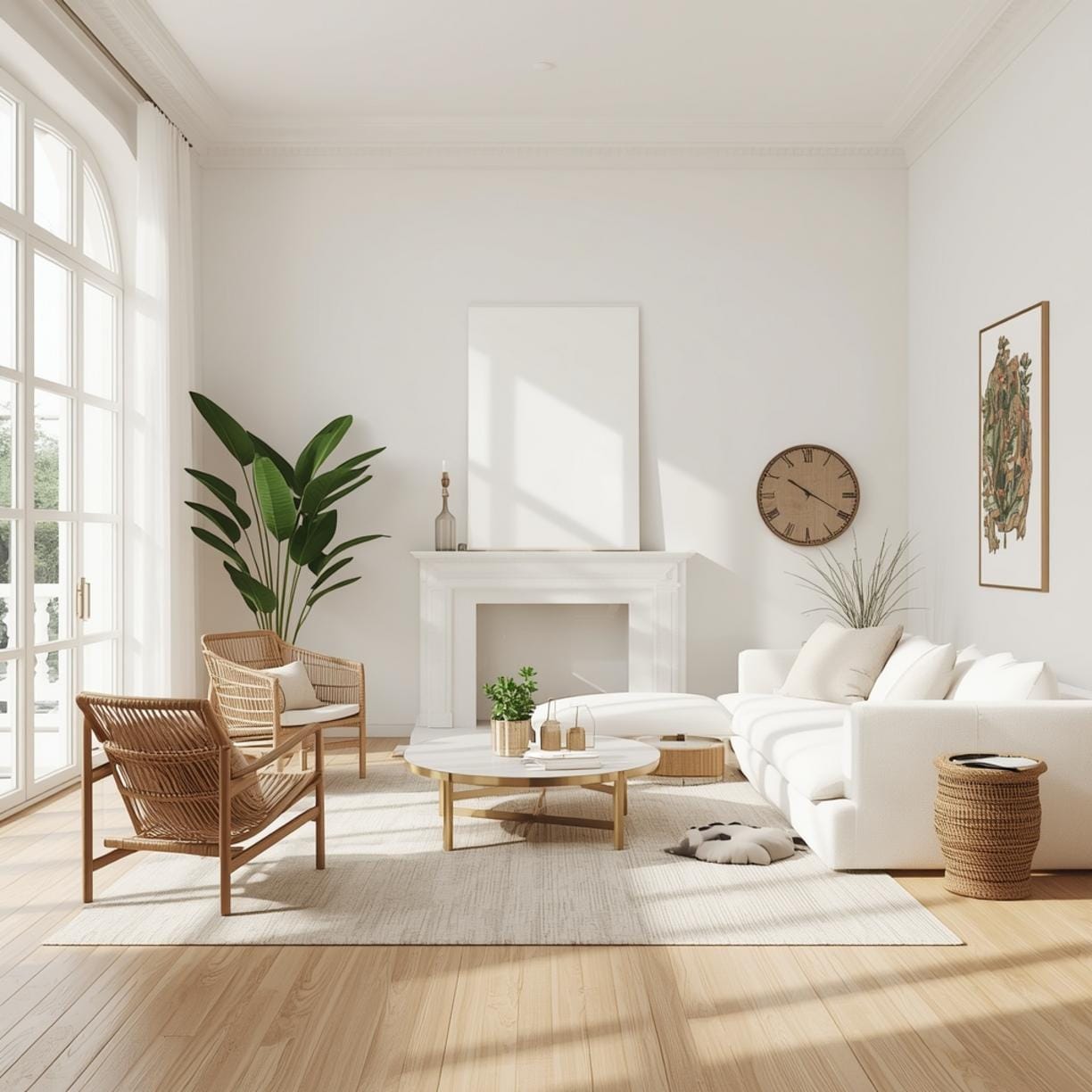
The conversation circle principle is foundational in successful living rooms. Arrange your seating so people sitting can comfortably see and hear each other without shouting or twisting around. This typically means keeping seating pieces within 8-10 feet of each other.
In a standard rectangular living room, position your sofa as the anchor — often facing the focal point like a fireplace or large window. Two chairs angled slightly toward the sofa create an intimate conversation zone. The coffee table sits in the center, within easy reach of all seating.
How to arrange furniture in a small living room requires creative thinking about scale and flow. Start by choosing a loveseat or apartment-sized sofa instead of a full-size one. Float it slightly away from the wall to create depth. Add one accent chair and a slim coffee table or a couple of nesting tables you can move as needed.
For small spaces, consider a sectional tucked into a corner. This maximizes seating without multiple pieces crowding the room. Skip the traditional coffee table and use an ottoman instead — it serves as seating, footrest, and surface while taking up less visual space.
Traffic flow matters tremendously in any layout. Maintain clear pathways of at least 30 inches between furniture pieces. You shouldn’t have to turn sideways to walk through your own living room. Think about how you naturally move through the space and arrange furniture to support those patterns.
The rug anchors everything visually. In most living rooms, all furniture legs should sit on the rug, or at minimum, the front legs of sofas and chairs. This creates a cohesive seating zone. A rug that’s too small makes your furniture look like it’s floating uncomfortably.
Balance doesn’t mean symmetry. You can achieve visual balance without matching everything on both sides of the room. A large bookshelf on one side can balance a sofa and chair grouping on the other. Different pieces with similar visual weight create interesting, balanced layouts.
Focal points guide your arrangement decisions. Most rooms have a natural focal point — fireplace, large window with a view, or built-in shelving. Arrange your main seating to face or angle toward this feature. If your room lacks a natural focal point, create one with a gallery wall, large artwork, or your TV.
Benefits of Getting Your Layout Right
The immediate benefit you’ll notice is easier movement through your space. No more bumping into furniture corners or squeezing past the coffee table with your morning coffee. Your room simply flows better.
A well-planned layout makes your living room more social and welcoming. Guests naturally feel comfortable because the seating arrangement encourages conversation rather than everyone staring at the TV in silence. Your home becomes the place friends want to gather.
You’ll maximize your room’s functionality when furniture serves multiple purposes in smart locations. That ottoman becomes extra seating during game night but stores blankets the rest of the time. Your end tables keep lamps within reach while providing homes for drinks and remotes.
Proper furniture arrangement makes rooms feel larger and more luxurious, even without buying a single new piece. Strategic placement creates visual flow and breathing room that transforms cramped spaces into airy retreats.
Your living room becomes more photogenic and magazine-worthy. When you arrange furniture thoughtfully, everything looks intentional rather than randomly placed. This matters for your daily enjoyment and for when you eventually sell your home.
Tips, Alternatives, and Styling Options
Budget-friendly approach: Start by rearranging what you already own before buying anything new. Move your sofa away from the wall, angle chairs differently, or swap pieces between rooms. Add an affordable area rug to define your seating zone. You’d be amazed what fresh placement can accomplish without spending a dime.
Mid-range solution: Invest in one quality anchor piece like a comfortable sofa in a neutral color. Build around it with more affordable accent chairs and tables. Add a good area rug that grounds your layout. This approach gives you flexibility to upgrade pieces gradually while maintaining a cohesive look.
Premium investment: Choose a sectional or high-quality sofa that perfectly fits your space, complemented by designer accent chairs. Layer with a luxury rug, statement coffee table, and carefully selected lighting. Consider custom pieces that maximize awkward spaces or built-ins that add storage while enhancing your layout.
Small space adaptation: Use furniture with exposed legs rather than skirted pieces — they create a feeling of more floor space. Mount your TV to free up floor space. Choose a console table behind your sofa for additional surface area without blocking pathways. Glass or acrylic furniture pieces disappear visually while remaining functional.
For open floor plans: Use your area rug to define the living zone clearly. Consider a sofa table or console behind your floating sofa to separate spaces. Arrange furniture to create natural room divisions without blocking sightlines to other areas.
Common Mistakes to Avoid
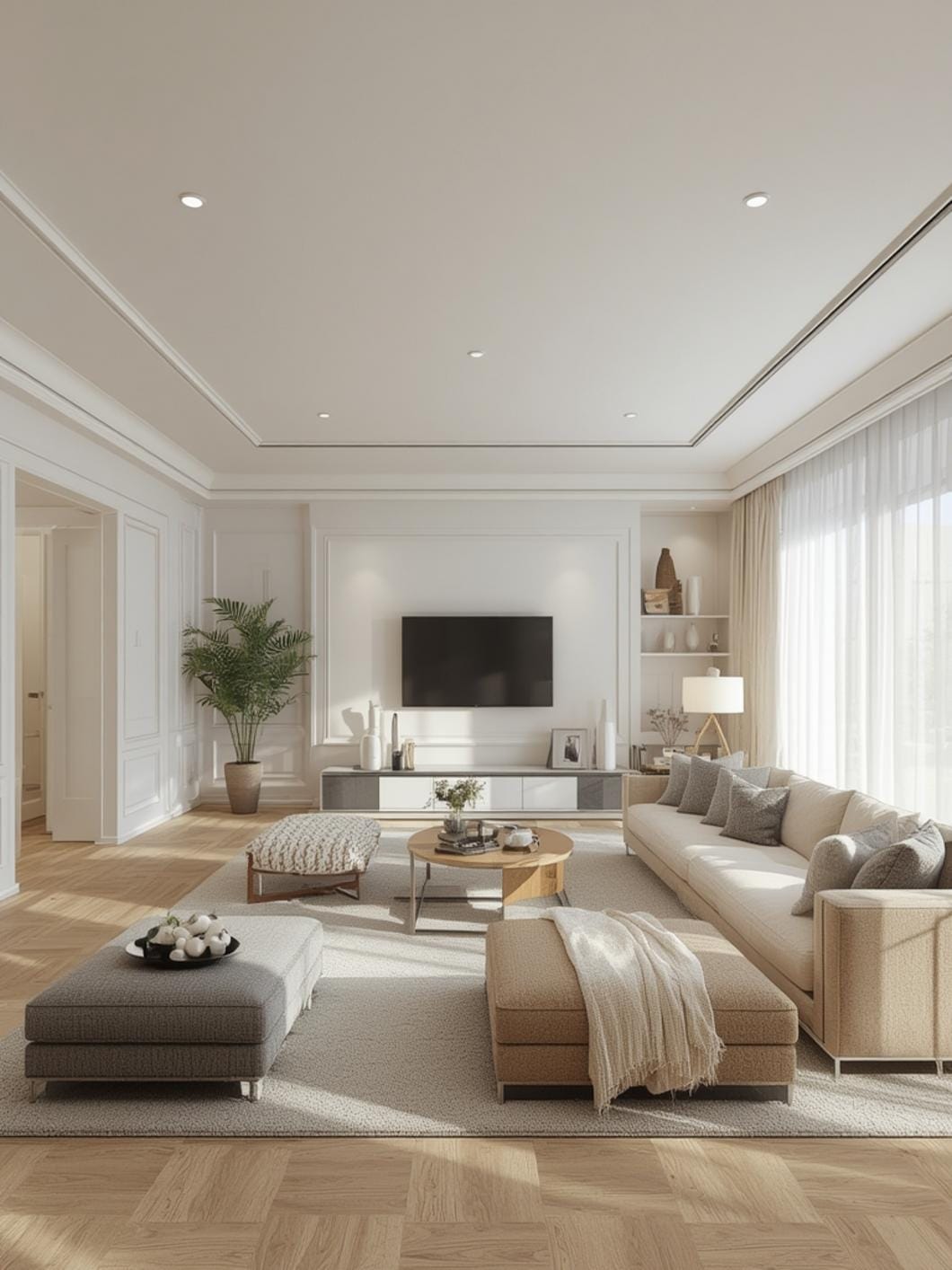
Pushing all furniture against walls is the most common layout mistake homeowners make. Instead, float your sofa at least 6-12 inches from the wall to create depth and make your room feel larger and more sophisticated.
Choosing a coffee table that’s too large or too far from seating makes your living room dysfunctional. Your coffee table should sit about 14-18 inches from sofa and chair edges, close enough to set down a drink without stretching but far enough to move comfortably.
Forgetting about lighting layers when planning your layout leaves your room flat and uninviting. Position end tables where they can support lamps that illuminate seating areas, and plan for floor lamp locations before committing to your arrangement.
Blocking windows or architectural features with furniture wastes your home’s best assets. Arrange pieces to enhance these features rather than hide them, allowing natural light to flow throughout the space.
Ignoring the room’s natural traffic patterns creates constant frustration. Before finalizing any layout, walk through your typical paths several times to ensure furniture placement supports rather than blocks movement.
Buying furniture before measuring your space and doorways leads to pieces that don’t fit through doors or overwhelm your room. Always measure twice and order once, including doorway widths and staircase dimensions.
Maintaining Your Perfect Layout
Give your furniture arrangement a trial period before committing fully. Live with it for at least a week, noticing how you actually use the space during different activities. Adjust as needed based on real life rather than theory.
Rotate your furniture seasonally to prevent permanent indentations in carpets and rugs. Use furniture coasters or cups under heavy pieces to distribute weight and make moving easier when you want to refresh your layout.
Keep pathways clear by regularly decluttering surfaces and putting away items that don’t belong in your living room. Even the best layout looks chaotic when surfaces overflow with random stuff.
Vacuum under and around furniture weekly to prevent dust buildup that makes moving pieces difficult. This simple maintenance makes future rearranging much easier and keeps your space looking fresh.
Adjust your layout as your needs change — when kids grow, when you get new hobbies, or when seasons shift. Your living room should evolve with you rather than remaining static forever.
Creating Your Perfect Living Room Flow
Your living room layout sets the tone for your entire home. When you arrange furniture thoughtfully, considering both function and flow, you create a space that truly works for how you live. The right arrangement welcomes you home, accommodates your daily activities, and makes hosting feel effortless.
Start with your largest pieces, consider your traffic patterns, and don’t be afraid to experiment. Your perfect layout might take a few tries to discover, but you’ll know it when you find it. Ready to tackle more spaces in your home? Explore more room-by-room design guidance here at DecorKingdom.
FAQs
How far should my sofa be from the TV?
Your sofa should sit approximately 1.5 to 2.5 times your TV screen size away for comfortable viewing. For a 55-inch TV, that means 7-12 feet away. This distance prevents eye strain while ensuring you can see the entire screen without turning your head. Adjust based on your vision and preferences.
Can I put my sofa in front of a window?
Yes, you absolutely can place your sofa in front of a window when it’s the best layout option. Choose a low-backed sofa that doesn’t block too much light, and add curtains or blinds you can still operate easily. This arrangement often works beautifully in small spaces or rooms with multiple windows.
What size area rug do I need for my living room?
Your area rug should be large enough for all furniture front legs to rest on it, or ideally, all four legs of each piece. For most living rooms, this means at least an 8×10 foot rug. Measure your seating arrangement and add 12-18 inches on each side to find your ideal size.
Should my coffee table match my other furniture?
Your coffee table doesn’t need to match your other furniture perfectly. In fact, mixing different styles, materials, and finishes creates a more collected, personal look. Just ensure the height works with your seating (usually 2 inches lower than your sofa seat height) and the scale fits your space.
How do I arrange furniture when my living room has two focal points?
When your room has two focal points like a fireplace and TV, create two distinct seating zones or angle furniture to acknowledge both. Consider mounting the TV above the fireplace if possible, or arrange seating in an L-shape that faces one focal point while remaining open to the other.
—
Meta Title: Living Room Furniture & Layout Secrets 2026 | DecorKingdom
Meta Description: Stop fighting your furniture! Discover Living Room Furniture & Layout tips that make any space feel bigger, flow better, and look amazing.