How to Choose 3D Wall Art for Living Room
Your living room walls feel flat and forgettable. No matter how much furniture you rearrange or how many throw pillows you add, something’s still missing. The space lacks that wow factor that makes guests stop and stare.
That’s where 3D wall art for living room spaces comes in. These dimensional pieces add instant drama, texture, and personality to your walls without the commitment of paint or wallpaper. Whether you choose sculptural panels, layered wood designs, or modern geometric installations, 3D wall art transforms a boring blank wall into your home’s focal point.
The best part? You don’t need to be a DIY expert to make this work. With the right approach, you can create a gallery-worthy feature wall that reflects your style and makes your living room feel completely custom.
Table of Contents
What You’ll Need to Get the Look
Creating a stunning 3D wall art display starts with gathering the right elements. Your choices will depend on your style and the look you’re going for.
For the wall art itself, consider:
– 3D wall panels in materials like PVC, MDF, or bamboo
– Sculptural metal art pieces
– Layered wood installations
– Geometric shadow boxes
– Mixed-media textured canvases
Supporting materials you’ll need:
– Construction adhesive or panel-specific mounting tape
– Level and measuring tape
– Painter’s tape for marking placement
– Soft cloth for cleaning surfaces before installation
– Stud finder (optional but helpful for heavier pieces)
Don’t forget the finishing touches:
– Accent lighting to enhance shadows and dimension
– Complementary wall paint in a neutral backdrop color
– Furniture arranged to showcase your new focal wall
Finding Your Style and Season
Choosing your 3D wall art isn’t just about what looks pretty in the store. Think about how different styles work with your existing decor and the mood you want to create.
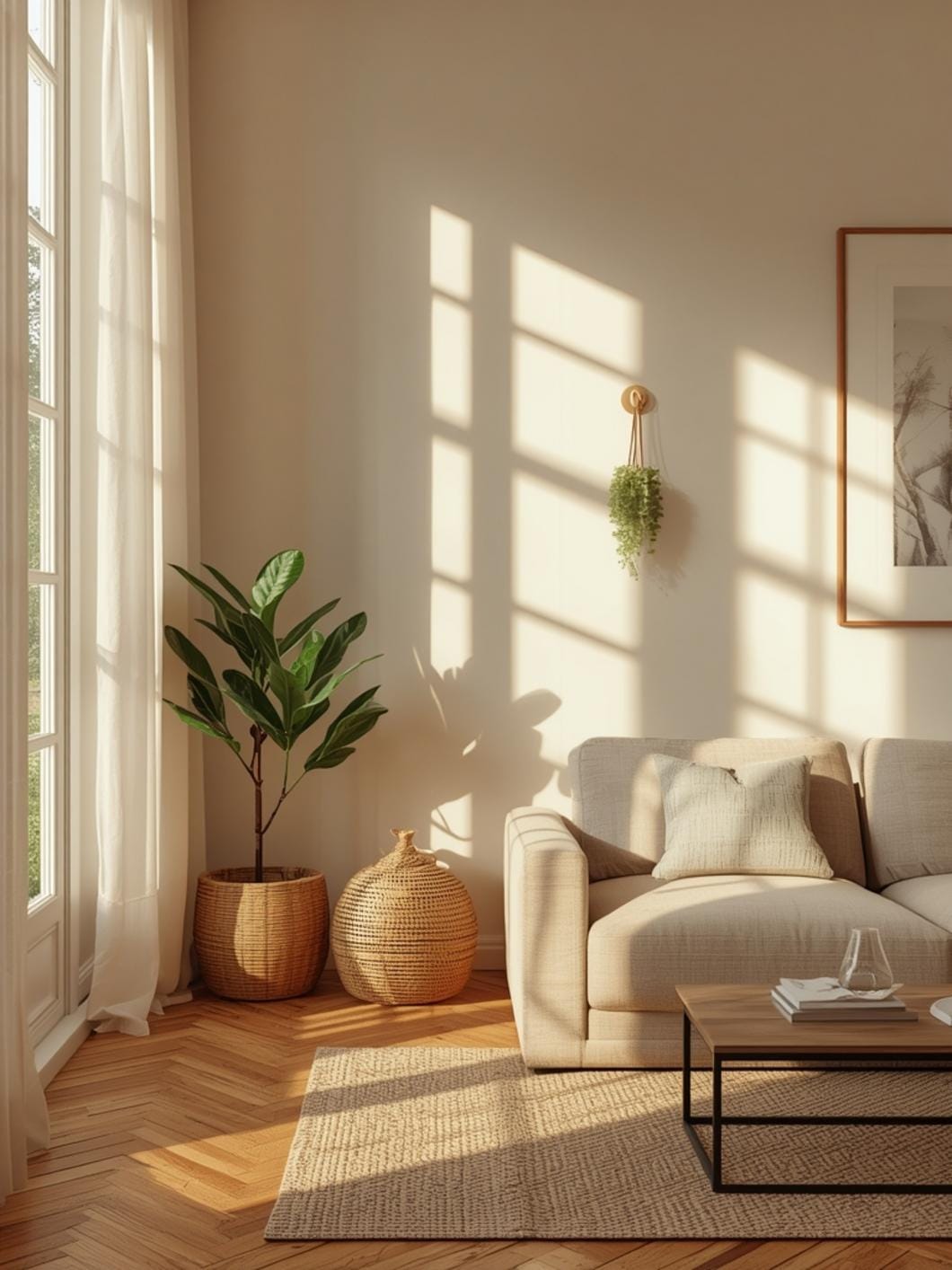
Consider your room’s natural light first. South-facing rooms with abundant sunshine show off intricate shadows beautifully, making geometric panels and deeply textured pieces shine. North-facing rooms benefit from lighter-colored dimensional art that won’t disappear into shadows.
Your existing furniture style matters too. Mid-century modern spaces pair perfectly with clean-lined wood installations, while contemporary rooms love bold geometric metal pieces. Traditional homes can embrace 3D art through ornate carved panels or classical relief designs.
Seasonal changes affect your enjoyment as well. Lighter, airier designs feel fresh in spring and summer. Richer textures and darker tones create cozy warmth perfect for fall and winter entertaining.
Budget for this project typically ranges from $150 for DIY panel installations to $800+ for custom commissioned pieces. Most homeowners spend a weekend completing their installation once they’ve chosen their design.
7 Ideas to Try in Your Home
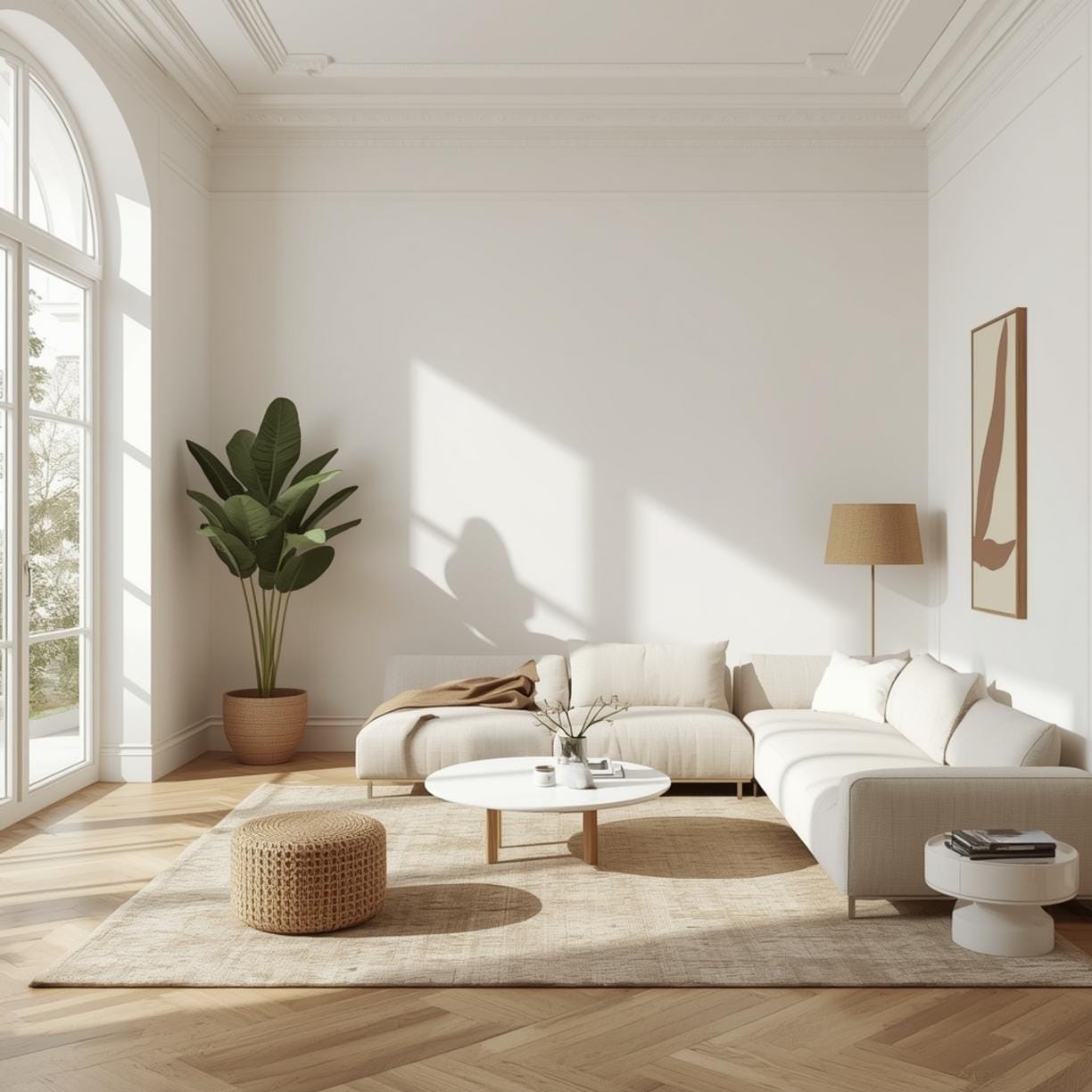
Ready to explore what dimensional wall art can do for your space? Here are seven stunning approaches that work in real homes.
The Modern Geometric Panel Wall
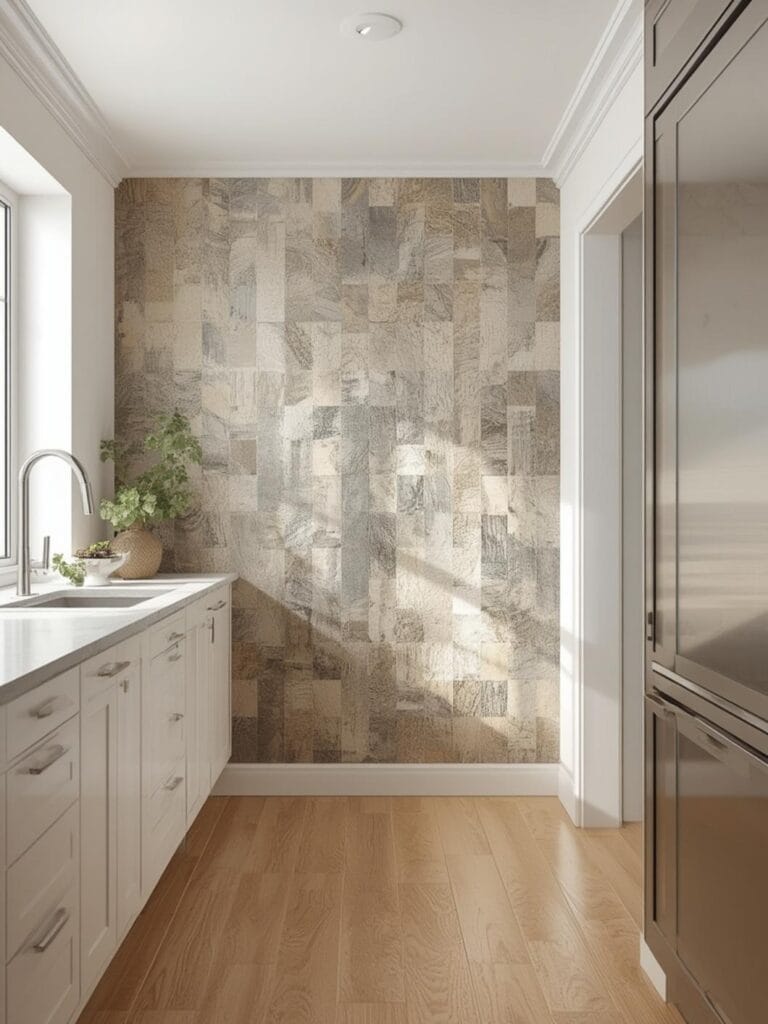
Create an entire accent wall using interlocking 3D panels in a repeating pattern. White or cream panels add sophisticated texture without overwhelming your color scheme. This approach works beautifully behind your sofa or TV console. How to install 3D wall panels without damaging drywall becomes simple when you use specialized mounting adhesive designed for temporary or semi-permanent installation—more on techniques shortly.
Layered Wood Art Installation
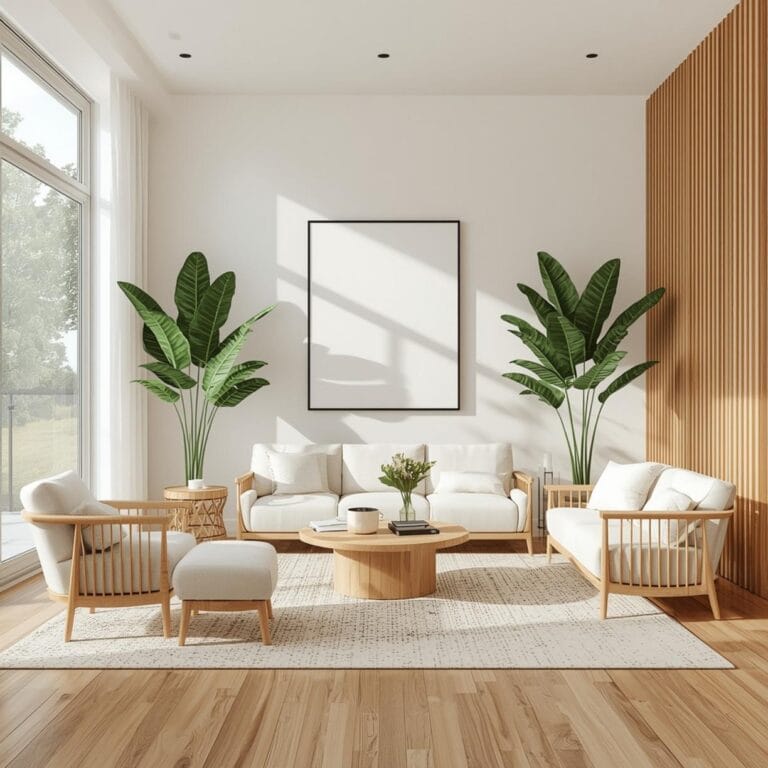
Stack different wood tones and depths to create an organic, flowing design. This works especially well in spaces with natural elements like jute rugs and linen upholstery. The varying depths catch light differently throughout the day, keeping your wall interesting from morning to evening.
Metallic Sculptural Statement Piece
A single large-scale metal sculpture makes a bold focal point above your fireplace or main seating area. Look for pieces with curves and cutouts that create interesting shadows. Gold, bronze, and brass tones add warmth, while silver and gunmetal feel sleek and contemporary.
Mixed-Media Textured Canvas Gallery
Combine several canvases with built-in dimensional elements—think embedded stones, layered paint, or attached wood pieces. Arrange them in a gallery wall layout for collected-over-time charm. This approach lets you start with one piece and add more as your budget allows.
Nature-Inspired Relief Panels
Botanical designs, wave patterns, or mountain silhouettes rendered in dimensional panels bring the outdoors in. These work beautifully in homes with lots of plants and natural fiber textiles. The organic shapes soften angular modern furniture.
Geometric Shadow Box Display
Install a series of square or hexagonal shadow boxes at varying depths. Some can remain empty to showcase pure shadow play, while others hold small decorative objects. This creates both art and functional display space.
Abstract Layered Shapes
Overlapping circles, rectangles, or organic shapes in graduating sizes create movement and visual interest. Choose a monochromatic scheme for sophisticated simplicity, or go bold with contrasting colors that pull from your throw pillows and accessories.
Benefits That Go Beyond Beautiful Walls
The impact of dimensional wall art extends far beyond simple decoration. These installations genuinely change how your living room functions and feels.
Your space gains instant personality without permanent commitment. Unlike paint colors or wallpaper that require major effort to change, most 3D wall art can be removed and replaced as your style evolves. This flexibility means you’re never stuck with a look that no longer serves you.
The dimensional aspect adds architectural interest that flat walls simply can’t provide. If your home lacks crown molding, wainscoting, or other built-in details, textured wall art fills that gap beautifully. Your living room suddenly feels more finished and intentionally designed.
Acoustic benefits surprise many homeowners. Textured surfaces help break up sound waves, reducing echo in rooms with hardwood floors and minimal soft furnishings. Your space becomes more comfortable for conversations and entertaining.
The psychological impact matters too. Dimensional art creates visual complexity that keeps your brain engaged, making your space feel more dynamic and interesting. You’ll actually enjoy spending time in your living room more because there’s always something new to notice as light changes throughout the day.
Tips, Alternatives, and Styling Advice
Budget considerations shouldn’t stop you from achieving dimensional walls. Here’s how to approach this project at different price points.
Budget-Friendly Option ($100-250)
Start with foam-based adhesive panels from home improvement stores. These lightweight options install easily and come in numerous patterns. Paint them in your chosen color for a custom look. Focus on one accent wall rather than the entire room to maximize impact while minimizing cost.
Mid-Range Option ($250-600)
Invest in higher-quality MDF or wood panels with more intricate designs. Mix purchased panels with DIY elements like you create yourself using reclaimed wood. This blend of store-bought and handmade creates custom appeal without custom pricing.
Premium Option ($600-1500+)
Commission a custom piece from a local artist or invest in designer panel systems with premium materials and finishes. These installations become true showpieces that elevate your entire home’s value and appeal.
Small Space Adaptation
In compact living rooms, choose one striking sculptural piece rather than covering an entire wall. Position it strategically where it draws the eye upward, making your ceiling feel higher. Lighter colors and more negative space prevent overwhelming small rooms.
Color coordination makes or breaks your dimensional wall. Pull one accent color from your art throughout the room in pillows, throws, or decorative objects. This creates cohesion rather than making your wall art feel randomly placed.
Common Mistakes to Avoid
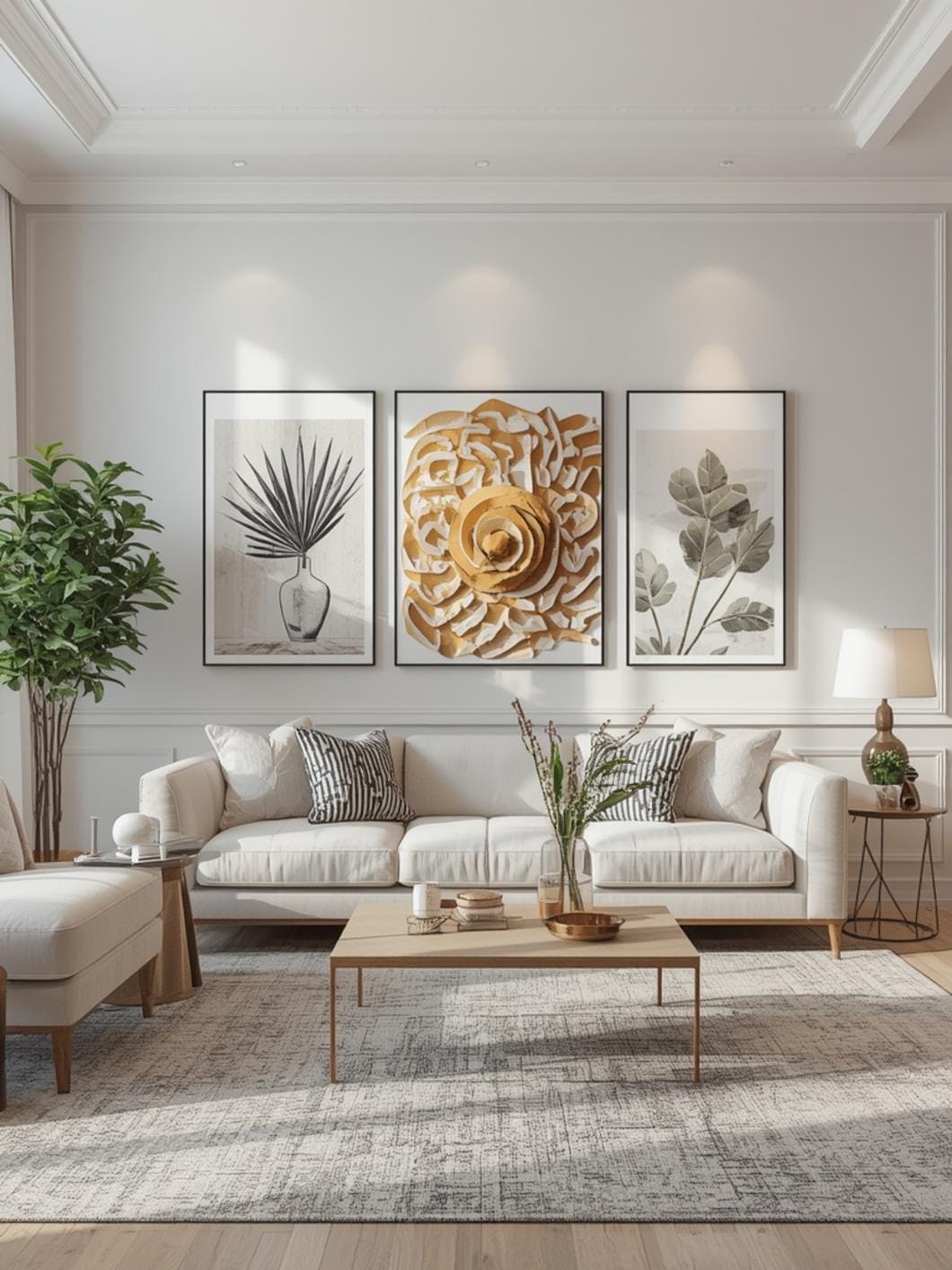
Even experienced decorators make these errors when installing dimensional wall art. Here’s how to sidestep them.
Installing Without Testing Placement First
Many people commit to permanent mounting before seeing how the piece actually looks in their space. Always use painter’s tape to mark your intended placement and live with it for a few days before making holes or applying adhesive.
Ignoring Lighting Considerations
Dimensional art depends on light and shadow for its full effect, but homeowners often forget to plan lighting. Add picture lights, track lighting, or strategically placed floor lamps to highlight your installation properly.
Hanging Too High or Too Low
The center of your wall art should sit at eye level, typically 57-60 inches from the floor. Hanging too high makes your art feel disconnected from your furniture and living space.
Using Wrong Adhesives for Your Wall Type
Not all mounting solutions work on all surfaces. Using regular construction adhesive on delicate drywall can tear the paper facing when you eventually want to remove your art. Research the proper mounting method for both your wall type and panel weight.
Overcrowding the Wall
When your dimensional piece is the star, let it breathe. Avoid cluttering the same wall with additional flat art, mirrors, or shelving that competes for attention.
Maintenance and Upkeep Tips
Keeping your dimensional wall art looking fresh requires minimal effort with the right approach.
Dust accumulates in the crevices and raised areas of textured art. Use a soft paintbrush or microfiber duster weekly to gently sweep away dust. For deeper cleaning, use your vacuum’s brush attachment on the lowest suction setting.
Most panel materials can handle light cleaning with a slightly damp cloth. Avoid soaking the material or using harsh chemicals that might damage finishes. For wood installations, occasional furniture polish maintains their luster.
Check mounting adhesive every six months, especially in humid climates where temperature changes might affect adhesion. Press gently around edges to ensure everything remains secure. Reapply mounting tape in any spots that feel loose.
If your panels are painted, expect to touch up occasionally, especially in high-traffic areas where hands might brush against them. Keep leftover paint for easy repairs that take just minutes.
Protect your dimensional art from direct sunlight if possible, as UV rays can fade colors and damage some materials over time. Sheer curtains or blinds help filter harsh afternoon sun while still allowing your art to be appreciated.
Make Your Living Room Unforgettable
Three-dimensional wall art gives your living room the character and sophistication you’ve been craving. Whether you choose dramatic geometric panels or subtle textured canvases, the dimensional quality creates visual interest that flat walls simply cannot match.
The beauty of this approach is its flexibility. You can start small with a single statement piece or commit to a full accent wall transformation. Either way, you’re creating something uniquely yours that makes your house feel more like home.
Ready to explore more ways to make your living room the heart of your home? Visit DecorKingdom for more inspiration and practical decorating advice that actually works in real life.
FAQs
Can I install 3D wall panels in a rental apartment?
Yes, using heavy-duty mounting tape or Command strips designed for textured surfaces allows installation without permanent damage. Test in an inconspicuous spot first, and always follow weight recommendations. When you move, the panels remove cleanly if you follow the adhesive manufacturer’s instructions carefully.
How do I choose between different 3D panel materials?
Consider your budget and installation location. PVC panels work great for high-moisture areas and cost less, while wood panels offer richer texture and warmth for formal living rooms. Foam panels provide the easiest DIY installation, perfect if you’re nervous about the process.
Will 3D wall art make my small living room feel cramped?
Not if you choose wisely. Stick with lighter colors and designs with more negative space. A single statement piece creates impact without overwhelming your room. Avoid covering all walls, and focus your dimensional art on just one accent wall.
How much weight can typical drywall support for wall art?
Standard drywall safely holds about 10-15 pounds with proper wall anchors, and up to 30-40 pounds when mounted into wall studs. Most lightweight 3D panels weigh under 10 pounds per section. For heavier installations, always locate studs and mount directly into them for security.
Can I paint over 3D wall panels if I change my mind about the color?
Absolutely. Most panels take paint beautifully, letting you update your color scheme without replacing the panels themselves. Use a small foam roller to reach into crevices, and apply thin coats to avoid obscuring the dimensional details you love.
—
Meta Title: 3D Wall Art for Living Room: Bold Ideas 2026
Meta Description: Transform blank walls into stunning focal points with 3D wall art for living room spaces. Easy install tips, style ideas & budget options inside.