How to Plan a DIY Home Project: 7 Essential Steps 2026
You’ve been scrolling through home improvement ideas for weeks, feeling that familiar mix of excitement and overwhelm. Your living room needs a refresh, your kitchen could use better storage, or maybe that spare bedroom is finally getting its makeover. But where do you actually start?
Learning how to plan a diy home project2026 is the difference between a smooth, enjoyable renovation and a frustrating mess of half-finished tasks and blown budgets. Your home deserves thoughtful planning that turns your vision into reality without the stress.
This guide walks you through every planning step you need, from setting realistic goals to tracking your progress along the way. You’ll discover how to organize your project like a pro, even if you’ve never tackled anything bigger than hanging curtains.
Materials & Decor Elements
Before you pick up a single tool, you need to know exactly what you’re working with. Smart planning starts with a clear materials list.
Essential Planning Tools:
– Project notebook or digital planning app for tracking everything
– Measuring tape and room measurements written down
– Sample boards or Pinterest boards for visual reference
– Budget spreadsheet or tracking app
– Calendar for marking project milestones
Common Project Materials:
– Paint samples and color swatches matched to your lighting
– Fabric samples for upholstery or window treatments
– Flooring samples to test in your actual space
– Hardware and fixture samples to ensure they match your style
– Wall décor and accessories you already own that you want to incorporate
Shopping Planning Essentials:
– Detailed room measurements including ceiling height
– Photos of your current space from multiple angles
– List of existing furniture and fixtures you’re keeping
– Inspiration images showing your desired end result
– Notes about your home’s architectural style and era
Having these materials organized before you shop saves you from multiple return trips and costly mistakes. You’ll make decisions confidently when you can compare options side by side at home.
Timing / Project Planning
Realistic timing separates successful projects from abandoned ones gathering dust in your garage. Most homeowners underestimate project timelines by at least 50%, leading to frustration and burnout.
Setting Your Project Timeline:
Start by identifying your project’s complexity level. A simple room refresh with new paint and décor might take one weekend. A kitchen renovation with cabinet painting, new hardware, and backsplash installation could span four to six weekends.
Add buffer time for every phase. If you think painting will take Saturday morning, block out the full weekend. Prep work always takes longer than expected, and you’ll want time for proper drying between coats.
Consider your household’s rhythm. If you have young kids, weekend mornings might work better than evenings. If you work long hours, breaking projects into 30-minute evening tasks keeps momentum without overwhelming your schedule.
Seasonal Considerations:
Summer offers longer daylight hours for projects requiring good natural light. You can also move furniture outside temporarily while you work.
Winter months work well for indoor-only projects since you’re already spending more time at home. Just plan around holiday gatherings when you’ll want your space presentable.
Spring and fall provide ideal temperatures for projects involving open windows or garage work. Paint and adhesives cure best in moderate temperatures too.
Budget Timeline Integration:
Your budget directly affects your timeline. Breaking a $3,000 kitchen refresh into three $1,000 monthly phases lets you maintain cash flow while making steady progress.
This phased approach also lets you live with early changes before committing to later ones. You might discover that new cabinet hardware makes such a difference that you postpone the backsplash project indefinitely.
Step-by-Step Planning Instructions
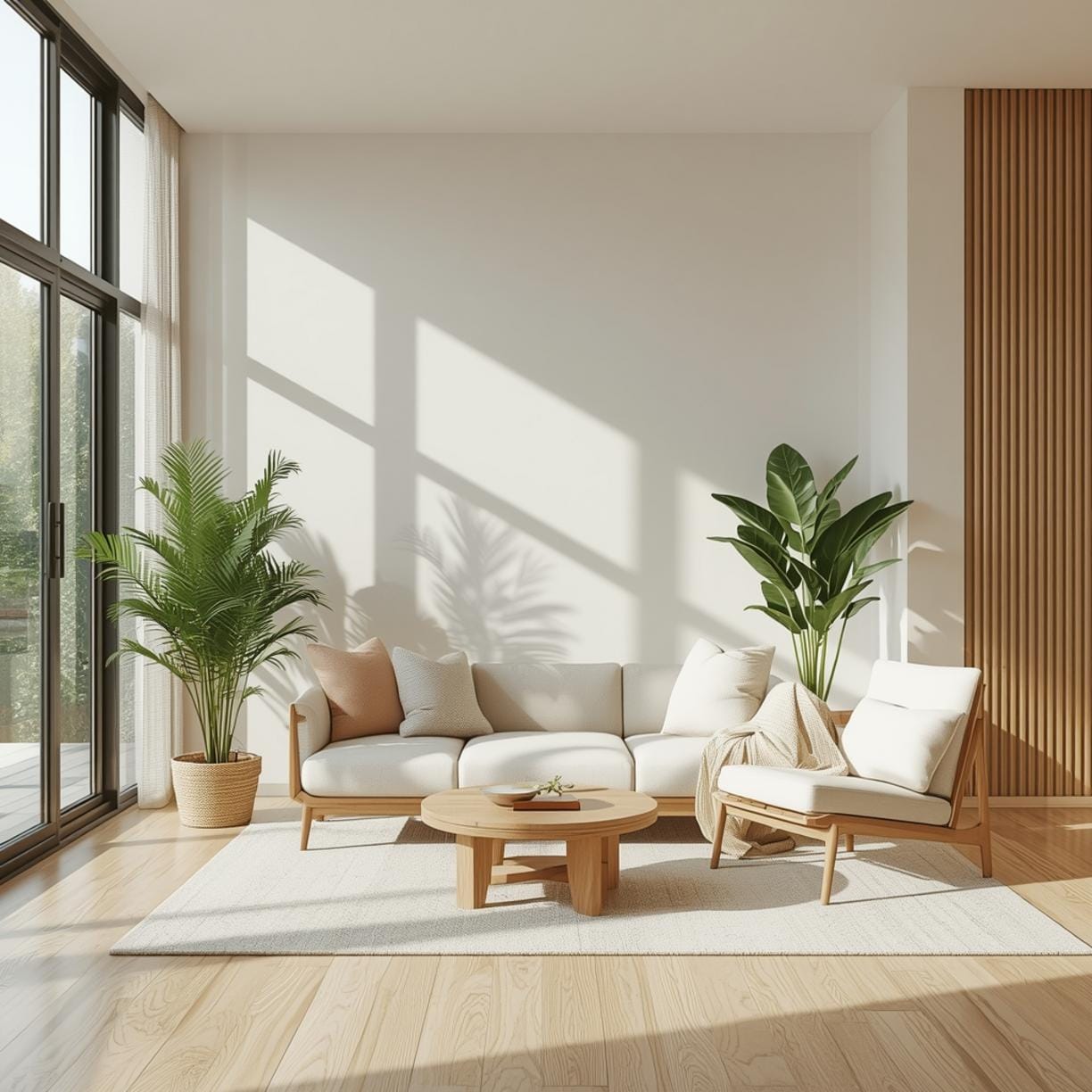
Now you’re ready to create your actual project roadmap. These steps work for any home project, from single-room refreshes to whole-house updates.
Step 1: Define Your Clear End Goal
Write down exactly what you want your finished space to look and feel like. “Update the living room” is too vague. “Create a cozy reading corner with better lighting and comfortable seating for two” gives you something specific to plan toward.
Take inspiration photos and identify what specifically appeals to you. Is it the color palette? The furniture arrangement? The lighting quality? Understanding why you love certain spaces helps you recreate those elements at home.
Step 2: Create Your Scope Document
List every single task your project requires, even the tiny ones. Include prep work like moving furniture, removing old hardware, patching walls, and cleaning. These “invisible” tasks often consume half your project time.
Group related tasks together. All painting prep happens together, all installation work happens together, and all styling happens at the end. This prevents you from jumping around inefficiently.
Step 3: Build Your Project Budget
Using a diy home project timeline and budget calculator helps you track both time and money in one place, showing how they interconnect throughout your project phases.
Break your budget into categories: materials, tools you need to buy or rent, unexpected contingency funds (always add 15-20%), and décor finishing touches. Price out each category before you start so there are no surprises.
Identify what you can buy gradually versus what you need upfront. Paint and supplies come first, but decorative accessories can wait until you see how the space evolves.
Step 4: Schedule Your Work Sessions
Block specific dates on your calendar for each project phase. Treat these appointments as seriously as you would doctor’s visits or work meetings.
Plan shopping trips as separate sessions from work sessions. Trying to shop and execute on the same day guarantees frustration when you discover you bought the wrong size or forgot essential supplies.
Include rest days between major phases. Your body needs recovery time, and your mind needs space to evaluate progress before moving forward.
Step 5: Gather Your Support System
Identify which tasks you’ll need help with and schedule those helpers in advance. Even DIY projects benefit from an extra pair of hands for holding long boards, moving heavy furniture, or providing a second opinion.
Set up your accountability system. Share your timeline with family members so they understand when spaces will be disrupted. Some homeowners even post their project timeline on social media for friendly accountability.
Step 6: Create Your Materials Staging Area
Designate a space where all project materials live until you need them. This might be a corner of your garage, a spare closet, or even under your bed if space is tight.
Organize materials by project phase so you’re not digging through everything each time you work. Label boxes clearly and keep your project notebook with your supplies.
Step 7: Document Everything
Take before photos from multiple angles, including close-ups of problem areas. You’ll want these for your own satisfaction later, and they’re invaluable if you need to reference original conditions.
Keep receipts organized by category and date. If you need to return items or track spending against your budget, this organization saves hours of frustration.
Benefits of Thorough DIY Project Planning
Proper planning transforms your DIY experience from stressful to satisfying. You’ll feel confident tackling each phase because you’ve already thought through the challenges.
Financial Control and Savings:
Planning prevents the costly mistake of buying wrong items, changing your mind mid-project, or discovering you can’t finish what you started. You’ll spend your budget strategically instead of reactively.
You’ll also identify where you can save money through smart timing. Buying materials during off-season sales or spreading purchases across pay periods keeps your cash flow healthy.
Stress Reduction:
When you know exactly what happens next, you avoid decision fatigue. Your project plan answers most questions before they become problems, letting you focus on execution instead of constant troubleshooting.
Your household experiences less disruption too. Everyone knows when the living room will be unusable and when normal life resumes, making the temporary chaos more tolerable.
Better Quality Results:
Rushed projects show their shortcuts. Planned projects let you do things right the first time, from proper surface prep to allowing adequate drying time between steps.
You’ll also make better design decisions when you’re not stressed and hurried. Taking time to live with paint samples or furniture arrangements before committing leads to choices you’ll love for years.
Personal Satisfaction:
Completing a well-planned project feels incredible. You gain confidence for future projects and develop skills that serve you throughout homeownership.
Your home reflects your thoughtful effort, not just thrown-together attempts. That difference shows in both the finished quality and your emotional connection to the space.
Tips, Alternatives, and Planning Approaches
Your planning approach should match your personal style and project complexity. Here are options for different situations and budgets.
Budget-Friendly Planning:
Use free apps and printable worksheets instead of expensive project management software. A simple spreadsheet tracks everything you need.
Start with the smallest version of your vision. Plan a single wall transformation before committing to the whole room. You’ll learn what works in your space without major investment.
Mid-Range Approach:
Invest in one good planning tool or app that helps you visualize the finished space. These often include measurement tools, budget calculators, and timeline features all in one place.
Plan for one quality focal piece in each project, then surround it with budget-friendly supporting elements. This balanced approach delivers high-end looks without high-end budgets throughout.
Premium Planning Strategy:
Hire a designer for a consultation session where they create a complete plan you execute yourself. You get professional expertise for a fraction of full-service design costs.
Invest in quality tools you’ll use across multiple projects. Good measuring tools, a reliable level, and proper safety equipment pay for themselves over time.
Small Space Adaptations:
Plan projects in even smaller phases for tiny homes or apartments. Tackle one wall or corner at a time so your space remains functional throughout the process.
Store materials creatively using vertical space and under-furniture storage. Your planning phase should include figuring out where everything lives while you work.
Common Planning Mistakes to Avoid
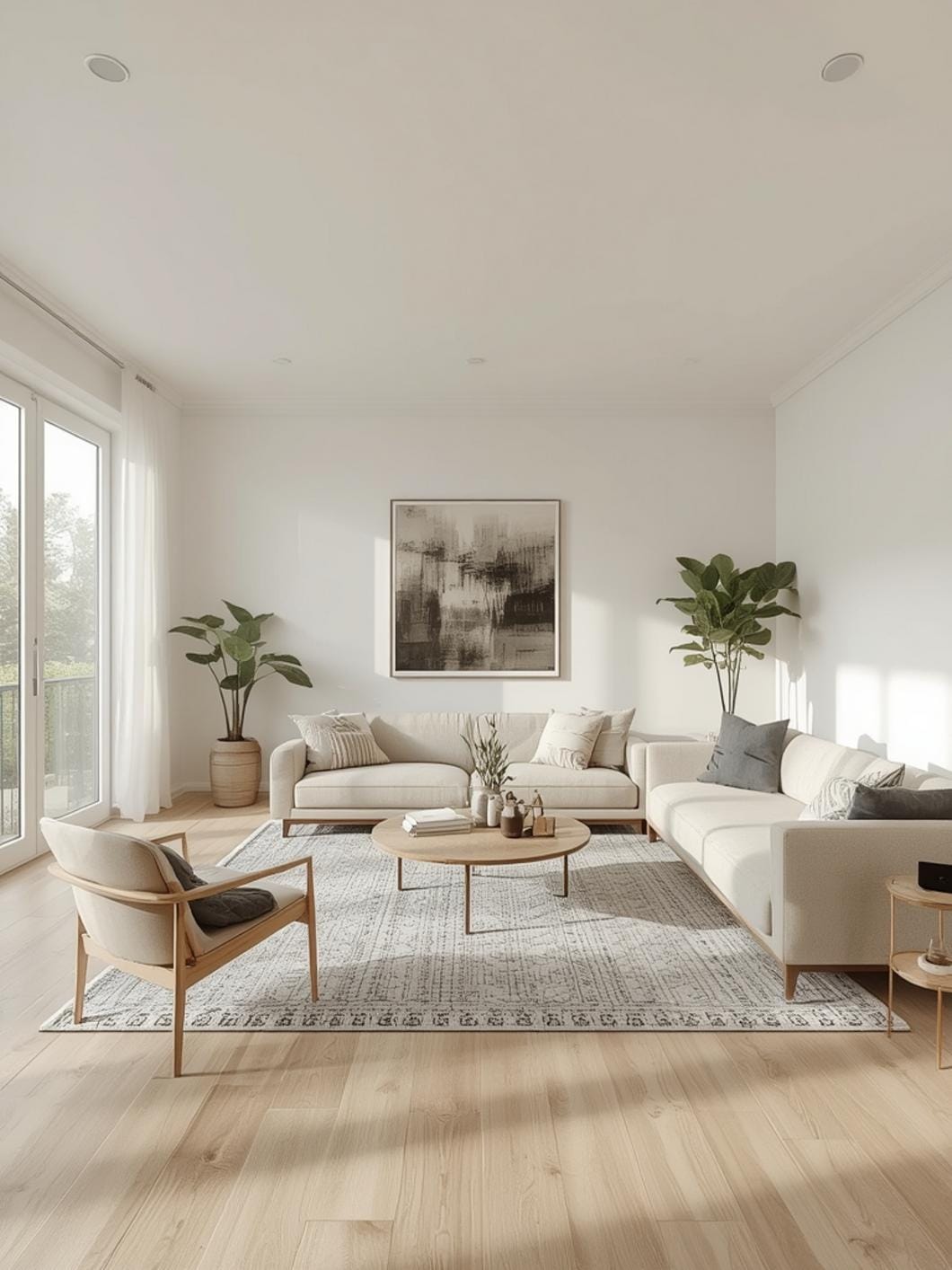
Even experienced DIYers fall into planning traps. Recognizing these common mistakes helps you avoid them.
Skipping the Measuring Phase:
You assume your measurements are close enough or rely on memory when shopping. Always measure twice and write everything down, including measurements between obstacles like outlets and corners.
Underestimating Prep Work:
You budget time and money for the exciting transformation parts while forgetting that prep takes longer than the actual project. Add dedicated prep sessions to your timeline and budget for prep materials.
Ignoring Your Real Schedule:
You plan based on ideal weekends, not your actual life with its interruptions and energy levels. Be honest about how much time you truly have available and plan accordingly.
Changing Plans Mid-Project:
You see something new online and suddenly want to switch directions halfway through. Resist this temptation by creating a complete vision board during planning and committing to that vision through completion.
Planning Without Contingency:
You create a budget and timeline with zero buffer for mistakes, delays, or unexpected discoveries. Always add 15-20% to both time and money estimates for realistic planning.
Maintenance Planning and Progress Tracking
Your planning doesn’t end when the project starts. Ongoing maintenance of your plan keeps everything on track.
Weekly Progress Reviews:
Set aside 15 minutes each week to review what you accomplished versus what you planned. Adjust upcoming weeks based on real progress rates, not optimistic guesses.
Update your budget tracker with actual spending. Seeing real numbers helps you make informed decisions about whether to proceed as planned or adjust remaining phases.
Mid-Project Check-Ins:
Pause between major phases to evaluate results before moving forward. Take photos and compare them to your inspiration images to ensure you’re heading in the right direction.
This is your opportunity to course-correct minor issues before they become major problems. Maybe your paint color needs adjusting or your furniture arrangement isn’t quite working.
Completion Documentation:
When you finish, document everything you learned for future projects. Note what took longer than expected, what you’d do differently, and what worked perfectly.
Save any remaining materials with clear labels about what room and project they belong to. Your future self will thank you when touch-ups are needed.
Conclusion
Planning your DIY home project sets you up for success before you ever pick up a tool. You’ll save money, reduce stress, and create results you’re proud to show off.
Your home deserves the thoughtful attention that good planning provides. Start with these steps, adjust them to fit your unique situation, and watch your vision come to life with confidence.
Ready to explore more project planning resources and home transformation ideas? DecorKingdom offers hundreds of guides to help you create the home of your dreams, one well-planned project at a time.
FAQs
How long should I spend planning before starting my DIY project?
Spend at least as much time planning as you expect the project to take. A weekend project deserves a full weekend of planning, while a month-long renovation needs several weeks of preparation. This investment prevents costly mistakes and ensures you have everything you need before disrupting your home.
What’s the biggest mistake people make when planning home projects?
Underestimating time requirements is the most common error. Most DIYers assume projects take half as long as they actually do, leading to frustration and rushed work. Double your initial time estimate and add buffer days between phases for the most realistic timeline.
Should I plan my entire home renovation at once or room by room?
Plan the overall vision for your whole home first, then create detailed plans for one room at a time. This approach ensures design consistency across spaces while letting you focus your energy and budget on manageable phases. You’ll avoid disconnected rooms that don’t flow well together.
How do I create a realistic budget when I’ve never done this type of project before?
Research similar projects online to see what others spent, then add 20% for your specific circumstances. Price out all materials before finalizing your budget, and include costs for rental tools, disposal fees, and those finishing touches that make the project feel complete. Starting with research prevents unpleasant surprises.
Can I change my project plan once I’ve started working?
Minor adjustments are fine, but major changes mid-project usually indicate inadequate planning. If you must make significant changes, pause the project and create a new complete plan for the revised vision. This prevents the chaos of working without a clear direction and helps you account for how changes affect your timeline and budget.
—
Meta Title: How to Plan a DIY Home Project 2026 Successfully
Meta Description: Learn how to plan a diy home project2026 with realistic timelines and budgets. Smart planning steps for stress-free home renovations you’ll love.