How to Choose Your Home Decor Style Quiz
You’ve scrolled through countless design magazines, saved hundreds of Pinterest images, and still feel unsure about what style truly fits your home. Every room tells a different story, and nothing feels quite right.
A home decor style quiz can help you cut through the confusion and identify the aesthetic that matches your lifestyle, personality, and the way you actually live. Instead of copying trends that don’t feel authentic, you’ll discover which design direction naturally suits you.
This guide walks you through understanding your style personality and translating it into real, livable spaces you’ll love coming home to every single day.
Table of Contents
Key Terms and Elements to Know
Before taking any quiz or making style decisions, you need to understand what makes each design style unique. These elements form the building blocks of every interior aesthetic.
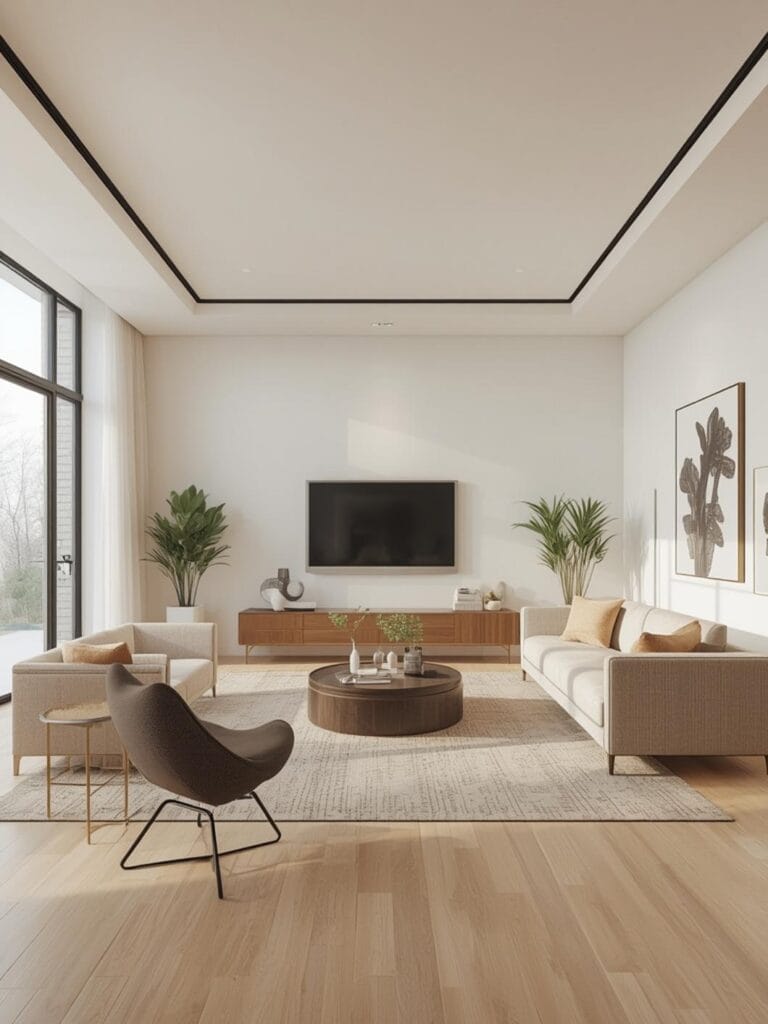
Color palettes define the mood of a style. Modern minimalist leans toward whites, grays, and blacks, while bohemian embraces warm terracottas, deep teals, and golden yellows.
Furniture shapes give you instant visual clues. Mid-century modern features clean lines and tapered legs. Traditional style showcases curved arms, tufted details, and ornate woodwork.
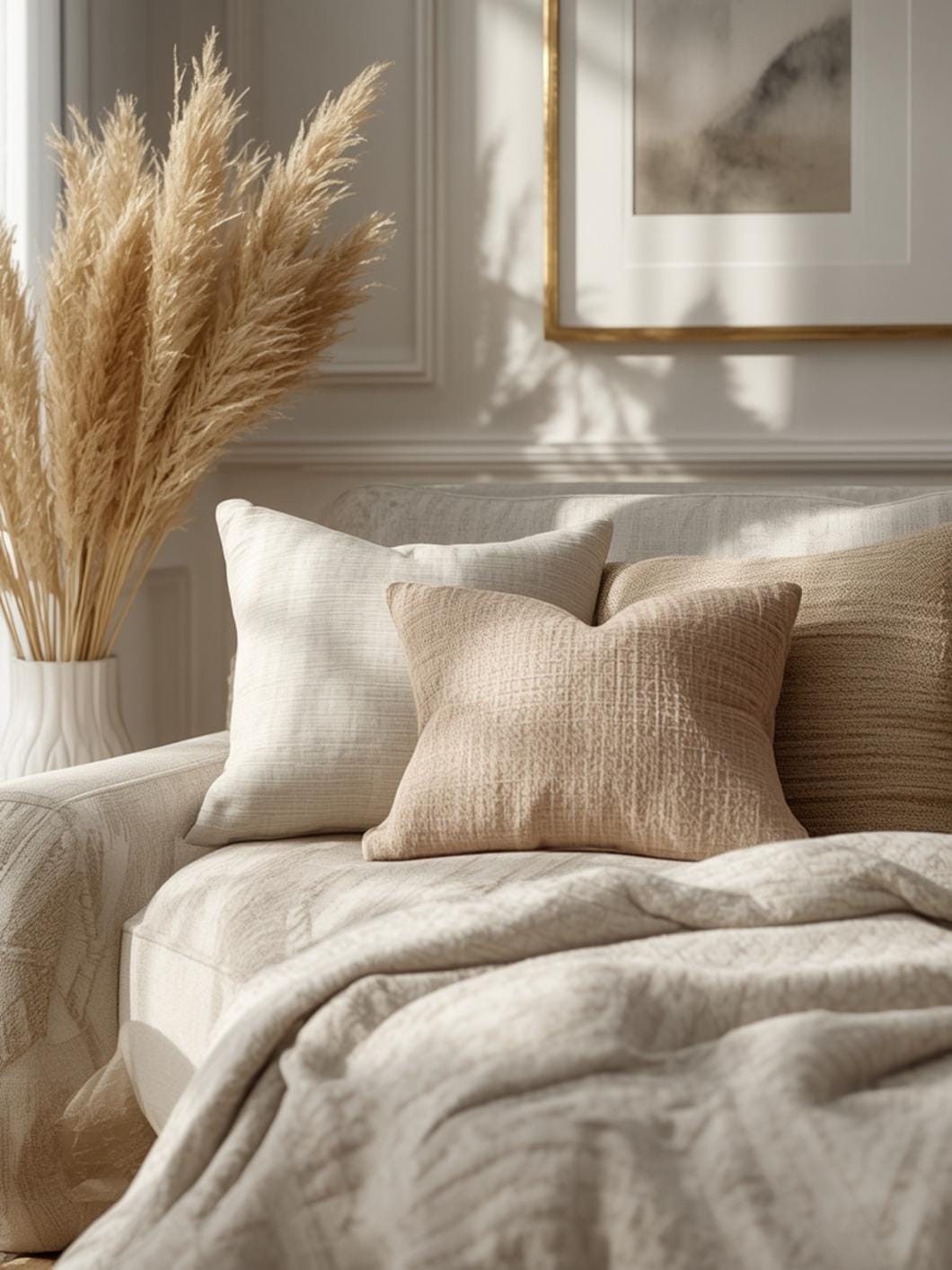
Texture combinations create depth and interest. Scandinavian design pairs smooth wood with chunky knits. Industrial style mixes raw metal with worn leather and exposed brick.
Pattern usage varies dramatically across styles. Farmhouse might use buffalo check and floral prints, while contemporary stays pattern-light with occasional geometric accents.
Architectural details include crown molding, shiplap, exposed beams, or sleek flush surfaces. These permanent features often guide your style direction whether you realize it or not.
Common Misconceptions to Clear Up First
Many homeowners worry they must commit to one single style throughout their entire home. The truth is that your main living areas should flow together, but bedrooms and private spaces can express different aesthetics.
You don’t need to replace everything you own to achieve a cohesive look. Most homes benefit from a 70/30 approach: 70% of your dominant style with 30% accents from complementary aesthetics.
Another common myth suggests that certain styles only work in specific home types. You can absolutely create a modern farmhouse vibe in a city apartment or bring coastal calm to a landlocked suburban house.
Budget doesn’t determine your ability to express a style. Every aesthetic has budget-friendly versions using paint, thrifted finds, and strategic focal pieces rather than expensive overhauls.
Your style should evolve with your life stages. The bohemian maximalist look you loved in your twenties might feel cluttered now that you have kids, and that’s completely normal.
How It Works in Real Homes
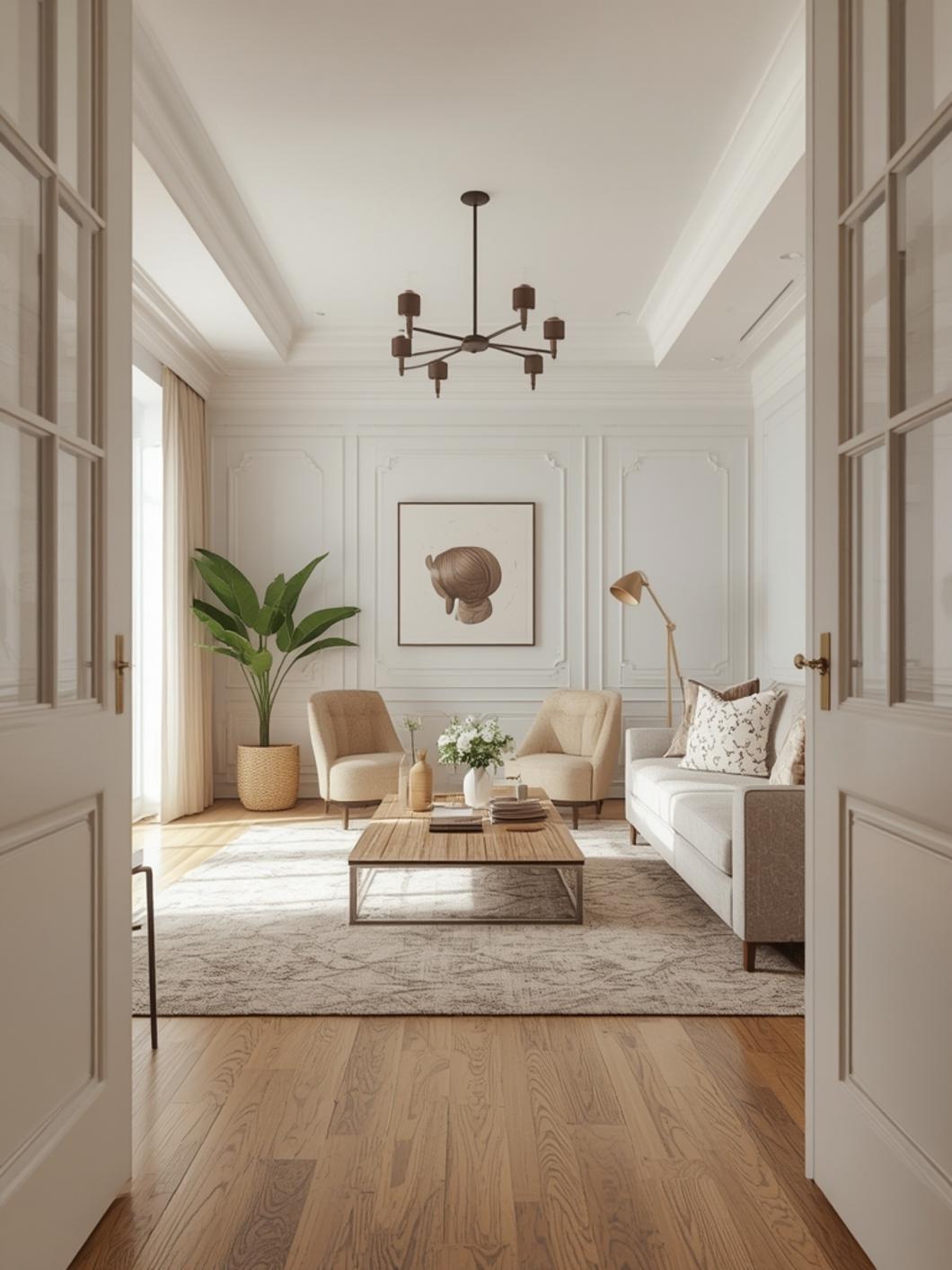
Understanding what interior design style am I starts with observing how you naturally organize and decorate without overthinking it. Your instinctive choices reveal more than any quiz result.
Look at what you already own and love. Walk through your home and identify the five items you’d save if you had to start over. These pieces represent your authentic style preferences, not what you think you should like.
Consider your lifestyle habits first. A parent with toddlers needs durable, washable surfaces even if they love delicate vintage aesthetics. Your style must support how you actually live, or it won’t last.
Notice which spaces feel most comfortable. The rooms where you naturally relax reveal your style sweet spot. If you gravitate toward your cozy, cluttered reading nook instead of your pristine living room, that tells you something important.
Pay attention to your clothing style. People who wear classic, tailored pieces often prefer traditional or transitional interiors. Those with eclectic, colorful wardrobes typically lean toward bohemian or maximalist spaces.
Identify your clutter tolerance level. Minimalist and modern styles require constant decluttering. If you display collections and love visual abundance, cottage, farmhouse, or maximalist styles will feel more natural.
Think about your ideal Saturday morning. The activities you dream about inform your style. Coffee and newspapers suggest classic comfort. Yoga and green smoothies point toward wellness-inspired design with natural materials.
Test your texture preferences. Visit furniture stores and touch everything. Your hands know whether you prefer smooth leather, nubby linen, cool metal, or warm wood before your brain decides.
Benefits of Knowing Your Design Style
Finding your true interior style saves you thousands of dollars on furniture and decor that never quite works. You’ll stop buying pieces on impulse that eventually end up in the garage.
Shopping becomes faster and easier when you know your style parameters. You can walk into any store and immediately identify what fits your aesthetic versus what’s just trendy noise.
Your confidence in decorating decisions increases dramatically. You’ll stop second-guessing every paint color and pillow choice because you understand the principles guiding your selections.
Guests will notice your home feels intentional and cohesive rather than randomly assembled. This doesn’t mean boring—it means every element supports your overall vision.
Your stress levels at home decrease when your environment matches your personality. Living in a space that feels authentically yours affects your daily mood more than most people realize.
Tips, Alternatives, and Styling Advice
Budget-friendly approach: Start with paint to establish your color palette, which instantly signals your style direction. Add affordable textile swaps like throw pillows, curtains, and area rugs that transform spaces without major investment.
Mid-range option: Invest in one signature furniture piece that perfectly captures your style—a vintage credenza for mid-century lovers or a tufted velvet sofa for traditional fans. Build around this anchor piece gradually.
Premium route: Work with a designer for a single room consultation to create a style roadmap for your entire home. This professional guidance prevents expensive mistakes and gives you a clear vision to implement over time.
Small space adaptation: Choose one style as your primary influence and use it at 80% strength. Small rooms need editing, so select the most essential elements of your preferred aesthetic and leave out the rest.
Mixed style success: Transitional design intentionally blends traditional and contemporary, while eclectic style consciously combines multiple aesthetics. Both work beautifully when you choose one as your base (60%) and add the other as accent (40%).
Common Mistakes to Avoid
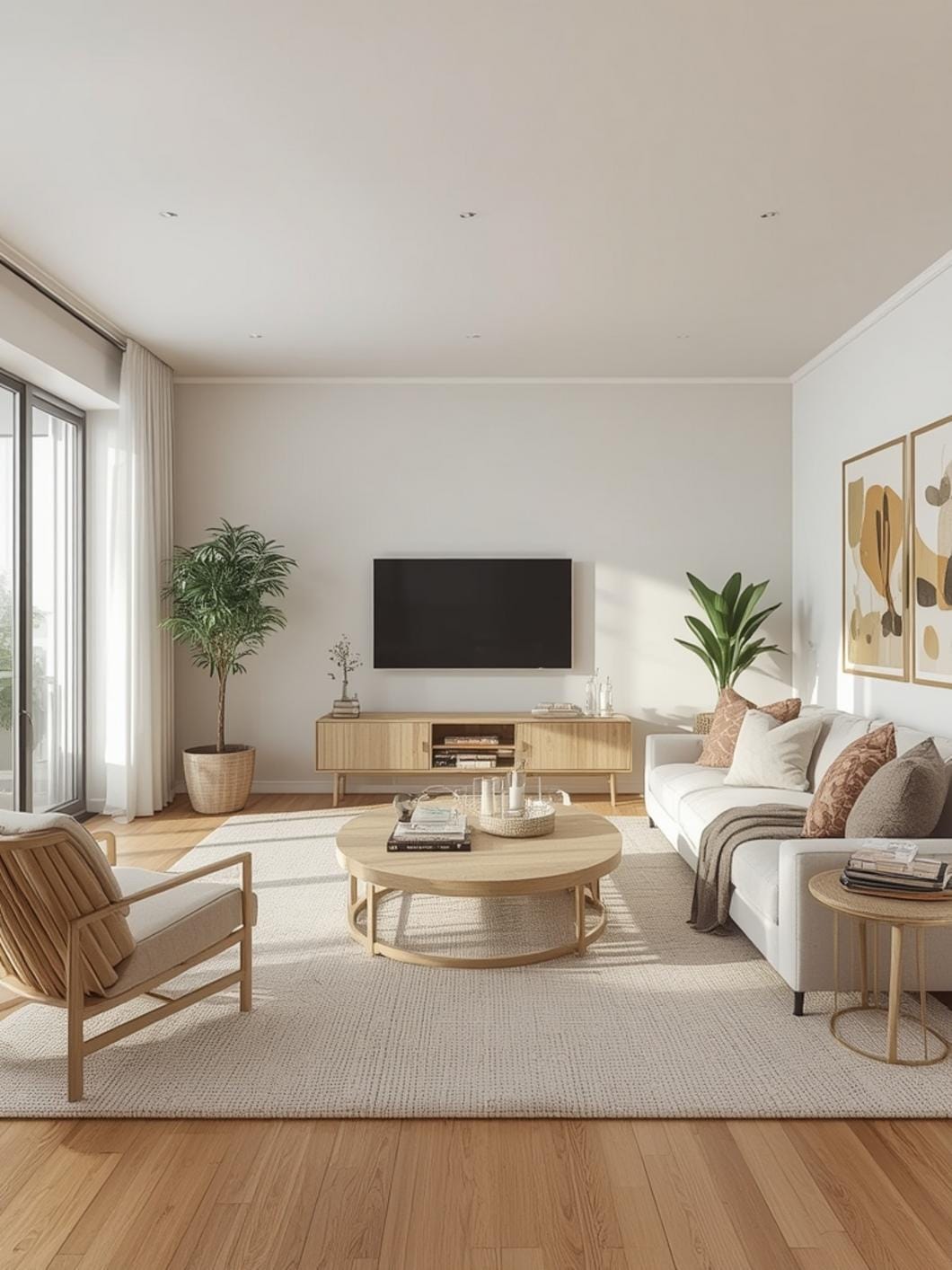
Forcing a style because it’s trendy rather than choosing what genuinely resonates with you creates spaces that feel like showrooms instead of homes. Select the aesthetic that makes you feel most comfortable, even if it’s not currently featured in design magazines.
Mixing too many styles without a unifying element creates visual chaos that’s exhausting to live with. Choose a consistent color palette or material to thread through different aesthetics for cohesion.
Ignoring your home’s architectural style when decorating causes constant visual friction. A 1970s ranch house fights ultra-traditional decor, while a Victorian cottage resists stark minimalism without significant architectural updates.
Buying everything at once prevents your style from developing organically and often leads to matchy-matchy spaces that lack personality. Layer in pieces over months or years for rooms that feel collected rather than purchased.
Neglecting function for aesthetics creates beautiful spaces you can’t actually use. Every room needs to work for your real life before it can successfully express your style.
Maintenance and Evolution Tips
Reassess your style preferences every two to three years as your life circumstances change. What worked for you as a single person might not suit your needs as a parent or empty nester.
Take photos of your rooms quarterly to see how your space evolves. These images help you notice when certain elements no longer serve your style vision and need refreshing.
Create a style file on your phone with images that consistently appeal to you across different platforms. Patterns emerge over time that clarify your authentic preferences versus passing interests.
Keep a list of style words that resonate with you—cozy, sleek, collected, airy, dramatic. These descriptors guide your decisions when shopping or planning updates.
Allow yourself permission to change directions entirely if your current style stops feeling right. Your home should support who you are now, not who you were when you first decorated.
Conclusion
Discovering your true interior design style transforms decorating from an overwhelming chore into an enjoyable expression of your personality. A thoughtful approach to identifying your aesthetic preferences creates a home that genuinely supports your daily life.
Your style should feel like the visual version of your favorite comfortable outfit—authentic, appropriate for your lifestyle, and completely yours. Whether you lean toward modern minimalism, cozy farmhouse, or eclectic maximalism, the right style makes coming home the best part of your day.
Visit DecorKingdom for more personalized style guides and room-by-room inspiration that helps you create spaces you’ll love for years to come.
FAQs
How do I know if a home decor style quiz is accurate?
The best quizzes ask about your lifestyle habits, existing preferences, and practical needs rather than just showing pretty pictures. Look for questions about how you use your space, your clutter tolerance, and what makes you feel relaxed. If the quiz only asks about colors and patterns, it won’t give you useful results.
Can I have different interior design styles in different rooms?
Yes, but your main living areas should share a cohesive flow through consistent colors, finishes, or materials. Bedrooms, home offices, and private spaces can express different aesthetics as long as they don’t clash when visible from common areas. Most homes work best with one dominant style and complementary accents throughout.
What if I like elements from multiple design styles?
This is completely normal and describes most homeowners. Transitional and eclectic styles intentionally blend multiple aesthetics. Choose one style as your foundation (about 60-70% of your choices) and layer in your favorite elements from other styles as accents. A unifying color palette or material helps different styles work together.
How much does it cost to change my home’s interior style?
You can shift your style for under $500 using paint, textiles, and rearranged furniture, or spend thousands on new pieces and renovations. Most homeowners successfully transition their style over 6-18 months by replacing items as needed rather than all at once. Start with paint and soft goods before investing in new furniture.
Should my interior style match my home’s architectural style?
Your decor style should complement rather than fight your home’s architecture. A modern farmhouse interior works beautifully in a 1920s craftsman but feels forced in a sleek contemporary build. You don’t need an exact match, but respecting your home’s bones creates more harmonious results than trying to impose a drastically different aesthetic.
—
Meta Title: Home Decor Style Quiz: Find Your Perfect Look (2026)
Meta Description: Discover which interior design style matches your lifestyle with our expert guide. Find your aesthetic and create spaces you’ll love.