Your Bookshelf Is Boring — These 7 Designer Tricks Will Fix That
You know that bookshelf in your living room? The one that’s half-filled with random paperbacks, old magazines, and a collection of things you’re not quite sure what to do with? It has so much potential to become a stunning focal point in your home. With the right approach to decorating a bookshelf ideas, you can turn those bare shelves into a curated display that reflects your personality and elevates your entire space.
The beauty of bookshelf styling is that it doesn’t require expensive purchases or major renovations. You likely already own many of the items you’ll use — books, photos, plants, and decorative objects you’ve collected over time. What makes the difference is how you arrange them.
Whether you have a towering built-in unit or a simple five-shelf bookcase, these ideas will help you create a look that feels intentional, balanced, and uniquely yours.
Table of Contents
What You’ll Need to Get the Look
The magic of bookshelf decorating is that you don’t need to buy everything new. Start by gathering what you already have around your home, then fill in gaps as needed.
Books in various sizes form the foundation of your display. Mix hardcovers with paperbacks, tall coffee table books with standard novels. The variety in height and width creates visual interest right from the start.
Decorative objects add personality between your books:
– Small sculptures or figurines
– Ceramic vases or bowls
– Picture frames in different sizes
– Candles or candle holders
– Decorative boxes for hidden storage
Natural elements bring life and texture to your shelves. Small potted plants, trailing vines, or even dried botanicals in simple vases soften the look and add organic shapes among your straight-edged books.
Personal treasures make your bookshelf truly yours. Travel souvenirs, family heirlooms, vintage finds from flea markets, or handmade pieces from local artists all tell your story.
Functional baskets or bins tucked on lower shelves hide clutter while maintaining the styled look above. Choose materials like woven seagrass, wire mesh, or fabric that complement your room’s aesthetic.
Finding Your Style and Season
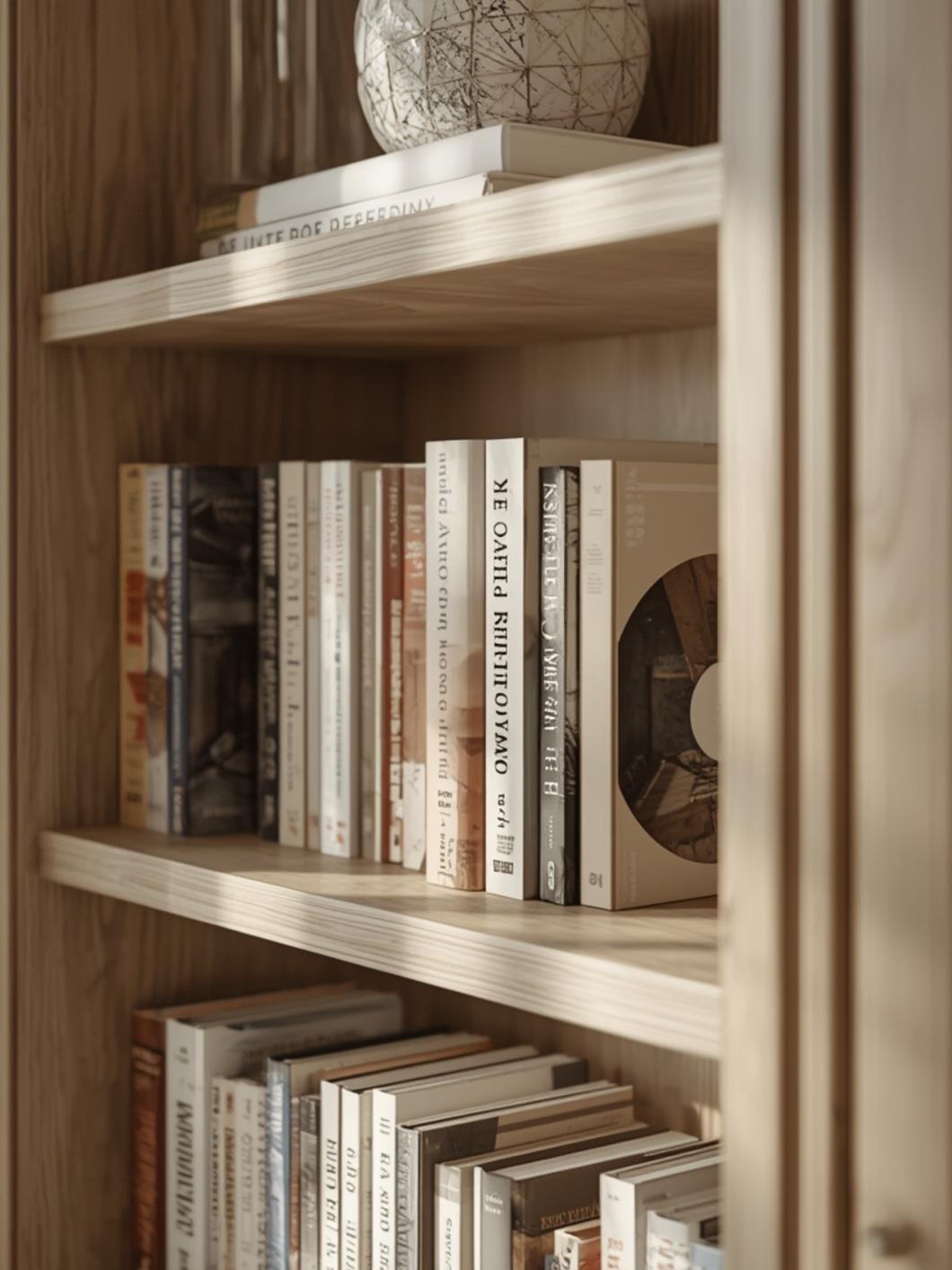
The wonderful thing about bookshelf styling is that it’s never truly finished. Your display can evolve with the seasons, your mood, or new treasures you bring home.
Many homeowners refresh their bookshelf styling four times a year to match the seasons. Spring might bring pastel book covers to the front, light floral arrangements, and airy white ceramics. Summer could showcase bright colors, beach finds, and photographs from vacations. Fall invites warm amber tones, small pumpkins, and cozy candles. Winter allows for metallic accents, evergreen sprigs, and family photos from the holidays.
You don’t need to wait for a specific season to style your shelves, though. Any weekend when you’re feeling creative works perfectly. The project typically takes two to three hours if you’re starting from scratch, or just 30 minutes for a quick seasonal refresh.
Consider the natural light your bookshelf receives throughout the day. Morning sun might fade book covers on east-facing shelves, so you’ll want to rotate books periodically. Evening light can make metallic objects glow beautifully, which influences where you place brass candlesticks or gold-framed photos.
Think about the room’s purpose too. A bookshelf in your home office might lean more functional with reference books and organizational systems, while your living room bookshelf can be more decorative and conversation-starting.
7 Ideas to Try in Your Home
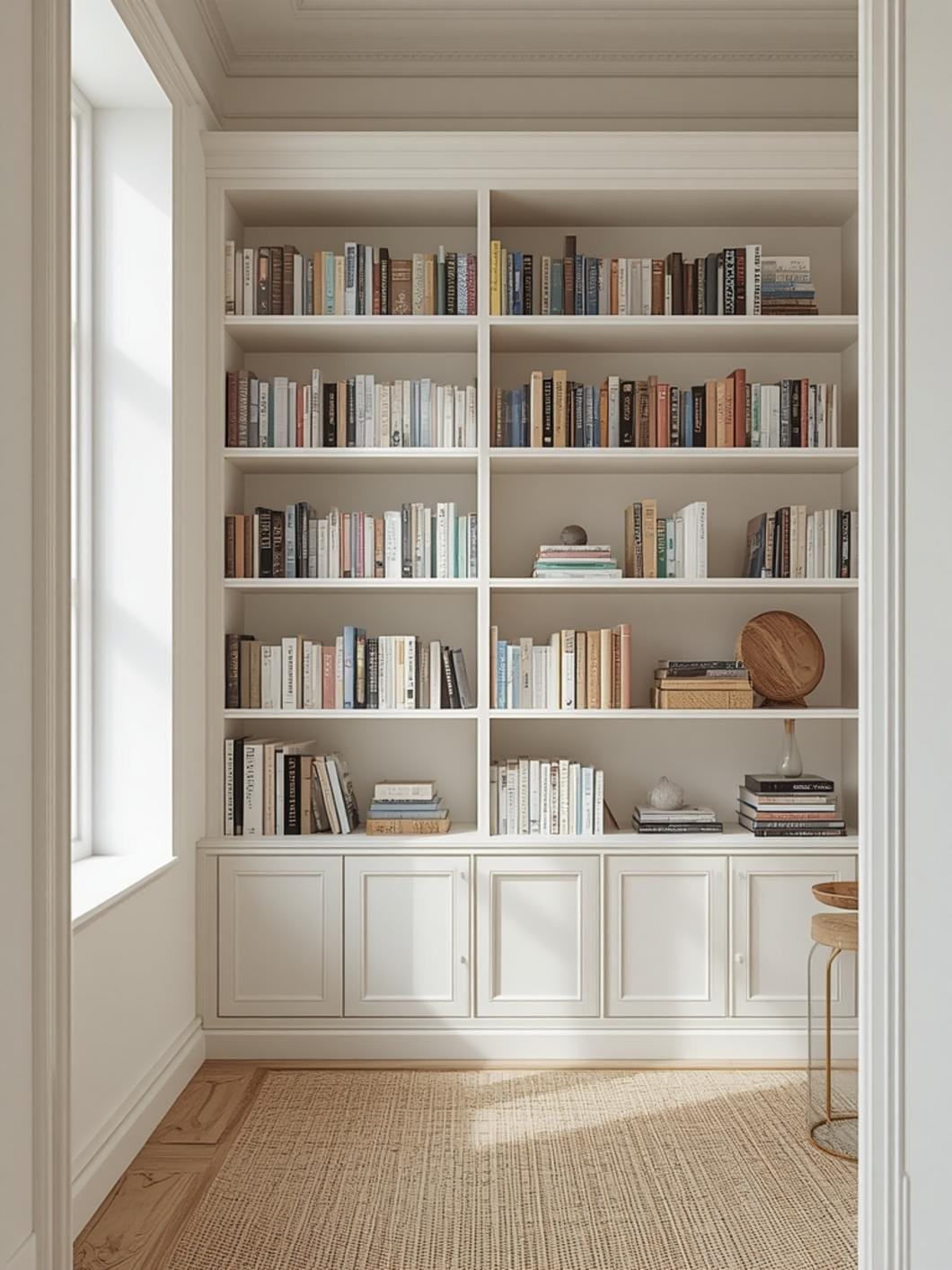
Create a Rainbow Effect with Your Books
One of the most visually striking approaches is how to arrange books by color on shelves, creating a gradient that flows from one hue to the next. Start by pulling all your books off the shelves and sorting them into color piles. Arrange them on your shelves in rainbow order — red, orange, yellow, green, blue, purple — or reverse the rainbow for a different feel.
This method works especially well on large bookcases where the color flow becomes a dramatic design element. You can dedicate one shelf to each color family, or let the rainbow flow across multiple shelves. The result photographs beautifully and becomes an instant conversation piece when guests visit.
The Rule of Three for Object Groupings
Professional stylists often group decorative objects in sets of three because odd numbers create visual harmony. On one shelf, you might place three candlesticks in varying heights. On another, group three small vases or three framed photos of different sizes.
The objects don’t need to match — in fact, they shouldn’t. The rule of three works because it creates a collected-over-time look rather than a bought-all-at-once appearance. Vary the heights, shapes, and textures within each grouping for maximum impact.
Stack Books Horizontally for Dimension
Rather than shelving every book spine-out in neat vertical rows, create visual variety by stacking some books horizontally. These flat stacks serve multiple purposes — they break up the vertical lines, create surfaces for displaying small objects on top, and draw the eye across the shelf rather than just up and down.
Place your prettiest or largest books in these horizontal stacks. A stack of three to five books works well, topped with a small plant, a decorative box, or a framed photo. This layering technique adds depth and makes your shelves feel more curated.
Leave Strategic Empty Space
New decorators often try to fill every inch of shelf space, but negative space is actually your friend. Empty areas give your eye a place to rest and make the objects you do display feel more important.
Aim to leave about 20 to 30 percent of your shelf space open. This breathing room prevents your bookshelf from looking cluttered or overwhelming. It also makes it easier to grab books when you want to read them, since they’re not crammed tightly together.
Create Symmetry on Either Side of a Center Point
For a more formal, balanced look, treat the center of your bookshelf as an anchor point. Place your most striking object — perhaps a large piece of art, a mirror, or an architectural element — in the middle, then mirror your arrangement on either side.
This doesn’t mean everything needs to match exactly. Instead, balance the visual weight. If you have a tall vase on the left side of the center point, place something of similar height and presence on the right — perhaps a stack of books topped with a sculpture.
Mix Open Shelves with Closed Storage
Not everything in your life is display-worthy, and that’s okay. If your bookshelf has cabinet doors or drawers on some sections, use them strategically. Store everyday clutter, paperwork, or utilitarian items behind closed doors, while keeping your styled objects and favorite books on the open shelves.
For bookcases without built-in cabinets, decorative boxes and baskets serve the same purpose. They add texture and hide necessary items while maintaining the overall aesthetic you’re creating.
Layer Items Front to Back
Professional stylists create depth by layering objects from front to back on each shelf. Lean a piece of framed art against the back wall, place a medium-sized object in front of it, and perhaps a small item at the very front edge of the shelf.
This technique works especially well with artwork and photos. Rather than hanging every frame on the wall, lean several against the back of your shelves at varying heights. Layer smaller framed photos or decorative objects in front of them for a collected, gallery-like feel.
Benefits of a Well-Styled Bookshelf
Beyond the obvious visual appeal, a thoughtfully decorated bookshelf changes how you experience your home every single day. You’ll find yourself naturally drawn to rooms with styled shelves, choosing to read or relax in spaces that feel intentionally designed.
Guests notice styled shelves immediately. Your bookshelf becomes a reflection of your interests, travels, and personality — it tells your story without you saying a word. Friends will ask about the objects you display, leading to conversations about the trip where you found that ceramic bowl or the artist who made that sculpture.
A styled bookshelf actually makes your home easier to keep tidy. When everything has a designated place and looks intentional, you’re less likely to let random clutter accumulate on those shelves. The organizational aspect helps maintain the beauty you’ve created.
For rooms that feel incomplete or lack a focal point, a styled bookshelf instantly grounds the space. It adds color, texture, and visual interest to walls that might otherwise feel bare. This is especially valuable in rental homes where you can’t paint or make permanent changes.
The process of styling your shelves can also be surprisingly therapeutic. It gives you a chance to handle treasured objects, reminisce about where they came from, and make creative decisions in a low-stakes environment. Unlike renovating a room, you can always rearrange if you don’t love your first attempt.
Tips, Alternatives, and Styling Advice
Budget-Friendly Approach
Shop your own home first before buying anything new. You’d be surprised how many suitable objects you already own once you start looking with fresh eyes. Vases from your kitchen cabinet, books from your bedroom, photos from your desk drawer — gather everything in one place and see what you have.
Thrift stores and library book sales offer incredibly affordable books with beautiful spines and covers. You can build an impressive color-coordinated collection for just a few dollars. Look for hardcover books published before 1990 — they often have more visually interesting covers than modern paperbacks.
Free or low-cost natural elements make stunning filler. Collect interesting branches, pinecones, or stones during walks. Propagate plants from cuttings of what you already grow. Print family photos at home rather than paying for professional framing.
Mid-Range Investment
Quality storage baskets and decorative boxes elevate your look significantly. Choose neutral materials like seagrass, linen, or whitewashed wood that work with multiple styles. These pieces serve double duty — storing clutter while adding texture.
Invest in a few statement objects that truly reflect your style. One beautiful ceramic vase, one interesting sculpture, or one piece of original art makes more impact than several mediocre items. Visit local craft fairs or artisan shops to find unique pieces you won’t see in every other home.
Consider professional framing for your most cherished photos or artwork. The right frame transforms something ordinary into a focal point worth displaying.
Premium Options
First-edition books or vintage leather-bound collections add instant sophistication to your shelves. While expensive, they’re investment pieces that appreciate in value over time. Look for subjects that genuinely interest you rather than buying books purely for their appearance.
Custom bookshelf lighting transforms your display into evening drama. LED strip lights hidden along the top of each shelf wash downward, highlighting your objects and creating ambiance. Battery-operated puck lights behind layered frames add depth without requiring any electrical work.
Commission custom objects from local artists. A handmade ceramic piece, a unique metal sculpture, or a one-of-a-kind wooden bowl becomes a conversation piece that no one else owns.
Small Space Adaptation
If you’re working with just one or two small shelves rather than a full bookcase, apply these same principles on a smaller scale. Choose your absolute favorite books and objects rather than trying to include everything you own.
Vertical space matters even more in small areas. Use your tallest objects to draw the eye upward, making your room feel larger. A single tall vase with branches or a vertically-oriented piece of art creates height.
In tight quarters, avoid anything too busy or patterned. Stick with a limited color palette — perhaps just three colors plus white — to keep your small shelf from feeling chaotic.
Common Mistakes to Avoid
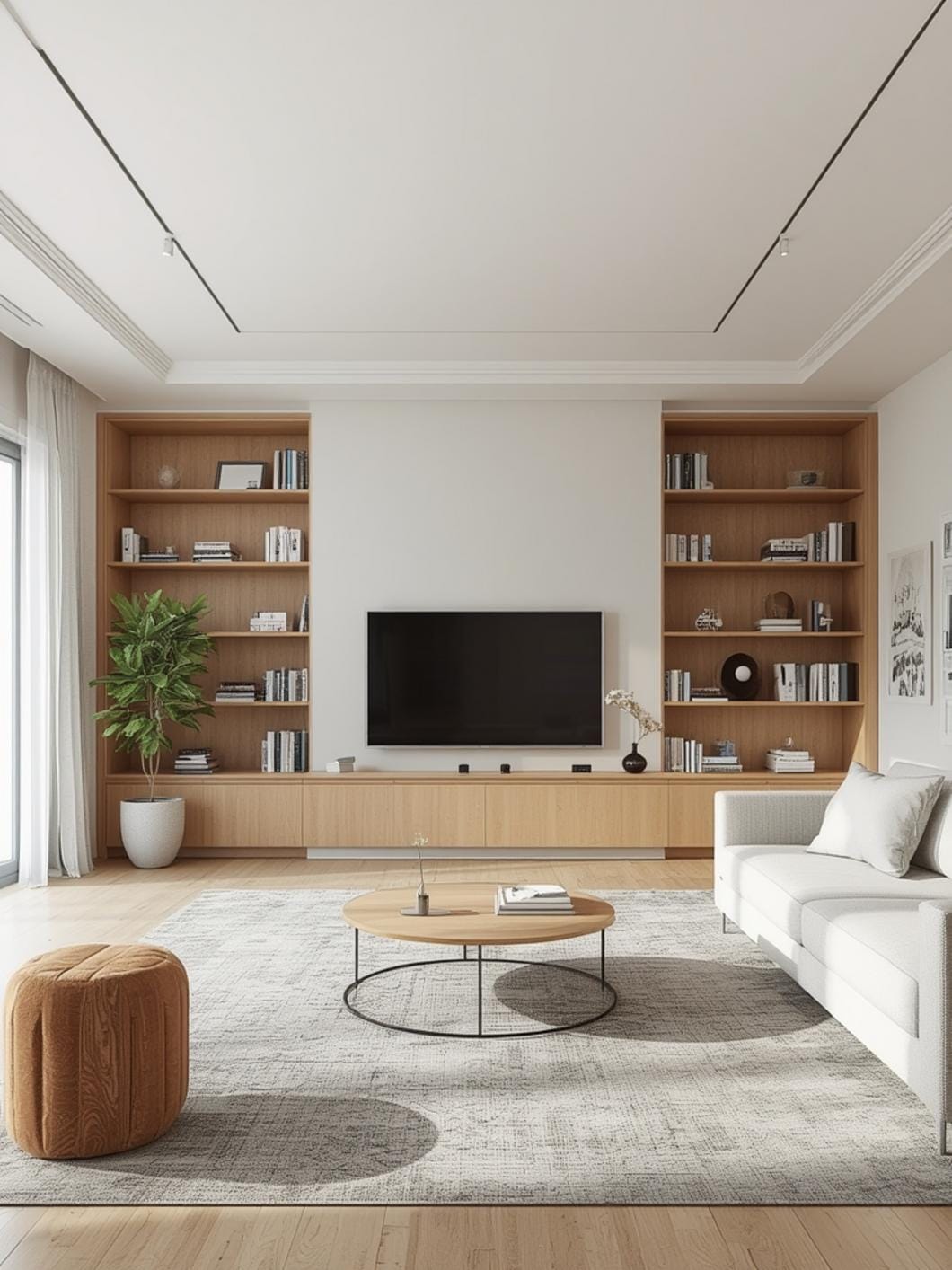
Pushing Everything to the Back Wall
Many people arrange books and objects flush against the back of each shelf, leaving the front edges completely bare. This creates a flat, one-dimensional look. Instead, vary the depth of your items, bringing some forward to the front edge of the shelf while others sit further back.
Using Only One Type of Object
A bookshelf filled exclusively with books, no matter how nicely arranged, lacks visual variety. The same goes for shelves with only photos or only decorative objects. Mix different types of items — books with art, plants with ceramics, photos with books — to create layers of interest.
Matching Everything Too Perfectly
When every object matches in color, style, or size, your bookshelf looks more like a store display than a personal collection. Embrace some variety and imperfection. The most inviting shelves look like they’ve been curated over time, not purchased in one shopping trip.
Ignoring Scale and Proportion
Placing only tiny objects on a large bookshelf makes them disappear, while cramming huge items onto small shelves creates overcrowding. Make sure your objects are appropriately sized for your shelf dimensions. Larger shelves can handle bigger statement pieces, while narrow shelves need more delicate items.
Forgetting About Books Entirely
In the rush to create a styled look, some people remove most or all of their books, replacing them with purely decorative items. Remember, it’s a bookshelf. Books should remain a significant part of your display, typically occupying 50 to 70 percent of your shelf space.
Keeping Your Styled Shelves Fresh
A styled bookshelf isn’t a set-it-and-forget-it project. Plan to spend about 15 minutes every month or two dusting and adjusting your display. Natural settling happens — books lean, objects shift, and dust accumulates.
Use a soft microfiber cloth for dusting rather than sprays that might damage book covers or leave residue on decorative objects. Start from the top shelf and work your way down, removing items one at a time to dust thoroughly behind them.
Rotate your display seasonally or whenever you acquire new objects you want to showcase. Store items you’re not currently displaying in labeled bins so you can easily swap them in later. This rotation keeps your space feeling fresh and lets you enjoy more of your collection throughout the year.
Watch for sun damage, especially on shelves near windows. Book covers fade, photos yellow, and certain materials become brittle with prolonged sun exposure. If you notice fading, rotate those items to a less sunny spot or add a sheer curtain to filter the light.
Live plants on your bookshelf need regular attention. Water them away from your books and decorative objects to avoid damage. Remove any dead leaves promptly and trim back growth that becomes too wild or blocks the view of other items.
Check that your heavier objects remain stable, especially if you have children or pets who might brush against the bookshelf. Adhesive museum putty under decorative items prevents tipping without leaving marks on your shelves.
Creating Your Personal Library Display
Your bookshelf is more than just storage — it’s a three-dimensional expression of who you are and what you love. The time you invest in styling it thoughtfully pays dividends every time you walk into the room and feel that spark of satisfaction from seeing a space that looks exactly right.
Start with one shelf if the whole project feels overwhelming. Perfect that single shelf, then move to the next. There’s no deadline, and you can adjust as many times as you like until it feels just right.
For more inspiration on creating cohesive, beautiful rooms throughout your home, explore the design ideas and styling tips here at DecorKingdom. Your perfectly styled space is closer than you think.
FAQs
How many books should I have on each shelf?
Aim for books to fill about 60 to 70 percent of each shelf, leaving room for decorative objects and breathing space. The exact number depends on your shelf size and book thickness, but avoid packing books so tightly that you can’t easily remove one. Three to five groupings of books per shelf, separated by decorative objects, creates good balance.
Should all my books face the same direction?
Most books should be shelved spine-out so you can read their titles, but you can turn some books spine-in to show their pages instead. This works particularly well with older books that have pretty page edges or when you want to create a neutral backdrop for colorful objects. Mix about 80 percent spine-out with 20 percent spine-in for visual interest.
What if I don’t have enough books to fill my bookshelf?
You don’t need to fill every inch with books — in fact, too many books can make your shelf feel heavy and cluttered. Use more decorative objects, plants, and artwork to fill the space instead. Stack decorative boxes or baskets to add height and texture while providing hidden storage for items you want to keep handy but not display.
How do I style a bookshelf without it looking too cluttered?
The key is negative space and proper grouping. Leave at least 20 percent of your shelf space empty, group similar items in threes rather than spreading them out, and limit your color palette to three main colors plus neutrals. Step back every few minutes while styling to view your shelves from across the room, which helps you spot areas that feel too busy.
Can I mix different furniture styles on my bookshelf display?
Absolutely — in fact, mixing styles creates the collected-over-time look that makes styled shelves so appealing. A vintage brass candlestick next to a modern ceramic vase next to a rustic wooden box tells a story about your evolving taste. The key is choosing items you genuinely love rather than forcing a specific style, and using color or material as a thread that ties diverse pieces together.
—
Meta Title: Decorating a Bookshelf Ideas That Transform Your Space 2026
Meta Description: Turn boring shelves into stunning displays with these decorating a bookshelf ideas. Simple styling tips for a curated look you’ll love.