7 Farmhouse Accent Wall Ideas That Feel Cozy, Not Dated
You walk into your living room and something feels off. The space is functional, the furniture is fine, but it lacks that cozy, collected-over-time charm you see in magazines. You’re craving a room that feels like home the moment you step inside.
An accent wall might be exactly what your space needs. Farmhouse accent wall ideas bring warmth, texture, and personality without requiring a complete room overhaul. Whether you’re drawn to weathered wood, soft neutrals, or subtle pattern, the right accent wall creates an instant focal point.
The best part? Most of these projects are surprisingly doable for regular homeowners. You don’t need special skills or a huge budget to create something beautiful.
Table of Contents
What You’ll Need to Get the Look
The materials you choose will depend on which farmhouse style speaks to you. Here’s what you might need for different approaches:
For a painted shiplap look:
– Shiplap boards or MDF planks
– Primer and paint in your chosen color
– Level and measuring tape
– Finishing nails or construction adhesive
– Wood filler and caulk
– Quality brushes or rollers
For a reclaimed wood wall:
– Reclaimed wood planks or barn wood panels
– Sandpaper in various grits
– Wood stain or whitewash (optional)
– Miter saw or hand saw
– Stud finder
For a board and batten wall:
– 1×4 or 1×6 boards for vertical battens
– Flat panel boards for the background
– Paint in classic white or soft gray
– Nail gun or hammer and finishing nails
– Spacers for even placement
For a stenciled or hand-painted design:
– Farmhouse-style stencils
– High-quality paint in 2-3 coordinating colors
– Painter’s tape
– Small foam rollers and detail brushes
– Drop cloths
Don’t forget the finishing touches like picture frame molding, decorative brackets, or floating shelves to enhance your completed wall.
Finding Your Style and Season
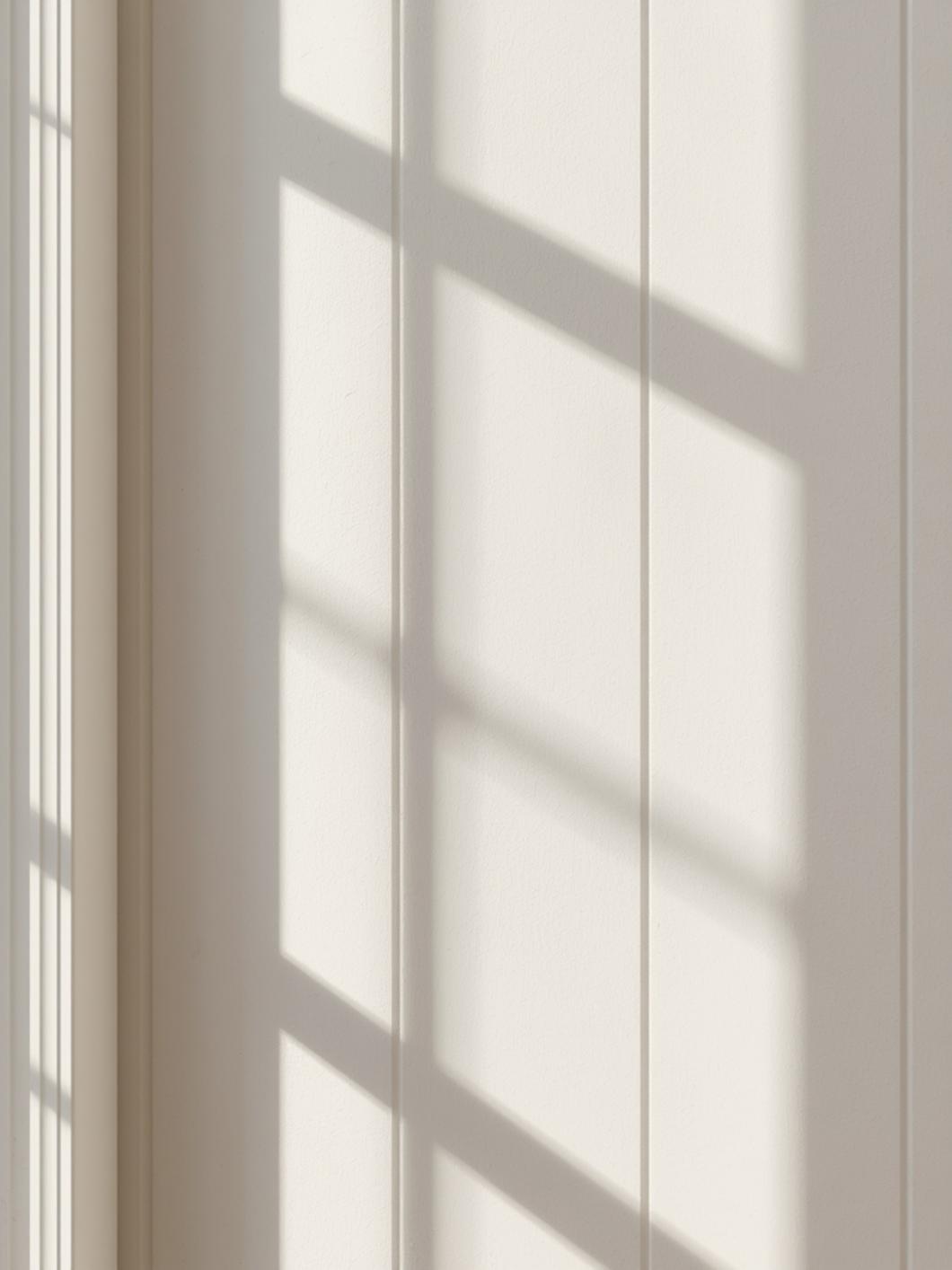
Your accent wall should reflect both your personal style and how you use the space throughout the year. Think about the mood you want to create before you commit to materials or colors.
Spring and summer call for lighter, airier farmhouse looks. Consider soft whites, pale grays, or even a subtle sage green. These colors make rooms feel fresh and spacious, perfect for when natural light floods your home.
Fall and winter invite richer textures and warmer tones. Natural wood tones, deeper grays, or even a charcoal accent wall create cozy gathering spaces. The texture becomes even more important during these months when you want your home to feel like a retreat.
Consider the room’s purpose too. A bedroom accent wall behind your bed should feel calming and restful. A living room wall can handle more visual interest since it’s your gathering space. Dining rooms often shine with more dramatic treatments since you experience them during special occasions.
The existing light in your room matters enormously. Rooms with limited natural light benefit from lighter treatments that reflect available light. Sun-filled spaces can embrace darker, moodier tones without feeling cave-like.
7 Ideas to Try in Your Home
Classic White Shiplap
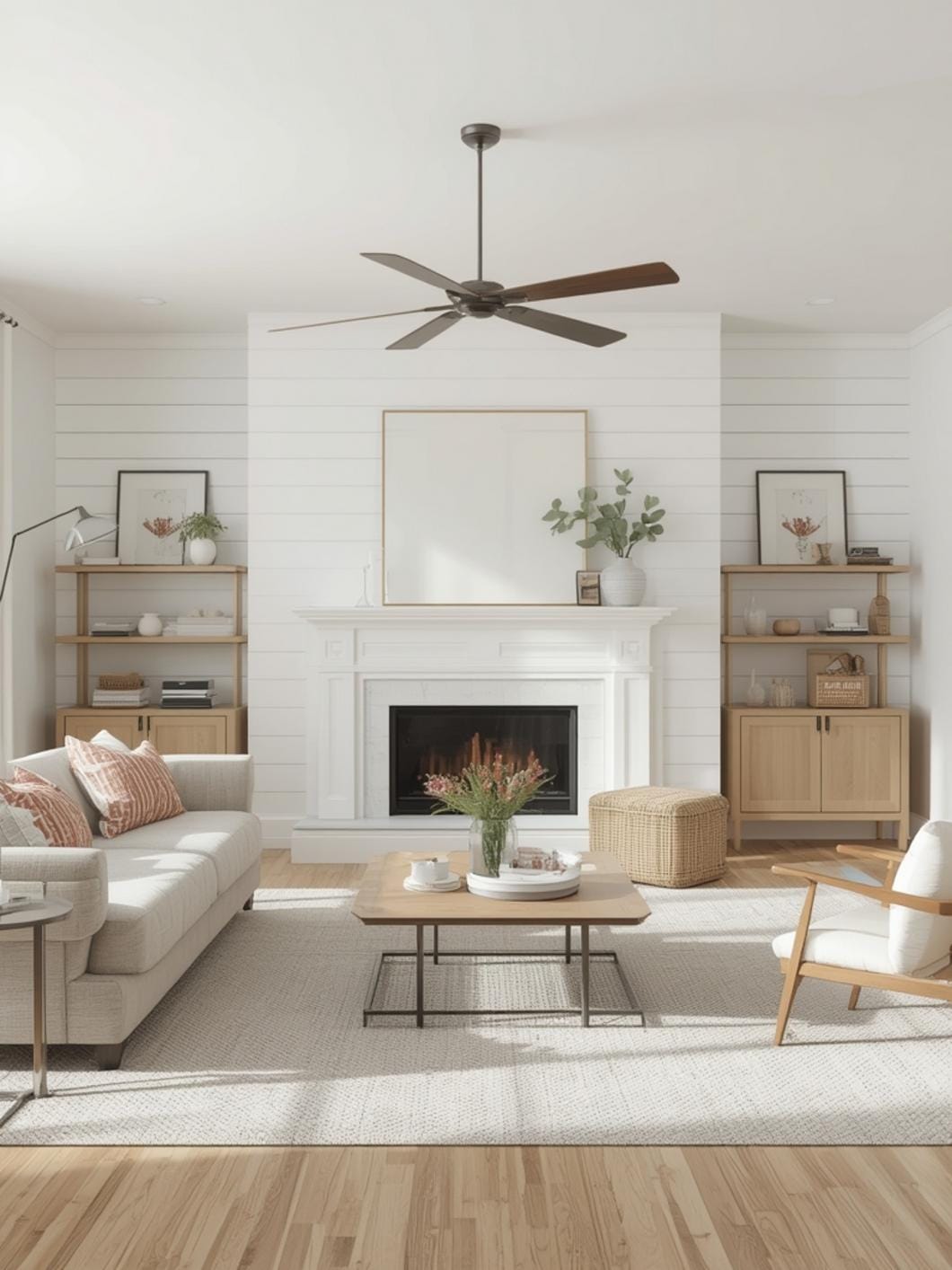
This timeless option never goes out of style. Horizontal white shiplap boards create subtle texture while keeping your space bright and airy. The shadow lines between boards add dimension without overwhelming your room. Pair it with natural wood furniture and vintage finds for authentic farmhouse appeal.
Weathered Wood Planks
Install reclaimed wood planks in varying widths for an authentic barn wall feel. The natural aging, nail holes, and color variations tell a story. This works beautifully behind a bed or as a fireplace surround. The texture and warmth of real wood create instant coziness.
Painted Board and Batten
Vertical boards spaced evenly across your wall add architectural interest and make ceilings appear higher. Paint everything in classic white for traditional farmhouse charm, or choose a soft gray for a modern twist. This treatment works especially well in dining rooms and entryways.
Horizontal Plank Wall with Mixed Finishes
How to paint a shiplap accent wall with varying paint finishes creates subtle visual interest. Use the same color in matte, satin, and semi-gloss to create dimensional stripes. The light catches each finish differently throughout the day, adding movement to your wall.
Start by installing your shiplap or planks level and secure. Prime everything thoroughly before painting. Choose which boards get which finish, then paint from top to bottom using your different sheens. This technique adds sophistication without busy patterns.
Stenciled Farmhouse Patterns
A large-scale stencil pattern in soft colors creates an accent wall with personality. Think oversized florals, geometric medallions, or repeating farm motifs. Use a light hand with your paint to keep it subtle rather than bold. This approach gives you maximum impact with minimal material cost.
Shiplap with Picture Frame Molding
Combine horizontal shiplap with picture frame molding for layered architectural detail. Install your shiplap first, then add thin molding to create rectangle sections. Paint everything the same color for a monochromatic, elegant look. This treatment elevates a simple shiplap wall into something more refined.
Natural Wood with Metal Accents
Install horizontal wood planks left in their natural finish, then add industrial metal brackets, pipe shelving, or vintage metal signs. The combination of warm wood and cool metal hits that perfect modern farmhouse balance. This works wonderfully in home offices, mudrooms, or kitchens.
Whitewashed Brick or Faux Brick
If you have existing brick, a light whitewash preserves texture while brightening the space. For walls without brick, faux brick panels or painted brick patterns create similar character. Add open shelving and farmhouse decor to complete the look.
Benefits / Advantages
An accent wall transforms your space emotionally in ways that regular paint simply can’t match. You create a focal point that draws the eye and gives your room purpose. Every time you enter, you feel the difference.
The texture and dimension of a farmhouse accent wall make your space feel more collected and intentional. Instead of four flat walls, you have layers and interest. This depth makes even new builds feel like they have history.
Your furniture and decor suddenly have context. That vintage mirror or family heirloom looks purposeful against a textured wall rather than random against flat paint. Everything comes together visually.
These walls increase your home’s perceived value too. Buyers notice distinctive architectural features, even simple ones. A well-executed accent wall suggests attention to detail throughout the home.
The practical benefits matter just as much. Accent walls are more budget-friendly than treating an entire room. You get maximum visual impact while using fewer materials and less time. Most projects finish in a weekend.
Tips, Alternatives, Styling Advice
Budget-Friendly Approach
Paint creates a farmhouse accent wall for under $100. Use painter’s tape to create a board and batten effect with paint only. Add a chair rail or picture frame molding from the home improvement store for dimension. Choose warm white or soft gray for classic farmhouse appeal.
Mid-Range Option
Install real shiplap or tongue-and-groove boards for authentic texture. This typically costs $200-500 depending on your wall size and wood choice. Paint or stain as desired. Add floating shelves or simple brackets for styling. This investment gives you texture you can feel and see.
Premium Treatment
Invest in genuine reclaimed barn wood or hire a finish carpenter to install custom board and batten with detailed trim work. Budget $800-1500 for materials and professional installation. The craftsmanship and authentic materials create a truly distinctive feature wall that becomes a conversation piece.
Small Space Adaptation
Half-height accent walls work beautifully in small rooms. Install your chosen treatment from floor to chair rail height only. Paint the upper wall a coordinating light color. This adds farmhouse character without overwhelming limited square footage. It’s perfect for powder rooms, small bedrooms, or narrow hallways.
Consider vertical treatments in rooms with low ceilings. Vertical boards draw the eye upward, making your ceiling appear higher. This trick makes small spaces feel more open and airy.
Common Mistakes to Avoid
Choosing the Wrong Wall
Many homeowners accent the first wall they see when entering a room, but this isn’t always the best choice. Instead, accent the wall your eye naturally travels to when you’re sitting in the space, typically the wall behind your bed, sofa, or fireplace.
Ignoring the Room’s Proportions
A heavily textured dark wall makes small rooms feel cramped and closed in. Choose lighter colors and simpler treatments in compact spaces, saving dramatic dark walls for larger rooms with plenty of natural light.
Forgetting to Prep Your Wall Surface
Installing boards or panels over damaged drywall shows every imperfection through your finished wall. Repair holes, sand bumps, and prime properly before starting your project for professional-looking results.
Mixing Too Many Farmhouse Elements
An accent wall plus exposed beams plus shiplap ceiling plus barn doors becomes farmhouse overload. Let your accent wall be the star and keep other elements simpler for a collected rather than themed look.
Using Inconsistent Spacing
Uneven gaps between boards or battens look amateur and distracting. Use spacers, mark your measurements carefully, and double-check level frequently as you work for crisp, professional lines.
Maintenance / Upkeep Tips
Your farmhouse accent wall needs minimal maintenance when properly sealed and finished. Dust regularly with a microfiber cloth or soft brush attachment on your vacuum. This prevents buildup in grooves and gaps between boards.
Clean painted walls with a damp cloth and mild soap solution. Avoid harsh chemicals that might dull your paint finish. For natural wood walls, use wood-specific cleaners and follow the grain to avoid scratching.
Check caulk lines annually where your accent wall meets the ceiling or adjacent walls. Temperature changes cause wood to expand and contract slightly. Touch up any gaps with paintable caulk to maintain clean lines.
Inspect for loose boards or nails every six months, especially if you installed the wall yourself. Tighten or replace any fasteners that have worked loose. This quick check prevents bigger problems down the road.
Consider repainting or re-staining every 5-7 years depending on wear. High-traffic areas or walls exposed to direct sunlight might need refreshing sooner. The good news is that repainting an accent wall takes just a few hours since you’re only treating one wall.
Final Thoughts
A farmhouse accent wall brings warmth, texture, and character to your space with less effort than you might expect. Whether you choose classic white shiplap, weathered wood planks, or painted board and batten, you’re creating a focal point that makes your house feel more like home.
Start with one wall and see how it transforms your entire room. You might be surprised how this single change affects the way you feel in your space.
Ready to explore more ways to bring farmhouse charm to your home? Browse more inspiration and practical guides here at DecorKingdom.
FAQs
What is the easiest farmhouse accent wall for beginners?
A painted board and batten wall is the most beginner-friendly option. You’re working with straight cuts, simple measurements, and basic painting skills. The vertical battens hide small imperfections, and you can complete most walls in a single weekend. Start in a smaller room like a bedroom or dining room to build your confidence.
How much does a DIY farmhouse accent wall typically cost?
Budget $150-600 depending on your wall size and chosen materials. A painted treatment costs least at $100-200, real shiplap runs $200-400, and reclaimed wood costs $400-600 or more. These estimates assume you’re doing the work yourself and shopping for materials at home improvement stores rather than specialty suppliers.
Can I install shiplap over existing textured walls?
Yes, but you’ll get better results if you first install thin plywood sheets over the texture to create a smooth base. This prevents the texture from showing through gaps between boards and makes installation easier. The extra step takes a few hours but significantly improves your finished look.
Which rooms work best for farmhouse accent walls?
Bedrooms, living rooms, and dining rooms showcase accent walls beautifully. The wall behind your bed, sofa, or dining table creates a natural focal point. Entryways and mudrooms also work well for farmhouse treatments. Avoid bathrooms unless you properly seal wood against moisture, and skip kitchens where grease might be an issue.
How do I choose between horizontal and vertical board placement?
Horizontal boards like shiplap make rooms feel wider and more relaxed, perfect for living spaces and bedrooms. Vertical boards like board and batten make ceilings appear higher and spaces feel more formal, ideal for dining rooms and entryways. Consider your room’s proportions and the mood you want to create when deciding.
—
Meta Title: Farmhouse Accent Wall Ideas That Transform Spaces 2026
Meta Description: Discover farmhouse accent wall ideas that add warmth and character. From shiplap to reclaimed wood, create a cozy focal point this weekend.