How to Choose a Ceiling Fan for Kids Room
Your child’s bedroom should be a cozy, safe space where they sleep soundly and play comfortably. But keeping that room at the right temperature year-round can be tricky, especially when the air gets stuffy in summer or circulation feels stale in winter.
A ceiling fan for kids room isn’t just about cooling the space. It’s about creating gentle air movement that helps your little one sleep better, reduces your reliance on air conditioning, and even adds a fun design element to the room. Whether you’re decorating a nursery or updating a tween’s space, the right ceiling fan makes a real difference in comfort and energy savings.
This guide walks you through everything you need to know, from sizing and safety to style and installation basics, so you can confidently choose a fan that works beautifully in your child’s room.
Table of Contents
Materials & Decor Elements
When shopping for a ceiling fan, you’ll want to consider both functional components and decorative touches that match your child’s room:
Essential Fan Components:
– Motor housing (the main body of the fan)
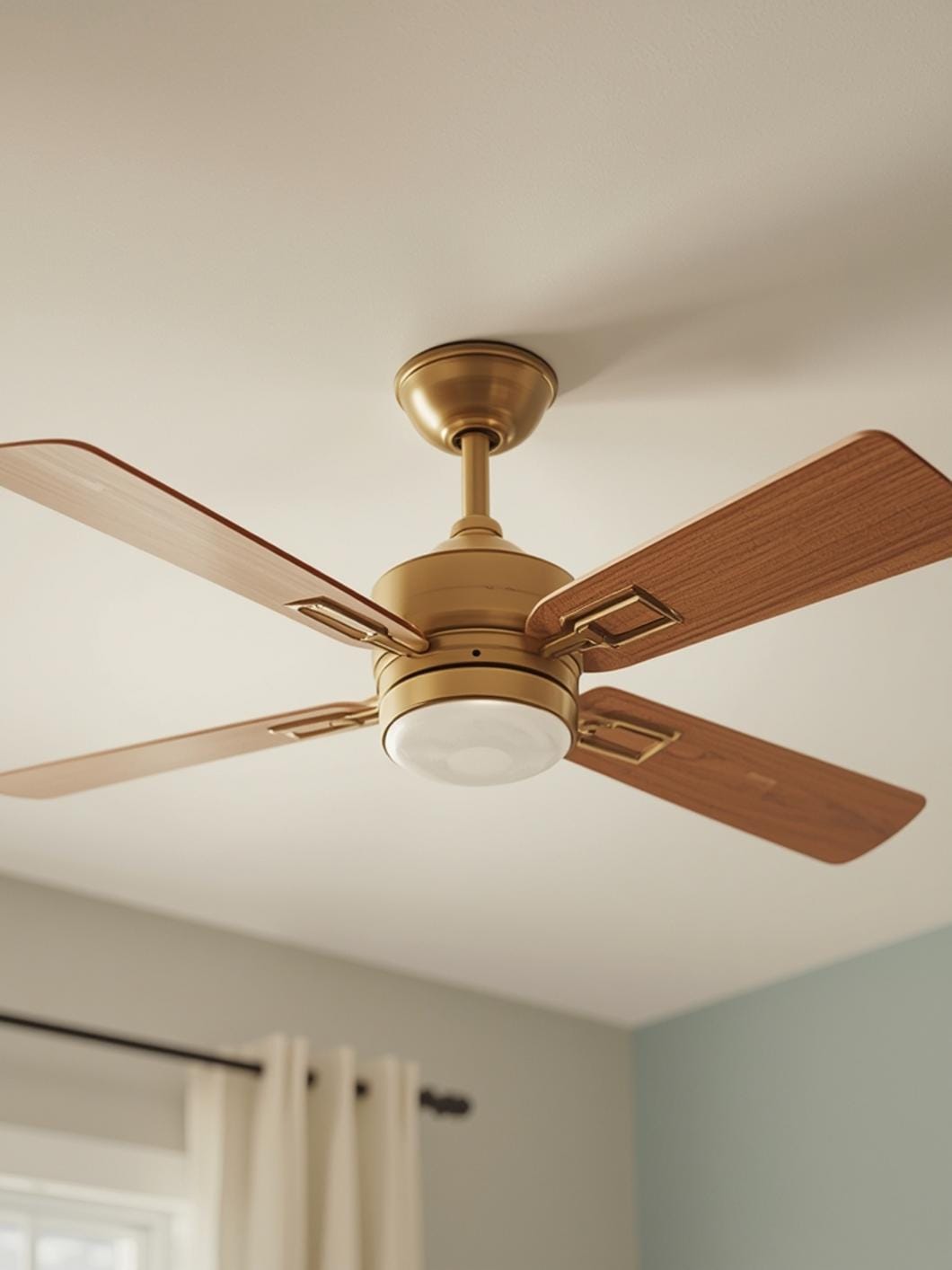
– Blades (typically 3 to 5, made from wood, metal, or composite materials)
– Downrod or flush mount hardware (depends on your ceiling height)
– Light kit or globe fixture (optional but practical for bedrooms)
– Pull chains or remote control system
– Ceiling mounting bracket and screws
Safety Features to Look For:
– Wobble-free blade balance
– Enclosed blade design for younger children
– Secure mounting hardware rated for your ceiling type
– UL-listed electrical components
Decorative Options:
– Themed blade designs (sports, animals, clouds, stars)
– Colorful motor housings (pastels, primary colors, or neutrals)
– Character-inspired light fixtures
– Reversible blade finishes for easy style updates
Keep the room’s existing color scheme and theme in mind. A fan should complement the curtains, bedding, and wall colors without overwhelming the space.
Timing / Project Planning
The best time to install or replace a ceiling fan is during mild weather when you’re not heavily relying on heating or cooling. Spring and fall offer comfortable conditions for working indoors without rush.
Budget expectations vary widely based on fan quality and features. A basic child-friendly ceiling fan typically costs between $80 and $150, while models with lights, remote controls, or special designs range from $150 to $350. Premium options with advanced features can exceed $400.
If you’re hiring someone to install the fan, expect to pay an additional $100 to $200 for labor, depending on your location and ceiling complexity. Most professional installations take one to two hours.
Consider timing the purchase around your child’s room makeover or before a season change when temperature control becomes more important. Installing before summer means immediate comfort benefits, while a fall installation prepares you for better winter air circulation.
Step-by-Step Instructions
Step 1: Measure Your Room Properly
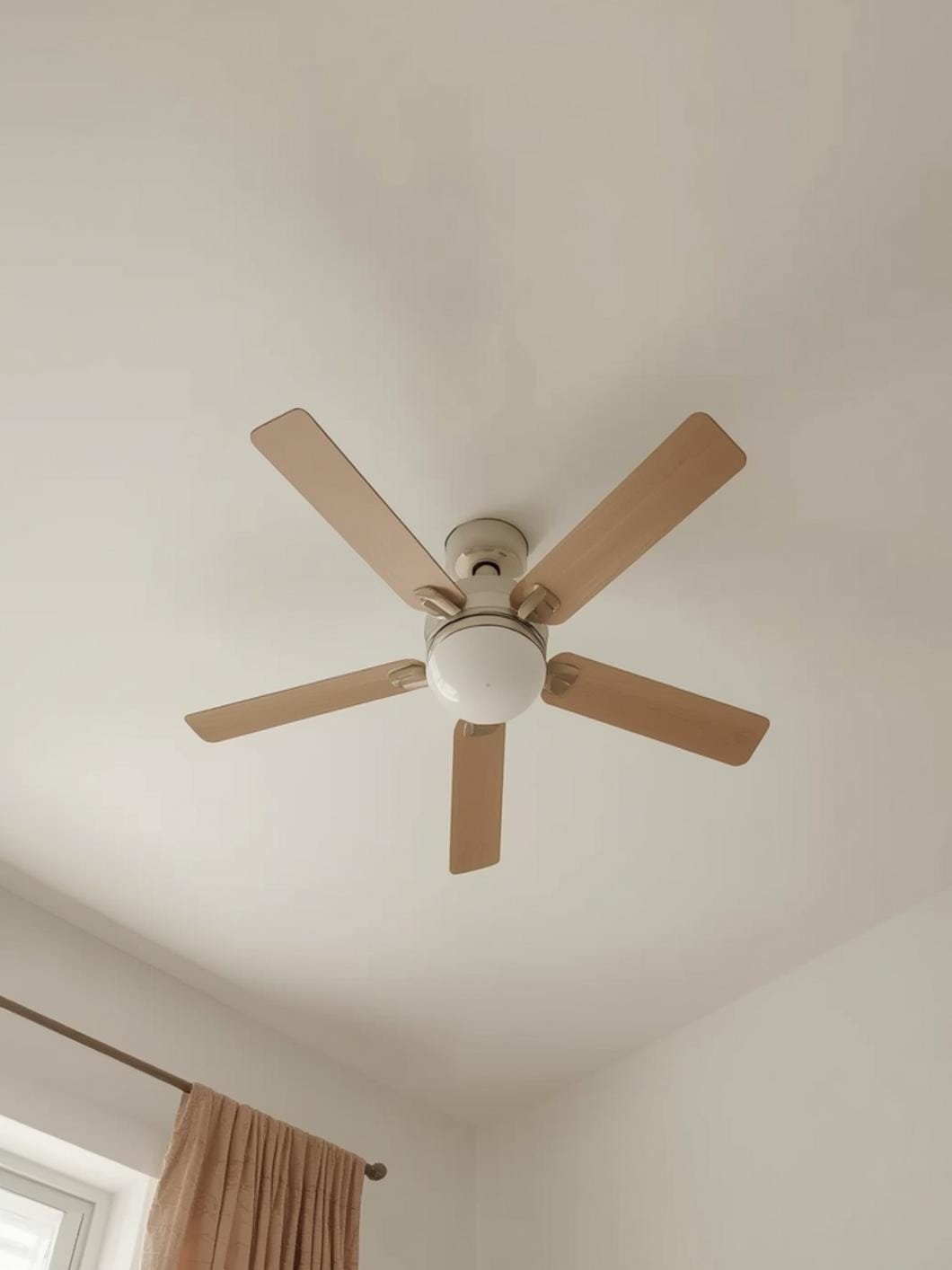
Room size determines fan size more than any other factor. Grab a tape measure and calculate your room’s square footage (length times width). This measurement guides everything else.
For rooms up to 75 square feet, choose a fan with blades 29 to 36 inches in diameter. Rooms between 76 and 144 square feet need 36 to 42-inch fans. Spaces from 144 to 225 square feet work best with 44-inch fans, while anything larger requires 50 to 54-inch models.
Step 2: Understand How to Choose the Right Ceiling Fan Size for a Child’s Bedroom
How to choose the right ceiling fan size for a child’s bedroom depends on more than just floor space. Ceiling height plays an equally important role in both safety and performance.
Standard 8-foot ceilings work well with flush-mount or hugger fans that sit close to the ceiling. If your ceiling is 9 feet or higher, use a downrod to position the blades 8 to 9 feet above the floor and at least 10 to 12 inches below the ceiling. This positioning maximizes air circulation while keeping blades safely out of reach.
The fan blades should also sit at least 18 inches away from walls and furniture on all sides. In smaller rooms, this might mean choosing a slightly smaller fan diameter to maintain safe clearance.
Step 3: Choose Child-Safe Features
Safety comes first in any kid’s room. Look for fans with blade designs that minimize wobbling and feature secure mounting systems. Many manufacturers offer blade guards or caged designs specifically for children’s spaces.
Remote controls eliminate the need for pull chains that curious toddlers might grab. Wall-mounted control panels placed higher up also keep settings out of little hands while giving you easy access.
Step 4: Consider Noise Levels
A quiet fan matters tremendously in a bedroom. Check product reviews and specifications for noise ratings measured in decibels. Quality motors run nearly silent on low settings, while cheaper models often hum or rattle.
Test the fan at the store if possible, or buy from retailers with generous return policies. Your child needs peaceful sleep, and a noisy fan defeats the purpose.
Step 5: Pick a Style Your Child Loves
Involve your child in choosing the design if they’re old enough to have preferences. Fun blade patterns, colorful housings, or themed light fixtures make the fan feel like part of the room’s personality rather than just a functional appliance.
Younger children enjoy playful designs with animals, clouds, or geometric patterns. Older kids and tweens often prefer sleeker, more sophisticated styles that won’t feel babyish as they grow.
Step 6: Plan for Light Integration
Many ceiling fans include light kits, which can replace or supplement existing bedroom lighting. This combination saves ceiling space and provides adjustable lighting options for homework, reading, or nighttime comfort.
Choose warm-toned LED bulbs that create a cozy atmosphere. Dimmable lights give you flexibility for different activities and bedtime routines.
Step 7: Hire a Licensed Professional for Installation
Unless you have electrical experience, hire a qualified professional to install your ceiling fan. They’ll ensure the ceiling box is properly rated for fan weight, make secure electrical connections, and test all functions safely.
Proper installation prevents dangerous wobbling, electrical issues, and potential ceiling damage. The investment in professional installation provides peace of mind and protects your home.
Benefits / Advantages
A ceiling fan in your child’s bedroom delivers advantages that extend well beyond simple cooling. The gentle air movement creates consistent temperature throughout the room, eliminating hot spots near windows or cold corners away from vents.
Better air circulation improves sleep quality by preventing stuffiness and reducing allergens that settle when air stays stagnant. Many parents notice their children sleep more soundly with a fan running, even beyond the white noise benefit.
Energy savings add up significantly over time. Running a ceiling fan costs pennies per day compared to air conditioning, and using both together lets you raise the thermostat by several degrees while maintaining comfort. In winter, reversing the fan direction pushes warm air down from the ceiling, making your heating system more efficient.
Ceiling fans also provide year-round value in ways room-specific air conditioners cannot. They don’t require window installation, don’t block natural light, and work silently in the background without the mechanical noise of portable units.
The style element shouldn’t be underestimated either. A well-chosen fan becomes part of the room’s design story, adding visual interest to the ceiling while serving a practical purpose your family uses daily.
Tips, Alternatives, Styling Advice
Budget-Friendly Option ($80–$150):
Basic three-blade fans in neutral colors offer solid performance without fancy features. Look for models with reversible blades that show different colors on each side, giving you a quick style refresh without buying a new fan.
Mid-Range Option ($150–$300):
Fans in this range typically include integrated LED lights, remote controls, and more refined motor systems that run quieter. You’ll find better finish quality and more interesting blade designs that genuinely enhance room decor.
Premium Option ($300+):
High-end children’s ceiling fans feature advanced controls like smartphone connectivity, multiple speed settings, programmable timers, and superior energy efficiency. The motors run whisper-quiet, and the designs often come from recognized home decor brands.
Small Space Adaptation:
Rooms smaller than 75 square feet need compact fans, but that doesn’t mean sacrificing style. Mini ceiling fans with 24 to 29-inch blade spans work beautifully in nurseries and small bedrooms while providing adequate air movement for the space.
Styling Trick:
Paint the ceiling a soft color that complements the fan rather than standard white. A pale blue ceiling with a white fan creates a sky effect, while a light gray ceiling makes modern metallic fans pop visually.
Common Mistakes to Avoid
Choosing Based on Looks Alone
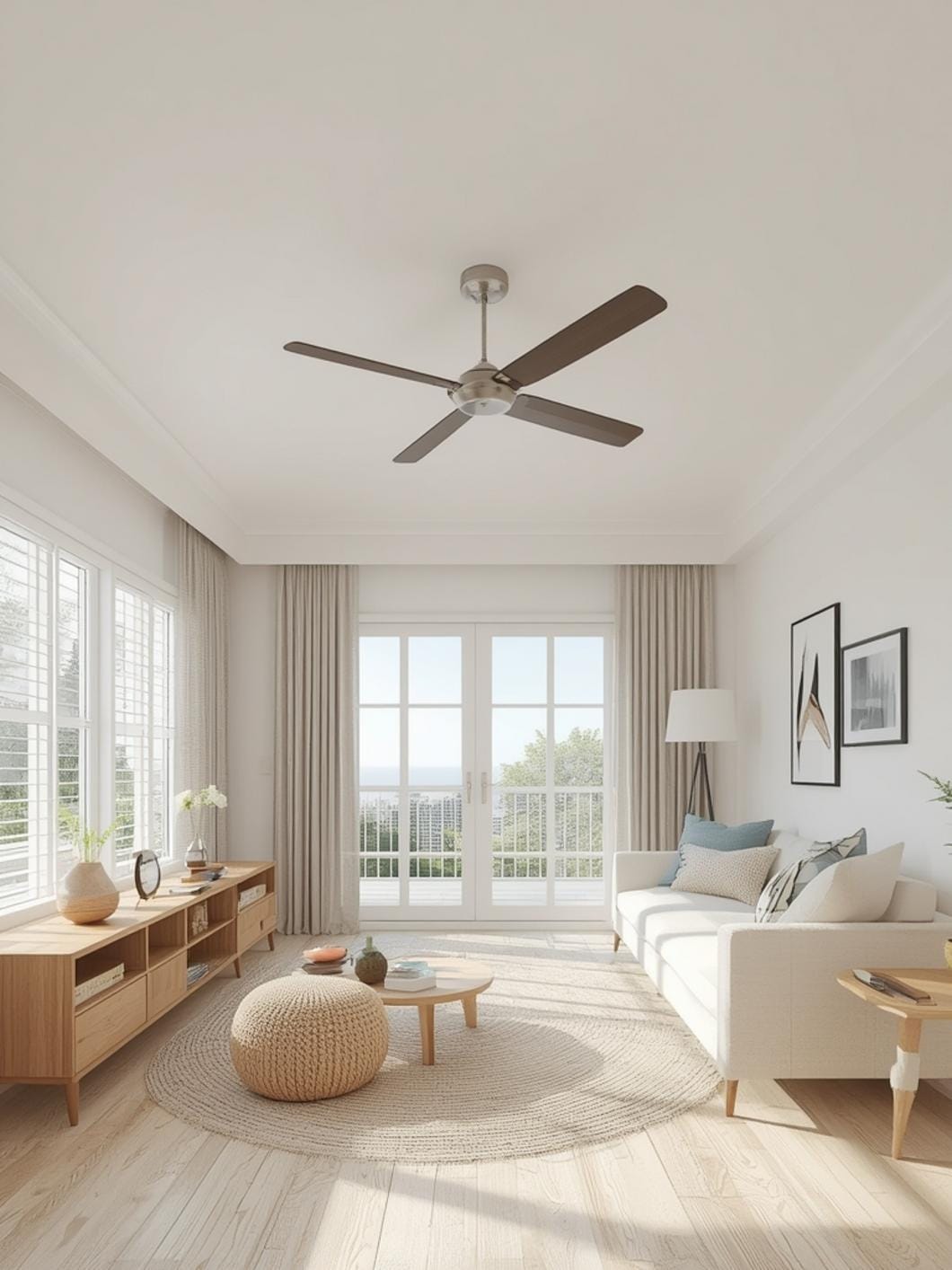
A dinosaur-themed fan might delight your five-year-old but feel childish by age eight. Select a design with elements you can easily update, like reversible blades or a neutral base with fun light fixtures you can swap later.
Ignoring Ceiling Height Requirements
Installing a fan too close to the ceiling or too low creates poor air circulation and potential safety hazards. Always follow manufacturer guidelines for proper mounting height based on your specific ceiling measurements.
Buying the Wrong Size for the Room
A fan that’s too small won’t circulate air effectively, while an oversized fan can overwhelm the space visually and create uncomfortably strong air movement. Stick to the sizing guidelines based on accurate room measurements.
Overlooking the Reverse Function
Many homeowners never use the reverse setting that makes ceiling fans valuable in winter. Make sure you understand how to change direction seasonally to push warm air down during cold months.
Skipping the Remote Control
Pull chains seem convenient until you’re reaching over furniture or waking a sleeping child to adjust settings. Remote controls or wall switches offer much better control and keep the fan’s functions parent-managed rather than a toy.
Maintenance / Upkeep Tips
Keep your ceiling fan running smoothly with simple monthly maintenance that takes just a few minutes. Dust the blades with a microfiber cloth or duster, wiping from the center outward to catch debris before it falls.
Every three months, check the blade screws and mounting bracket to ensure everything stays tight. Vibrations over time can loosen hardware, leading to wobbling or noise. A quick tightening prevents bigger issues.
Clean the motor housing and light fixtures with a slightly damp cloth every few months. Avoid harsh chemicals that might damage finishes or leave residue that attracts more dust.
If you notice wobbling, check that all blades are securely attached and haven’t warped. Sometimes switching blade positions can fix minor balance issues without needing professional help.
Replace light bulbs promptly when they burn out, and consider upgrading to LED bulbs if your fan didn’t come with them. LEDs last years longer and stay cooler, which matters in a child’s room.
Conclusion
Finding the right ceiling fan transforms your child’s bedroom into a more comfortable, energy-efficient space they’ll enjoy year-round. From proper sizing to safety features and style choices, each decision contributes to creating a room where your child sleeps better and plays happily.
Take measurements carefully, involve your child in design choices when appropriate, and invest in quality installation for long-lasting performance. The comfort and energy savings make this upgrade truly worthwhile.
Ready to explore more ways to create the perfect bedroom for your child? Browse more practical decorating guides and inspiration on DecorKingdom to bring your vision to life.
FAQs
What size ceiling fan do I need for a 10×10 kids bedroom?
For a 10×10 bedroom (100 square feet), choose a ceiling fan with blades between 36 and 42 inches in diameter. This size provides adequate air circulation without overwhelming the space. Make sure the fan sits at least 7 feet above the floor and maintains 18 inches of clearance from walls.
Are ceiling fans safe for nurseries and toddler rooms?
Yes, ceiling fans are safe for nurseries when properly installed at appropriate heights. Mount the fan so blades are at least 7 feet above the floor, well out of reach even when your child is standing on furniture. Choose models without pull chains that curious hands might grab, and consider fans with enclosed blade designs for extra peace of mind.
Should I get a ceiling fan with a light for my child’s bedroom?
A ceiling fan with an integrated light fixture makes excellent sense for most children’s bedrooms. It saves ceiling space, provides ambient lighting you can control separately from the fan, and eliminates the need for additional light fixtures. Choose dimmable options to adjust brightness for different activities and bedtime routines.
How often should I run the ceiling fan in my kid’s room?
You can safely run a ceiling fan continuously in your child’s room. Many families leave them on 24/7 during warm months for consistent air circulation and white noise that aids sleep. Modern fans are designed for constant operation and use minimal electricity. In winter, run the fan on low in reverse direction to circulate warm air without creating a cooling breeze.
Can I install a ceiling fan if there’s currently just a light fixture?
Most ceiling light fixtures can be replaced with ceiling fans, but the existing electrical box must be rated to support a fan’s weight and movement. Ceiling fans require a special fan-rated box that’s securely attached to ceiling joists. Have a licensed electrician inspect your current setup and upgrade the mounting box if needed before installing your new fan.
—
Meta Title: Ceiling Fan for Kids Room: 2026 Expert Buying Guide
Meta Description: Find the perfect ceiling fan for kids room with our sizing guide, safety tips, and style ideas. Create a comfortable, energy-efficient space your child loves.