How to Choose Plantation Shutters for Your Living Room
You walk into your living room and something feels off. The light’s too harsh in the afternoon. Your furniture looks great, but the windows feel bare — or worse, cluttered with outdated blinds that don’t match your style anymore.
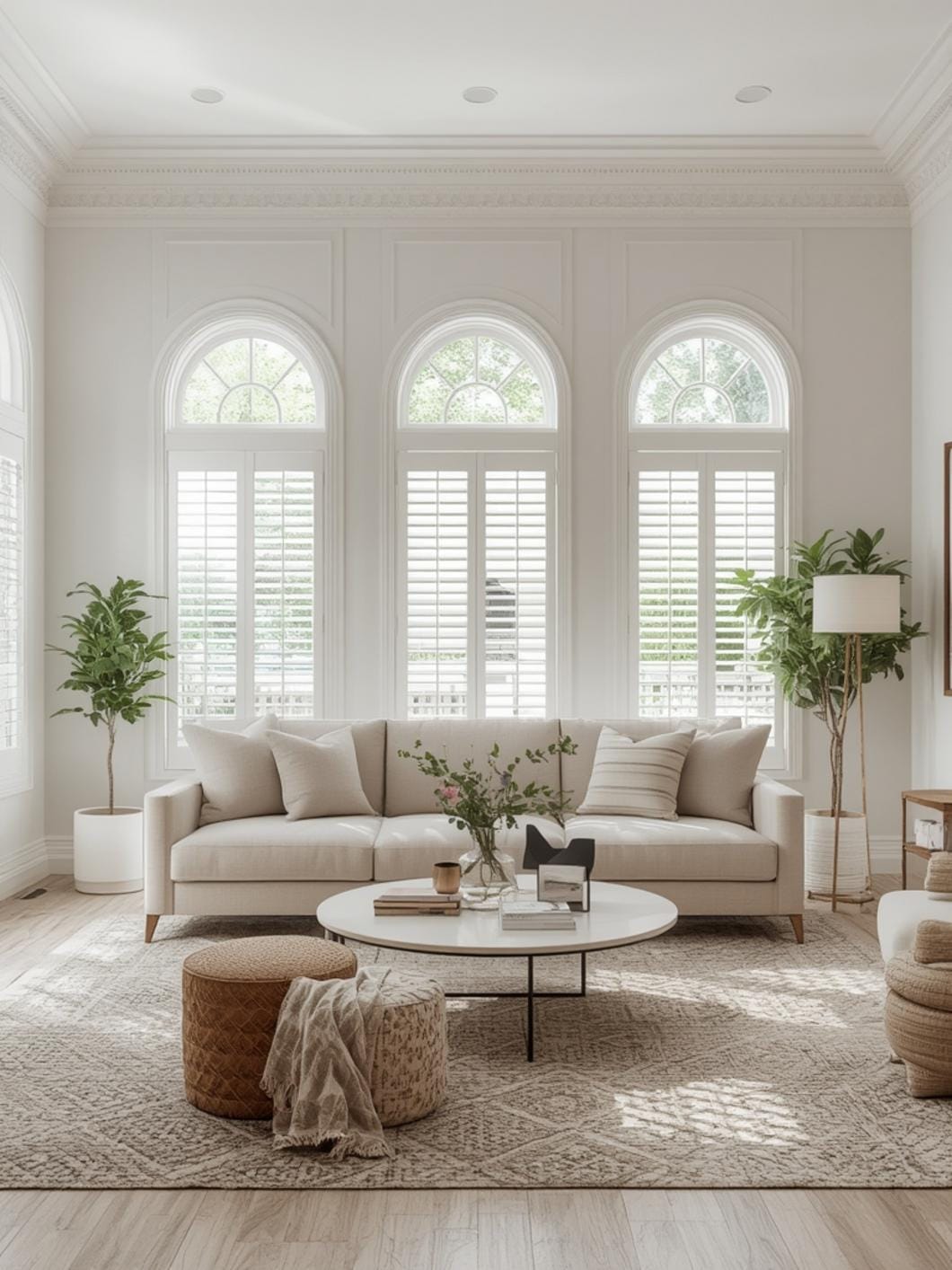
Plantation shutters in living room spaces are having a major moment right now, and it’s easy to see why. They offer the perfect balance of light control, privacy, and classic style that works with nearly any decor theme. Unlike flimsy blinds or heavy drapes, these shutters become a permanent, beautiful part of your room’s architecture.
Whether you’re redesigning your entire living space or just want to upgrade one key element, plantation shutters deliver both function and wow factor. Let’s explore everything you need to know to make them work in your home.
Table of Contents
What You’ll Need to Get the Look
Getting plantation shutters installed starts with understanding what’s available and what suits your living room best. You’re not just buying window coverings — you’re investing in a design feature.
Shutter materials to consider:
– Real wood shutters (basswood, poplar) for traditional warmth
– Faux wood or composite for moisture-prone areas or budget-conscious choices
– Vinyl-coated options that resist fading in sunny rooms
Hardware and mounting options:
– Inside mount brackets for a clean, built-in look
– Outside mount frames when you want to cover the entire window trim
– Hinged panels or bi-fold configurations for larger windows
Complementary decor elements:
– Neutral wall paint to let the shutters stand out as architectural details
– Area rugs that add softness and balance the structured look of shutters
– Statement lighting fixtures that draw the eye up and around the room
– Natural texture accents like woven baskets or linen throw pillows
Most professional installers will provide everything needed for mounting. Your job is to pick the style, finish, and louver size that matches your vision.
Finding Your Style and Season
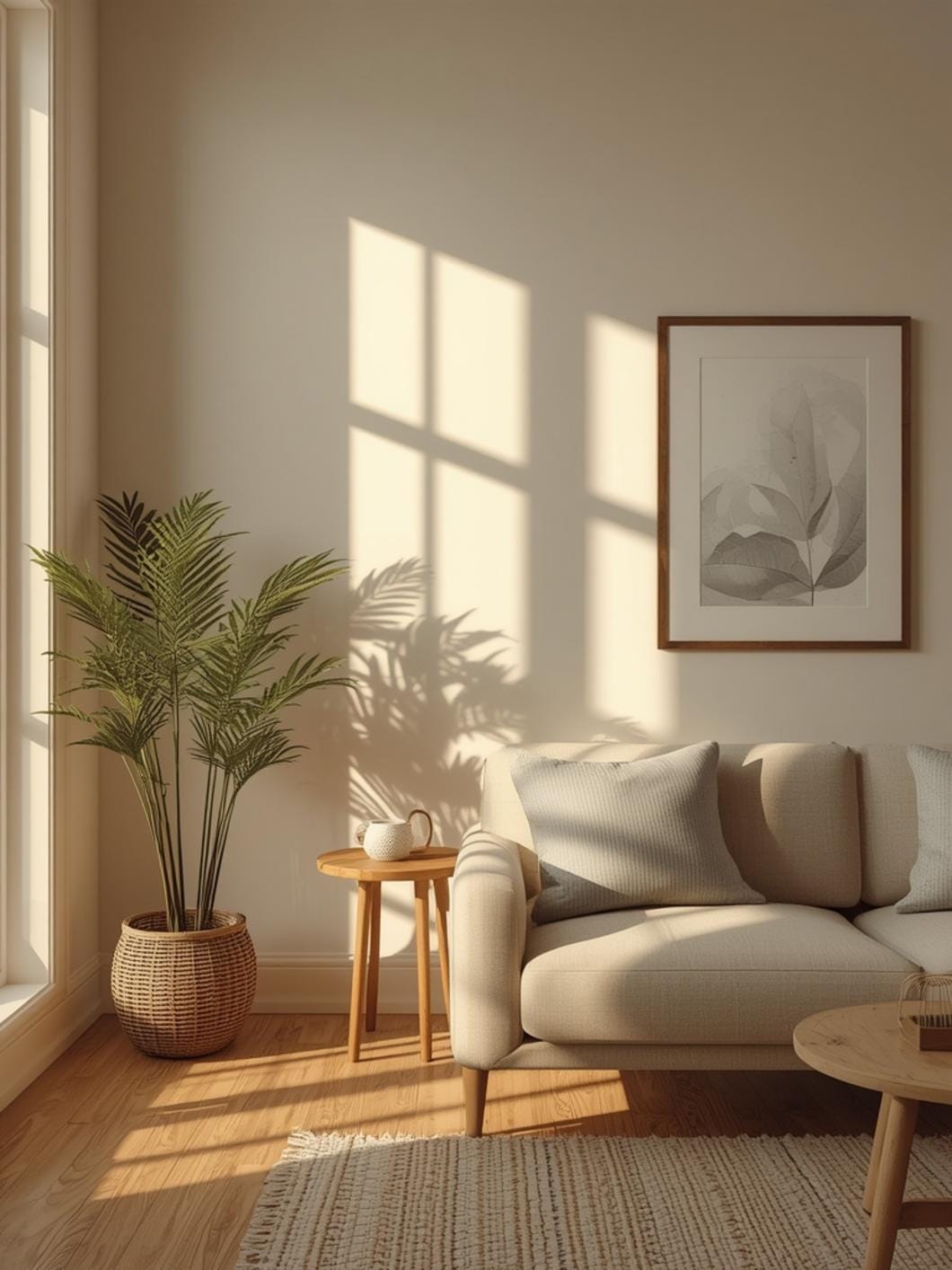
Plantation shutters work year-round, but different seasons might inspire different approaches to styling them. The beauty is in their versatility.
Spring and summer call for keeping those louvers open during the day. Let natural light flood your living room and create an airy, fresh feeling. The clean lines of white or cream shutters complement bright seasonal decor beautifully.
Fall and winter benefit from shutters’ insulating properties. Close them at night to keep warmth in, and adjust the louvers during the day for controlled, cozy lighting. Darker wood finishes feel particularly inviting during these months.
Think about your lifestyle too. Do you host movie nights and need blackout control? Are you working from home and battling screen glare? Do you love waking up to gentle morning light? Your answers will guide your louver size choice and color selection.
Traditional homes often pair best with wider louvers (3.5 to 4.5 inches) in rich wood tones. Modern spaces shine with sleek white shutters and narrower slats. Coastal or farmhouse styles embrace painted finishes in soft whites and grays.
7 Ideas to Try in Your Home
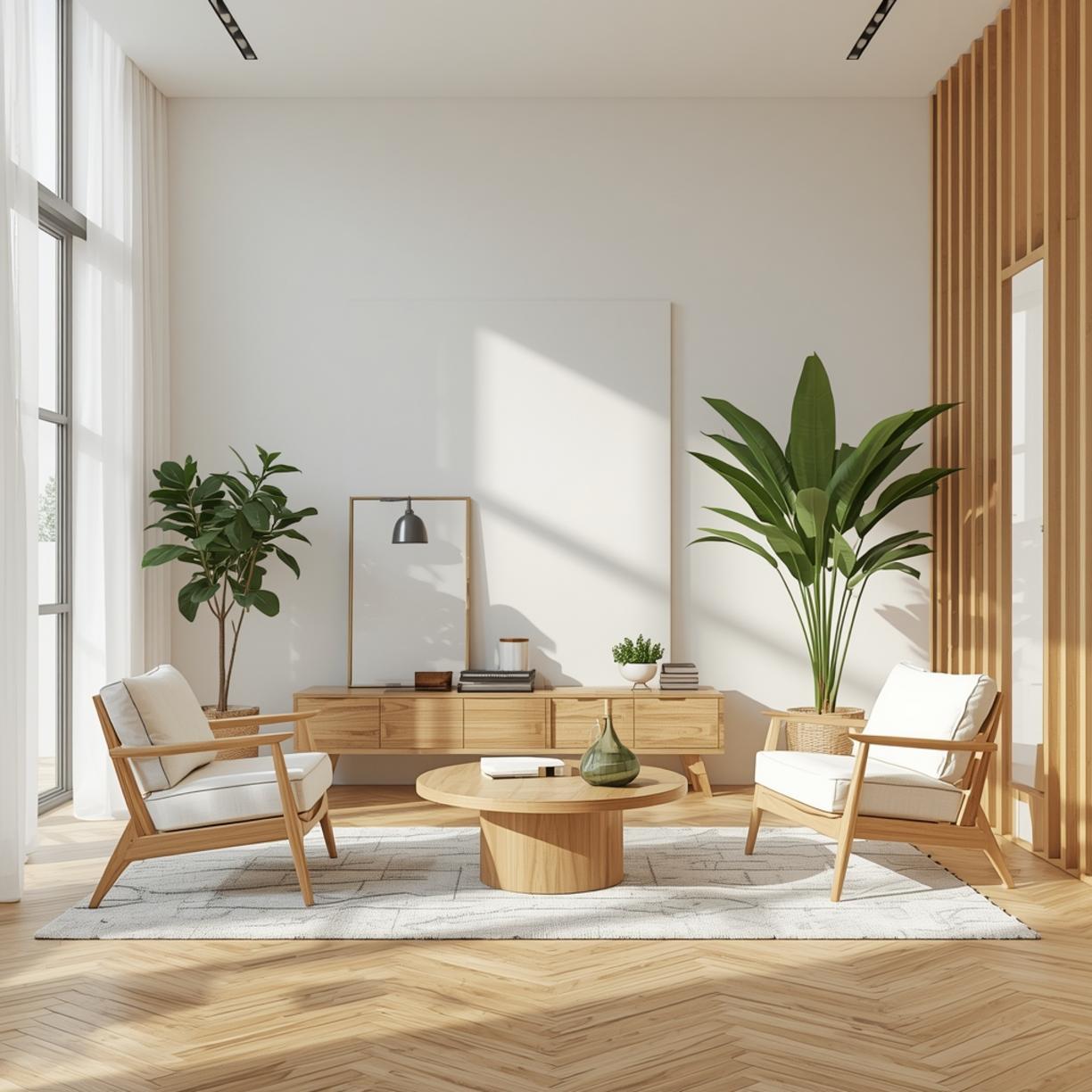
1. Create a gallery wall around your shuttered windows
Position artwork on either side of your plantation shutters to frame them as part of a larger design moment. The shutters become sculptural elements themselves, not just functional additions.
2. Layer with simple curtains for softness
Mount lightweight linen curtains on the outside of your shutter frames. Pull them closed for evening elegance, or tie them back during the day to showcase your beautiful shutters.
3. Paint shutters in an unexpected accent color
Who says shutters must be white? Navy, charcoal, or even sage green can transform your windows into statement features that tie your entire color scheme together.
4. Use café-style shutters for bottom-half privacy
Install shutters only on the lower portion of your windows. You’ll keep privacy from the street while still enjoying natural light from above — perfect for homes close to sidewalks.
5. Coordinate louver angles throughout the room
Keep all your shutters at the same louver angle for a polished, intentional look. This small detail makes a surprising visual impact and shows thoughtful design.
6. Embrace the measuring process correctly
How to measure windows for plantation shutters properly makes all the difference in getting a perfect fit. Measure the width at the top, middle, and bottom of your window frame, then use the narrowest measurement. Measure height on both left and right sides, using the shortest measurement. Always measure in three places to account for any irregularities in your window frame. This ensures your shutters will open, close, and look seamless.
7. Mix shutter styles for architectural interest
Use full-height shutters on your large picture windows and café-style on smaller windows in the same room. This creates visual variety while maintaining a cohesive look.
Benefits That Go Beyond Beautiful Windows
Plantation shutters aren’t just about aesthetics. They genuinely improve how you experience your living room every single day.
Your furniture, flooring, and artwork stay protected from UV damage. Unlike curtains that let filtered light through, adjustable louvers give you precise control. You can block harsh afternoon sun while still enjoying ambient brightness.
Energy bills drop because shutters add an extra insulating layer. In summer, closed shutters keep heat out. In winter, they trap warm air inside. This temperature regulation happens quietly in the background, making your living room more comfortable without constant thermostat adjustments.
Privacy becomes flexible rather than all-or-nothing. Tilt the louvers to let light in while blocking the view from outside. You don’t have to choose between natural light and feeling exposed to neighbors or passersby.
Noise reduction improves too. While not soundproofing, the solid panels do muffle outside noise better than simple window treatments. This matters if you live on a busy street or have nearby neighbors.
The value they add to your home is tangible. Plantation shutters are considered a permanent fixture, not a decorative accessory. When it’s time to sell, they’re a selling point that appeals to buyers looking for quality finishes.
Budget-Friendly to Splurge-Worthy Options
Budget-conscious approach:
Choose faux wood or composite shutters in standard white. Opt for a simple inside mount with no divider rails or special shapes. Stick to one or two main windows rather than the entire room at first. Quality composite options look remarkably close to real wood at a fraction of the cost.
Mid-range sweet spot:
Real wood shutters in popular finishes with a single divider rail for larger windows. Include professional measuring and installation in your budget. Add custom color matching to blend with your existing trim. This range offers excellent longevity and appearance without breaking the bank.
Premium investment:
Hardwood shutters with custom staining to match your floors or furniture. Include specialty shapes for arched or angled windows. Add hidden tilt rods for an ultra-clean appearance. Consider motorized options for hard-to-reach windows or ultimate convenience.
Small space adaptation:
In compact living rooms, plantation shutters actually help rooms feel larger. Choose white shutters to reflect light and create visual expansion. Skip heavy curtains that crowd small windows. The clean lines and minimal depth of shutters preserve precious square footage while still providing full functionality.
Common Mistakes to Avoid
Choosing louver size without considering your view
Wider louvers provide better views when open, but narrower ones offer more privacy when tilted. Test different sizes in showrooms before deciding, especially if your living room faces neighbors or a street.
Ignoring the depth of your window frame
Plantation shutters need adequate depth for inside mounting. If your frames are too shallow, you’ll need to use outside mounts, which change the look significantly. Measure depth before falling in love with a specific style.
Matching wood tones too exactly
Your shutters don’t need to perfectly match your flooring or furniture. In fact, slight contrast often looks more intentional and sophisticated. Off-white shutters with honey oak floors create beautiful dimension.
Skipping professional measuring
Even if you’re handy, shutter measuring has zero margin for error. A quarter-inch mistake means gaps, binding, or shutters that won’t close properly. Professional measuring is worth every penny.
Forgetting about window operation
Make sure your shutters don’t block window cranks or locks. Check that you can still open your windows for fresh air. Some window styles work better with certain shutter configurations than others.
Keeping Your Shutters Looking Fresh
Plantation shutters are wonderfully low-maintenance, but a little regular care keeps them looking showroom-new for years.
Dust your shutters weekly with a microfiber cloth or soft duster. Close the louvers in one direction, wipe, then close them the opposite way and wipe again. This two-step approach catches dust on both sides without moving it around.
For deeper cleaning, use a barely damp cloth with mild soap. Never soak wood shutters or use harsh chemicals. Wring your cloth out completely — you want it almost dry. Wipe in the direction of the louvers, not across them.
Check and tighten the small screws on hinges and tilt rods once or twice a year. They can work loose with regular use. A simple screwdriver and five minutes prevents sagging panels or stiff operation.
Avoid slamming the panels closed. This puts stress on hinges and frames over time. Close them gently and they’ll reward you with smooth operation for decades.
If you have pets, vacuum the bottom louvers monthly. Pet hair accumulates there and can work into the mechanisms. A soft brush attachment does the trick.
Make Your Living Room Work Harder for You
Plantation shutters represent one of those rare home upgrades that delivers immediately and keeps delivering year after year. You’ll notice the difference in light quality the first day. You’ll appreciate the energy savings on your next utility bill. You’ll love how they look every time you walk into your living room.
The key is choosing shutters that match both your practical needs and your design vision. Take your time with the selection process, measure carefully, and don’t be afraid to ask for samples to see in your actual space.
Ready to explore more window treatment ideas and living room design inspiration? DecorKingdom has dozens of guides to help you create the home you’ve been dreaming about.
FAQs
Do plantation shutters make a room look smaller?
No, plantation shutters actually make most rooms appear larger. Their clean lines and lack of fabric bulk create a streamlined look that opens up space visually. White or light-colored shutters especially help reflect light and expand the perceived size of your living room.
Can I install plantation shutters myself?
While possible, it’s not recommended for most homeowners. Shutters require perfectly accurate measurements and precise mounting to function properly. One small error can mean expensive replacements. Professional installation typically costs $100-200 per window and ensures everything works perfectly.
How long do plantation shutters last?
Quality plantation shutters easily last 20-30 years with basic care. Real wood shutters can last even longer. Unlike fabric blinds or curtains that fade, sag, or break within 5-10 years, shutters are a true long-term investment that outlasts most other window treatments.
Do plantation shutters block out all light?
Plantation shutters significantly reduce light but don’t create complete blackout. Small gaps where panels meet and around frames allow some light through. For total darkness, you’d need to add blackout curtains behind the shutters, which many homeowners do in bedrooms.
What’s the difference between plantation shutters and regular shutters?
Plantation shutters have wider louvers (usually 2.5 to 4.5 inches) compared to traditional shutters with narrow louvers (typically 1.25 inches). The wider louvers provide better views, easier cleaning, and a more contemporary look that works well in modern homes.
—
Meta Title: Plantation Shutters in Living Room: 2026 Style Guide
Meta Description: Make your living room shine with plantation shutters. Get sizing tips, style ideas, and real-home inspiration for beautiful, functional windows.