How to Choose the Perfect Living Room Layout & Architecture
Your living room is the heart of your home, but does it feel awkward or cramped? Maybe your furniture arrangement just doesn’t flow, or guests always seem to cluster in one spot while half the room sits empty.
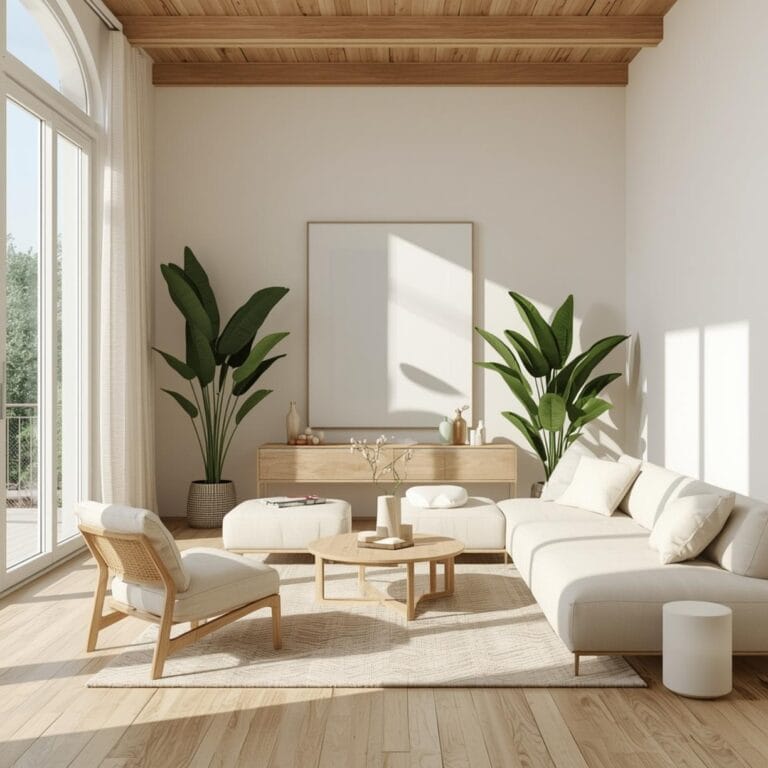
Getting your Living Room Layout & Architecture right is about more than just pushing sofas around. It’s about understanding how the bones of your room — windows, doorways, built-ins, and traffic paths — work with your furniture to create a space that’s both beautiful and livable. When you nail this balance, your living room becomes a place where everyone wants to gather.
The good news? You don’t need to knock down walls or hire an architect. Small tweaks to how you work with your room’s existing structure can make a huge difference in how your space feels every single day.
Table of Contents
What You’ll Need to Get the Look
Creating a well-planned living room starts with understanding what you’re working with. Take a good look at your space and identify the architectural features that matter most.
Architectural elements to map out:
– Windows and their sizes (these dictate natural light and viewing angles)
– Doorways and their swing directions
– Built-in features like fireplaces, shelving, or media niches
– Electrical outlets and light switches (you’ll want furniture near these)
– Traffic paths between rooms
Furniture pieces to consider:
– A sofa or sectional as your anchor piece
– Accent chairs for additional seating
– Coffee table or ottoman
– Side tables with lamps
– Media console or entertainment unit
– Area rug to define the zone
Measuring tools you’ll actually use:
– Tape measure (the 25-foot kind works best)
– Painter’s tape to mark furniture footprints on the floor
– Graph paper or a free room planning app on your phone
Finding Your Style and Season
The best time to rethink your living room layout is actually right now, regardless of season. But certain times of year make it easier to tackle this project with fresh eyes.
Spring and fall are ideal because you’re naturally inclined to refresh your space. The moderate temperatures mean you’re not dealing with blasting AC or cranked-up heat while you move furniture around. Plus, these seasons often bring a mood shift that makes you more open to change.
Consider your lifestyle patterns too. If you host holiday gatherings, plan your layout by October. If summer means kids are home and the room gets heavy use, tackle it in late spring so everyone adjusts before the chaos hits.
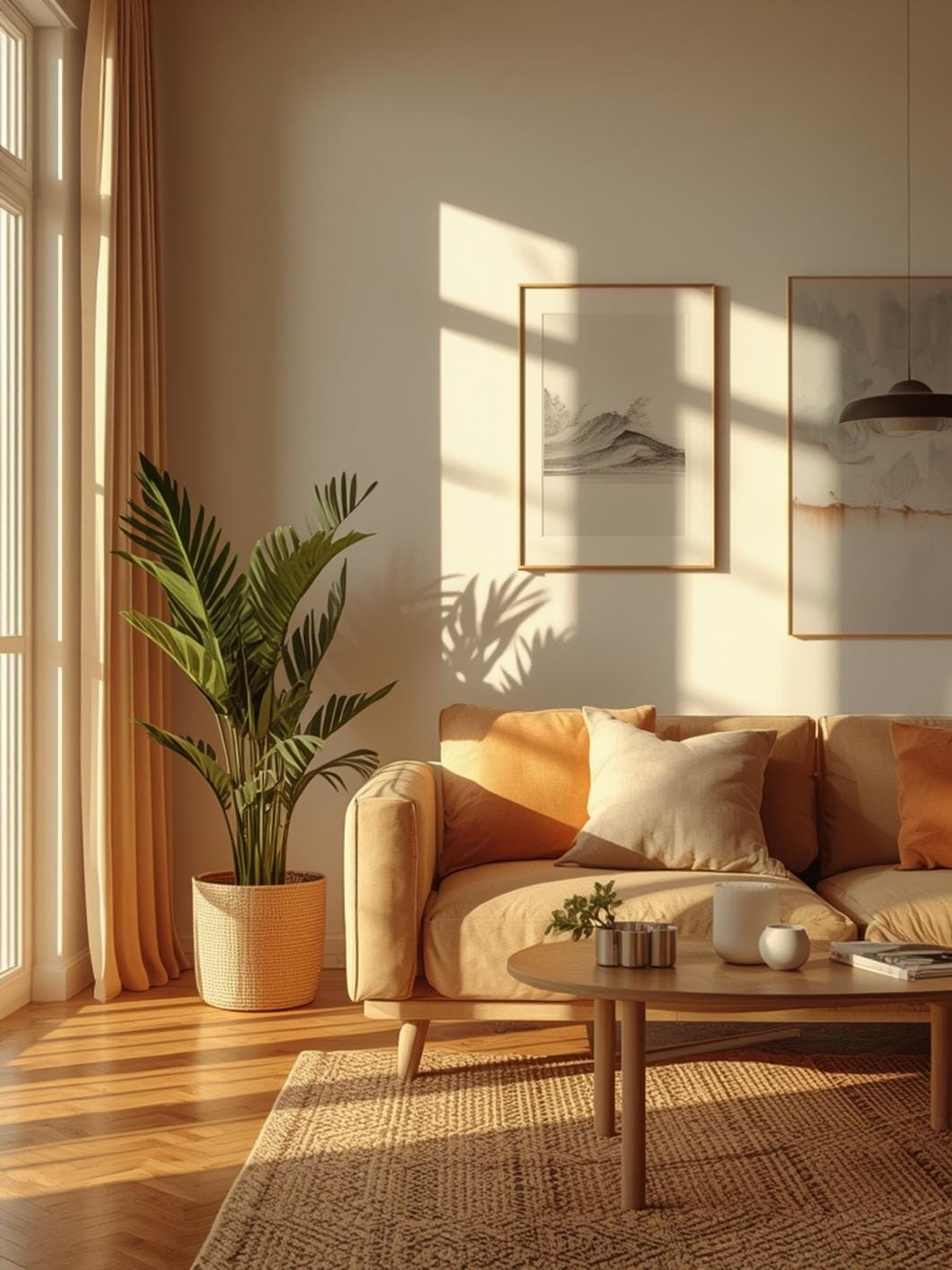
Think about how light moves through your room during different times of day. Morning light might flood in from the east, while evening sun creates glare from the west. Your furniture arrangement should work with these patterns, not against them.
Budget-wise, this is a project that can cost nothing if you’re working with existing furniture. You’re investing time and thought, not necessarily money. Save your dollars for that one new piece that might complete the puzzle later.
7 Ideas to Try in Your Home
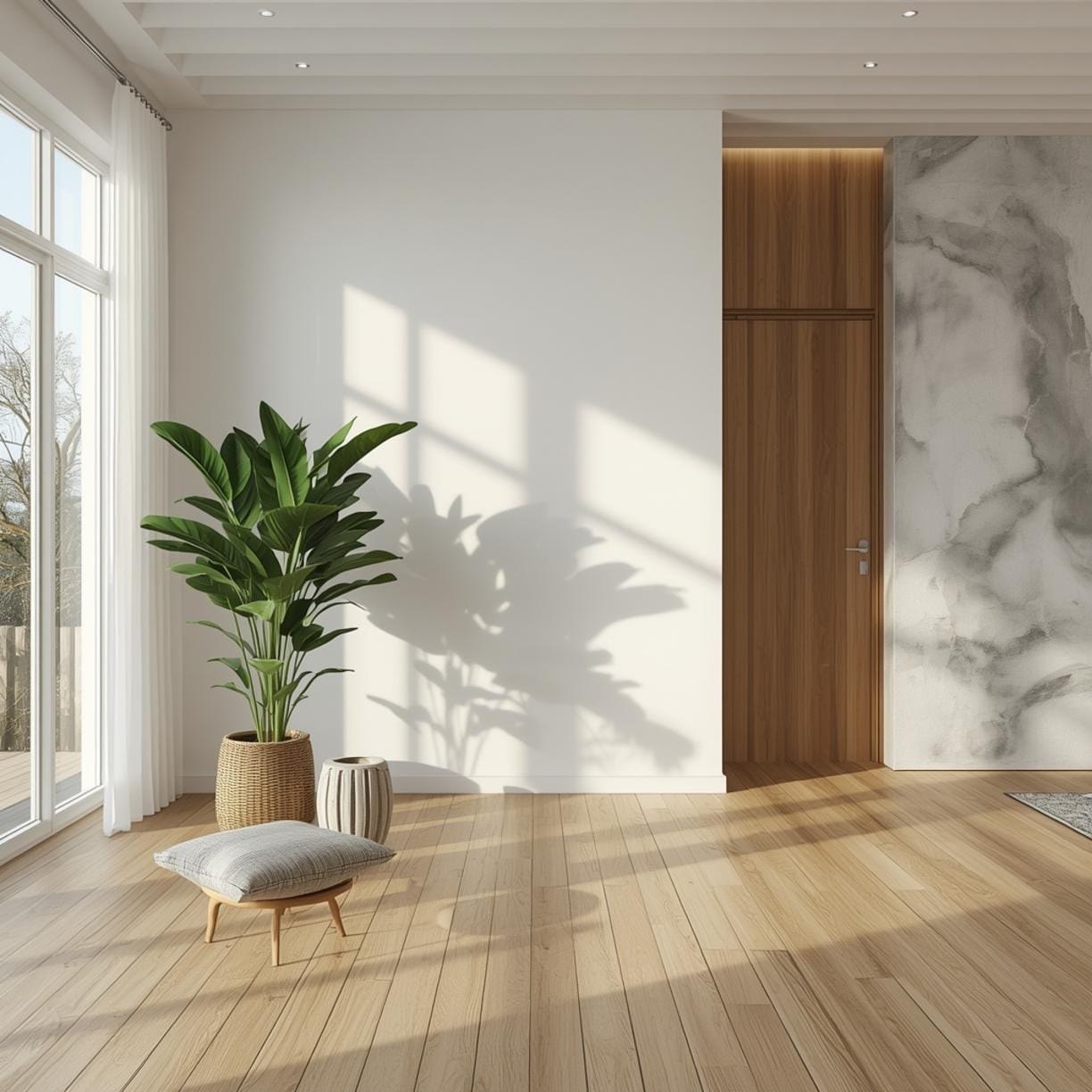
Let’s walk through layout approaches that work with your room’s architecture, not against it. Each idea addresses different architectural challenges you might be facing.
1. The Fireplace-First Layout
If you have a fireplace, it’s likely your room’s natural focal point. Angle your main seating toward it, even if that means floating your sofa away from the wall. This creates an intimate conversation zone that honors your room’s best architectural feature.
Place your coffee table within easy reach of all seats. Add a pair of chairs perpendicular to the sofa to complete the arrangement. This setup works especially well in rooms with the fireplace on a short wall.
2. The Window-Centric Approach
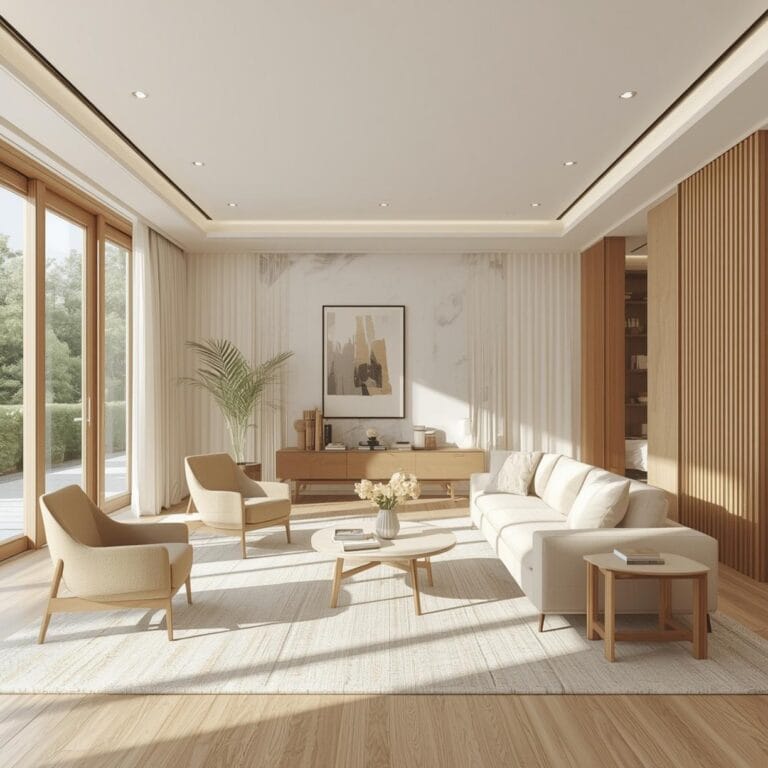
Large windows deserve to be celebrated, not blocked. If you have stunning views or great natural light, position seating to take advantage without putting furniture directly in front of the glass. A sofa perpendicular to windows lets you enjoy the view while keeping the room open and bright.
How to arrange furniture for small living rooms with great windows is all about balance — you want to catch the light without making the space feel cramped against the glass.
3. The Floating Island Solution
This works beautifully in larger, open-plan spaces where your living room doesn’t have four defined walls. Pull your furniture away from the walls to create a cozy island in the middle of the space. Use an area rug to anchor everything together.
This layout respects the architectural openness while creating intimacy where you need it. It also naturally defines traffic paths around the perimeter.
4. The L-Shaped Sectional Strategy
If your room has an awkward corner or an off-center doorway, a sectional sofa can be your best friend. Tuck it into the corner to maximize seating without blocking pathways. This layout works especially well in rooms where doors are positioned asymmetrically.
The long side of the L should face your main focal point, whether that’s a TV, fireplace, or windows. The short side fills the dead corner space that’s otherwise hard to furnish.
5. The Symmetrical Balance Layout
Rooms with centered architectural features — a fireplace flanked by built-ins, or a large window in the middle of a wall — beg for symmetry. Match your furniture arrangement to this natural balance with identical chairs or lamps on either side.
Place your sofa directly across from the centered feature. This layout feels formal and calming, perfect if your room’s architecture already leans traditional.
6. The Multi-Zone Approach
Larger living rooms often have enough square footage for multiple purposes. Divide your space into distinct zones — one for TV watching, another for reading, maybe a third for games or hobbies. Use furniture placement and area rugs to define each zone.
The key is respecting traffic flow between zones. Your architectural features like doorways and windows will naturally suggest where these zones should land.
7. The Narrow Room Hack
Long, narrow living rooms are architecturally challenging, but they’re fixable. Instead of lining everything up along the long walls, break the room into two separate seating areas. Place a sofa halfway down the room, facing a pair of chairs, with a console table behind the sofa to define the division.
This tricks the eye into seeing a better-proportioned space. It also creates two functional zones in a room that otherwise feels like a bowling alley.
Benefits of Getting Your Layout Right
When your furniture placement works with your room’s architecture instead of fighting it, everyday life just flows better. You’ll notice it in small ways first — people naturally gather and linger instead of perching awkwardly.
Better conversations happen because seating is positioned at comfortable distances. The ideal arrangement puts people 4 to 8 feet apart, close enough to chat without shouting, far enough to feel at ease. When you honor your room’s natural focal points, these zones emerge naturally.
Traffic flows smoothly through the space. You stop bumping into furniture corners or squeezing past the coffee table. Guests instinctively know where to walk because the pathways are obvious.
Natural light reaches deeper into your room when you’re not blocking windows with tall furniture. This saves on daytime lighting costs and creates a more welcoming atmosphere.
Your room also feels larger, even if you haven’t changed the square footage. Strategic placement makes small rooms feel open and large rooms feel cozy instead of cavernous.
Smart Alternatives for Every Space and Budget
Not every layout requires starting from scratch. Here are three approaches based on what you’re working with right now.
The Budget-Friendly Refresh
Work with what you have by simply rearranging existing pieces. Move your sofa away from the wall if your room allows it. Swap the positions of chairs and tables to create better conversation zones. Use painter’s tape on the floor to test arrangements before committing to the heavy lifting.
This approach costs nothing but time. You might discover your current furniture works beautifully once you position it differently.
The Mid-Range Update
Add one strategic new piece that solves your biggest layout challenge. Maybe it’s a smaller-scale sofa that fits your room’s proportions better, or a pair of armless chairs that don’t block your architectural features. Invest in an area rug that properly anchors your seating zone.
Budget around $500 to $1,500 for one quality piece plus accessories. The right addition can transform how your entire layout functions.
The Premium Transformation
Consider custom built-ins that work with your room’s architecture to add storage and display space. Invest in a sectional sized perfectly for your space, or commission window seats that maximize awkward alcoves.
This level runs $3,000 and up, but it solves layout challenges permanently by integrating furniture with architecture. You’re essentially enhancing your room’s bones.
Small Space Adaptation
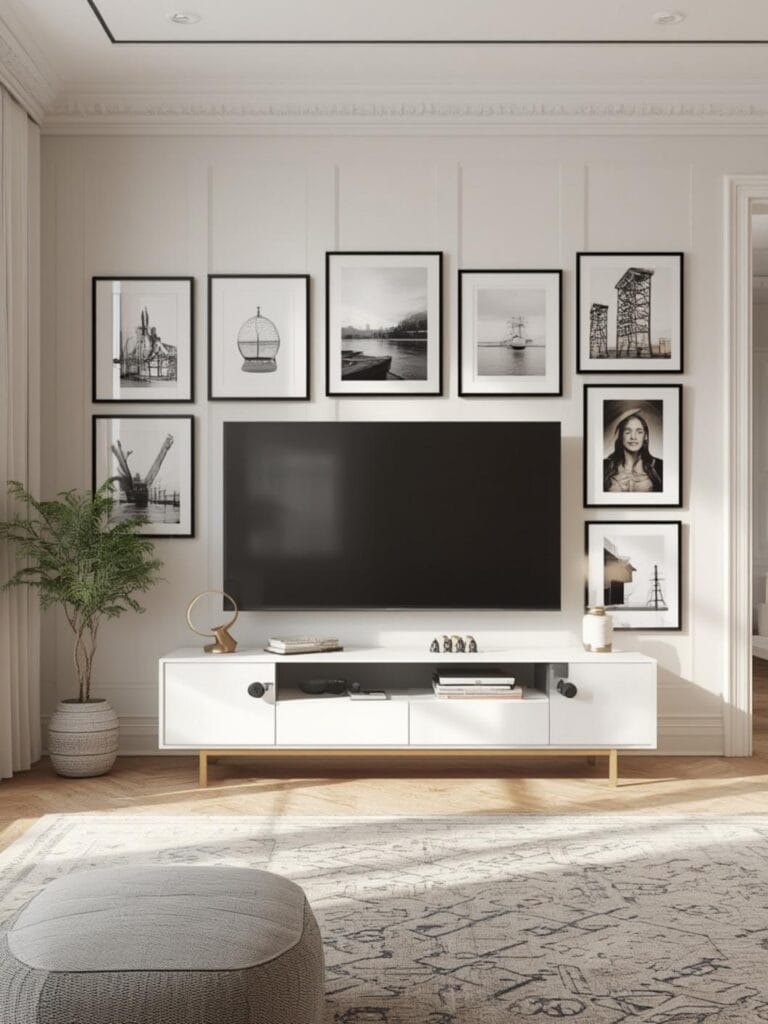
In truly compact living rooms, choose furniture with exposed legs instead of skirted pieces. This creates visual space underneath. Mount your TV to free up floor area. Use nesting tables instead of a large coffee table. Every architectural feature — windowsills, corners, even the space above doorways — becomes potential storage or display area.
Common Mistakes to Avoid
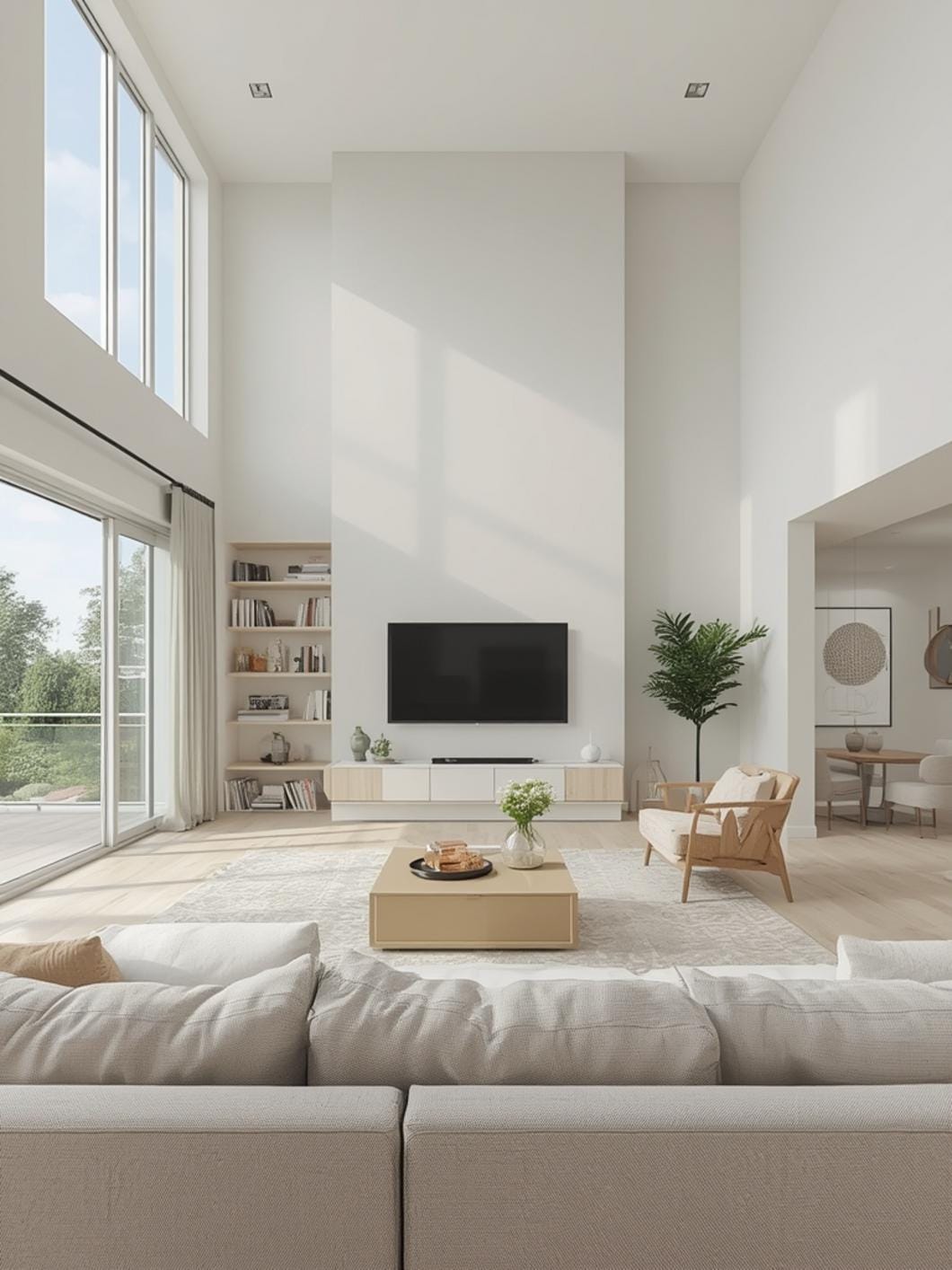
Pushing all furniture against the walls makes your room feel like a waiting area, not a gathering space. Pull at least your main seating pieces 12 to 18 inches away from walls to create a more intimate, intentional arrangement.
Blocking architectural features like beautiful molding, built-in shelving, or decorative radiators wastes your room’s character. Work around these elements so they remain visible and functional.
Ignoring traffic patterns creates daily frustration when people constantly squeeze past furniture. Map your natural pathways first, then arrange furniture around them, leaving at least 30 inches for main walkways.
Choosing oversized furniture overwhelms your room’s proportions and blocks sightlines to architectural features. Measure your space carefully and select pieces that fit the scale of your room, not just your seating needs.
Forgetting about electrical outlets means you’ll end up with lamps too far from plugs or extension cords snaking across your floor. Plan your layout with outlets in mind, positioning furniture where you can actually use it.
Keeping Your Layout Fresh
Once you’ve nailed your furniture arrangement, maintaining it is surprisingly simple. The key is staying flexible as your needs change through seasons and life stages.
Twice a year, assess if your layout still serves you. Maybe summer means you want the sofa positioned to catch the breeze from open windows, while winter calls for cozying up closer to the fireplace. These small seasonal shifts keep your space feeling intentional.
Keep felt pads under furniture legs to make future rearranging easy without scratching floors. Replace them every year or two as they wear down.
Vacuum and dust behind furniture quarterly, even if it means moving pieces temporarily. This prevents buildup that makes rearranging harder later and keeps your room’s architectural details looking their best.
Update your area rug every 5 to 7 years to keep your layout looking fresh. Rugs anchor furniture arrangements, and a worn rug makes even the best layout look tired.
When you add new furniture, measure first to ensure it maintains your carefully planned traffic flow and respects your room’s architectural features. Don’t compromise a working layout for a piece that doesn’t fit.
Bringing It All Together
Your living room’s architecture gives you a blueprint for success — you just need to read it. When you work with your room’s natural features instead of fighting them, furniture arrangement becomes intuitive rather than frustrating.
Start by identifying your room’s best assets and biggest challenges. Then choose a layout approach that honors both. Remember, the goal isn’t perfection on the first try. It’s creating a space where life happens comfortably.
Ready to tackle more rooms in your home? Explore DecorKingdom for layout ideas, styling tips, and design inspiration that works for real homes just like yours.
FAQs
How far should my sofa be from the TV?
A good rule of thumb is to sit 1.5 to 2.5 times your TV’s diagonal screen size away from it. For a 55-inch TV, that means 7 to 11 feet. This distance prevents eye strain while ensuring you can see the whole screen without turning your head. Adjust based on your room’s architecture and seating comfort.
Can I put my sofa in front of a window?
Yes, but choose a low-back sofa that doesn’t block the window entirely, and make sure it’s not blocking your only source of natural light. This works best when you have multiple windows in the room. Consider the view from outside too — you don’t want the back of your sofa to be the first thing people see from the street.
What’s the minimum walkway width I need in my living room?
Main traffic paths through your room need at least 30 inches of clearance, while secondary paths can work with 24 inches. Between furniture pieces where people will walk less frequently, 18 inches is acceptable. These measurements ensure everyone can move comfortably without feeling squeezed or bumping into corners.
Should my furniture match my room’s architectural style?
Your furniture doesn’t need to match your architecture exactly, but it should complement it in scale and proportion. A room with ornate Victorian molding can absolutely handle modern furniture, but that furniture should be substantial enough to hold its own. Conversely, delicate mid-century pieces might get lost in a room with heavy, traditional architecture.
How do I arrange furniture in a living room with two focal points?
Choose one as your primary focal point and arrange your main seating around it, then position secondary seating toward the other feature. For example, angle your sofa toward the fireplace, then place a reading chair that faces the windows. This creates visual interest while keeping the room from feeling divided or confused.
—
Meta Title: Living Room Layout & Architecture Guide 2026
Meta Description: Transform your space by working with your room’s natural features. Expert layout tips for beautiful, functional living rooms that flow.