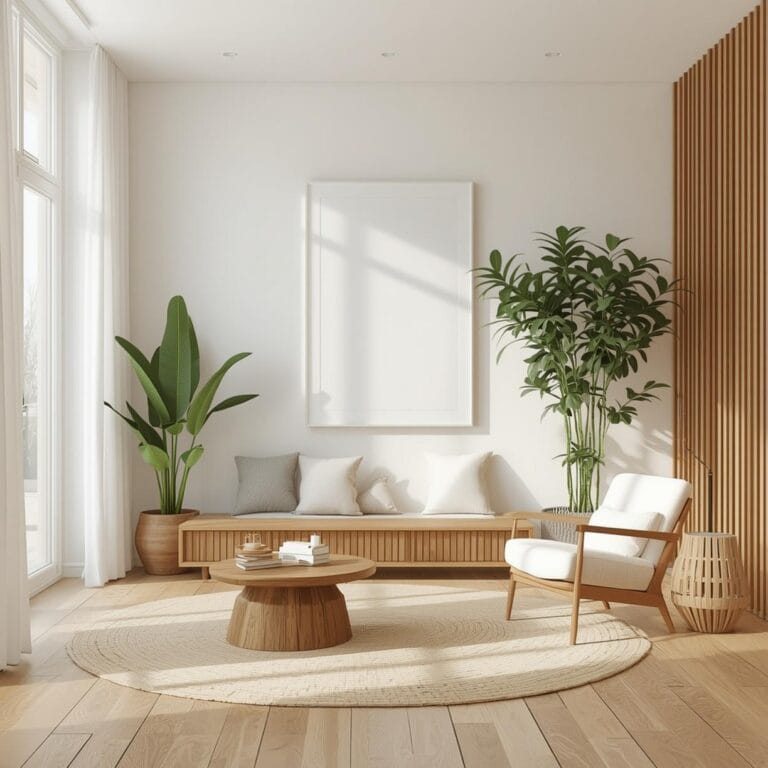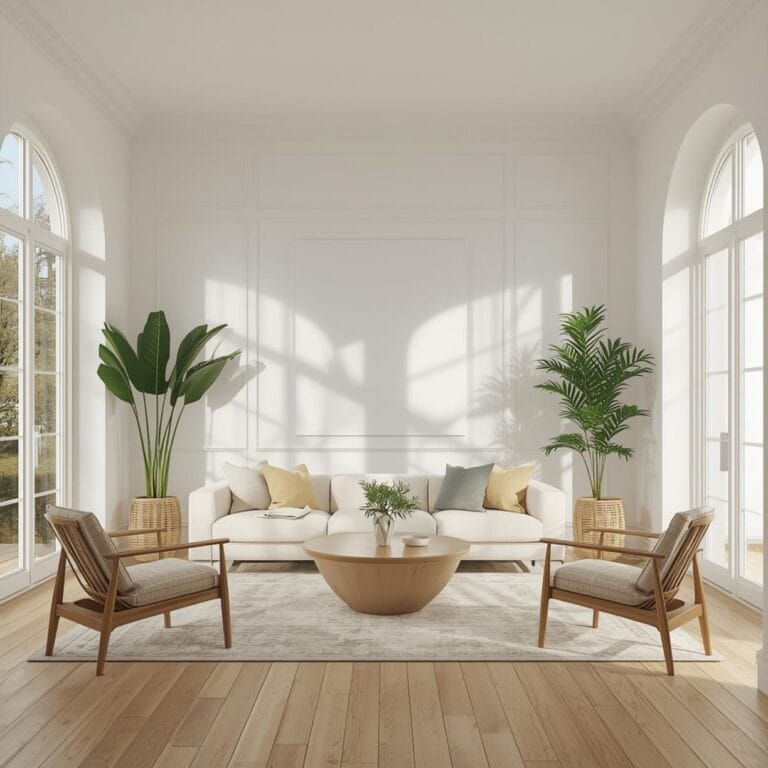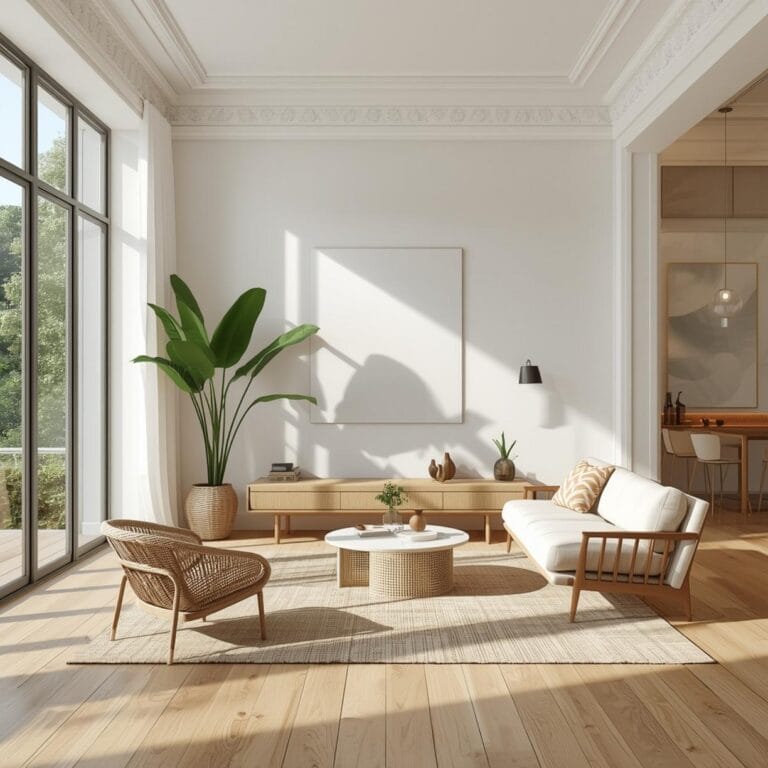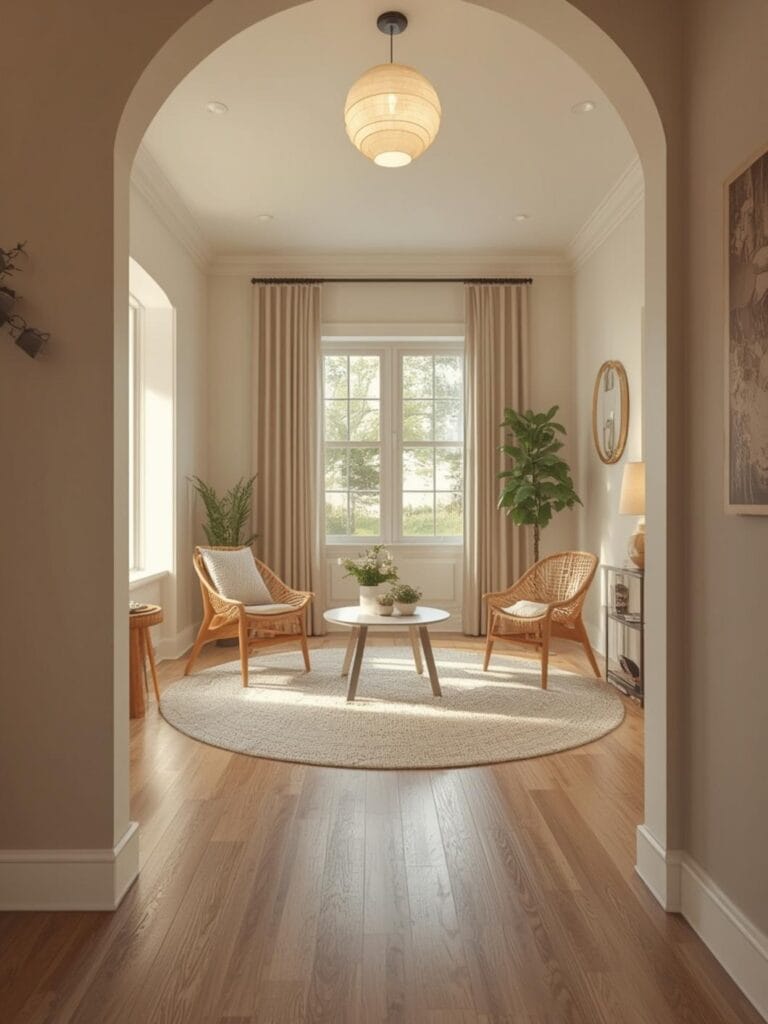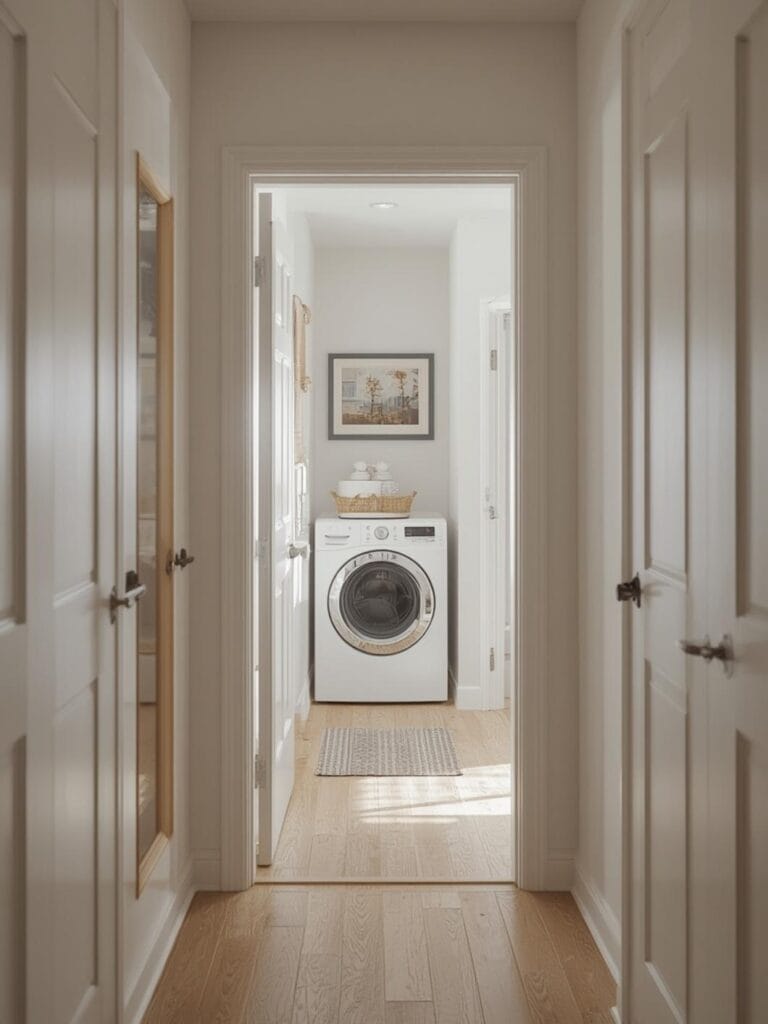
How to Choose the Best Flooring for Living Room
Your living room floor takes a beating every single day. Between kids running through, pets scampering about, and guests tracking in dirt from outside, it’s the hardest-working surface in your entire home.
Choosing the best flooring for living room spaces isn’t just about picking something that looks good in a showroom. You need something that fits your lifestyle, handles your household’s activity level, and still looks beautiful five years from now.
The good news? You have more options than ever before, and finding the right match for your home doesn’t have to feel overwhelming.
Table of Contents
What You’re Actually Comparing
When you’re shopping for living room flooring, you’ll encounter several main categories. Each one has distinct characteristics that make it better suited for certain homes and lifestyles.
Hardwood flooring comes in solid or engineered versions and brings timeless warmth to any space. You’ll find options in oak, maple, walnut, and exotic woods, with finishes ranging from matte to high-gloss.
Luxury vinyl plank (LVP) mimics the look of wood or stone but offers superior water resistance and durability. Modern versions are remarkably convincing and come in hundreds of colors and textures.
Laminate flooring provides a budget-friendly wood alternative with good scratch resistance. It’s constructed in layers with a photographic wood grain on top and a protective wear layer.
Tile flooring includes ceramic and porcelain options that excel in high-traffic areas. You’ll find everything from classic neutrals to bold patterns and wood-look designs.
Carpet remains popular for comfort underfoot, sound absorption, and warmth. Today’s stain-resistant treatments make it more practical than older versions.
Cork and bamboo represent eco-friendly alternatives with unique textures and natural antimicrobial properties.
How to Decide Before You Buy
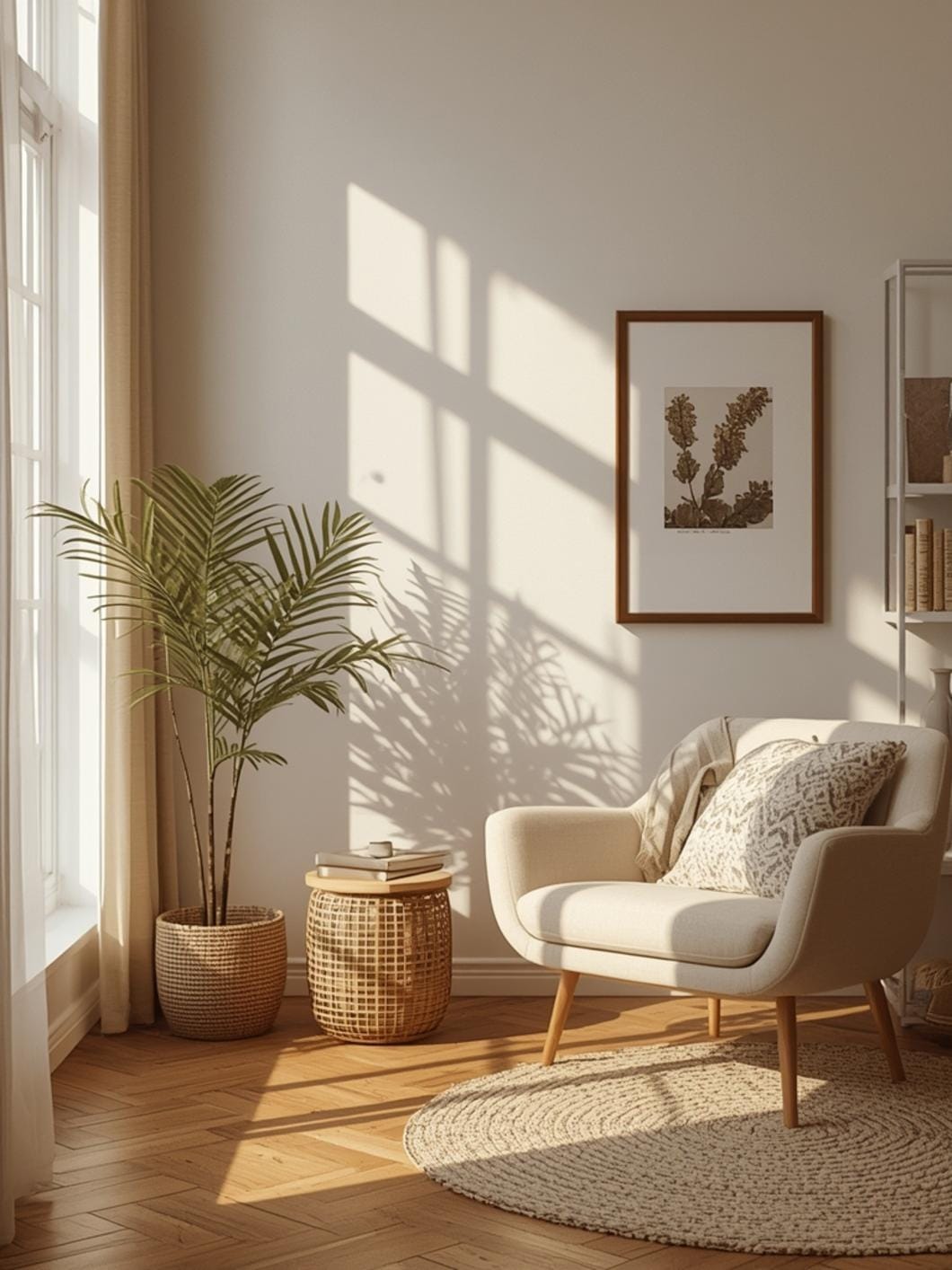
Before you fall in love with a particular look, you need to evaluate several practical factors that will determine whether that flooring works in your real life.
Your household traffic level matters enormously. A home with teenagers, multiple pets, or frequent entertaining needs different flooring than a quiet couple’s retreat. Be honest about how much wear and tear your floor will face daily.
Your moisture concerns should guide your decision if your living room is below grade, in a humid climate, or connects directly to outdoor spaces. Some materials handle moisture beautifully while others warp or stain permanently.
Your maintenance commitment varies dramatically between flooring types. Consider how much time you’re willing to spend on regular upkeep versus how much you want a truly low-maintenance surface.
Your budget flexibility extends beyond the initial purchase price. Factor in installation costs, underlayment, transition pieces, and potential future repairs or refinishing needs.
Your timeline constraints affect which materials you can realistically choose. Some floors can be walked on within hours, while others require days of cure time.
Side-by-Side Comparison
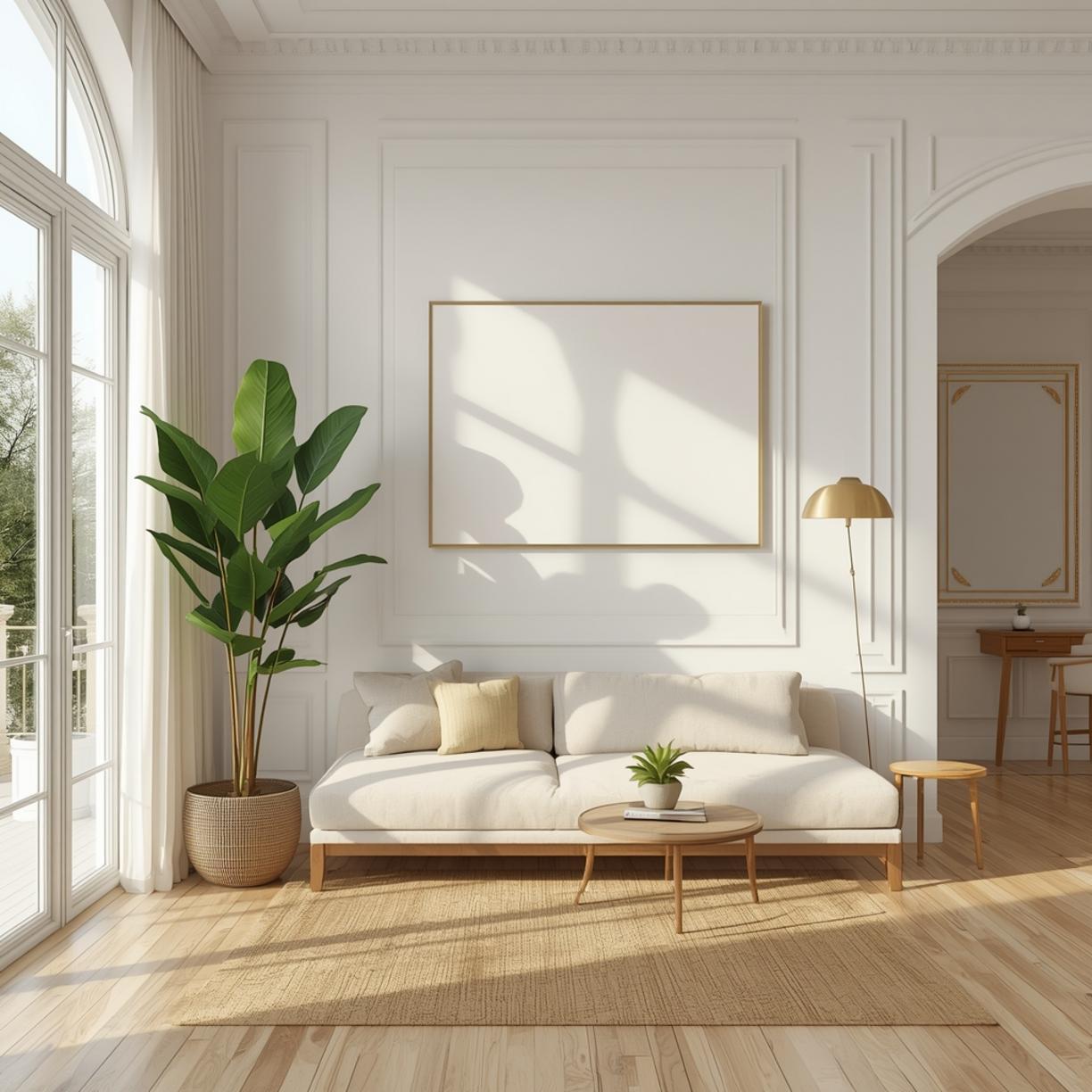
Durability in Real-World Conditions
Hardwood looks stunning but dents from dropped objects and scratches from pet nails over time. Engineered versions handle humidity changes better than solid wood.
Luxury vinyl plank resists scratches, dents, and water damage exceptionally well. It’s genuinely tough enough for active families and bounces back from impacts that would mar other surfaces.
Laminate handles scratches reasonably well but can’t be refinished if damaged. Water is its enemy, and once moisture penetrates the seams, you’re looking at replacement boards.
Tile is nearly indestructible for everyday wear, though dropped dishes will shatter and the grout lines require periodic attention. Porcelain rates higher for durability than ceramic.
Carpet shows traffic patterns over time and stains despite treatments. However, it’s the softest underfoot and most forgiving when toddlers take tumbles.
Comfort and Warmth Factors
Hardwood feels cool and hard underfoot, especially in winter. Area rugs become essential for comfort in seating areas.
Luxury vinyl plank offers a softer feel than hardwood with a slight give that reduces foot fatigue. It’s warmer to the touch than tile or stone.
Laminate feels similar to LVP but can sound hollow when walked on unless you invest in quality underlayment with sound-dampening properties.
Tile is cold and hard, which feels refreshing in summer but uncomfortable in winter without radiant heating underneath. Standing on it for long periods tires your feet and legs.
Carpet provides unmatched warmth and cushioning, creating an instantly cozy atmosphere. It’s the clear winner for homes where comfort is the top priority.
Appearance and Design Flexibility
Hardwood offers natural beauty with unique grain patterns that add character and sophistication. It works with virtually every decor style and increases home value.
Luxury vinyl plank now comes in incredibly realistic wood and stone looks that fool most visitors. The variety of colors and textures rivals natural materials.
Laminate has improved dramatically but still shows its synthetic nature up close. Repetitive patterns can look artificial in large, open spaces.
Tile allows for creative patterns, mixing colors and sizes, and unique layouts. The right tile can serve as a stunning design focal point.
Carpet brings softness to the visual palette and works especially well in traditional and cozy contemporary spaces. Pattern options help hide stains between cleanings.
Installation and Replacement Ease
Hardwood requires professional installation for best results and takes several days to complete. Refinishing down the road gives it new life without full replacement.
Luxury vinyl plank often features click-together installation that motivated homeowners can tackle themselves. Mistakes are fairly forgiving since planks can be pulled up and repositioned.
Laminate installs similarly to LVP with click-lock systems. It’s one of the most DIY-friendly options available, though you can’t sand out mistakes.
Tile demands careful planning, proper substrate preparation, and significant skill for professional-looking results. It’s messy, time-consuming, and usually best left to professionals.
Carpet installation requires specialized tools and knowledge about stretching and seaming. Most homeowners hire professionals rather than attempting this themselves.
Long-Term Cost Considerations
Hardwood represents a significant upfront investment but lasts decades with proper care. Refinishing costs less than replacement and can be done multiple times.
Luxury vinyl plank sits in the mid-range price point and lasts 15-25 years with minimal maintenance costs. When it’s done, you replace it rather than refinish it.
Laminate is budget-friendly initially and requires little maintenance, but you’ll likely replace it sooner than other options. It can’t be repaired, only replaced.
Tile has a higher installation cost but potentially lasts a lifetime with proper care. Replacing cracked tiles is inexpensive, though matching discontinued patterns can be challenging.
Carpet is affordable upfront but requires professional cleaning every 12-18 months and complete replacement every 7-10 years in high-traffic areas.
Understanding How to maintain different flooring types in high traffic areas
Each flooring type demands specific care routines to keep it looking fresh in your busy living room. Hardwood needs regular dust mopping and immediate spill cleanup, with refinishing every 7-10 years depending on wear.
Luxury vinyl plank requires only sweeping and damp mopping with pH-neutral cleaners. Avoid abrasive scrubbers that can dull the wear layer over time.
Laminate needs gentle sweeping and specific laminate cleaners that don’t leave streaky residue. Never wet mop laminate, as moisture causes irreversible damage.
Tile handles most cleaners well, but grout needs periodic sealing and targeted cleaning to prevent discoloration. Steam cleaners work beautifully on tile surfaces.
Carpet requires weekly vacuuming with a quality machine, immediate spot treatment of spills, and professional deep cleaning annually. High-traffic areas benefit from washable area rugs layered on top.
Benefits Living With the Right Floor Brings
The right flooring choice transforms how you experience your living room every single day. You’ll feel relieved rather than stressed when someone spills their coffee or your dog races through with muddy paws.
Your cleaning routine becomes simpler and faster with flooring that matches your lifestyle. You spend less time scrubbing and more time actually living in your beautiful space.
The aesthetic impact of cohesive, well-chosen flooring pulls your entire room together. Your furniture looks better, your decor style becomes more defined, and the space feels intentionally designed rather than thrown together.
Comfortable flooring encourages you to actually use your living room. Kids play on the floor more willingly, you sit down there for game nights, and the room becomes the gathering hub you always wanted.
Quality flooring proves its value over years of reliable performance. You’ll appreciate the investment every time you walk through your home and feel satisfied rather than planning your next renovation.
Tips, Alternatives, and Styling Advice
Budget-Friendly Approach: Luxury vinyl plank offers the best balance of looks, durability, and affordability for most homeowners. Choose neutral colors that won’t feel dated in five years, and invest in quality underlayment for better sound and comfort.
Mid-Range Sweet Spot: Engineered hardwood in a popular species like oak gives you real wood character with better moisture resistance than solid hardwood. The slightly higher cost pays off in longevity and refinishing options down the road.
Premium Investment: Solid hardwood in a wide-plank format creates undeniable luxury and adds substantial resale value. Choose harder species like hickory or white oak for living rooms that handle traffic better than softer pines.
Small Space Solution: Light-colored flooring in wide planks makes compact living rooms feel more spacious. Run planks parallel to the longest wall to create the illusion of length.
For homes with mixed flooring needs, consider transitioning between rooms strategically. Luxury vinyl plank in the living room can flow into the kitchen while hardwood adorns the formal dining room.
Layer washable area rugs over hard flooring in seating areas for added comfort and style flexibility. You can change the look seasonally without committing to permanent flooring changes.
Common Mistakes to Avoid
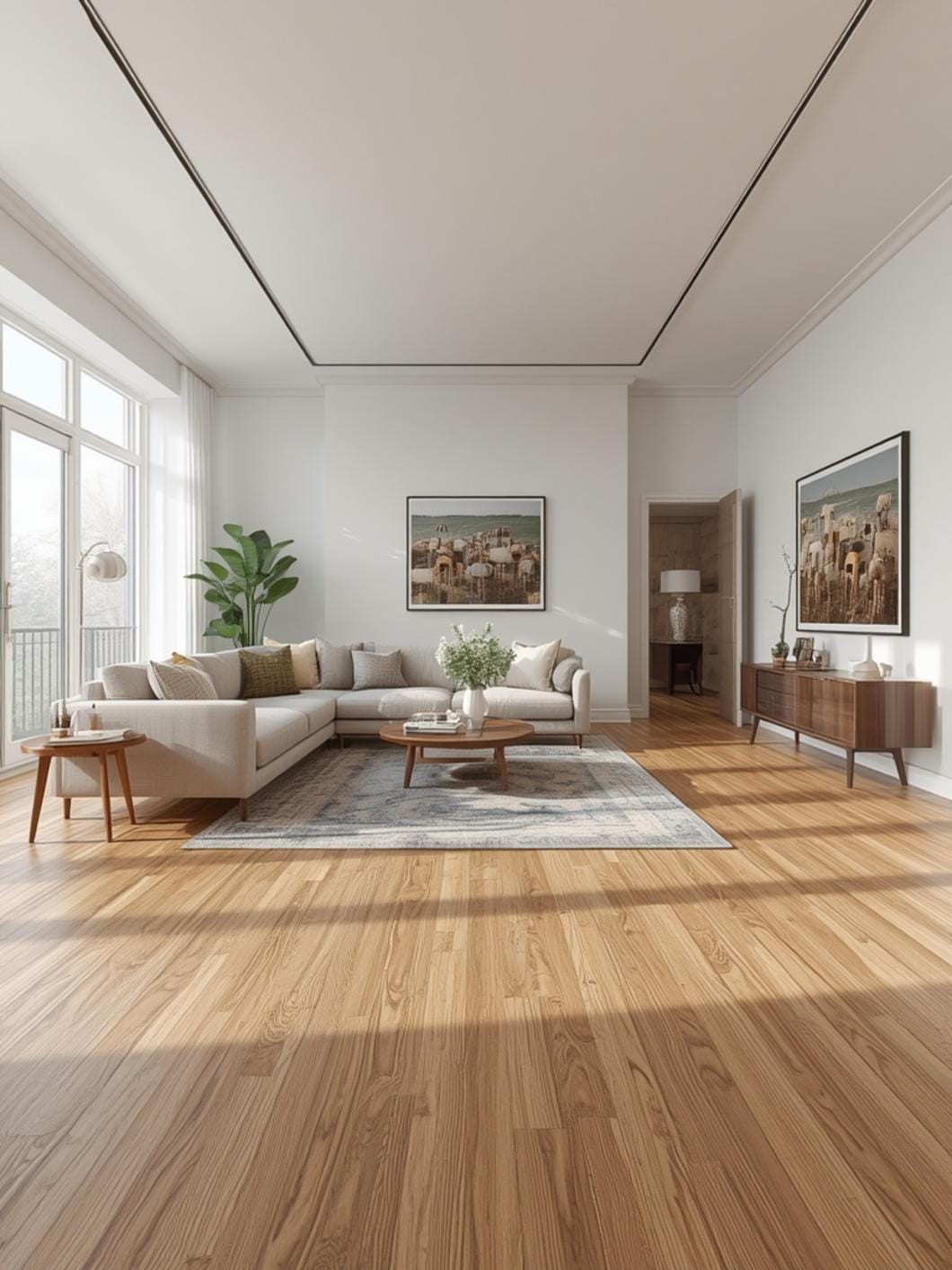
Choosing flooring based only on appearance in the showroom. Bring large samples home and live with them for several days in different lighting conditions before making your final decision.
Ignoring your furniture style when selecting flooring colors. Your existing or planned furniture should complement your floor, not compete with it for attention.
Skipping the quality underlayment to save a few dollars. Good underlayment dramatically improves comfort, reduces noise, and extends your flooring’s life span.
Installing moisture-sensitive flooring below grade or in humid climates. Hardwood and laminate will fail in these conditions no matter how careful you are.
Overlooking the importance of acclimation time. Wood-based products need to adjust to your home’s temperature and humidity before installation or you’ll face gaps and buckling later.
Maintenance and Upkeep Tips
Protect high-traffic pathways with strategically placed area rugs that you can easily shake out or wash. This simple step dramatically reduces wear on your primary flooring.
Place felt pads under all furniture legs to prevent scratches and dents when you move pieces around. Replace these pads annually as they compress and lose effectiveness.
Establish a no-shoes policy or place a boot tray and bench near your entrance. This single habit prevents most of the dirt, grit, and moisture that damages floors over time.
Clean spills immediately regardless of your flooring type. What might be fine in five minutes can cause permanent damage if left for an hour.
Use doormats both outside and inside your entrance to trap dirt before it reaches your living room. Choose mats large enough that people take at least two steps on them.
Trim your pets’ nails regularly to minimize scratches on hard flooring surfaces. This simple grooming habit makes a noticeable difference over months and years.
Rearrange your furniture periodically to distribute wear patterns evenly across your floor. This prevents permanent traffic paths from forming in one specific route through the room.
Making Your Choice With Confidence
Selecting the best flooring for your living room comes down to understanding what matters most in your daily life. The most beautiful floor in the world won’t satisfy you if it can’t handle your household’s reality.
Trust your instincts about maintenance and durability needs over fleeting design trends. A floor you can live with easily will bring you more long-term happiness than one that constantly demands your attention.
Ready to explore more ways to create the home you’ll love living in? Browse DecorKingdom for hundreds of practical decorating ideas designed specifically for real homeowners like you.
FAQs
What is the most durable flooring for a busy living room with kids and pets?
Luxury vinyl plank tops the durability charts for active households. It handles scratches, dents, moisture, and heavy traffic without showing wear for many years. Porcelain tile is equally durable but feels harder and colder underfoot.
Can you put hardwood flooring in a living room that gets lots of sunlight?
Yes, but choose species and finishes that resist fading, or be prepared for color changes over time. Use area rugs and window treatments to minimize direct sun exposure during peak hours. All wood floors will develop a patina with time and light exposure.
How long does it take to install new living room flooring?
Installation time varies by material and room size. Luxury vinyl plank or laminate can be installed in a standard living room in one day. Hardwood typically takes 2-3 days, while tile can take 3-5 days including setting and grouting time.
Is it worth paying extra for waterproof flooring in a living room?
If your living room connects to outdoor spaces, sits below grade, or houses lots of plants, waterproof flooring provides valuable peace of mind. For upper-level rooms without moisture concerns, water-resistant options usually suffice and cost less.
What flooring works best with underfloor heating systems?
Tile and luxury vinyl plank conduct heat most efficiently with radiant floor systems. Engineered hardwood works reasonably well, but solid hardwood isn’t recommended due to expansion and contraction concerns. Always verify manufacturer compatibility before installing any flooring over radiant heat.
—
Meta Title: Best Flooring for Living Room: Smart Guide 2026
Meta Description: Choose the best flooring for living room spaces that handle real life beautifully. Compare options, maintenance needs, and costs.