How to Choose the Best Escape Room for Kids
Your kids are bouncing off the walls on a rainy Saturday, screens have lost their appeal, and you’re searching for something truly special to capture their imagination. What if you could turn your own home into an adventure they’ll talk about for weeks?
An escape room for kids transforms ordinary spaces into extraordinary experiences right in your living room or basement. You don’t need fancy equipment or a huge budget — just creativity, a few household items, and about an hour of prep time.
The best part? You’re creating memories while keeping them engaged, thinking critically, and working together. Your home becomes the stage for an adventure that’s uniquely yours.
Table of Contents
What You’ll Need to Get the Look
Creating your escape room adventure requires surprisingly simple materials you probably already have around your house. The magic comes from how you use them, not expensive props.
Basic supplies:
– Cardboard boxes in various sizes
– Markers, crayons, and colored paper
– Small locks with keys or combination padlocks
– Flashlights or battery-powered LED candles
– String or yarn for creating barriers
– Envelopes or small containers for hiding clues
– Printed puzzles or handwritten riddles
– Tape, scissors, and glue
– Household items for props (stuffed animals, books, picture frames)
Optional atmosphere builders:
– Battery-operated string lights
– Fabric sheets for creating secret passages
– Small treasure chest or decorative box for the final prize
– Poster board for creating themed backdrops
– Balloons for hiding clues inside
– Musical playlist for background ambiance
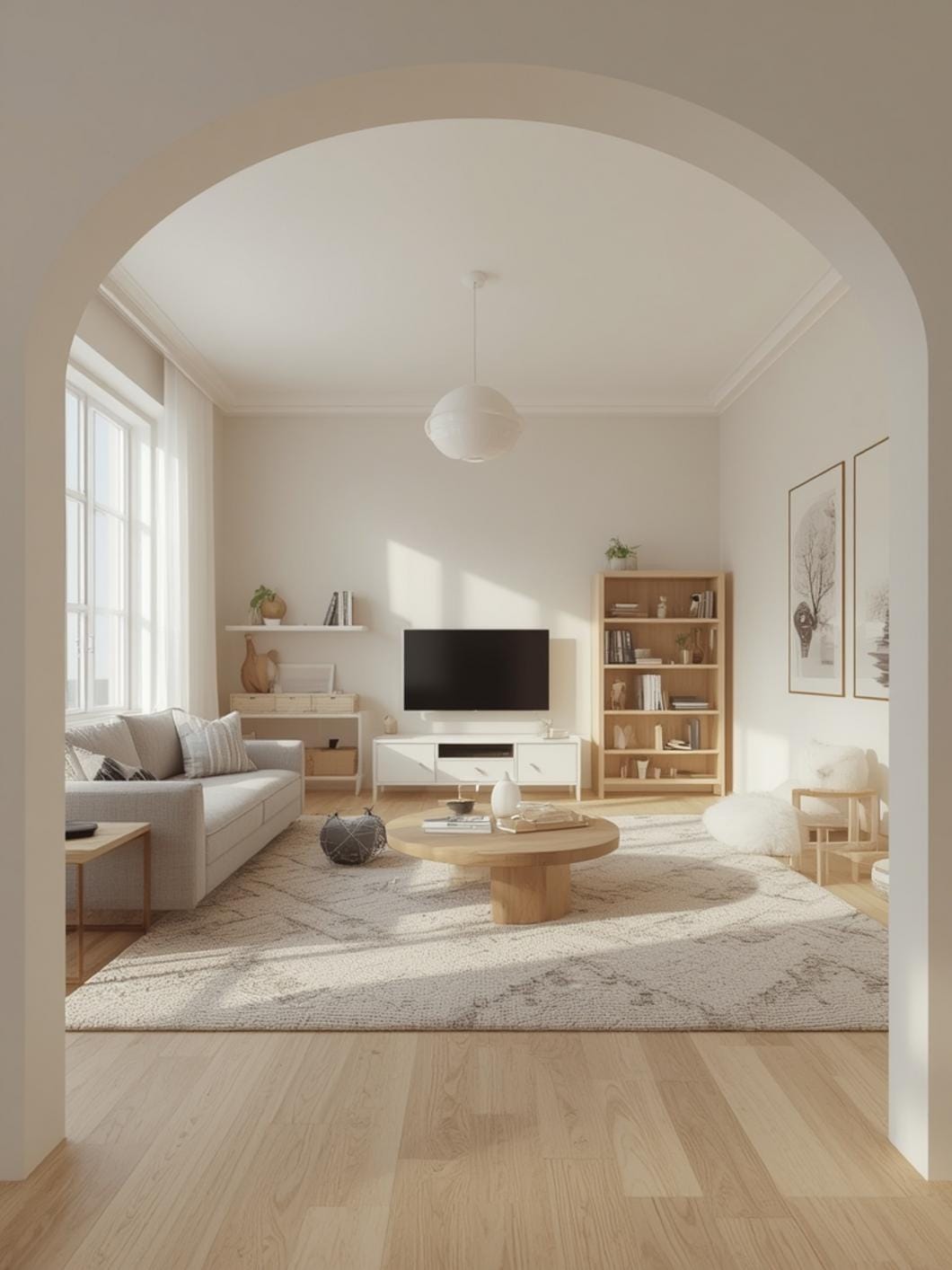
The furniture you already own becomes part of the adventure. Your couch transforms into a cave entrance, your bookshelf holds secret compartments, and your dining table becomes mission control.
Finding Your Style and Season
The beauty of home escape rooms is adapting them to your family’s interests and your home’s natural personality. Consider what already excites your children and build from there.
Theme considerations:
Pirate adventures work beautifully in playrooms or basements with plenty of hiding spots. Detective mysteries suit living rooms where clues can be tucked into everyday objects. Space missions transform bedrooms into spacecraft, while fairy tale quests bring magic to any corner of your home.
Seasonal timing:
Rainy spring weekends provide perfect escape room opportunities when outdoor play isn’t possible. Summer evenings offer cooler temperatures for active puzzle-solving. Fall holidays like Halloween naturally lend themselves to spooky mystery themes. Winter breaks give you extended time to create more elaborate multi-room adventures.
Birthday parties become unforgettable when the entertainment is built right into your home. Sleepover guests bond over solving puzzles together. Holiday gatherings with cousins turn into collaborative adventures that keep everyone engaged.
Your home’s existing decor can guide your theme selection. A room with lots of books naturally becomes a library mystery. A space with plants works perfectly for jungle exploration themes.
7 Ideas to Try in Your Home
1. The Classic Treasure Hunt Structure
Start with a simple premise: pirates hid treasure somewhere in your home, and only by solving clues can your kids find it. When you think about how to design an escape room puzzle for children at home, begin with age-appropriate challenges that build confidence.
Hide the first clue in plain sight with a riddle leading to the next location. Each solved puzzle reveals the next hiding spot. The final clue leads to a “treasure chest” filled with small toys, candy, or the real prize — maybe tickets to their favorite activity.
2. The Mystery Box Challenge
Place a locked box in the center of your room containing the “escape key” or prize. Scatter numbered clues around the space that must be solved in order. Each solution provides one number of the combination lock code.
This approach keeps kids moving and searching while teaching sequencing skills. helps create the perfect space for hiding clues throughout.
3. The Invisible Ink Adventure
Write clues using lemon juice on white paper — they’ll need a flashlight held close to reveal the hidden messages. This simple science trick feels like real spy work and adds an extra layer of discovery.
Combine this with regular visible clues for variety. The invisible messages might contain the most important information or act as bonus hints.
4. The Puzzle Piece Path
Cut a simple map or picture into puzzle pieces and hide each piece at different clue locations. Only when they’ve found all pieces and assembled the puzzle do they discover where the final prize is hidden.
This works especially well for younger children who might struggle with complex riddles but excel at spatial reasoning and picture completion.
5. The Color Code System
Assign each color a letter or number. Place colored stickers around your room — when decoded using the provided key, they spell out the next instruction. This visual approach works wonderfully for kids who aren’t strong readers yet.
Rainbow-colored construction paper makes this both educational and beautiful. Your space becomes a colorful wonderland rather than feeling cluttered with clues.
6. The Story-Driven Quest
Create a narrative where your children become characters in an unfolding story. Maybe they’re astronauts who must repair their ship before time runs out, or detectives solving a missing cookie case.
Each puzzle solved advances the plot. This approach keeps kids emotionally invested in completing challenges even when they get tricky.
7. The Multi-Room Marathon
For older kids or groups, expand your escape room across multiple spaces. The living room holds clues leading to the kitchen, which sends them to the basement, eventually circling back to find the final answer hidden where they started.
This keeps energy high through movement and creates a sense of epic adventure. Just ensure traffic flow makes sense and won’t damage your home’s everyday functionality.
Benefits That Go Beyond Entertainment
Creating escape room experiences at home strengthens family bonds in ways traditional entertainment can’t match. You’re actively participating in their play while watching their problem-solving skills develop in real time.
Cognitive development benefits:
Your children practice critical thinking as they work through puzzles logically. They learn patience when a solution isn’t immediately obvious. Pattern recognition skills sharpen as they identify connections between clues. Reading comprehension improves naturally when the motivation is unlocking the next adventure step.
Social and emotional growth:
Kids learn collaboration when they must work together to succeed. They practice communication by sharing discoveries and theories. Resilience builds each time they persist through a challenging puzzle. The confidence boost from completing the entire room carries into other areas of their lives.
Practical home advantages:
Unlike permanent play equipment, escape rooms pack away completely when finished. Your living room returns to normal within minutes. The low cost means you can create new adventures frequently without budget strain. Weather becomes irrelevant — rain or shine, adventure awaits inside.
You’re creating traditions and memories rather than just passing time. Years later, your kids will remember the day they solved the pirate mystery in your basement, not another afternoon of passive screen time.
Tips, Alternatives, and Styling Advice
Budget-friendly approach:
Use only items already in your home. Write riddles on scrap paper, hide them in creative spots, and use a special toy as the final prize. A free printable puzzle from your computer printer becomes the main challenge. Total cost: literally zero dollars.
Mid-range option:
Invest about twenty dollars in a few combination locks, some glow-in-the-dark stars, and colored construction paper. Purchase a small treasure chest from a craft store and fill it with dollar store prizes. Add battery-operated candles for atmosphere. This level creates impressive visuals without breaking the bank.
Premium version:
Buy a themed escape room kit online that includes professionally designed puzzles and props, then customize it to fit your home’s layout. Add a fog machine for atmosphere and a Bluetooth speaker for themed music. Create elaborate costumes for kids to wear during their quest. Budget around fifty to one hundred dollars for a truly spectacular experience.
Small space adaptation:
Even a single bedroom can host an amazing escape room. Focus on hiding spots within furniture — inside books, under pillows, behind picture frames. Use vertical space by hanging clues from the ceiling on string.can inspire clever hiding spots you might overlook.
Time-saving shortcuts:
Pre-write all clues in a notebook for easy reuse with new hiding spots. Take photos of good hiding locations in your home for future reference. Keep a container with escape room supplies ready to grab — locks, envelopes, markers — so setup takes minutes not hours.
Common Mistakes to Avoid
Making puzzles too difficult for your children’s age leads to frustration and tears rather than fun. Always test the challenge level yourself first and have hints ready if they get stuck.
Creating too many puzzles overwhelms kids and makes the experience feel like work. Five to seven well-crafted challenges provide plenty of entertainment without exhaustion.
Forgetting to set clear boundaries about which rooms or items are off-limits causes chaos. Before starting, explain which spaces are part of the game and which aren’t, protecting your valuable or fragile belongings.
Using locks without testing them first means potentially getting stuck when kids can’t open them properly. Always verify every lock works smoothly and consider having backup keys readily accessible.
Neglecting to time yourself during setup means you might promise the escape room in fifteen minutes but actually need an hour. Give yourself realistic preparation time so you’re not stressed when kids are excited and ready to play.
Keeping Your Escape Room Fresh
After each adventure, store all materials in a labeled container for easy access next time. Photograph your puzzle solutions so you remember what worked well for future reference.
Rotate themes seasonally to maintain excitement — pirates in summer, mysteries in fall, space adventures in winter, fairy tales in spring. This prevents the concept from feeling stale while giving you time to brainstorm new ideas.
Gather feedback from your kids immediately after completing the room. Ask what puzzles they loved and which felt too easy or hard. Their input helps you calibrate difficulty and choose themes that truly engage them.
Keep a simple journal noting which clues you used and where you hid them. This prevents accidentally repeating the exact same escape room and helps you track which complexity levels work best for different ages.
Replace worn materials promptly — markers that run dry, torn envelopes, broken locks. Maintaining your supply kit means you’re always ready for spontaneous escape room fun without emergency store runs.
Make Your Home the Adventure Destination
Your home holds unlimited potential for creating magical experiences that screen time can’t replicate. These escape room adventures cost less than movie tickets while providing deeper engagement and lasting memories.
The puzzles you design today become the stories your children tell tomorrow. They’ll remember working together, the thrill of discovery, and the creativity you brought to their childhood.
Ready to transform your space into adventure central? Explore more creative ideas for making your home a place where memories happen at DecorKingdom.
FAQs
How long should an escape room for kids take to complete?
Plan for 20 to 45 minutes depending on age and number of puzzles. Younger children (ages 5-7) do best with 20-minute experiences, while older kids (ages 8-12) can handle up to 45 minutes. Build in flexibility by having extra hint clues ready if they’re flying through puzzles, or skip optional challenges if they’re struggling.
What age is appropriate for home escape rooms?
Children as young as five can enjoy simple escape rooms with visual clues and basic puzzles like matching games or finding hidden objects. Kids aged 8-12 excel at rooms with riddles, codes, and multi-step challenges. Adjust complexity to your child’s reading level and attention span rather than strictly following age guidelines.
Do I need to buy special equipment?
No special equipment is required — household items work perfectly well. Common supplies like cardboard boxes, markers, string, and flashlights create engaging puzzles. The only items you might purchase are inexpensive combination locks if you want that authentic escape room feel, but even those are optional.
How do I make puzzles challenging but not frustrating?
Test each puzzle yourself while timing how long it takes to solve. If you can’t solve it in under three minutes as an adult, it’s probably too hard for kids. Always have three hints prepared for each puzzle — a gentle nudge, a bigger clue, and a nearly complete solution for if they’re truly stuck.
Can I reuse escape room puzzles?
Absolutely, especially if you wait a few months between repetitions. Change the hiding locations and maybe swap out a couple puzzles for new ones. Kids often enjoy re-experiencing favorite challenges, particularly if you adjust the difficulty slightly or add new twists to the storyline they already know.
—
Meta Title: Escape Room for Kids: Easy Home Setup Ideas 2026
Meta Description: Create an unforgettable escape room for kids at home with simple supplies. Fun puzzles, easy setup, and memories that last. Start today!