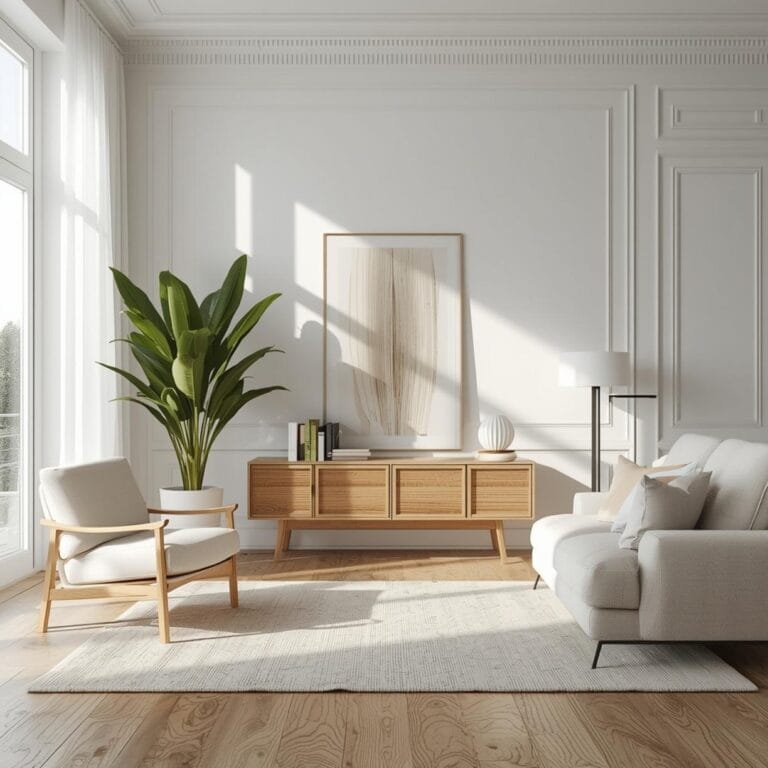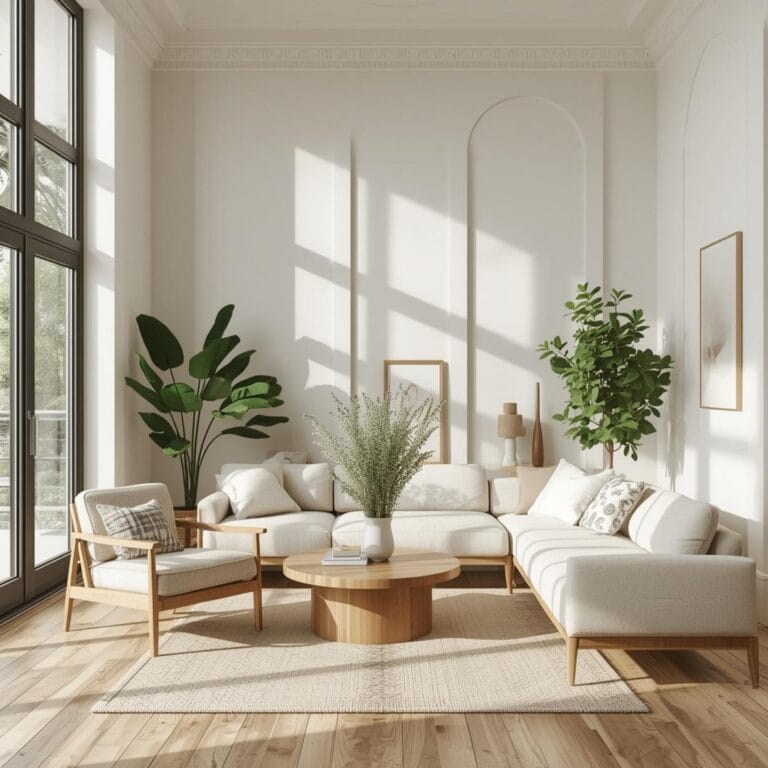
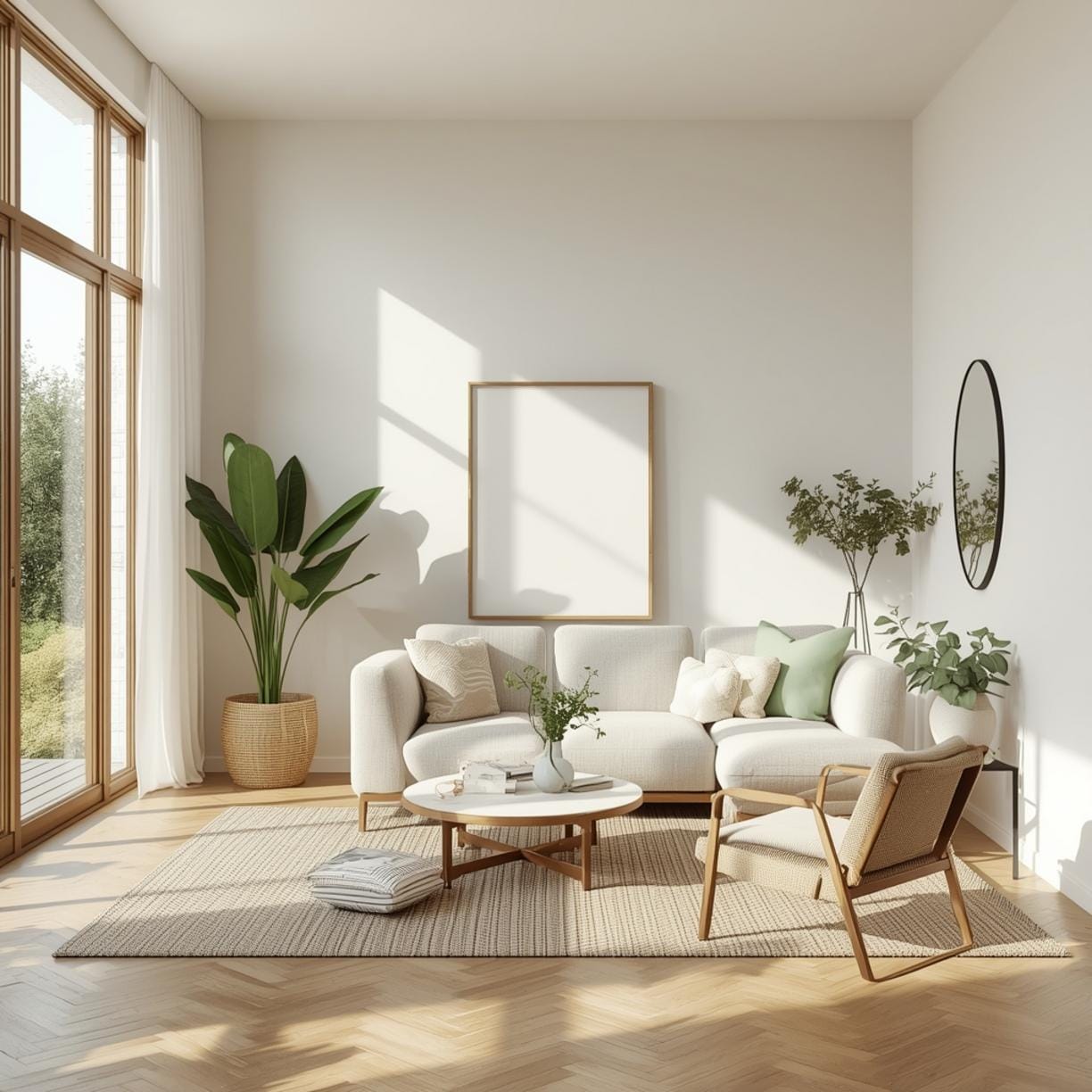
Average Living Room Size Guide: Space Planning Tips
You’ve probably measured your living room more than once, maybe with a tape measure or by pacing it out corner to corner. But do you ever wonder if your space is typical, or if you’re working with less square footage than most? Understanding the Average Living Room Size Guide helps you set realistic expectations for furniture shopping, layout planning, and overall design decisions.
Most American living rooms fall between 200 and 400 square feet, though this varies widely based on home age, region, and price point. Knowing where your space stands gives you the confidence to shop smarter and design with purpose. Whether you’re working with a cozy apartment or a sprawling suburban home, these dimensions shape every decorating choice you make.
Let’s break down what those numbers really mean for your home and how to make the most of whatever square footage you have.
Table of Contents
Key Terms and Elements to Know
Before you start rearranging furniture or shopping for new pieces, it’s helpful to understand what professionals mean when they talk about living room dimensions:
– Square footage: The total floor area measured in square feet, calculated by multiplying length times width
– Clearance space: The walkable area between furniture pieces, typically 18 to 36 inches for comfortable traffic flow
– Focal point: The main architectural feature or entertainment center that anchors your furniture arrangement
– Furniture scale: How the size of your sofa, chairs, and tables relates to the overall room proportions
– Zone planning: Breaking your living room into functional areas like seating, entertainment, or reading nooks
Standard living room dimensions typically measure 12 feet by 18 feet (216 square feet) for smaller homes and apartments. Mid-sized living rooms often measure 15 feet by 20 feet (300 square feet), which gives you comfortable space for a full seating arrangement. Larger living rooms can stretch to 20 feet by 25 feet (500 square feet) or more, allowing for multiple conversation areas.
Ceiling height matters too. Standard 8-foot ceilings feel very different from 10 or 12-foot cathedral ceilings, even in rooms with identical square footage. Higher ceilings create a sense of openness that can make smaller rooms feel more spacious.
Common Misconceptions to Clear Up First
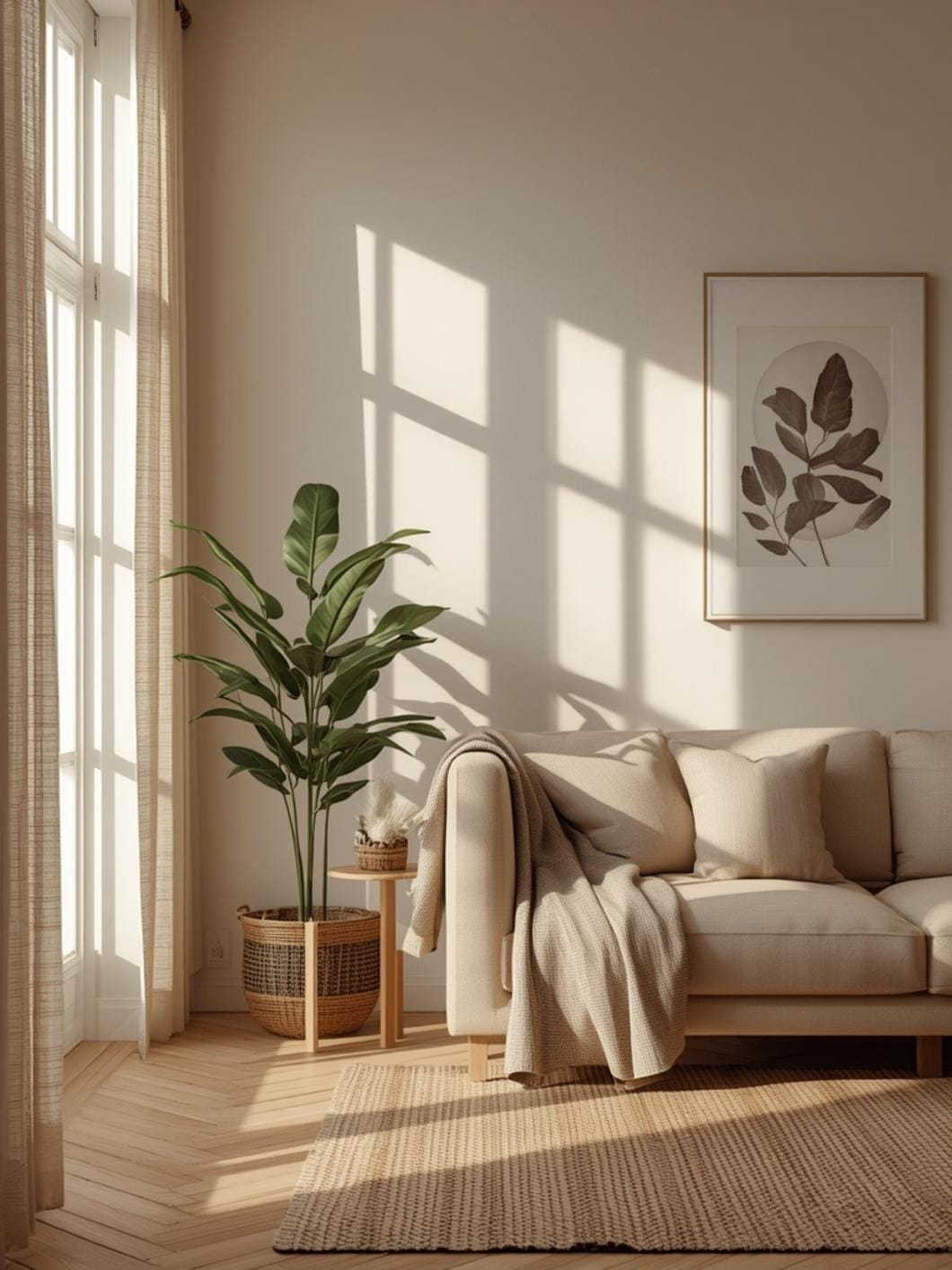
Many homeowners worry they have the smallest living room on the block, but average sizes have actually been shrinking in newer construction. The massive great rooms of the 1990s and early 2000s have given way to more modest proportions as home builders focus on efficient use of space.
Another common myth is that larger always means better. A 400-square-foot living room sounds amazing until you realize how much furniture you need to fill it without creating awkward empty zones. Smaller rooms often feel cozier and more inviting because everything sits within comfortable conversational distance.
Some people think they need to measure every wall angle and architectural detail before they can plan a layout. In reality, you just need the basic length and width measurements plus notes about windows, doorways, and any built-in features that affect furniture placement.
Room shape matters as much as size. A 200-square-foot square room (roughly 14 by 14 feet) arranges very differently than a 200-square-foot rectangular room (10 by 20 feet). Long narrow spaces present unique challenges that square footage alone doesn’t reveal.
How It Works in Real Homes
Understanding how average living room dimensions translate to real furniture arrangements helps you visualize what works in your space. Here’s how different size categories typically function:
Compact Living Rooms (150–200 square feet): These work perfectly for apartments and starter homes. You can comfortably fit a standard sofa (78–84 inches), one accent chair, a coffee table, and a media console. Skip the oversized sectional and choose apartment-scale furniture designed for tighter quarters. TV size should max out around 50 inches to maintain proper viewing distance.
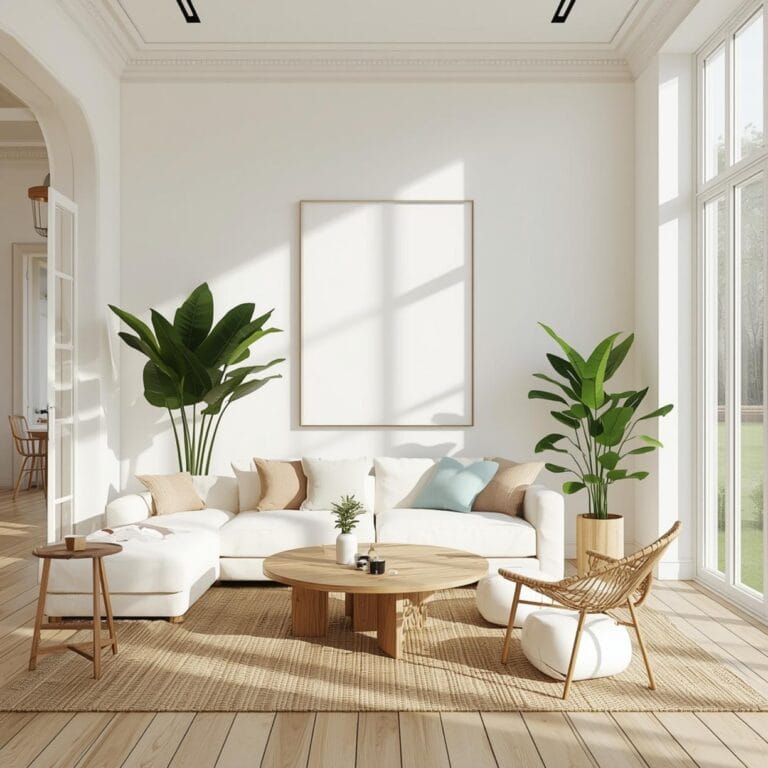
Standard Living Rooms (200–300 square feet): This sweet spot accommodates a three-seat sofa, two accent chairs, a coffee table, two end tables, and an entertainment center without crowding. You have enough space for proper traffic lanes and can add a small bookshelf or console table. How to arrange furniture in a small living room within this range means floating your sofa away from walls rather than pushing everything against the perimeter.
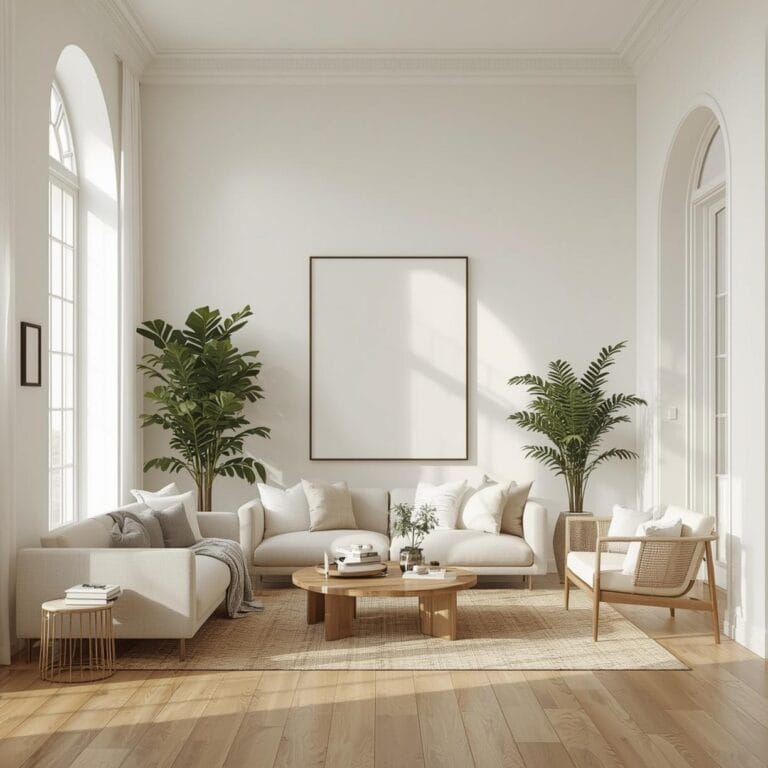
Generous Living Rooms (300–400 square feet): Now you’re working with enough space for a sectional sofa or a full sofa-plus-loveseat combination. Add multiple seating areas if you entertain frequently, or create distinct zones for TV watching and conversation. Side tables, floor lamps, and larger accent pieces fit comfortably. [INTERNAL LINK: open floor plan living room ideas]
Large Living Rooms (400+ square feet): These spaces need substantial furniture to avoid looking empty. Consider U-shaped seating arrangements, multiple coffee tables, or even dividing the room into separate zones with area rugs. Large artwork and tall bookcases help fill vertical space and create visual balance.
Regional differences affect average sizes too. Living rooms in the Northeast tend to run smaller (180–250 square feet) in older homes, while Southern and Western homes often feature larger living spaces (250–350 square feet). Urban apartments rarely exceed 200 square feet for the main living area, regardless of region.
Benefits of Understanding Your Space
Knowing your living room dimensions before you shop saves you from expensive mistakes. That gorgeous sectional sofa might look perfect in the showroom, but if you haven’t measured your actual space, you could end up with a piece that overwhelms your room or blocks essential walkways.
Proper space planning improves daily comfort in ways you might not expect. When furniture sits at the right distances, conversations feel natural, TV viewing stays comfortable, and you stop bumping into table corners every time you walk through. These small improvements add up to a living room you actually want to spend time in.
Understanding standard dimensions also helps with resale value. If you’re planning renovations or considering an addition, knowing how your living room compares to market expectations in your area guides smart investment decisions. A 150-square-foot living room might feel cozy to you, but potential buyers might see it as too small if competing homes offer 250 square feet.
Budget planning becomes easier when you know your square footage. Flooring, area rugs, paint, and window treatments all price out by the square foot or linear foot. Accurate measurements prevent overbuying or underestimating material needs, which saves money and reduces waste.
Tips, Alternatives, and Styling Advice
Budget-Friendly Approach: Work with what you have by choosing multi-functional furniture. An ottoman that serves as both seating and a coffee table maximizes utility in compact spaces. Wall-mounted shelves and floating TV consoles keep floor space open, making small living rooms feel larger without major renovations.
Mid-Range Option: Invest in one or two quality pieces scaled perfectly to your dimensions, then fill in with more affordable accent items. A properly-sized sofa matters more than matching everything perfectly. Custom furniture built to your exact measurements often costs less than you’d think and eliminates the guesswork of whether store pieces will fit.
Premium Approach: Work with an interior designer who can create a detailed floor plan optimized for your specific dimensions. Built-in cabinetry, custom sectionals, and tailored window treatments make the most of every square inch. This level of customization ensures nothing goes to waste and every element serves a purpose.
Small Space Adaptation: If you’re working with under 200 square feet, embrace apartment-scale furniture designed specifically for compact living. Pieces with exposed legs create visual lightness, and glass or acrylic tables take up less visual space than solid wood. [INTERNAL LINK: small apartment living room storage ideas]
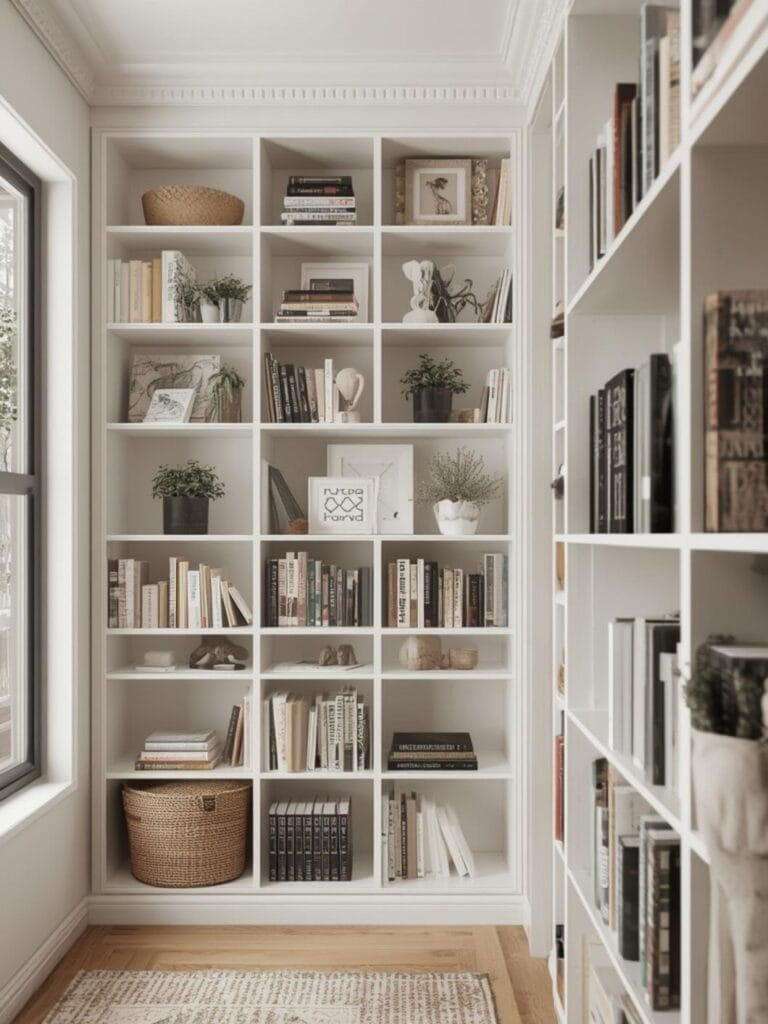
Consider vertical space in rooms with standard or high ceilings. Tall bookcases, floor-to-ceiling curtains, and vertically-oriented artwork draw the eye upward and make the room feel more spacious. This trick works especially well in narrow rectangular living rooms.
Common Mistakes to Avoid
Choosing oversized furniture for your actual square footage: That giant sectional looks amazing online, but if it leaves only 12 inches between the sofa and coffee table, you’ve killed the room’s functionality. Always measure furniture dimensions against your floor plan before buying.
Ignoring traffic patterns when measuring: You might have 250 square feet on paper, but if doorways and hallways cut through your space, the usable area shrinks considerably. Map out where people walk through the room and keep those paths clear of furniture.
Forgetting about door swing and window clearance: A room with the right square footage can still feel cramped if your sofa blocks a door from opening fully or sits too close to windows. Leave at least 6 inches between furniture and window frames, and ensure doors can swing completely open.
Pushing all furniture against the walls: This actually makes most living rooms feel smaller and less inviting, even in compact spaces. Floating furniture creates better conversation zones and improves traffic flow, especially in rooms over 200 square feet.
Comparing your living room to Pinterest or magazine photos: Professional staging often uses custom or unusually small-scale furniture to make rooms photograph well. Real furniture in real homes needs more clearance space than what you see in perfectly styled shots.
Maintenance and Upkeep Tips
Keep your living room measurements current by remeasuring every few years, especially if you’ve added built-ins or made any structural changes. Update your floor plan sketch whenever you rearrange furniture so you have accurate dimensions for future purchases.
Maintain proper furniture spacing as seasons change and you rotate decor. That extra floor lamp you add in winter might look great but could crowd walkways if you’re not mindful of clearance distances.
Check that area rugs still fit proportionally as you swap furniture. A rug that worked under your old sofa arrangement might look too small or awkwardly placed after a rearrangement. Standard guidelines suggest living room rugs should extend 12–18 inches beyond all seating pieces.
Clean and declutter regularly to maintain the sense of space your dimensions provide. Even a generous 300-square-foot living room feels cramped when furniture surfaces overflow with clutter and floor space disappears under piles of belongings.
Making Your Living Room Work for You
Your living room dimensions tell an important story about how to design, shop, and arrange your space. Whether you’re working with 180 square feet or 400, understanding where you fall on the spectrum helps you make confident decisions that improve both function and style.
The most successful living rooms aren’t necessarily the largest ones. They’re spaces where furniture scale matches room size, traffic patterns flow naturally, and every design choice serves your actual lifestyle. Start by measuring your space accurately, then use those numbers to guide every furniture and decor decision.
Ready to transform your understanding of space into beautiful, functional design? Explore more room-by-room guides and practical decorating advice at DecorKingdom, where we help homeowners create spaces they love.
FAQs
What is the average living room size in the United States?
The typical American living room measures between 200 and 350 square feet, with 12 by 18 feet (216 square feet) being very common in mid-sized homes. Newer construction homes built after 2010 tend toward slightly smaller living rooms around 250 square feet as open floor plans become more popular.
How do I measure my living room correctly?
Measure the length and width of your room at the longest points, then multiply those numbers to get square footage. Don’t forget to note the location of windows, doors, closets, and any architectural features like fireplaces or built-in shelving that affect furniture placement. A simple sketch with dimensions helps tremendously when furniture shopping.
Is 150 square feet too small for a living room?
Not at all—150 square feet works perfectly for apartments and smaller homes if you choose appropriately scaled furniture. You can fit a sofa, one or two chairs, and essential tables comfortably. The key is selecting pieces designed for compact spaces rather than trying to squeeze standard-size furniture into a smaller footprint.
How much space should I leave between my sofa and coffee table?
Leave 14 to 18 inches between your sofa edge and coffee table for comfortable legroom and easy access. In very small living rooms, you can go as tight as 12 inches, but anything less feels cramped and makes it difficult to reach the table or stand up easily.
Do I need to hire a professional to plan my living room layout?
Most homeowners can successfully plan their own living room layout using basic measurements and common sense furniture placement. Start with your room dimensions, note door and window locations, then sketch different arrangements on paper or use free online room planning tools. Save professional help for complex situations like oddly-shaped rooms or extensive renovations.
—
Meta Title: Average Living Room Size Guide: Dimensions That Work 2026
Meta Description: Average Living Room Size Guide reveals typical room dimensions (200-350 sq ft) and how to arrange furniture perfectly for your space.