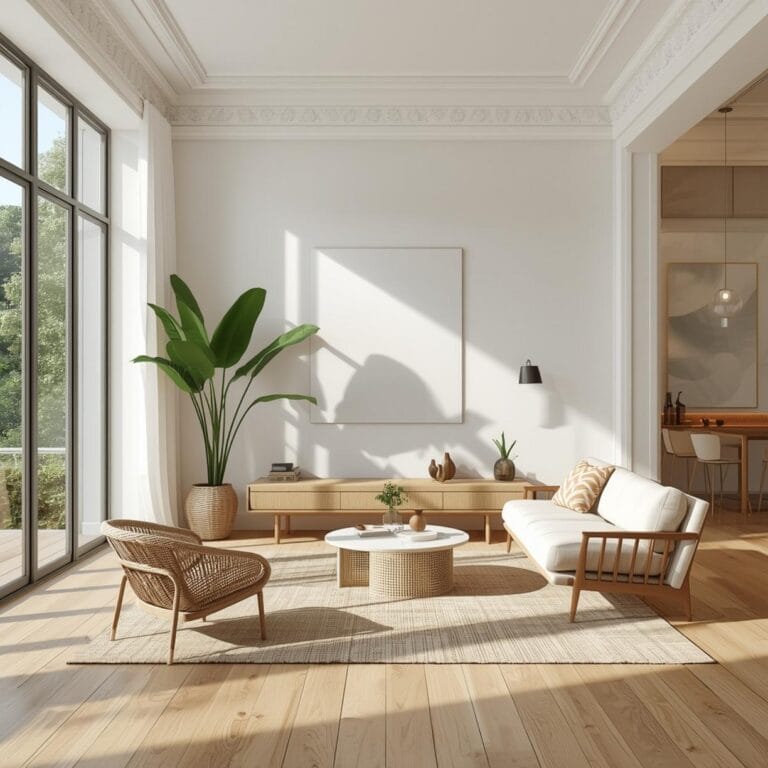
5 Ways to Maximize Your Home Office Space Ideas
You’ve been working from your kitchen table for months now, and your neck aches, your focus wanders, and every video call features the same chaotic background. You deserve a dedicated workspace that actually makes you want to sit down and get things done.
Creating a functional and beautiful home office doesn’t require a huge budget or a spare room. With the right home office space ideas, you can carve out a productive corner almost anywhere in your home. Whether you’re converting a closet, styling an alcove, or reimagining an unused bedroom, small changes make a massive difference in how you feel during your workday.
Your home office should energize you, not drain you. The good news? You’re about to discover practical ways to design a workspace that fits your life, your space, and your style perfectly.
Table of Contents
What You’ll Need to Get the Look
Setting up your ideal workspace starts with gathering the right pieces. Here’s what works for most home office transformations:
Furniture basics:
– A desk that fits your available space (wall-mounted, corner, or freestanding)
– An ergonomic chair that supports your back during long work sessions
– Storage solutions like floating shelves, filing cabinets, or decorative baskets
Lighting essentials:
– A task lamp with adjustable brightness for focused work
– Ambient lighting to reduce eye strain and create warmth
– Natural light control through blinds or curtains
Decor and comfort items:
– Area rug to define your workspace and add texture
– Wall art or a vision board for inspiration
– Plants to improve air quality and bring life to the space
– Cable management boxes or clips to keep cords hidden
– Desktop organizers for pens, notes, and small supplies
Tech setup:
– Monitor stand or laptop riser for better posture
– Wireless keyboard and mouse to free up desk space
– Charging station for devices
– Quality headphones for calls and focus time
You don’t need everything at once. Start with the essentials and layer in personality pieces as you discover what your workflow actually needs.
Finding Your Style and Season
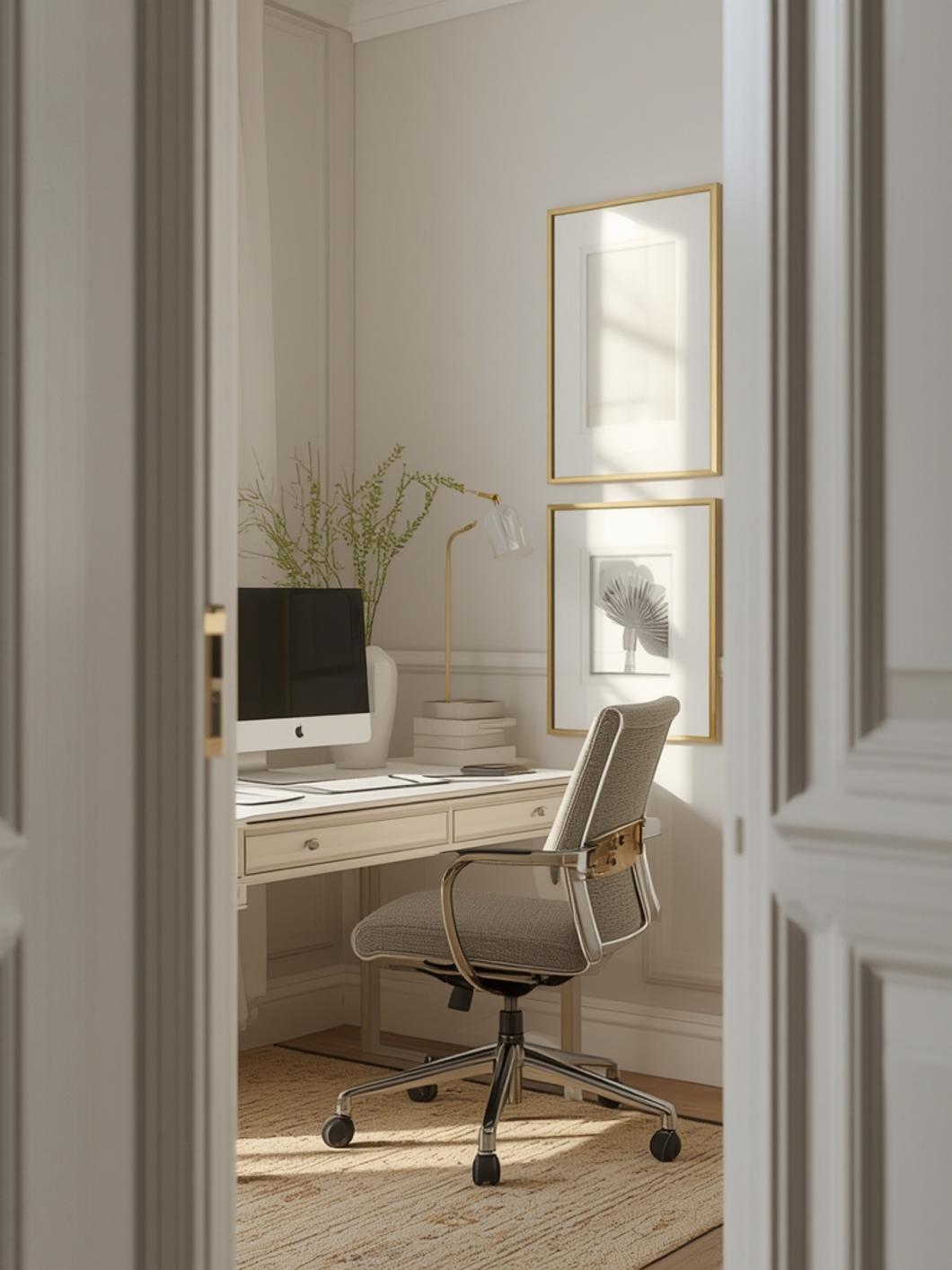
Your home office should reflect your personal style while supporting your productivity. Think about the mood you want to create each time you sit down to work.
Minimalist modern works beautifully if you prefer clean lines and distraction-free surfaces. Stick with neutral colors, simple furniture, and only the essentials on display. This style thrives in small spaces because less clutter means the room feels larger.
Cozy traditional appeals to those who love warmth and character. Think wood furniture, soft textiles, and rich accent colors. Add a comfortable reading chair in the corner if space allows, and layer in vintage-inspired accessories.
Creative eclectic suits anyone who wants their workspace to spark imagination. Mix patterns, display collections, and don’t be afraid of bold color choices. Gallery walls, quirky desk accessories, and unexpected furniture pieces make this style sing.
Seasonal refreshes keep your office feeling current without major investment. Swap throw pillows in fall, add fresh flowers in spring, and adjust lighting warmth in winter. Small seasonal touches prevent your workspace from feeling stale after months of daily use.
The best time to set up or refresh your office is actually during a three-day weekend when you have time to experiment with layouts without work pressure. You’ll want natural daylight to assess how light moves through your space at different times of day.
7 Ideas to Try in Your Home
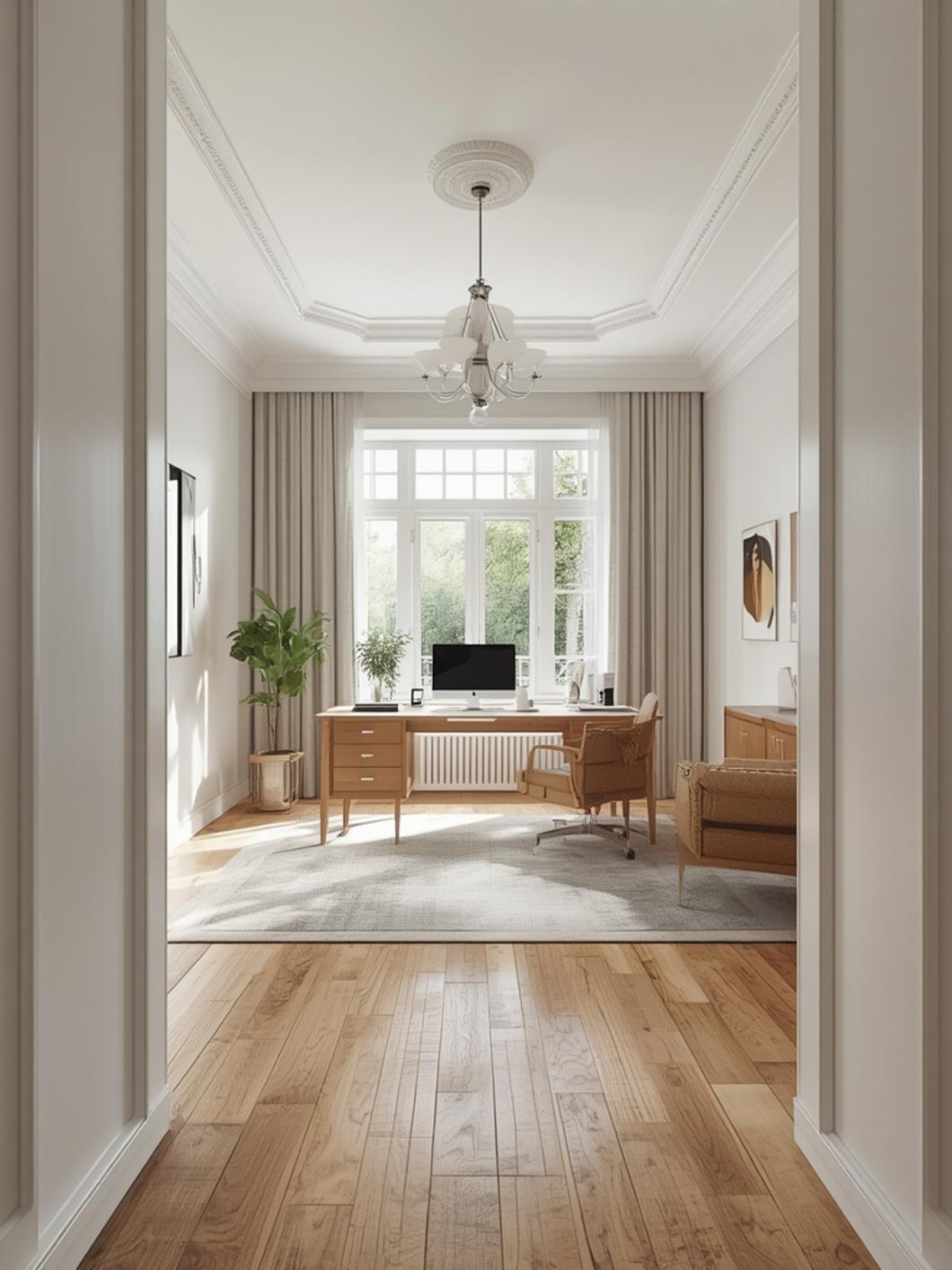
Ready to create a workspace that works for you? These ideas adapt to nearly any home and budget.
1. The Closet Conversion
Remove closet doors and transform that alcove into a built-in office nook. Add a floating desk at the perfect height, install shelving above for storage, and use the vertical space for pinboards or art. This approach gives you a dedicated workspace without sacrificing an entire room. Paint the interior a bold accent color to make it feel intentional and exciting.
2. The Corner Command Center
Corner desks maximize awkward spaces that usually go unused. Position your desk where two walls meet, add floating shelves up one wall, and use the adjacent wall for a large calendar or mood board. Understanding how to maximize a small home office often means thinking vertically rather than horizontally—use every inch of wall space for functional storage that keeps your desktop clear.
3. The Room Divider Office
Create separation in an open-concept space using a bookshelf as a room divider. Position your desk behind it to carve out a distinct work zone within a living room or bedroom. The bookshelf provides storage on both sides while giving you visual privacy during work hours. Add a area rug under your desk to further define the boundary.
4. The Window Desk Setup
Position your workspace to face natural light by installing a custom countertop along a window wall. This works exceptionally well in narrow rooms or hallways with good light. Add a comfortable stool or chair, and use the sill for plants or decorative objects. Natural light reduces eye strain and improves mood throughout your workday.
5. The Under-Stairs Office
That awkward space beneath your staircase becomes prime real estate with creative planning. Measure carefully to install a fitted desk and shelving that follows the stair angle. Add task lighting since these areas tend to be darker, and embrace the cozy cave-like atmosphere. This option works wonderfully for those who prefer a tucked-away, quiet workspace.
6. The Murphy Desk Solution
Wall-mounted fold-down desks save space in multipurpose rooms. When work ends, fold everything up and reclaim your space for other activities. This approach suits guest rooms, living rooms, or even large entryways where you need flexibility. Choose a design with hidden storage inside to keep supplies organized but out of sight.
7. The Dual-Purpose Dining Table
If a dedicated office isn’t possible, style your dining table to transition smoothly between meals and work. Use a desk caddy that moves on and off the table easily, add a laptop stand, and keep a basket nearby for quick cleanup. Choose decor that reads as elegant rather than office-y—think beautiful desk accessories rather than plastic organizers.
Each of these ideas adapts to different home layouts and lifestyles. Pick the one that addresses your biggest space challenge and build from there.
Benefits of a Well-Designed Home Office
A thoughtfully designed workspace changes more than just your surroundings. You’ll notice the difference in how you feel and perform every single day.
Productivity skyrockets when your environment supports deep work. Having a designated space signals to your brain that it’s time to focus. You’re not fighting distractions from other household activities or constantly searching for supplies buried in random drawers.
Boundaries become clearer between work and personal life. When your office has a specific location, you can physically leave work at the end of the day. This separation protects your mental health and helps you truly relax during off-hours.
Professional presence improves during video calls. A styled background with thoughtful lighting makes you look polished and prepared. Clients and colleagues notice when you’ve created a legitimate workspace rather than propping up your laptop wherever you find space.
Physical comfort increases when you invest in proper furniture and layout. Back pain, neck strain, and headaches often stem from makeshift setups that force poor posture. An ergonomic setup protects your body during long work hours.
Creative energy flows more freely in a space that inspires you. Surrounding yourself with colors, textures, and objects you love stimulates fresh thinking and problem-solving. Your environment directly impacts your ability to do your best work.
Tips, Alternatives, and Styling Advice
Not every home office needs to cost a fortune. Here’s how to approach your workspace at different price points.
Budget-friendly approach (under $300):
Shop secondhand for a solid desk and chair—you can always paint or refinish them. Use stacked books or decorative boxes as monitor risers. Hang string lights or add an affordable clip lamp for better lighting. Print free art from online galleries or frame fabric remnants for textured wall decor. Repurpose household items like kitchen canisters for pen storage.
Mid-range option ($300-$800):
Invest in a quality ergonomic chair since you’ll use it daily. Choose a new desk with built-in storage to maximize function. Add proper task lighting and a few live plants. Purchase matching storage solutions and desktop organizers. Include one statement piece like a vintage rug or unique shelving unit that gives the space personality.
Premium investment ($800+):
Custom built-ins create a polished, permanent solution tailored to your exact space. Choose designer lighting fixtures that double as art. Invest in a sit-stand desk for health benefits throughout the day. Select high-end finishes and materials that will last decades. Add professional window treatments that control light while looking expensive.
Small space adaptations work magic when square footage is tight:
Mount everything possible to free up floor space. Choose furniture with hidden storage compartments. Use mirrors to reflect light and create the illusion of more room. Select a glass or acrylic desk to maintain visual openness. Limit your color palette to keep the space feeling cohesive rather than cluttered.
Common Mistakes to Avoid
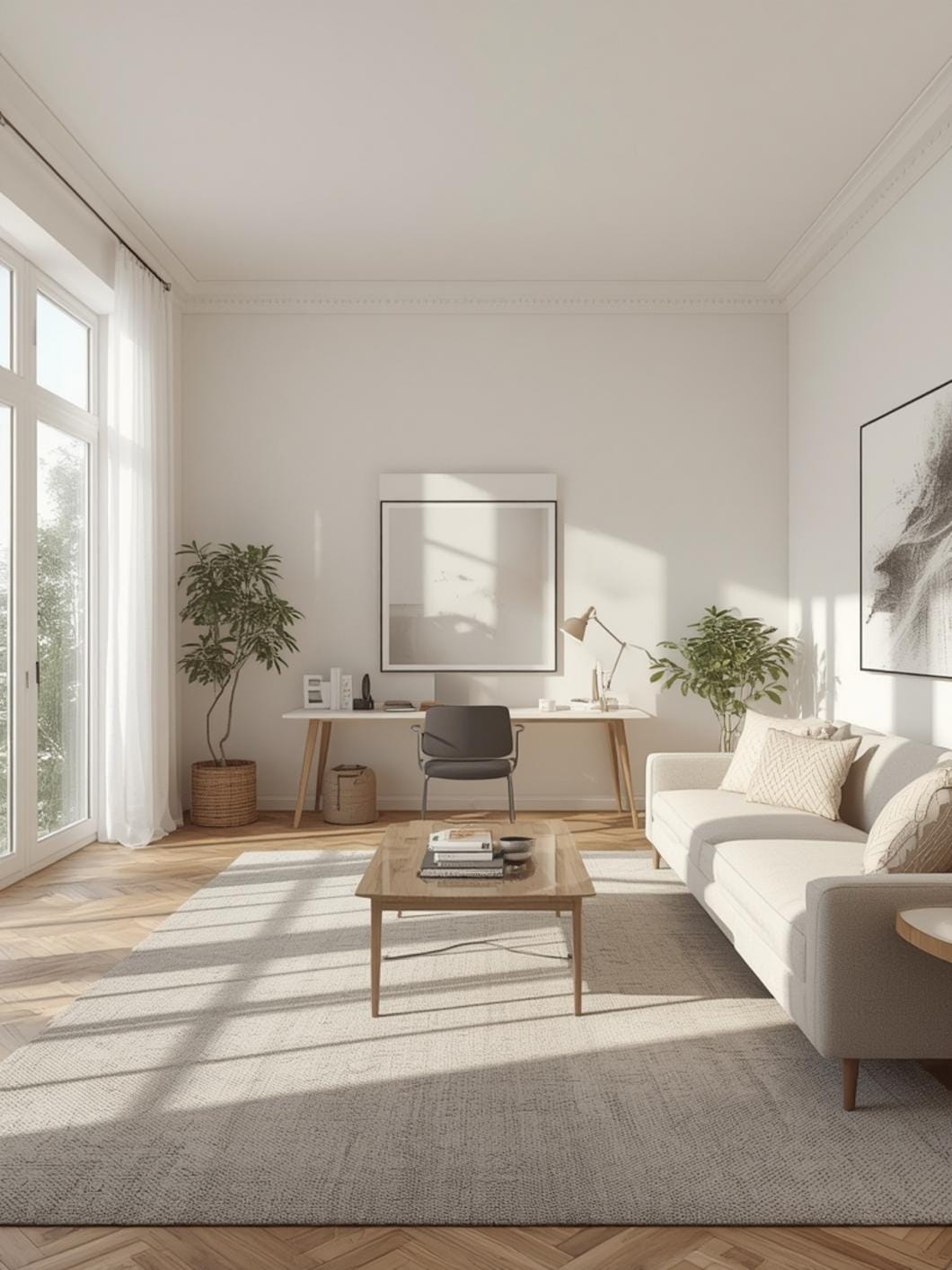
Even well-intentioned design choices can sabotage your productivity. Watch out for these common pitfalls.
Positioning your desk to face a wall feels isolating and depressing. Instead, angle your desk to face into the room or toward a window so you don’t feel boxed in during long work sessions.
Skipping proper lighting causes eye strain and headaches by midafternoon. Layer at least two light sources—overhead ambient lighting plus a focused task lamp—to reduce shadows and screen glare.
Choosing style over ergonomics leads to physical pain that worsens over time. Prioritize a supportive chair and proper desk height first, then add beautiful accessories around that functional foundation.
Neglecting cable management creates visual chaos that’s actually distracting. Spend thirty minutes routing cords through clips, boxes, or sleeves to keep surfaces clean and your mind focused.
Forgetting about acoustics makes every video call echo-y and unprofessional. Add soft furnishings like curtains, rugs, or upholstered furniture to absorb sound in hard-surfaced rooms.
Overloading your desk with supplies and decor leaves no actual workspace. Keep only daily essentials on your desktop and store everything else in drawers or shelves within arm’s reach.
Maintenance and Upkeep Tips
Your home office needs regular attention to stay functional and inspiring. Build these simple habits into your routine.
Daily desk reset takes just five minutes. Before you finish work each day, clear papers into folders, wipe down surfaces, and return supplies to their homes. You’ll start each morning with a fresh, inviting workspace.
Weekly deep clean keeps dust and grime from building up. Vacuum under your desk, dust shelves and electronics, and wipe down your keyboard and mouse. Clean your desk chair according to its material—most can be quickly vacuumed or spot-cleaned.
Monthly organization check prevents clutter from creeping back. Sort through papers and files, toss dried-out pens, and reorganize drawers. Rotate decor items or swap out art to keep your space feeling fresh without buying anything new.
Seasonal updates maintain your inspiration. Move plants to adjust for changing light conditions. Swap heavy curtains for lighter ones in summer, or add cozy throws in winter. Reassess your storage needs as your work evolves.
Cable maintenance prevents tangles and damage. Every few months, check that cords aren’t pinched, frayed, or creating trip hazards. Relabel anything that’s become unclear so you know what’s what during future changes.
Create Your Perfect Workspace Today
Your home office should be the most productive and enjoyable room in your house. With these design ideas, you can craft a workspace that supports your best work while reflecting your personal style.
Start with one change this weekend—whether that’s finally buying that ergonomic chair, converting your closet into an office nook, or simply reorganizing your desk for better function. Small improvements compound quickly when you’re consistent.
Explore more inspiring home design ideas at DecorKingdom to keep transforming your space into exactly what you need.
FAQs
What is the best desk size for a small home office?
A desk between 40-48 inches wide provides enough workspace without overwhelming a small room. Look for compact designs around 24 inches deep rather than standard 30-inch depths. Wall-mounted or corner desks maximize awkward spaces while keeping floor area open. Measure your available space first and leave at least 30 inches of clearance for your chair to pull out comfortably.
How can I make my home office look expensive on a budget?
Focus on a cohesive color palette rather than buying everything new. Paint existing furniture in a sophisticated shade and add matching accessories. Upgrade just one or two key pieces like lighting or a desk chair while keeping other elements simple. Hide clutter completely, style with real plants instead of plastic, and frame inexpensive prints in matching frames for a gallery wall effect.
Where should I put my home office if I don’t have a spare room?
Corner spaces, closets, hallways, and under-stair areas all work beautifully with creative furniture choices. Even a section of your bedroom can become a dedicated office with a room divider or bookshelf creating visual separation. Look for unused vertical space where a wall-mounted desk won’t interfere with traffic flow. Many people successfully use one end of a dining table with a portable desk caddy.
What color should I paint my home office for productivity?
Blue tones promote focus and calm, making them excellent for analytical work. Soft greens reduce eye strain and create a refreshing atmosphere for long work sessions. Warm neutrals like beige or greige provide a versatile backdrop that won’t distract. Avoid bright reds or intense colors that can increase stress, unless you use them sparingly as energizing accents.
How do I stop working from home in my bedroom from affecting my sleep?
Position your desk so you can’t see it from bed—facing away or behind a divider works best. Establish a shutdown ritual like covering your computer and closing notebooks to signal the workday has ended. Use a folding screen or curtain to visually separate the office zone from your sleeping area. Never work from your actual bed, as this confuses your brain’s sleep associations with that space.
—
Meta Title: Home Office Space Ideas: 7 Inspiring Setups for 2026
Meta Description: Discover creative home office space ideas that maximize small spaces and boost productivity with beautiful, functional design you can DIY today.