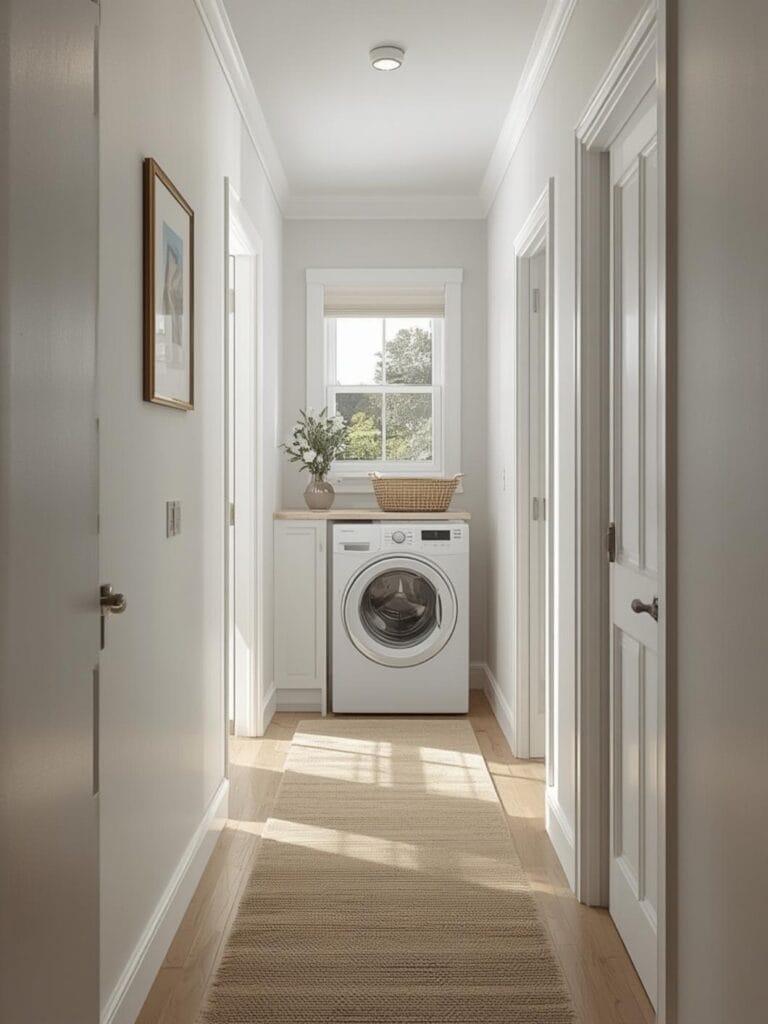
How to Choose Mudroom Closet Ideas for Your Home
You love your home, but every time someone walks through the door, the chaos begins. Coats pile up on chairs, shoes scatter across the floor, and backpacks land wherever there’s space. Your entryway deserves better, and so do you.
Creating mudroom closet ideas that actually work doesn’t require a massive renovation or a Pinterest-perfect budget. Whether you’re working with a tiny apartment entry or a dedicated mudroom space, the right closet setup can turn that cluttered zone into an organized, welcoming spot that makes daily life so much easier.
Your mudroom closet should work as hard as you do. With a few smart choices and creative solutions, you can design a space that keeps everyone’s belongings exactly where they belong.
Table of Contents
What You’ll Need to Get the Look
The beauty of mudroom closet design is that you can start simple and build from there. Your basic foundation includes hooks mounted at different heights for adults and kids, a sturdy bench or seating area for putting on shoes, and baskets or bins for quick storage.
Consider adding a rod for hanging coats and jackets, especially seasonal items that need more structure than a hook provides. Shoe storage solutions like cubbies, trays, or a low shelf keep footwear contained and prevent that dreaded pile-up by the door.
For personalization, you’ll want labels for family members’ zones, a mirror for last-minute checks before heading out, and a small tray or bowl for keys and mail. If your space allows, a slim console table or wall-mounted shelf adds surface area without eating up floor space.
Don’t forget about durability. Choose materials that can handle wet boots, muddy paws, and the daily wear of family life. Water-resistant bins, washable rug runners, and surfaces that wipe clean make maintenance infinitely easier.
Finding Your Style and Season
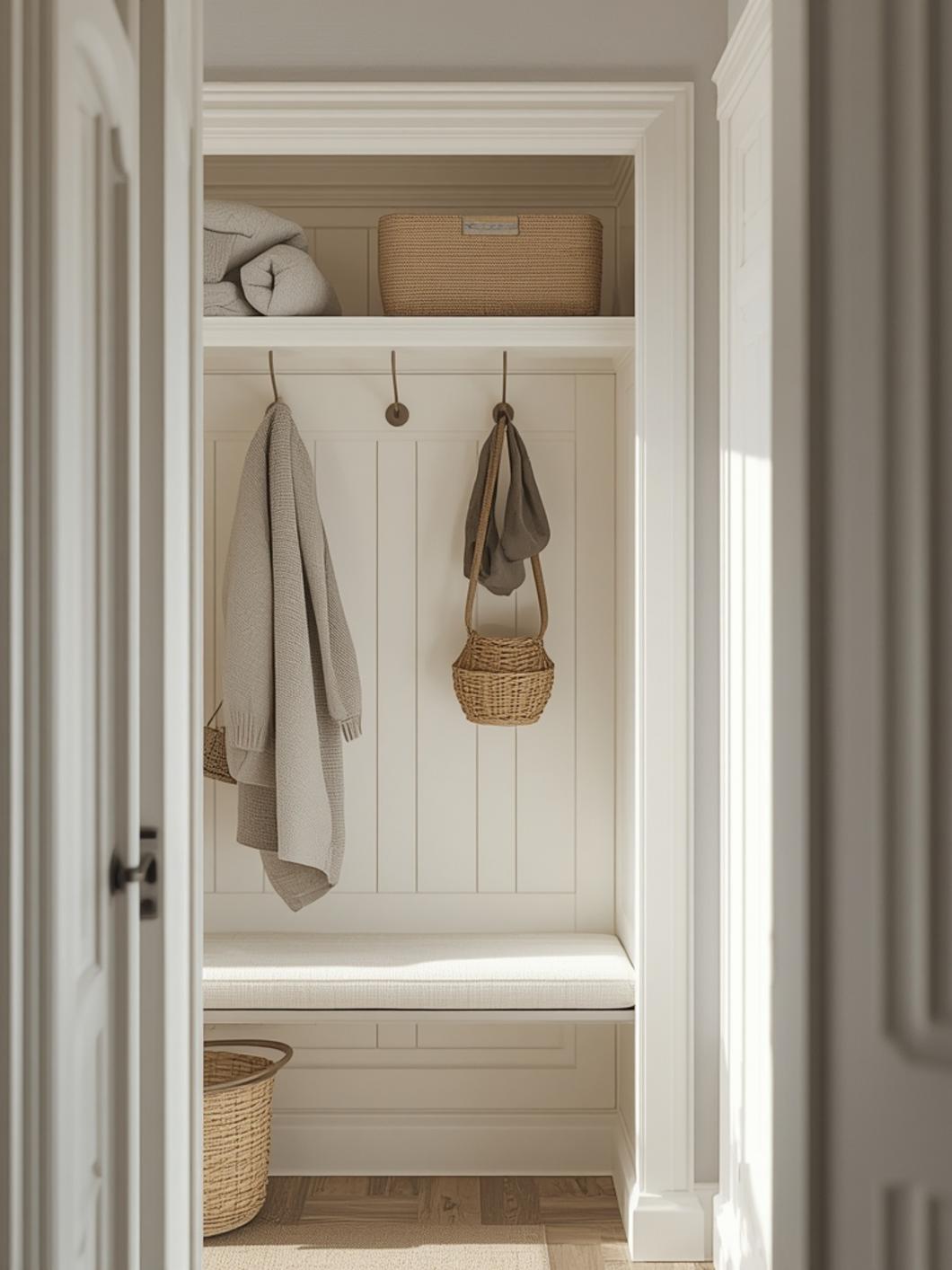
Your mudroom closet should adapt to how your family actually lives. Think about your daily routine first, then match your design choices to those patterns.
During school months, your mudroom works overtime. Backpack hooks, homework cubbies, and a spot for sports gear become essential. Summer shifts the focus to beach bags, outdoor toys, and sun hats, while winter demands space for bulky coats, boots, and snow gear.
If you entertain often, your entry creates the first impression guests have of your home. A more polished look with decorative hooks, a welcoming bench cushion, and some greenery sets a warm tone.
Consider your family size honestly. A household of five needs different solutions than a couple or single homeowner. Kids require lower hooks they can reach, while adults need storage that keeps work bags and nicer coats pristine.
Season changes offer perfect opportunities to refresh your mudroom closet setup. Rotate out bulky winter items when spring arrives, and swap heavy storage bins for lighter baskets when the weather warms up.
7 Ideas to Try in Your Home
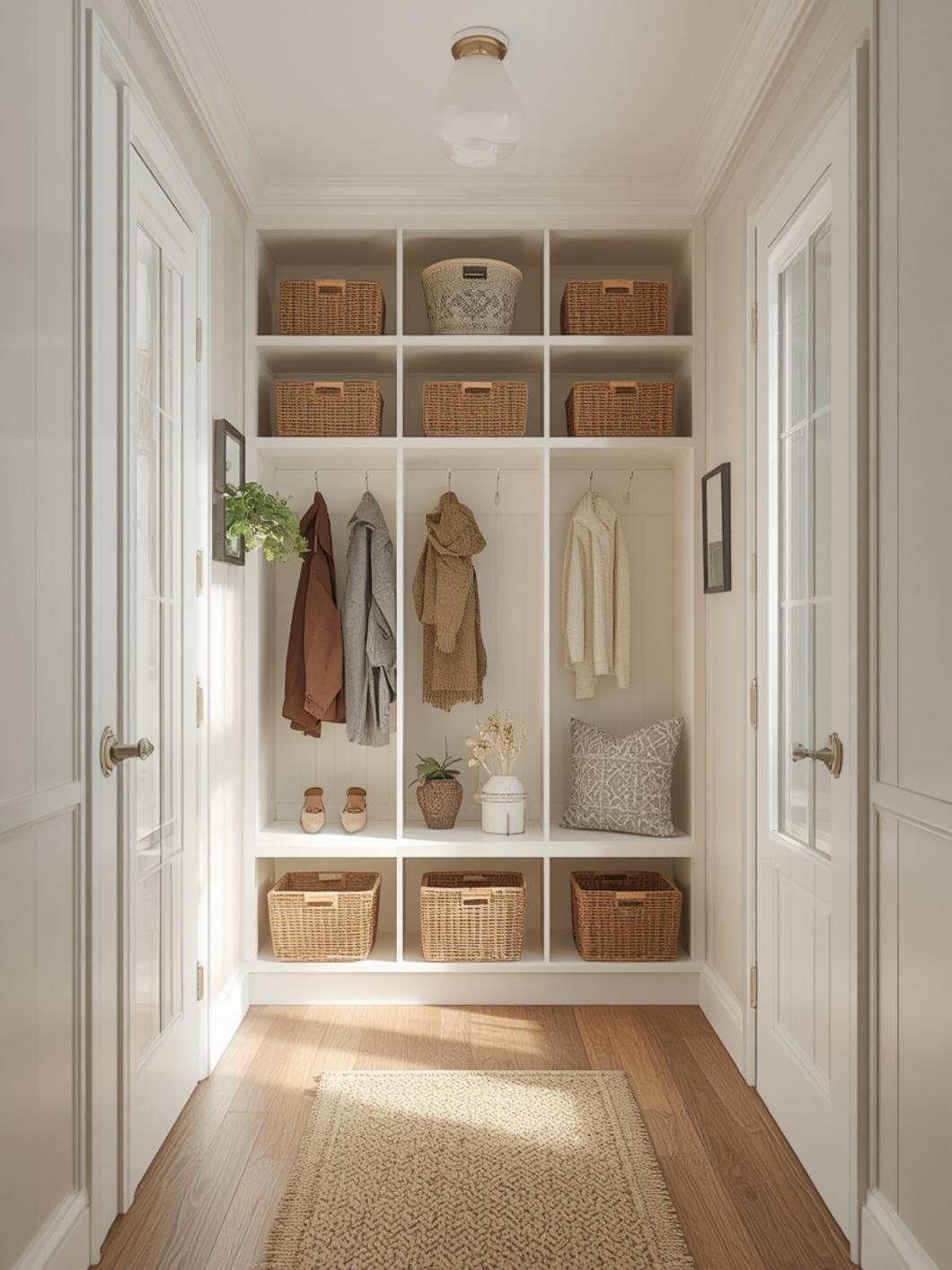
Create Individual Zones for Each Family Member
Assign each person their own section with a hook, cubby, and basket. This stops the “that’s mine” arguments and teaches kids to manage their own belongings. Color-code each zone with different basket colors or personalized labels to make it crystal clear who owns what space.
Build Vertical Storage Solutions
When floor space is tight, go up. Install hooks at multiple heights, add floating shelves above eye level for seasonal items, and use the back of your closet door for over-the-door organizers. Vertical storage doubles your capacity without expanding your footprint.
Incorporate a Bench with Hidden Storage
A bench serves triple duty as seating, storage, and visual anchor for your space. Lift-top benches hide boots and seasonal gear, while open cubbies underneath keep daily shoes accessible. Add a cushion on top for comfort and a pop of color.
Use Clear Bins for Visibility
When you can see what’s inside without opening every container, morning rushes become less stressful. Clear bins work especially well for kids’ items, sports equipment, and seasonal accessories. You’ll know at a glance when supplies run low or items need washing.
Install a Charging Station
Modern life means phones, tablets, and smartwatches need juice. A small shelf with a power strip keeps devices charging in one designated spot instead of scattered throughout the house. This simple addition prevents the “where’s my phone” panic before leaving home.
Add a Drop Zone for Daily Essentials
Keys, sunglasses, mail, and dog leashes need a landing spot immediately inside the door. When you’re learning how to organize a small mudroom entryway, this catch-all zone prevents items from migrating to kitchen counters or dining tables. A shallow basket or wall-mounted organizer does the job perfectly.
Include a Full-Length Mirror
A mirror serves practical and spatial purposes. You can check your outfit before heading out, and mirrors make small spaces feel larger and brighter. Mount it on the back of a closet door or on a side wall where it won’t create awkward reflections.
Design a Pet Station
If you have dogs, dedicate one section to leashes, waste bags, and grooming supplies. Wall hooks keep leashes untangled, while a small bin holds treats and toys for walks. Some homeowners add a towel hook specifically for wiping muddy paws before pets venture deeper into the house.
Incorporate Adjustable Shelving
Your needs change as kids grow and seasons shift. Adjustable shelves let you reconfigure height and spacing without new installations. This flexibility means your mudroom closet evolves with your family instead of becoming outdated.
Benefits / Advantages
A well-organized mudroom closet eliminates that frantic search for missing items when you’re already running late. Everything has a place, so mornings flow smoothly instead of starting with stress.
Your home stays cleaner overall because outdoor mess gets contained at the entry point. Mud, dirt, and wet weather gear stop at the mudroom instead of tracking through your living spaces.
Property value gets a quiet boost from functional storage solutions. Homebuyers love organized entry spaces that show how the house handles real family life.
You’ll actually use and enjoy this space instead of avoiding it. When organization makes sense and looks good, maintaining it becomes effortless rather than a chore you dread.
Family members develop better habits around personal responsibility. Kids learn to hang up their own coats and put away shoes, skills that serve them well beyond childhood.
Tips, Alternatives, Styling Advice
Budget-Friendly Approach
Start with adhesive hooks from your local hardware store and fabric bins from discount retailers. A simple wooden crate turned on its side creates shoe cubbies, while a cushioned stool provides seating. You can build a functional mudroom closet setup for under one hundred dollars.
Mid-Range Solution
Invest in a prefabricated closet system designed for entryways. These typically include adjustable shelving, built-in hooks, and bench seating in one coordinated unit. The price point sits around three to five hundred dollars, and installation takes just a weekend.
Premium Investment
Custom built-in cabinetry transforms your mudroom into a showpiece while maximizing every inch of available space. A professional designer can incorporate features like soft-close drawers, integrated lighting, and custom millwork that matches your home’s architecture. Expect to invest several thousand dollars for this level of sophistication.
Small Space Adaptation
Even the tiniest entry can function as a mudroom with smart choices. Mount a slim coat rack that extends only a few inches from the wall, use a narrow console table instead of a bench, and choose shallow baskets that fit tight spaces. Wall-mounted fold-down seats provide temporary seating without permanent floor space commitment.
Common Mistakes to Avoid
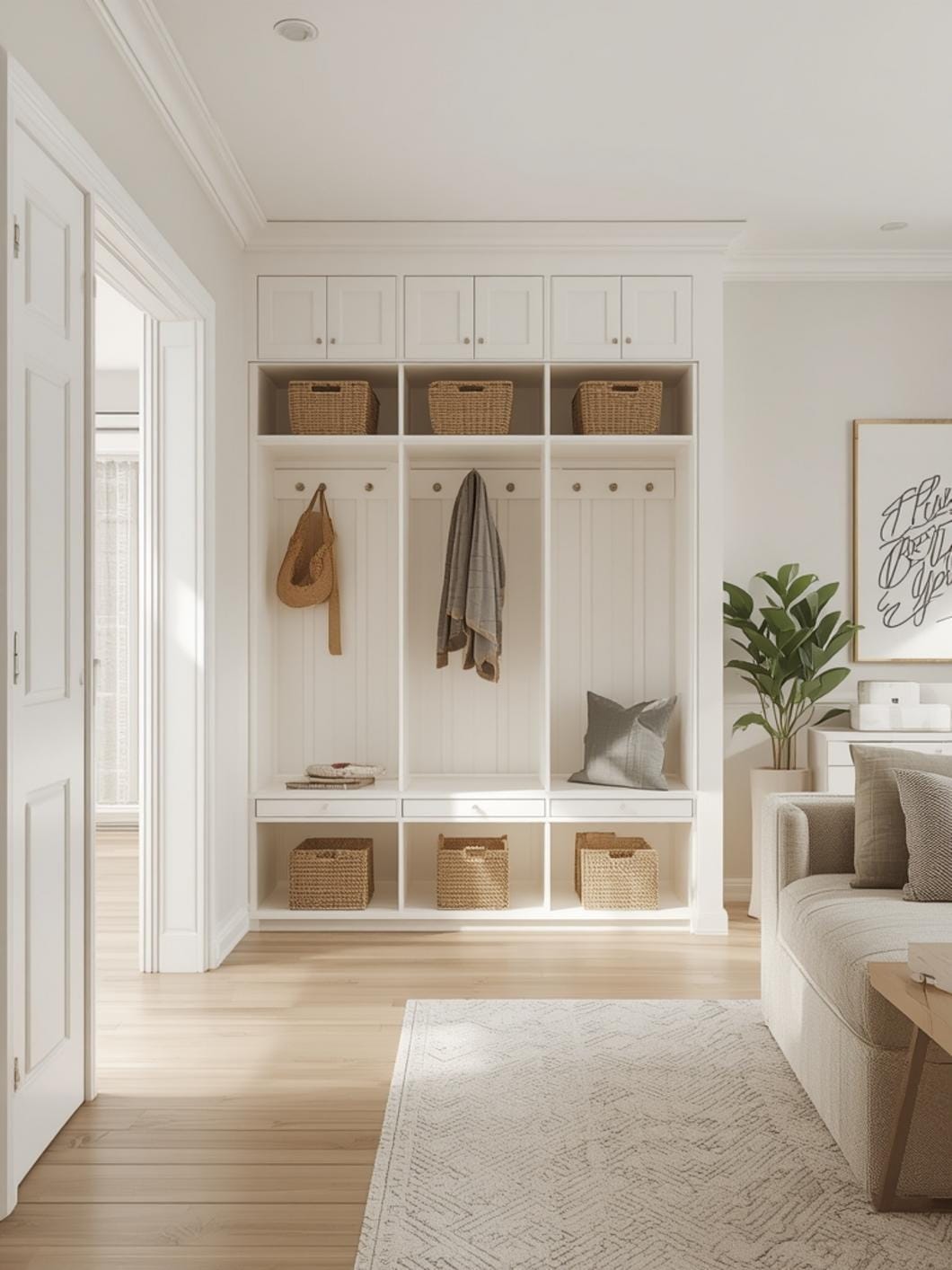
Installing Hooks Too High for Kids
When children can’t reach their assigned hooks, coats end up on the floor every single time. Mount a lower row of hooks specifically for kids, placing them at shoulder height so they can actually use them independently.
Choosing Style Over Function
Those gorgeous wire baskets might look amazing on Pinterest, but if small items fall through the gaps, they’re not serving your needs. Prioritize functionality first, then find options within that category that match your aesthetic.
Forgetting About Wet Items
Umbrellas, rain boots, and damp coats need somewhere to drip dry without soaking everything around them. Include a waterproof mat or tray specifically for wet weather gear, and ensure adequate air circulation so items dry properly.
Overcomplicating the System
If your organization requires too many steps or feels fussy, no one will maintain it. Simple solutions like open cubbies and accessible hooks get used consistently, while elaborate systems with multiple components get abandoned within weeks.
Ignoring Seasonal Rotation Needs
When winter coats crowd out summer gear year-round, your mudroom becomes cramped and chaotic. Plan from the start how you’ll store off-season items elsewhere, keeping only current-season necessities in your primary mudroom closet space.
Maintenance / Upkeep Tips
Schedule a quick five-minute reset every evening before bed. Return misplaced items to their designated spots, shake out the door mat, and wipe down any muddy surfaces. This tiny habit prevents mess from accumulating.
Do a deeper clean monthly by emptying all bins and baskets, vacuuming cubbies and shelves, and wiping down hooks and rods. Check for items that need repair or replacement, like worn-out shoelaces or broken zipper pulls.
Rotate seasonal items as weather changes. Store bulky winter coats in a hall closet when spring arrives, and bring out lighter jackets and rain gear. This rotation keeps your mudroom closet from feeling overcrowded.
Wash or replace mats and cushions regularly, especially during wet seasons. These items take the brunt of outdoor dirt and moisture, so they need more frequent attention than other decor elements.
Reevaluate your system twice a year. As kids grow or family routines change, your mudroom closet should adapt. What worked last fall might need tweaking by spring.
Conclusion
Your mudroom closet can transform from a chaotic dumping ground into an organized launching pad that makes every day easier. With the right combination of storage solutions, personalized zones, and smart design choices, you’ll create a space that actually works for how your family lives.
Start with one or two ideas that address your biggest pain points, then build from there as you discover what works best in your home. Visit DecorKingdom for more inspiration on creating organized, beautiful spaces throughout your entire home.
FAQs
How deep should a mudroom closet be?
Most mudroom closets work best at 24 inches deep, which accommodates standard coat hangers and allows doors to close comfortably. If you’re building from scratch, 18 inches works for tighter spaces, while 30 inches provides luxury storage for bulkier items like winter parkas and sports equipment.
Can you add a mudroom closet to an existing entryway?
Absolutely, and you don’t need major construction to make it happen. Freestanding closet systems, wall-mounted components, and strategic furniture placement can create mudroom functionality in nearly any entry space. Focus on vertical storage and multi-purpose furniture to maximize impact without requiring walls or permanent changes.
What’s the best way to keep mudroom closets organized long-term?
Make your system so simple that every family member can use it without thinking. Label everything clearly, keep frequently used items at eye level, and build in more storage than you think you need. The easier maintenance becomes, the longer your organization lasts.
How do you handle mudroom closet organization with multiple kids?
Assign each child a color and use that color for their hooks, bins, and labels throughout the space. This visual system eliminates arguments about whose stuff belongs where and helps younger kids identify their own areas independently. Space zones evenly so each child has equal access and storage capacity.
Should mudroom closets have doors or stay open?
Open systems tend to work better for daily-use mudrooms because they’re more accessible and encourage family members to actually hang things up. Closed doors hide clutter but create an extra step that often leads to items getting dumped on the floor instead. If your entry is visible from main living areas, consider a compromise like half-height doors or attractive curtains that provide visual screening without full closure.
—
Meta Title: 7 Mudroom Closet Ideas That Actually Work (2026)
Meta Description: Transform entry chaos into organized calm with mudroom closet ideas for any space. Smart storage solutions for real families.